TL;DR

Get home appliances delivered free with Prime
- Fast, free delivery on millions of items
- Prime Video, Amazon Music and more included
- Member-only deals all year
Interior designers interviewed by House Beautiful describe “cushcore” as a fall decorating approach centered on plush, inviting seating and tactile materials. They recommend balancing oversized upholstery with thoughtful proportions, restrained color and practical fabrics; the trend’s broader popularity is not independently measured in the source.
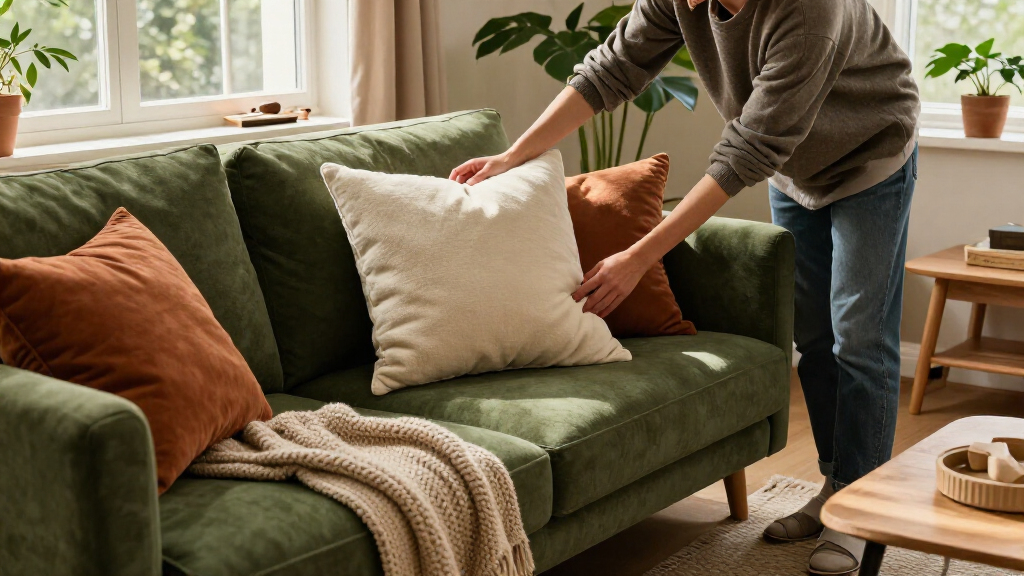
Interior designers are describing “cushcore” as a comfort-first approach to fall decorating, built around plush seating, layered textures and rooms that feel polished without being too precious to use. In a report by House Beautiful, designers say the look can start with an oversized sofa but does not require replacing all the furniture in a home.
The style turns away from the sleek, low-profile sofas that have been popular in recent years and toward deep seats, substantial arms and generous cushioning. Julia Newman, an interior designer who works between Los Angeles and Minnesota, compares the rounded, layered look to upholstered furniture seen in 1990s television sets, while arguing that its appeal is not limited to one era. “Inviting, comfortable environments never go out of style,” she said.
Designers characterize cushcore as a broader room mood, not a requirement to buy the biggest sofa available. Tracy Morris, an interior designer in McLean, Virginia, describes the aim as a room that looks finished while still inviting everyday use. She advises balancing a substantial seat with tailored details, smaller tables and an intentional layout, rather than filling every corner or surface.
For smaller rooms or tighter budgets, designers suggest a plush armchair, upholstered ottoman or tactile accessories as alternatives to a new sofa. HollandGreen designer Tori Young recommends limiting a color scheme to about three colors and building interest through materials such as velvet, linen and wool. Warm wood can offset the amount of upholstery, while rugs with a noticeable pile and layered lighting add softness.
Comfort Without Overfilling Rooms
The advice addresses a practical tension in decorating: making a room feel inviting without making it crowded, costly or difficult to maintain. A large sofa can dominate a room, so Morris’s emphasis on proportion and restraint gives readers a way to adapt the look to their existing layout rather than treating it as a shopping checklist.
The designers also connect comfort with daily use. Morris recommends durable, forgiving upholstery so residents do not have to constantly straighten cushions or worry about spills. She points to washable velvet options from Perennials and Osborne & Little. Those are designer recommendations, not independent product testing or a guarantee that every velvet fabric is easy to clean.
Young frames the trend as part of a desire for homes that feel personal and calming. That is an interpretation from the designers interviewed, rather than evidence that a measured number of households are adopting the style. The source offers no sales figures, survey results or other data establishing how widespread cushcore is.
As an affiliate, we earn on qualifying purchases.
From Sleek Sofas to Soft Layers
House Beautiful presents cushcore as a response to years of preference for sleek, low-slung seating, describing the newer look as a return to fuller shapes and more layered comfort. Newman’s comparison to 1990s furniture supplies a visual reference, but the report does not claim that the style is an exact revival of that decade.
The article’s practical suggestions extend beyond upholstery. Young recommends combining a limited palette with varied tactile fabrics and warm wood. Morris suggests 2700K light bulbs for a warmer glow, while Newman points to rugs with substantial pile. Morris also describes a tufted or upholstered ottoman as a small change that can provide both a visual anchor and a place to put up one’s feet.
““Inviting, comfortable environments never go out of style.””
— Julia Newman, interior designer
As an affiliate, we earn on qualifying purchases.
How Broad Is the Trend?
The source is a design report based on interviews with a small group of professionals. It does not provide market data, consumer surveys or independent measurements showing that cushcore is “taking over” homes, so that phrase should be understood as trend framing rather than a verified measure of adoption. The report also does not define a standard checklist for the style; the designers describe it as a general mood that can be adapted to different rooms and budgets.
Recommendations about fabric performance depend on the specific material and its care instructions. The source names washable velvet options but does not compare their durability, prices or cleaning requirements. It also does not set out costs for recreating the look, which can vary with furniture size, upholstery and room layout.
As an affiliate, we earn on qualifying purchases.
How Readers Can Adapt the Look
The designers’ guidance points to incremental changes rather than a required purchase: start with the room’s proportions, choose one comfortable focal seat, and add texture through a rug, ottoman or soft furnishings. A restrained color palette and some warm wood can keep the result from becoming visually crowded. For anyone considering new upholstery, checking fabric care instructions and durability against the household’s needs is a practical next step.
The supplied report does not announce a product launch, industry event or future milestone. Whether the style becomes more widespread remains to be seen; the current source records designers’ descriptions and recommendations, not a forecast backed by adoption data.
As an affiliate, we earn on qualifying purchases.
Key Questions
What does “cushcore” mean in this report?
It is a comfort-focused decorating style featuring plush seating, tactile materials and a polished but lived-in feel. Designers describe it as a mood, not a strict set of furniture rules.
Do I need to buy an oversized sofa to try the look?
No. The designers suggest using a plush armchair or upholstered ottoman, or adding texture with rugs and other materials. They also caution that a large sofa should suit the room rather than overwhelm it.
Which materials and colors do designers recommend?
Young recommends tactile fabrics such as velvet, linen and wool, with warm wood accents and a palette of about three colors. Morris favors durable, forgiving upholstery and mentions washable velvet options.
Is cushcore proven to be taking over homes this fall?
The report does not provide sales figures or survey data to establish how widespread the style is. “Taking over” is not supported by adoption statistics in the supplied material; the article reports designers’ views and advice.
Source: rss
Cold & flu season Picks
humidifiers
As an affiliate, we earn on qualifying purchases.