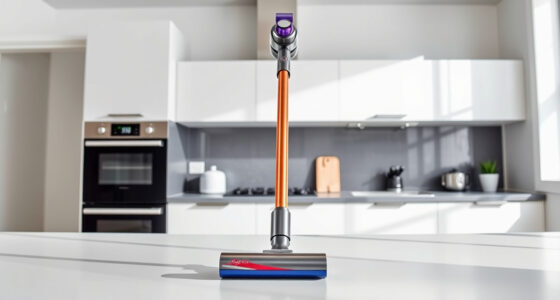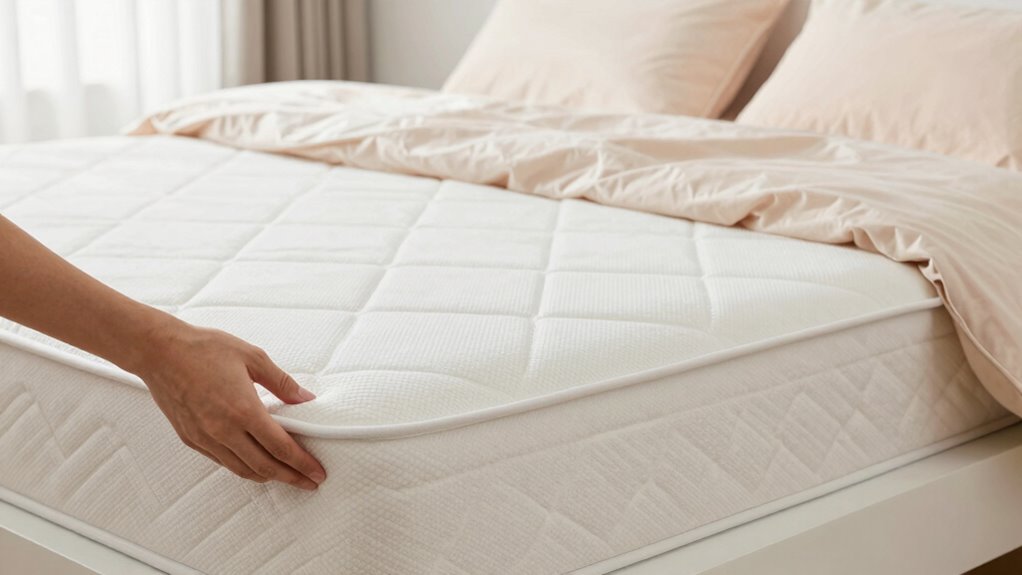

To prevent small problems from growing, regularly maintain your mattress by rotating and flipping it as per manufacturer instructions, and air it out to reduce moisture buildup. Use a high-quality protector and wash bedding frequently to fend off stains, dust, and allergens. Vacuum the surface often to remove dust mites, and promptly treat any stains or odors. Address issues like sagging or squeaks early on, and choose tailored cleaning methods for your mattress material. Keep going for more tips to keep your bed in top condition.

Get home appliances delivered free with Prime
- Fast, free delivery on millions of items
- Prime Video, Amazon Music and more included
- Member-only deals all year
Key Takeaways
- Regularly rotate and flip the mattress to distribute wear evenly and prevent sagging.
- Use a high-quality mattress protector to guard against spills, stains, and allergens.
- Vacuum the mattress surface periodically to remove dust, skin flakes, and allergens.
- Address minor issues like creaking or indentations promptly to prevent deterioration.
- Maintain good sleep hygiene by keeping the environment clean and airing out the mattress regularly.
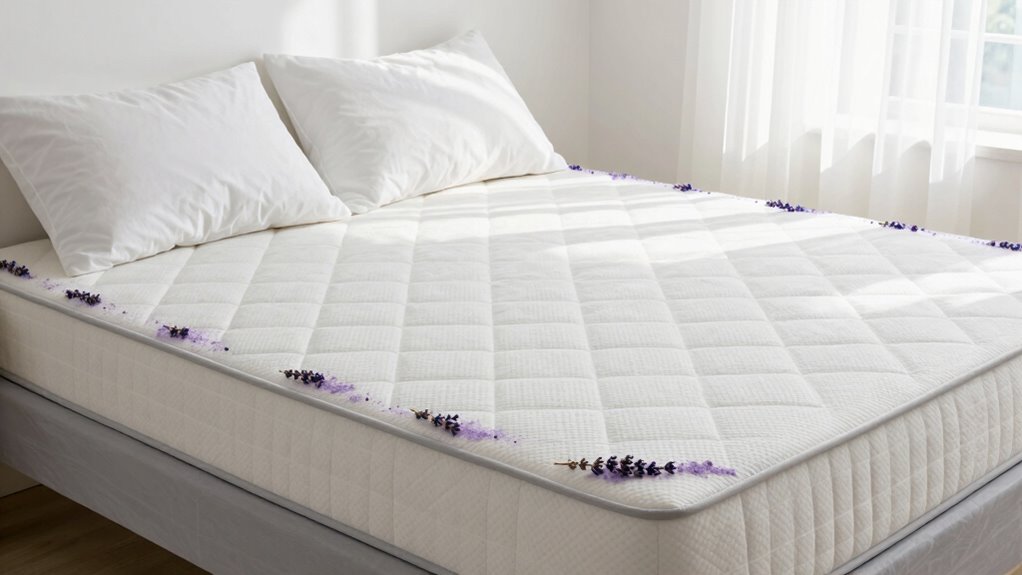
Have you ever wondered how to keep your mattress fresh and comfortable for years to come? The secret lies in establishing a consistent mattress care routine that addresses everyday habits and the materials your mattress is made of. Good sleep hygiene isn’t just about when you sleep; it’s also about how you care for your sleeping environment. Your mattress, after all, is the foundation of quality rest, and caring for it properly can prevent small issues from turning into bigger, costly problems.
Understanding your mattress materials is essential to developing an effective routine. Different materials—whether memory foam, innerspring, latex, or hybrid—react differently to environmental factors and use. For example, memory foam tends to trap heat and moisture if not aired out regularly, while innerspring mattresses might develop squeaks or sagging over time. Knowing what your mattress is made of helps you choose the right cleaning methods, protectants, and maintenance routines, ensuring it lasts longer and remains supportive. Material types can influence the best way to care for your mattress and extend its lifespan. Additionally, some materials may require specific cleaning agents or handling to prevent damage.
Knowing your mattress material helps you choose proper care and extend its lifespan.
Practicing good sleep hygiene is also vital. It involves more than just going to bed at consistent times; it means creating an environment that promotes restful sleep and protects your mattress. Using a high-quality mattress protector can shield against spills, stains, and allergens, reducing the likelihood of mold and bacteria buildup. Regularly washing your sheets, pillowcases, and comforters not only keeps your bedding fresh but also reduces dust mites and allergens that can settle into the mattress surface. Avoid eating or drinking in bed, as crumbs and spills can damage mattress materials and lead to stains or odors.
Another key step is to regularly rotate and flip your mattress if it’s designed for it. This simple act helps distribute wear evenly, preventing sagging and indentations that can cause discomfort and reduce support. For mattresses made of softer or more delicate materials, check the manufacturer’s guidelines to avoid damage. Additionally, airing out your mattress periodically—by removing bedding and allowing fresh air to circulate—helps reduce moisture buildup and odors, which is especially important for certain mattress materials prone to retaining humidity. This airing out also helps prolong the overall health of your sleeping environment.
Vacuuming your mattress surface every few months is a quick way to remove dust, skin flakes, and allergens that accumulate over time. If your mattress has stains or odors, address them promptly with appropriate cleaning solutions that won’t harm the materials. Staying attentive to small issues—like a slight sag or creaking—can help you catch problems early, saving you from costly repairs or replacements later. By integrating these practices into your routine, you’re not only protecting your mattress but also ensuring that your sleep remains restful, healthy, and comfortable for years to come.
mattress protector waterproof queen size
As an affiliate, we earn on qualifying purchases.
As an affiliate, we earn on qualifying purchases.
Frequently Asked Questions
How Often Should I Replace My Mattress?
You should replace your mattress every 7-10 years, depending on its material and your sleep hygiene. Memory foam and latex tend to last longer, around 8-10 years, while innerspring mattresses might need replacement sooner. Pay attention to sagging, discomfort, or persistent allergies. Regularly maintaining your mattress improves sleep quality, but eventually, wear and tear diminish its support. Prioritize timely replacement to guarantee restful, healthy sleep.
Can Using a Mattress Protector Extend Its Lifespan?
Think of a mattress protector as your mattress’s shield, much like a knight’s armor. Yes, it can extend your mattress’s lifespan by preventing wear and tear. It also aids in allergy relief and bed bug prevention, keeping your sleep environment healthier. I’ve seen a friend’s mattress stay pristine for years thanks to a quality protector. Investing in one means better sleep, fewer replacements, and peace of mind.
Is It Necessary to Flip or Rotate My Mattress Regularly?
Yes, you should regularly flip or rotate your mattress to prevent uneven wear and maintain comfort. Mattress flipping involves turning it over, while mattress rotation means switching the head and foot positions. Doing this weekly or biweekly helps distribute body pressure evenly, preventing sagging and prolonging your mattress’s lifespan. Incorporate mattress flipping and mattress rotation into your routine to keep your sleeping surface supportive and in great condition over time.
What Cleaning Products Are Safe for My Mattress?
Imagine a gentle rain washing over your mattress, removing dust and allergens without harsh chemicals. Safe cleaning products for your mattress include mild dish soap mixed with water or specialized mattress cleaners labeled as hypoallergenic. Avoid strong chemical cleaners that can trigger allergies or damage the fabric. Regularly vacuum and spot-clean with these gentle solutions to keep your mattress fresh, allergen-free, and comfortable for restful nights.
How Can I Prevent Mold and Dust Mites?
To prevent mold and dust mites, guarantee proper air circulation in your bedroom by opening windows regularly and using fans. Keep humidity levels below 50% with a dehumidifier or air conditioner to inhibit mold growth. Wash bedding weekly in hot water, and use allergy-proof covers on your mattress. These steps help with allergy prevention and keep your mattress fresh, reducing the risk of mold and dust mites developing over time.
memory foam mattress vacuum cover
As an affiliate, we earn on qualifying purchases.
As an affiliate, we earn on qualifying purchases.
Conclusion
By sticking to this simple mattress care routine, you’ll prevent tiny issues from spiraling into catastrophic sleep disasters. Imagine waking up every morning on a mattress so pristine and well-maintained, it’s practically a miracle! Neglect your mattress, and you risk an avalanche of stains, dust mites, and sagging that could ruin your sleep for years. But follow these easy steps, and you’ll keep your mattress—and your nights—perfectly pristine for a lifetime of sweet dreams!
As an affiliate, we earn on qualifying purchases.
As an affiliate, we earn on qualifying purchases.
Halloween Picks
halloween
As an affiliate, we earn on qualifying purchases.