
TL;DR
A mattress for side sleeping needs to cushion the shoulders and hips while supporting the rest of the body. Firmness, materials, temperature, motion transfer and purchase terms all affect fit, and personal comfort varies. The source is a paid partnership with Sleep Number, not an independent test or clinical recommendation.
A paid-partnership guide with Sleep Number says side sleepers choosing a mattress should look for cushioning around the shoulders and hips alongside enough support to limit excessive sinkage. The guidance matters because a mattress’s firmness label alone may not show how its materials will feel in a particular sleeping position.

Get home appliances delivered free with Prime
- Fast, free delivery on millions of items
- Prime Video, Amazon Music and more included
- Member-only deals all year
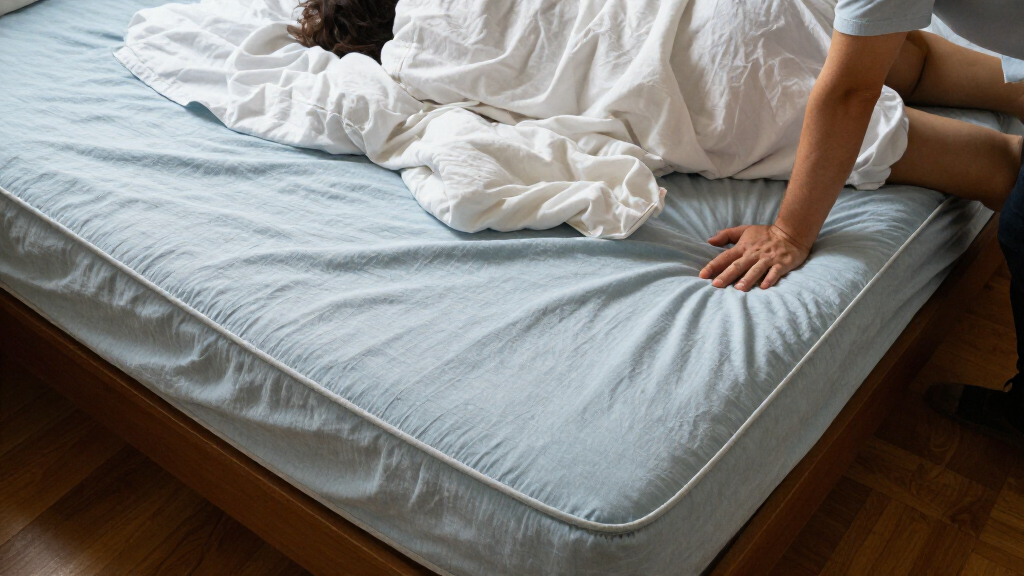
Side sleeping concentrates body weight over a smaller area than lying on the back, with the shoulders and hips taking much of the pressure, the source says. A comfort layer that lets these areas settle may feel more accommodating than a surface that pushes against them. But too much sinkage can also make it harder to keep the body comfortably aligned. The aim described in the guide is a balance of pressure-point cushioning and underlying support, rather than simply choosing the softest mattress.
The source says memory foam generally contours closely and absorbs movement, while a hybrid mattress pairs foam layers with coils and may feel more responsive. That difference can matter to people who want a cradled sensation or who change position during the night. Construction also affects how a mattress feels, so two beds with the same advertised firmness can provide different experiences.
Firmness preference varies with body weight, sleeping habits and comfort. The guide says many side sleepers prefer a medium or medium-soft feel, but presents this as a general preference rather than a rule. Lighter sleepers may find a firm surface does not give their shoulders and hips enough room to settle; people with higher body weight may want more support to reduce excessive sinkage. Those who share a bed may also compare motion isolation, cooling and firmness options that suit both sleepers.
What side sleepers need from a mattress
Choose a feel that cushions shoulders and hips while supporting the rest of the body. Firmness labels alone cannot predict personal comfort.
Balance cushion and support
Pressure relief matters, but excessive sinkage may feel unsuitable.
Let shoulders and hips settle
A cushioning comfort layer may feel more accommodating at these pressure points.
Limit excessive sinkage
Underlying support helps balance cushioning and comfortable alignment.
Match your preferred feel
Many side sleepers prefer medium or medium-soft, but body weight and comfort vary.
Compare mattress construction
Materials can change how a bed contours, responds and handles movement.
- Generally contours closely
- Absorbs movement
- May offer a cradled feel
- Pairs foam layers with coils
- May feel more responsive
- Coils may allow more airflow
Check your sleep needs
Consider how you sleep alone or with a partner, and whether you change positions.
Assess cushioning and support on your side, and in other positions you use.
Consider motion transfer, cooling and firmness options that may suit both sleepers.
Check the specific model’s price, trial conditions and warranty before buying.
Read the guidance in context
The recommendations describe general shopping considerations, not a universal mattress ranking.
The Fit Goes Beyond Firmness
The practical point for shoppers is that a firmness number or label cannot, by itself, predict comfort in a side-sleeping position. Pressure relief and support work together: a surface can cushion the shoulders yet still feel unsuitable if the hips sink too far, while a firmer mattress may not provide enough give for some people. Considering the mattress’s construction and trying it in a realistic sleep position can help buyers make a more informed comparison.
The advice is consumer guidance, not evidence that a particular mattress will relieve pain or improve sleep for every person. The source does not report product testing or clinical research. Its paid-partnership disclosure also matters: readers should distinguish general selection tips from any product marketing and check the price, trial terms and warranty before purchasing.
Products Worth Considering

Roborock Q7 M5+ Robot Vacuum and Mop with Self-Emptying Dock

Philips Hue Play HDMI Sync Box 4K

Levoit EverestAir-P Smart Air Purifier for Large Rooms
As an affiliate, we earn on qualifying purchases.
Foam, Coils and Sleeping Positions
The guide frames mattress choice as a personal fit decision, not a universal ranking of materials. Foam, latex and some hybrid designs can offer different kinds of contouring and pressure relief, while coil systems may change how responsive a bed feels. The source also notes that some foam mattresses use cooling materials and that hybrid construction may allow more airflow through the coil system. These are design considerations, not guarantees about an individual sleeper’s temperature or comfort.
People who move between side and back sleeping may need to judge how a mattress performs in both positions. A feel that cushions the shoulder on the side may not feel equally supportive when lying on the back. If a mattress offers adjustable firmness, the guide says it may let a buyer fine-tune the feel, though it provides no product-specific comparison or evidence that adjustment will suit everyone.
“A mattress for side sleepers needs to balance cushioning around the shoulders and hips with enough support to keep the body comfortably aligned.”
— Paid-partnership guide with Sleep Number
What the Guide Does Not Establish
The source does not identify a tested mattress, provide comparative measurements or establish that one firmness level or material is best for all side sleepers. It also does not provide a publication date, specific product prices, trial lengths or warranty terms. Its suggestions about pressure relief, motion isolation and cooling are general guidance, not guarantees of a particular result.
Individual comfort can depend on factors the guide does not quantify, including a sleeper’s body shape, health concerns and preferred feel. No medical claim is established by the material, and readers should not treat a mattress description as a diagnosis or assurance that discomfort will be resolved.
Compare Terms Before Buying
The next step for shoppers is to compare mattresses by construction and feel, then review the details for the specific model and size they are considering. Check the firmness choices, trial period, warranty and total price; for a shared bed, assess whether both people can find a comfortable setting and whether movement is noticeable. Where a trial is offered, confirm its conditions rather than assuming every purchase includes the same return terms.
The source gives no announced product launch, testing schedule or follow-up development. Its guidance remains a set of buying considerations, and the suitability of any mattress will depend on the individual sleeper’s experience.
Key Questions
What should a side sleeper look for in a mattress?
Look for cushioning at the shoulders and hips with enough support to avoid excessive sinkage. Consider firmness, materials, temperature and whether you share the bed.
Is a soft mattress always better for side sleeping?
No. Some give may help pressure points settle, but too much sinkage may feel unsupported. The source says the right firmness varies with body weight and personal preference.
Is memory foam or a hybrid better for side sleepers?
Neither is established as best for everyone. The guide says memory foam tends to contour closely, while hybrids combine foam cushioning with coils that may feel more responsive. Choose based on the feel and movement you prefer.
What should shoppers check before buying?
Compare the model’s construction and firmness options, and review its price, trial conditions and warranty. If you share a mattress, consider motion transfer and whether both sleepers can find a comfortable feel.
Source: digitaltrends.com