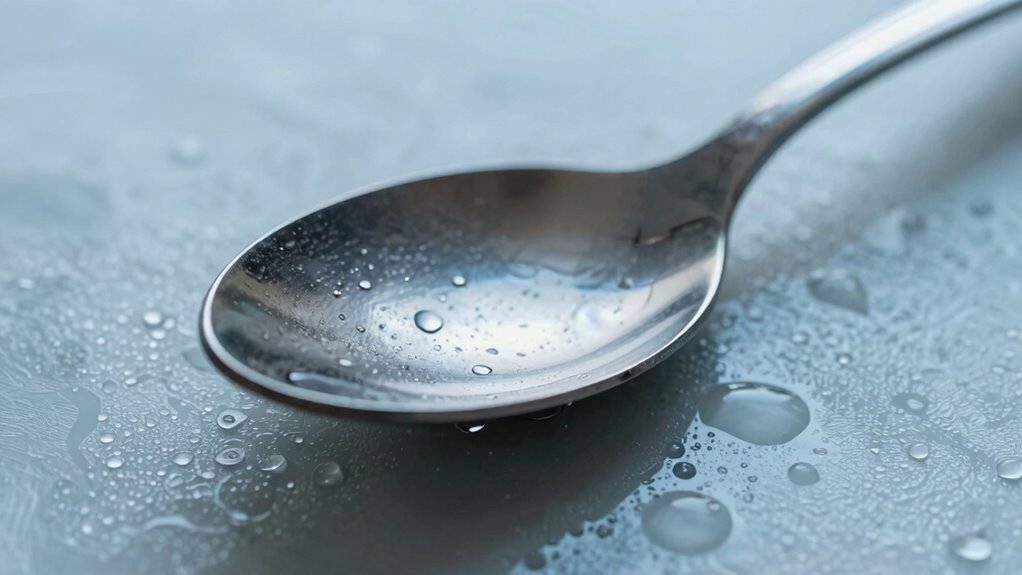

When you touch a cooling material, it feels cold because it quickly transfers heat from your skin due to its high thermal conductivity. But this sensation doesn’t last because once heat flow slows as the material reaches thermal equilibrium, the cool feeling fades. The material’s ability to conduct heat is temporary, not its actual temperature. If you want to understand why this happens and how to make cooling last longer, keep exploring these properties.

Get home appliances delivered free with Prime
- Fast, free delivery on millions of items
- Prime Video, Amazon Music and more included
- Member-only deals all year
Key Takeaways
- The initial cool feeling is due to rapid heat transfer, not the material’s actual low temperature.
- High thermal conductivity materials quickly draw heat away, causing a temporary cooling sensation.
- Once heat flow slows, the material reaches thermal equilibrium, and the cool sensation diminishes.
- Materials with low heat capacity cannot retain coldness, so they warm up quickly and lose their cooling effect.
- The fleeting coolness is linked to heat transfer efficiency, not the material’s long-term temperature.
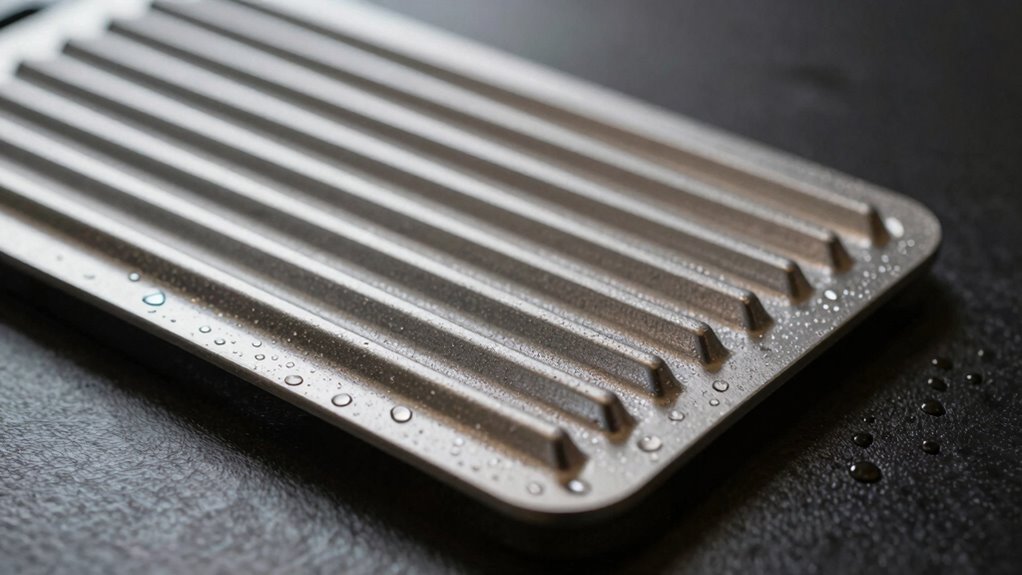
When you touch a cooling material and it feels cold, it’s because heat flows from your skin to the material, not because the material itself is inherently cold. This sensation is all about heat transfer, which depends on the material’s properties and how they interact with your skin. Materials that feel cool typically have high thermal conductivity, meaning they can absorb and conduct heat away from your body quickly. Metals like copper and aluminum are prime examples—they draw heat away fast, making your skin feel chilled almost instantly. But that feeling doesn’t mean the material remains at a low temperature; it just means it’s good at pulling heat from you.
Feeling cold from a material is due to heat transfer, not the material’s inherent temperature.
Many cooling materials are chosen for their specific properties that influence heat transfer. These include thermal conductivity, heat capacity, and surface texture. A material with high thermal conductivity facilitates rapid heat transfer, which creates that cool feeling. Conversely, materials with low thermal conductivity, like plastics or wood, don’t feel as cold because they don’t transfer heat as effectively. That’s why a plastic bottle might feel warm to the touch even if it’s sitting in a cool room—it simply isn’t pulling heat away from your skin as efficiently.
Heat transfer is the key process behind the sensation of coolness, and understanding it can help you choose materials better suited for cooling purposes. However, the sensation of coldness is temporary. Once the heat transfer stops—either because the temperature difference diminishes or because the material reaches thermal equilibrium—the feeling of coldness fades. That’s why a metal spoon left in hot soup feels hot after a while; it quickly reaches the same temperature as the soup, and your hand no longer perceives it as cold. The material properties determine how fast this process happens. For example, a material with a high heat capacity can store more heat, which affects how long it stays cool or warm after initial contact. Understanding heat capacity helps explain why some materials can retain their temperature longer than others.Another factor is that some materials can quickly warm up again once they start absorbing heat, which is why their cooling effect doesn’t last long. You might notice that some cooling materials don’t stay cool for long despite feeling cold initially. This is because they can transfer heat rapidly but also warm up quickly, losing that “cold” sensation. The key is understanding that the initial cool feeling results from the material’s ability to conduct heat away from your skin, not from its actual temperature. Once heat flow slows or stops, your perception shifts. So, while these materials can make you feel cold momentarily, their properties mean they’re not necessarily cooling or maintaining a low temperature over time. Instead, they’re just excellent at facilitating heat transfer, which explains the fleeting nature of that cool feeling.
high thermal conductivity cooling materials
As an affiliate, we earn on qualifying purchases.
As an affiliate, we earn on qualifying purchases.
Frequently Asked Questions
Do Cooling Materials Actually Lower Body Temperature?
Cooling materials can help with temperature regulation, but they don’t directly lower your core body temperature. Instead, they work by drawing heat away from your skin, creating a cooling sensation. Material effectiveness varies; some feel cold initially but lose their chill quickly. So, while they provide temporary relief and comfort, they don’t considerably change your overall body temperature, making them useful for immediate cooling but not for long-term temperature regulation.
Can Cooling Materials Cause Skin Irritation?
Cooling materials can cause skin irritation, especially if you have skin sensitivity, like a flame flickering unexpectedly. You might notice redness, itching, or a burning feeling from chemical irritation, which can be uncomfortable or even painful. Always check the product’s ingredients and test a small patch first. If irritation occurs, discontinue use and consult a dermatologist. Protect your skin and choose materials suited to your sensitivities for a cooler, more comfortable experience.
Are Cooling Materials Safe for Prolonged Use?
Cooling materials are generally safe for prolonged use because they maintain chemical stability over time. When you choose high-quality, reputable products, you reduce the risk of skin irritation or other health issues. Manufacturers often test for long-term safety, ensuring the materials won’t degrade or release harmful substances. Always follow usage instructions, and if you notice any discomfort, discontinue use. Overall, with proper selection and care, cooling materials can be safe for extended wear.
How Do Environmental Factors Affect Cooling Materials?
Think of cooling materials as chameleons, changing their comfort with the environment. High environmental humidity can turn their coolness into a fleeting illusion, making them feel colder but not keeping that chill. Meanwhile, material conductivity acts like a highway for heat—if it’s high, heat rushes in or out quickly, reducing lasting coolness. So, your cooling experience depends heavily on humidity and how well the material conducts heat.
Can Cooling Materials Be Reused or Recycled?
Yes, cooling materials can be reused or recycled. Recycling processes vary depending on the material, but many cooling products are designed for durability, allowing multiple uses. You should check if your cooling material is recyclable and follow proper disposal methods. Some materials, like phase change materials, can be reprocessed to extend their lifespan, promoting sustainability. Proper recycling helps reduce waste and conserves resources, ensuring these materials can serve you longer.
As an affiliate, we earn on qualifying purchases.
Conclusion
So, next time you pick up that cooling towel and feel a chill, remember it’s like grabbing a invigorating splash of water on a hot day—your skin quickly feels relief, but the coolness evaporates fast. These materials might feel cold at first, but their effect doesn’t last forever. Just like a fleeting breeze, their cooling power is temporary. Knowing this helps you stay prepared and avoid disappointment when the coolness fades away faster than expected.
thermal conductivity heat transfer products
As an affiliate, we earn on qualifying purchases.
As an affiliate, we earn on qualifying purchases.
cooling gel mats for hot weather
As an affiliate, we earn on qualifying purchases.
As an affiliate, we earn on qualifying purchases.
Fall yard work Picks
leaf blowers
As an affiliate, we earn on qualifying purchases.