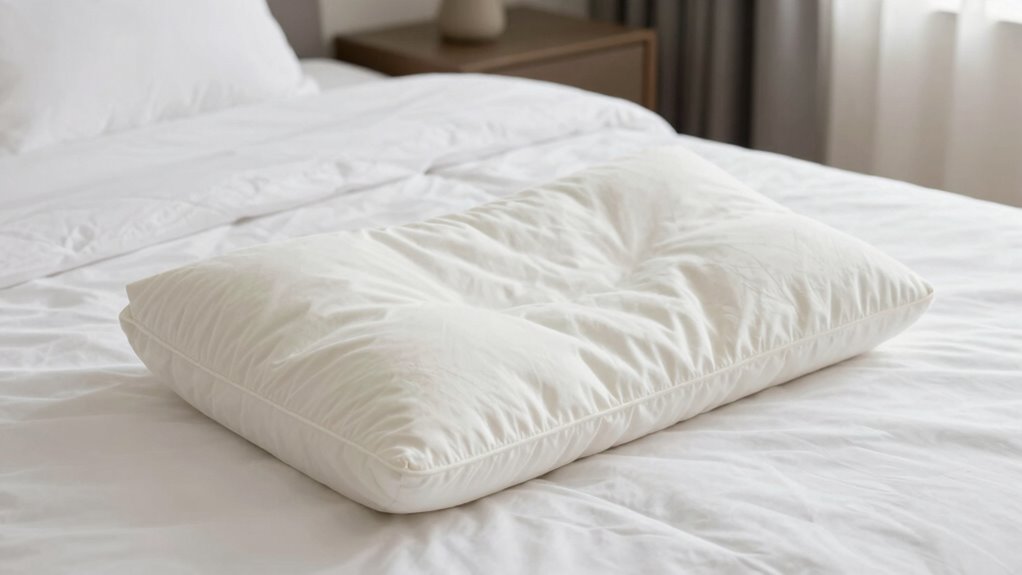

You should prioritize pillow loft over softness because the height and support it provides directly impact your neck and spinal alignment. Softness alone doesn’t guarantee comfort or proper support, which can lead to pain and discomfort. The right loft helps keep your head and neck in a neutral position, preventing strain. Choosing the proper loft based on your sleeping position can make a big difference in your overall sleep quality and health—continue to discover how to get it just right.

Get home appliances delivered free with Prime
- Fast, free delivery on millions of items
- Prime Video, Amazon Music and more included
- Member-only deals all year
Key Takeaways
- Loft determines how well the pillow supports the head, neck, and spine, directly impacting overall comfort and proper alignment.
- Proper loft prevents neck and back pain by maintaining natural spinal curves during sleep.
- Softness alone does not ensure support; adequate loft is essential for a supportive, supportive sleep position.
- Different sleeping positions require specific pillow heights; loft adjustment is key for neutral alignment.
- Choosing the right loft promotes restful sleep and reduces discomfort, regardless of the pillow’s softness.
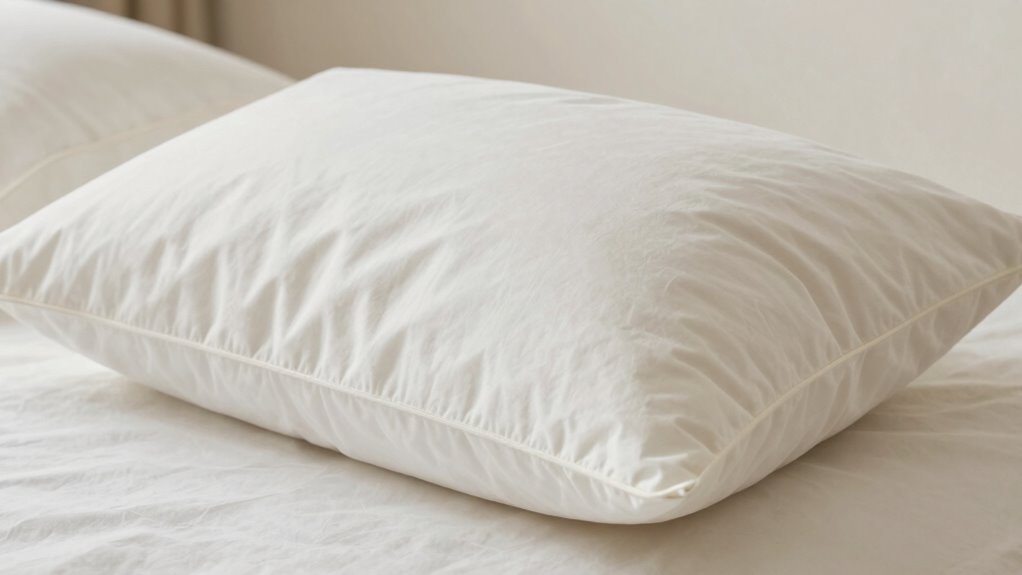
When it comes to choosing the perfect pillow, many people focus on softness, assuming a plush feel guarantees comfort. But softness alone isn’t enough to ensure a good night’s sleep. Instead, pillow loft—the height or thickness of your pillow—plays a more critical role in supporting your head, neck, and spine. The right loft depends largely on your pillow material and sleeping position, both of which influence how well your pillow supports you throughout the night.
Your pillow material determines how well it holds its loft over time and how it responds to your body’s pressure. For example, memory foam tends to maintain its shape and offers consistent loft, making it suitable for those who prefer a firmer, more supportive pillow. Down and feather pillows are softer and moldable but often have a lower loft that might flatten quickly, especially if you tend to toss and turn. Latex pillows provide a balance, offering resilient support with a loft that stays stable, which is ideal for people who need a firm yet responsive pillow. When choosing your pillow material, think about how the loft will support your sleeping position and whether the pillow maintains its height under your head’s weight. Additionally, understanding the pillow material can help you select a product that offers lasting support.
Pillow material impacts loft retention and support, crucial for comfort based on sleeping position and body pressure.
Your sleeping position significantly influences the ideal pillow loft. If you sleep on your back, you need a pillow with medium loft to cradle your head comfortably without pushing your chin forward or letting your head sink too deeply. For side sleepers, a thicker pillow is necessary to fill the gap between your shoulder and head, keeping your neck aligned with your spine. Stomach sleepers typically prefer a low-loft pillow or no pillow at all, since a high loft can strain the neck and cause discomfort. When selecting a pillow, consider your typical sleeping position first. This will help you determine the right loft that keeps your neck and spine in a neutral, healthy alignment. Additionally, understanding the importance of sleep position can further optimize your comfort and spinal health.
In essence, focusing on pillow loft rather than just softness ensures you get proper support and prevent neck or back pain. The right loft, matched with suitable pillow material and your sleeping position, makes all the difference in achieving restful, pain-free sleep. Softness might be tempting, but it’s the loft that truly determines whether your pillow offers the support your body needs. So, next time you shop for a pillow, prioritize loft and material compatibility with your sleep style over just how plush it feels. That way, you’ll wake up feeling refreshed and ready to face the day.
memory foam pillow with adjustable loft
As an affiliate, we earn on qualifying purchases.
As an affiliate, we earn on qualifying purchases.
Frequently Asked Questions
How Do I Measure the Ideal Pillow Loft for My Sleeping Position?
To measure your ideal pillow loft, consider your sleep posture: side sleepers need a higher loft to keep your neck aligned, while back sleepers prefer a medium loft for proper support. Test different pillow firmness levels and observe how your neck and shoulders feel. The right loft should keep your head level with your spine, reducing strain and ensuring restful sleep. Adjust until you find the perfect balance for your comfort and support.
Can Pillow Loft Affect Spinal Alignment During Sleep?
Pillow loft can greatly influence spinal alignment by affecting your neck support and sleep posture. When the loft is too high or low, it strains your neck muscles and misaligns your spine. Proper loft guarantees your neck stays aligned with your spine, reducing discomfort and promoting healthier sleep. Proper neck support helps maintain ideal sleep posture, which is essential for preventing pain and ensuring restorative sleep throughout the night.
Is Higher Loft Always Better for Side Sleepers?
A higher loft isn’t always better for side sleepers; it depends on your shoulder width and comfort preference. You want a pillow that keeps your head and neck aligned without sacrificing pillow aesthetics or feeling too firm. Decorative pillows often have varied lofts, but for sleeping, choose one that supports your spinal curve. The right loft enhances sleep quality and minimizes neck strain, regardless of pillow softness or aesthetics.
How Does Pillow Loft Influence Allergy Prevention?
Ironically, a loftier pillow acts like a fortress against allergens. You might think the fluff traps dust mites, but a higher loft actually creates a better allergen barrier and reduces dust mite accumulation. With proper loft, your pillow prevents allergens from penetrating deeply, helping you breathe easier. So, choosing a pillow with the right loft isn’t just about comfort—it’s about actively reducing dust mite exposure and promoting allergy prevention.
Can Pillow Loft Change Over Time With Use?
Yes, your pillow loft can change over time with use. Pillow material, especially foam or down, can compress or lose its height, affecting support. Regular use and washing impact loft durability, causing the pillow to flatten or become uneven. To maintain ideal loft, choose high-quality materials designed for durability, and consider replacing your pillow when it no longer offers proper support. Proper care helps preserve its loft and prolongs comfort.
side sleeper pillow with medium loft
As an affiliate, we earn on qualifying purchases.
As an affiliate, we earn on qualifying purchases.
Conclusion
Choosing the right pillow loft is like finding the perfect stage for your head’s performance—support sets the scene, while softness is just the curtain. When your pillow’s height matches your sleep position, you’ll wake up feeling refreshed, not sore. Remember, a pillow with the right loft cradles your neck and spine, making comfort your loyal teammate. Don’t settle for just plush; prioritize loft to guarantee every night’s rest hits the high note.
neck support pillow for proper spinal alignment
As an affiliate, we earn on qualifying purchases.
As an affiliate, we earn on qualifying purchases.
As an affiliate, we earn on qualifying purchases.
Fall yard work Picks
leaf blowers
As an affiliate, we earn on qualifying purchases.