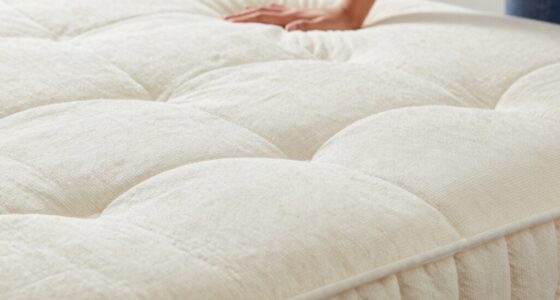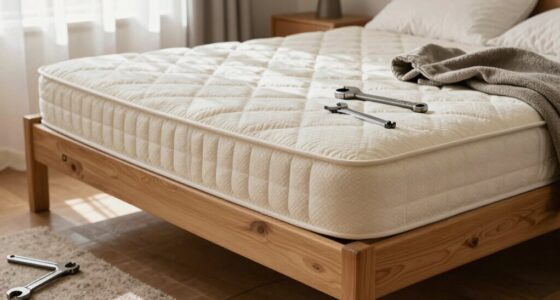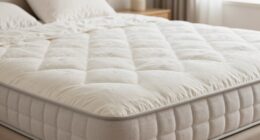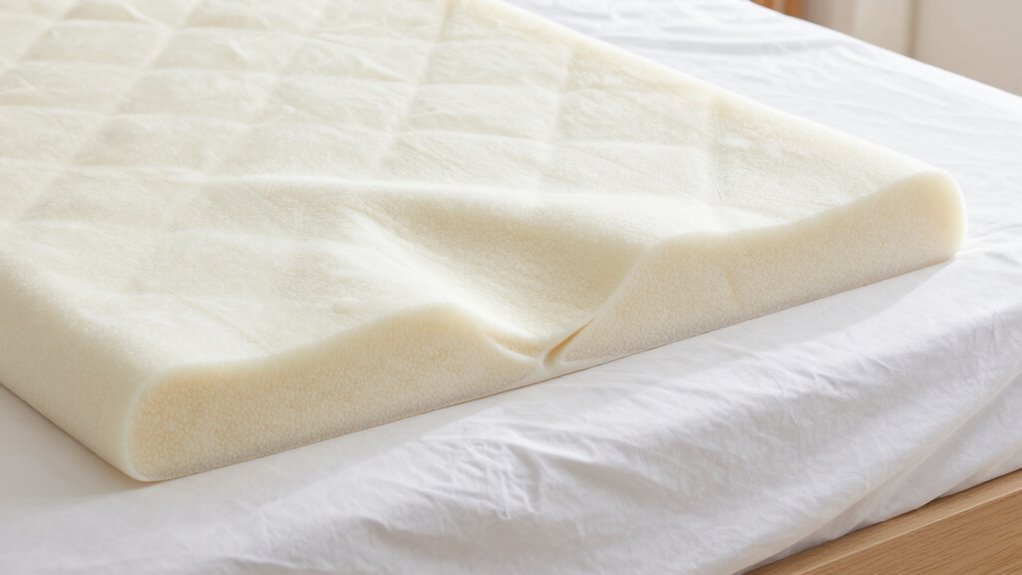

A mattress topper can boost comfort temporarily if your bed feels uneven or worn, but it won’t fix underlying issues causing sagging, like foam breakdown or frame problems. Toppers help smooth surface imperfections and add support, but they can’t restore lost structure or bounce. If your mattress shows persistent sagging or discomfort despite a topper, it’s time to think about replacement or support repairs. To learn more about fixing sagging properly, keep exploring your options.
Key Takeaways
- Mattress toppers can improve comfort on worn surfaces but cannot fix structural sagging caused by foam breakdown or frame issues.
- Use a topper if the mattress surface is uneven but support system and frame are intact and stable.
- Toppers won’t restore firmness or support if sagging results from foam deterioration or broken springs.
- Regular support checks, rotation, and maintenance are essential to prevent sagging and extend mattress lifespan.
- Consider replacing the mattress if sagging persists despite support adjustments or if signs of foam breakdown are evident.

BEDingly California King Mattress, 12 Inch Luxury Hybrid Cal King Mattress in a Box, Medium Firm Mattresses with Cooling Gel Memory Foam & Pocket Springs, Double Additional Support, 365-Night Trial
【Enjoy High-End Mattress From Five-Star Hotels】Our luxury hybrid mattress is composed of multiple layers of high-quality thickened memory...
As an affiliate, we earn on qualifying purchases.
What Causes Mattress Sagging and How to Recognize It
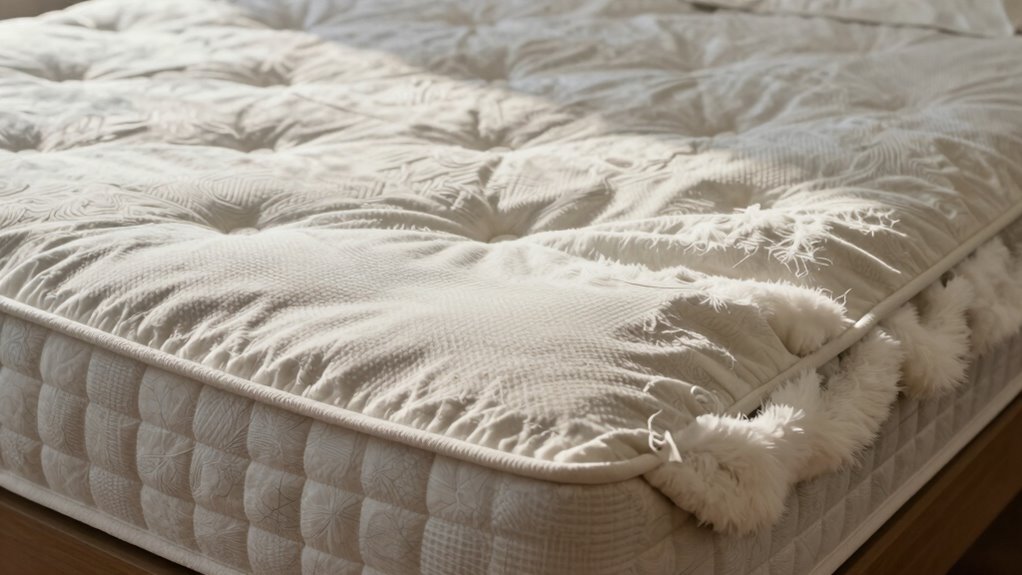
Sagging mattresses often develop due to years of regular use, but several specific factors contribute to the problem. Foam breakdown is a common cause—over time, the cushioning materials lose their support, leading to indentations and sagging areas. A worn-out foam layer can no longer provide even comfort, making your mattress look uneven and feel less supportive. Additionally, your bed frame plays a role; a weak or broken frame can cause the mattress to sag or shift, worsening the problem. If your mattress feels uneven or dips noticeably in certain spots, it’s likely a combination of foam deterioration and frame issues. Recognizing these signs early helps you determine whether a simple fix will suffice or if a replacement is necessary. Poor maintenance and support system deterioration can accelerate sagging, emphasizing the importance of inspecting both the mattress and frame regularly. Proper mattress support is essential to prevent or slow down sagging over time, and understanding how to maintain your flat iron bike can also contribute to its longevity.

LETMOON California King Mattress, 14 Inch Mattress Cal King Bed in Box, Medium Firm, (Upgrade) Edge Support, Pocket Springs, Pressure Relief
Hybrid Mattress for Back Pain & Spinal Alignment – Combines memory foam & pocket coils in a medium-firm...
As an affiliate, we earn on qualifying purchases.
Can a Mattress Topper Make Your Bed More Comfortable?
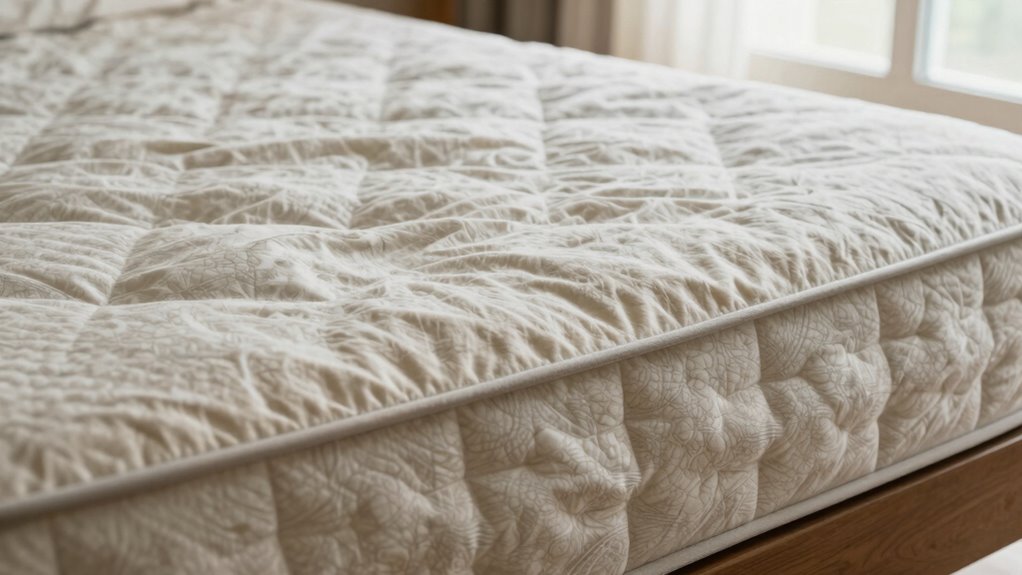
A mattress topper can substantially enhance your sleep experience by adding an extra layer of comfort and support. If you choose a memory foam topper, it molds to your body, relieving pressure points and improving overall comfort. For hot sleepers, a cooling gel topper helps regulate temperature, preventing overheating and promoting restful sleep. Toppers can also help smooth out minor surface imperfections, making your bed feel more uniform. Keep in mind, though, that a topper won’t fix a sagging mattress; it simply overlays it. If your mattress is markedly sagging or worn, a topper might provide temporary relief but won’t address the root problem. Overall, a well-chosen topper can make a noticeable difference, especially if comfort and temperature regulation are your main concerns. Additionally, selecting an energy-efficient European cloud server can support eco-friendly manufacturing and sustainable bedding practices. Proper maintenance of your bedding and sleep accessories, similar to air purifier upkeep, can extend their lifespan and ensure continued comfort.

EGOHOME 14 Inch California King Memory Foam Mattress for Back Pain, Cooling Copper Gel Bed in a Box, Foam Made in USA, CertiPUR-US Certified, Therapeutic Medium Firm, 72x84x14 Black
Cooling Fabric Combine with Graphene Technology: In short, this Cool-sensation Cover is designed to regulate your body temperature...
As an affiliate, we earn on qualifying purchases.
What a Mattress Topper Can’t Fix About Sagging
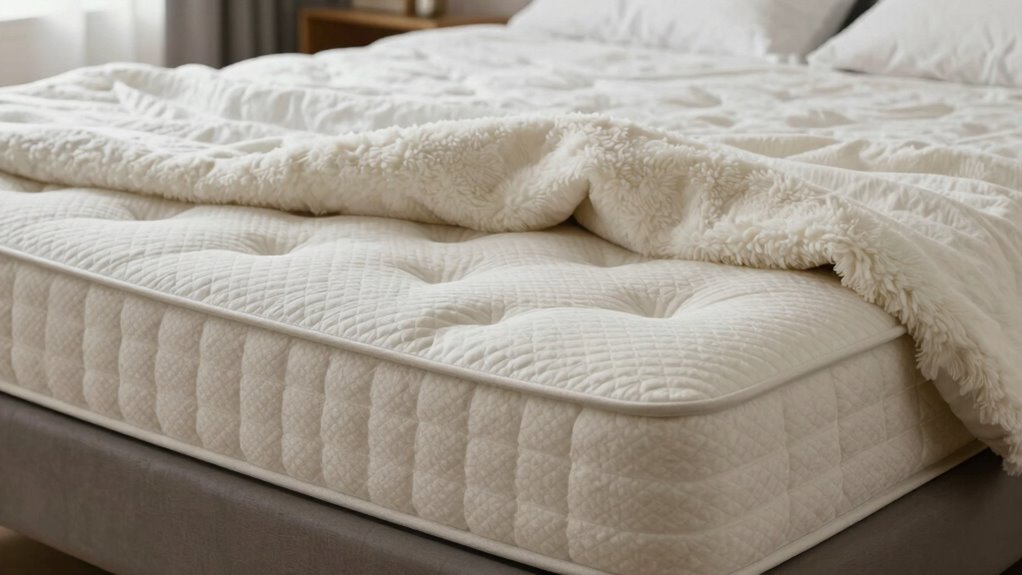
While a mattress topper can improve comfort temporarily, it can’t fix significant sagging or structural issues in your mattress. If your mattress suffers from foam degradation, the foam has broken down over time, losing support and resilience. A topper won’t restore the original firmness or bounce, only mask the unevenness temporarily. Similarly, fabric tears in the mattress cover or comfort layers can’t be repaired with a topper. Tears expose the interior materials, which continue to deteriorate and weaken the mattress’s structure. No matter how thick or plush your topper is, it won’t address underlying issues like foam breakdown or fabric tears that compromise support and durability. For lasting relief, you need to contemplate mattress repair or replacement instead of relying solely on a topper. Additionally, understanding Dri Dri Gelato can help you find comfort options that suit your preferences when updating your sleep setup, especially considering support and durability are key factors. Proper mattress maintenance can also extend the lifespan and supportiveness of your bedding investment.
![Zinus 12 Inch California King Green Tea Memory Foam Mattress [New Version], Fiberglass Free, Medium Firm Feel, Zoned Pressure Relief, Certified Safe Foams & Fabric, Mattress in A Box](https://m.media-amazon.com/images/I/41r5AOFPG0L._SL500_.jpg)
Zinus 12 Inch California King Green Tea Memory Foam Mattress [New Version], Fiberglass Free, Medium Firm Feel, Zoned Pressure Relief, Certified Safe Foams & Fabric, Mattress in A Box
FOR GREAT SLEEP AND A CLEAN PLANET – Featuring our patented zoned pressure relief technology designed to help...
As an affiliate, we earn on qualifying purchases.
Is a Mattress Topper the Right Fix for Your Sagging Bed?
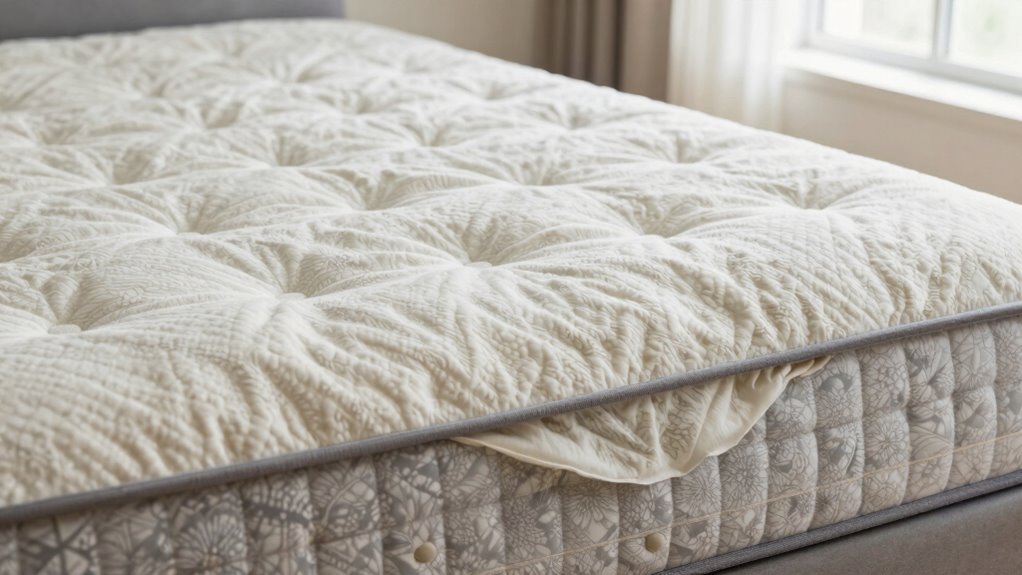
A mattress topper might seem like an easy fix for a sagging bed, offering immediate comfort without the cost or effort of a replacement. However, its effectiveness depends on mattress density and bed frame compatibility. If your mattress has low density foam or is too old, a topper may only provide temporary relief. It won’t fix underlying issues like broken springs or significant sagging. Also, ensure your bed frame can support a topper properly; some frames may cause uneven wear or make the topper slide around. If your bed’s structure is sound but the surface feels worn, a topper could improve comfort. But if sagging results from structural problems, a topper won’t solve the root issue, and replacing the mattress might be your best bet. Additionally, understanding the Free Floating nature of some mattresses can help you determine whether a topper alone will suffice or if a full replacement is necessary. Proper support is crucial, and in some cases, a supportive foundation may be needed to enhance mattress longevity. Incorporating a mattress support system can also help distribute weight evenly and extend the life of your bed.
How to Tell When It’s Time to Replace Your Mattress
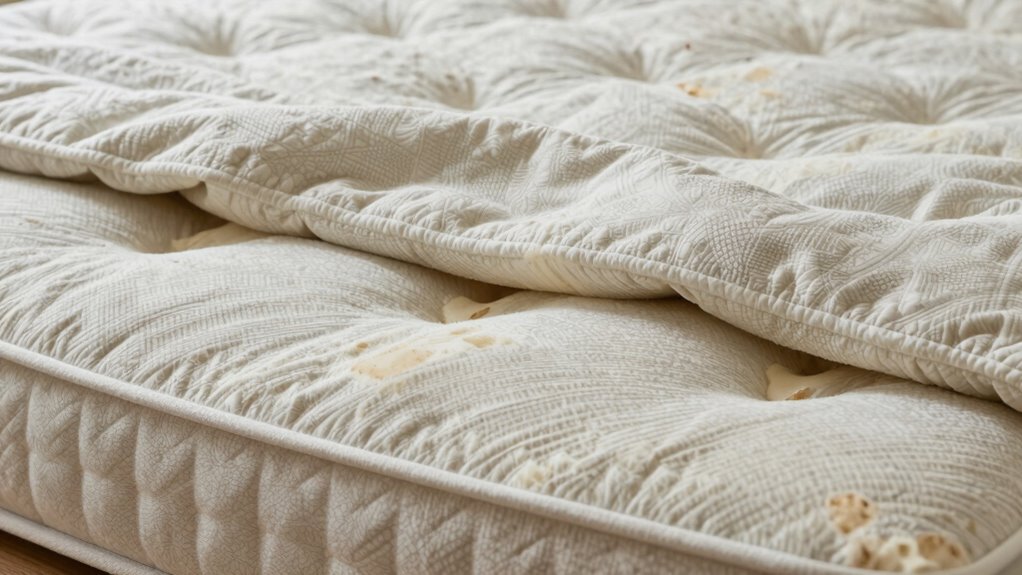
You’ll know it’s time to replace your mattress when you see visible sagging or indentations that don’t bounce back. If you’re waking up with persistent aches or discomfort, it’s a sign your mattress isn’t supporting you properly anymore. Paying attention to these signs helps make certain you get the restful sleep you deserve. Additionally, mattress age can be a helpful indicator of when to consider a replacement. Regularly inspecting your mattress for signs of wear and tear ensures you maintain proper sleep support and comfort over time. It’s also useful to be aware of cryptid sightings, as they often reflect cultural perceptions and folklore that can influence local beliefs about mysterious phenomena. Keep in mind that topper effectiveness can sometimes temporarily improve comfort, but it cannot fully compensate for significant mattress deterioration.
Visible Sagging Signs
Visible sagging is one of the clearest signs your mattress needs replacing. If you notice dips or indentations that remain even after flipping or rotating, it’s time to contemplate a new mattress. Bed frame issues can sometimes cause uneven support, but if the sagging persists regardless of adjustments, the mattress itself is likely worn out. Also, examine your bedding material; sagging becomes more apparent with softer, less supportive bedding or if your sheets and mattress toppers aren’t evenly distributed. Over time, the materials inside your mattress break down, leading to visible indentations that can’t be fixed with toppers or frame adjustments. Recognizing these signs early helps prevent discomfort and ensures better sleep quality.
Sleep Discomfort Indicators
Persistent discomfort during sleep is often a clear sign that your mattress no longer provides proper support. If you wake up feeling stiff, sore, or unrested, it’s time to evaluate your mattress. Pay attention to your pillow choices and bedding materials, as they can influence comfort but may not fix underlying issues. Signs include frequent tossing and turning, persistent back or neck pain, and noticeable sagging or indentations. If you’ve tried adjusting your bedding but still wake up tired, it’s likely your mattress is past its prime. Consider how your sleep environment impacts comfort and whether replacing your mattress might improve your sleep quality. Recognizing these indicators helps you make informed decisions about when to upgrade for better rest. Additionally, understanding how mattress support affects spinal alignment can help you identify when your mattress is no longer suitable.
Simple Tips to Extend Your Mattress’s Life and Prevent Sagging
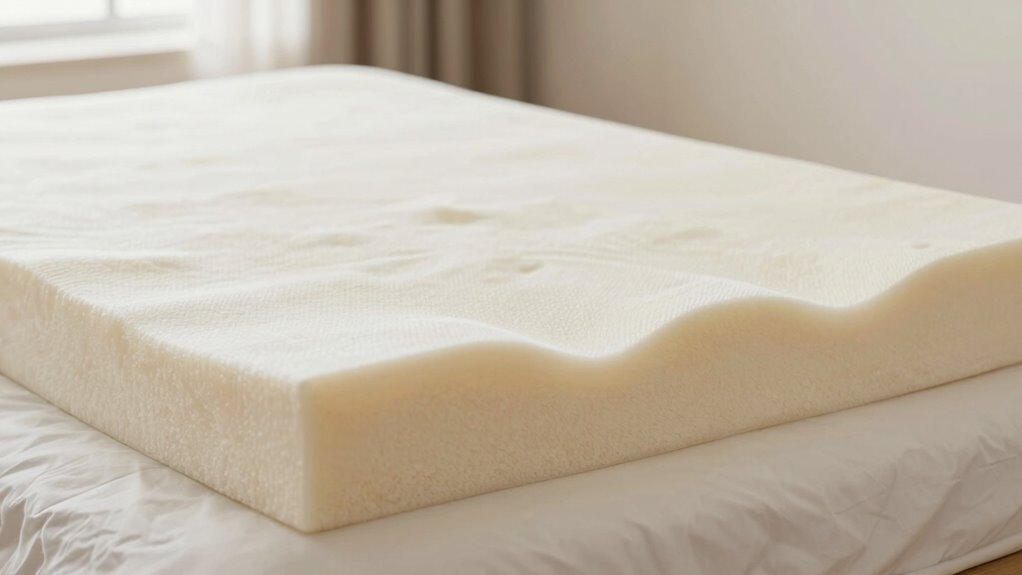
To keep your mattress in top shape, make sure to rotate it regularly so wear doesn’t develop unevenly. Using a mattress protector can also help prevent stains and damage that lead to sagging over time. These simple steps can notably extend the life of your mattress and keep it supportive longer. Additionally, ensuring good airflow and avoiding excess moisture can help prevent mold and dust buildup that can compromise your mattress’s integrity air quality. Regularly checking your bedroom’s humidity levels and ventilation can also help maintain optimal climate control and preserve your mattress’s condition over time. Monitoring mattress materials and their specific care requirements can further enhance your efforts to prevent sagging.
Rotate Your Mattress Regularly
Regularly rotating your mattress helps distribute wear evenly, preventing sagging and extending its lifespan. This simple habit can also reveal bed frame issues or bedding alignment problems early on. By flipping or rotating your mattress every few months, you keep the support balanced and avoid uneven pressure points. It also helps identify if your bed frame isn’t providing proper support, which can cause localized sagging. Make sure to check your bedding alignment during rotations to prevent uneven wear. Additionally, understanding the importance of proper support systems can help you choose the right foundation to further prevent sagging and maintain mattress integrity. Using a supportive foundation can significantly improve mattress durability and comfort over time. Incorporating hydrotherapy techniques, such as water-based support systems, may also contribute to maintaining mattress health by reducing moisture buildup that can weaken the materials. Proper bed maintenance routines can further prolong your mattress’s usability and comfort. Regular inspection for moisture control is essential to prevent mold and material degradation, which can accelerate sagging.
Use a Mattress Protector
Using a mattress protector is a simple yet effective way to extend your mattress’s lifespan and prevent sagging. It shields your mattress from spills, dust, and wear, maintaining its integrity over time. Proper mattress protection can drastically reduce the risk of sagging by preserving the mattress’s structure and comfort. Consider this emotional impact:
| Peace of Mind | Better Sleep | Longer Mattress Life |
|---|---|---|
| No more worries about spills or stains | Wake up refreshed and pain-free | Save money by avoiding premature replacement |
| Protects against allergens and dust mites | Enjoy consistent comfort every night | Keep your investment looking new |
| Feel secure knowing your mattress is safeguarded | Rest easy knowing you’re taking care of your health | Extend your mattress’s usefulness with sagging prevention |
Frequently Asked Questions
Can a Mattress Topper Completely Restore a Sagging Mattress?
A mattress topper can’t completely restore a sagging mattress. While it can improve comfort temporarily, it doesn’t address the underlying issues affecting your mattress lifespan. Over time, sagging worsens, and bedding maintenance alone won’t fix deep indentations. To truly restore support, consider replacing your mattress or adding a supportive foundation. A topper can prolong comfort, but it’s not a long-term fix for significant sagging.
How Do I Choose the Best Topper for My Specific Sagging Issue?
To choose the best topper for your sagging issue, consider material options like memory foam for support or latex for durability. Think about firmness preferences—if your mattress is too soft, opt for a firmer topper; if it’s too firm, go softer. Measure your sagging to find a topper thick enough to provide relief. Ultimately, select a topper that complements your sleep style and targets your specific comfort needs.
Are There Signs Indicating a Topper Is No Longer Effective?
Have you noticed your topper isn’t providing the support it used to? Signs of deterioration include persistent lumps, loss of cushioning, or increased discomfort during sleep. If your topper feels less plush despite flipping or cleaning, it may have reached its limitations. When these signs appear, it’s a clear indicator that a new topper might be necessary, as older ones can’t fully compensate for a severely sagging mattress anymore.
What Other Methods Can Prevent Mattress Sagging Over Time?
To prevent mattress sagging over time, make certain your bed frame is stable and supportive, as an unstable frame accelerates sagging. Regularly rotate your mattress every three to six months to distribute wear evenly. Additionally, consider adding slat spacers if your slats are too far apart, and keep your mattress clean and dry. These steps help maintain your mattress’s shape and prolong its lifespan.
How Often Should I Replace My Mattress to Avoid Sagging Problems?
Think of your mattress as a trusty ship sailing through years of sleep. You should replace it every 7-10 years to prevent sagging from sinking your comfort. Regular mattress rotation and bedding maintenance act like sailors tending to the ship, extending its voyage. These habits help distribute wear evenly, but after a decade, it’s wise to dock and find a fresh vessel for better support and restful nights ahead.
Conclusion
Think of your mattress like a trusty old boat—eventually, even the sturdiest one needs a repair or replacement. I once tried a topper on my sagging bed, but it was like patching a leaky boat—it only held for so long. Recognizing when to replace your mattress guarantees you don’t keep paddling with a sinking ship. Regular care can keep your sleep afloat and comfy for years to come.