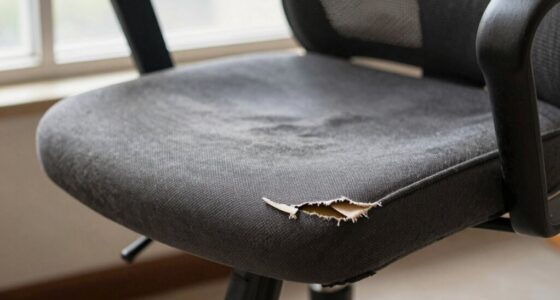

If your mattress feels too soft, start by checking its age and signs of wear like sagging, lumps, or stains. Confirm the support system and bed frame are in good condition, providing proper foundation. Consider your sleeping position and body weight, as they influence comfort. Quick fixes like adding a firm topper or rotating your mattress might help. For more tips on troubleshooting your soft mattress, there’s more to explore below.
Key Takeaways
- Assess mattress age and visible signs of wear, such as sagging, indentations, or damage, to determine if replacement is needed.
- Check the support system and bed frame for stability, broken slats, or improper support that may cause softness.
- Consider your sleeping position and weight to select a firmer mattress or add a supportive topper.
- Try quick fixes like rotating the mattress, adding a firm topper, or adjusting pillows to improve support.
- Replace the mattress if persistent sagging, discomfort, or pain occurs despite troubleshooting efforts.

PERLECARE Dual Firmness Mattress Topper Queen, 3 Inch Firm Bed Topper with Split Soft & Firm Zones, Supportive Mattress Pad for Back Pain, Non-Slip & Removable, Made with CertiPUR-US® Certified Foam
Innovative Split-Firm Mattress Topper: This medium firm mattress topper queen is split into two zones for couples who…
As an affiliate, we earn on qualifying purchases.
As an affiliate, we earn on qualifying purchases.
How Old Is Your Mattress and How Do You Use It?
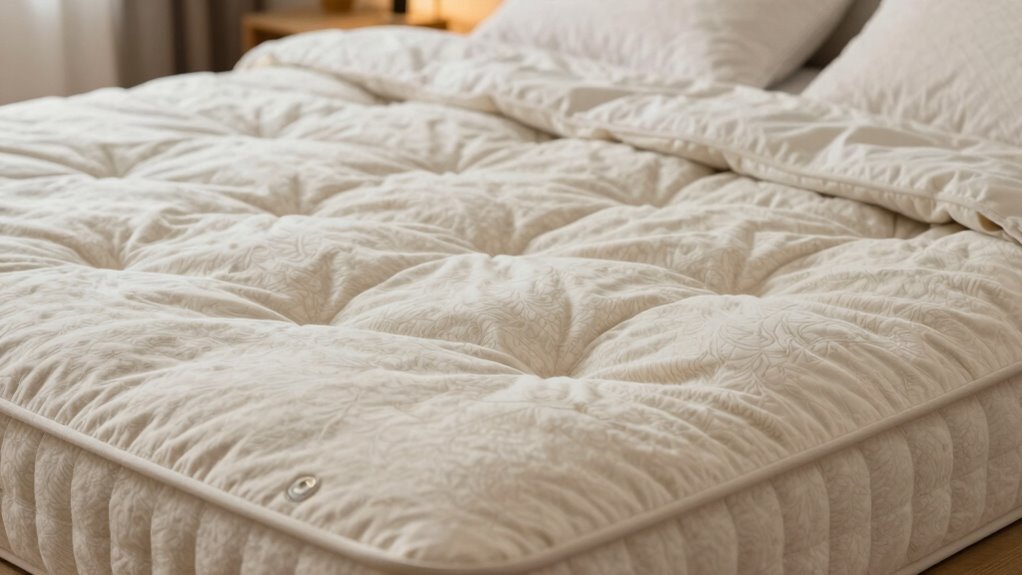
Knowing how old your mattress is and how you use it can help determine if it’s contributing to your discomfort. Mattress age plays a big role in comfort; most mattresses last around 7 to 10 years before they start to deteriorate. If your mattress is nearing or past that age, it might be losing support and softness, making it feel too soft or unsupportive. Your usage patterns also matter—if you tend to sleep in the same spot every night or jump into bed after a long day, those habits can cause uneven wear. Heavy usage accelerates mattress breakdown, especially in the areas where you rest most often. Understanding these factors helps you decide whether it’s time for a replacement or if other adjustments might improve your sleep. Additionally, wear and tear from regular use can significantly impact mattress performance over time.

Realhotan Bed Slats Center Support System – 4 Cross Rails and 8 Adjustable Legs,Replacement Support Legs for Full,Queen and King,California King Metal/Wood/Upholstered Bed
【UNIVERSAL FIT】Bed frame Center support system is suitable for FULL,Queen, King and California King size Beds;All-steel cross rails…
As an affiliate, we earn on qualifying purchases.
As an affiliate, we earn on qualifying purchases.
Is Your Mattress Showing Signs of Wear or Damage?
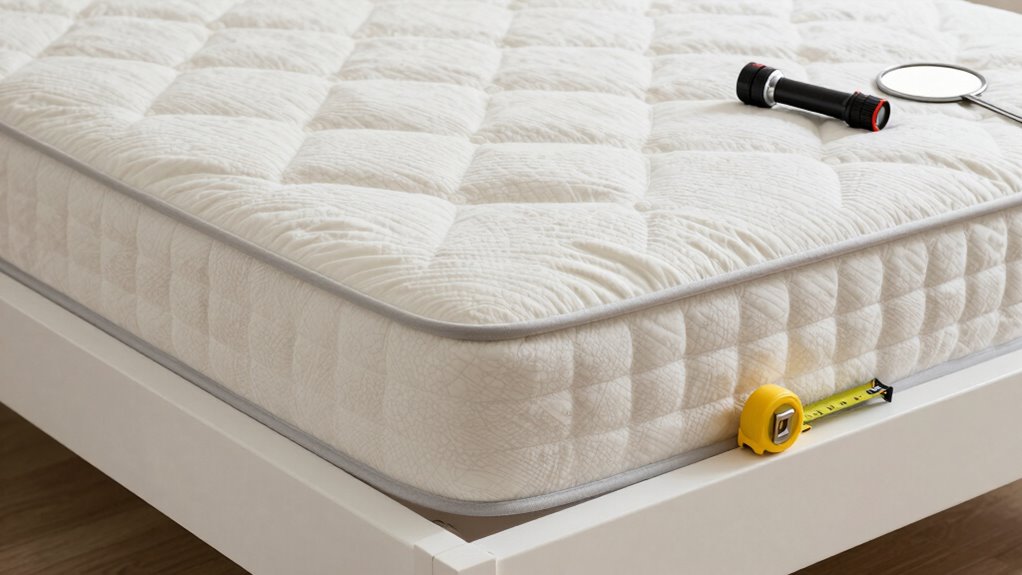
Check your mattress for visible wear and tear, like tears or sagging spots. Feel for lumps or indentations that indicate uneven support. Unusual odors can also signal mold or bacteria, affecting your sleep quality. Additionally, inspecting the support system ensures your mattress maintains proper alignment and comfort.
Visible Wear and Tear
Over time, your mattress can develop visible signs of wear and tear that signal it’s time for a replacement. You might notice sagging, tears, or stains that detract from your bedroom aesthetics. These issues often stem from the mattress material breaking down, especially in areas with frequent use. Worn-out fabric or foam can make your bed look old and uninviting, affecting the overall look of your space. If you spot frayed edges, holes, or discoloration, it’s a clear sign that your mattress has reached its lifespan. These visible damages not only impact your bedroom’s appearance but can also compromise comfort and support. Addressing these signs early helps maintain a cozy, inviting sleep environment and ensures you get the rest you need. Additionally, understanding Free Floating concepts can help you better assess when it’s time to upgrade your mattress for optimal comfort.
Sagging or Lumps
Sagging or lumps in your mattress are clear signs that it’s wearing out and no longer provides proper support. If you notice bed sagging, it might feel uneven or softer in certain areas, indicating the mattress has lost its structural integrity. Lump formation is another telltale sign, often caused by broken or shifted springs, or compressed padding. These issues can lead to discomfort and poor sleep quality. Over time, continuous use causes the materials to weaken, resulting in visible sagging or lumps. If your mattress shows these signs, it’s time to think about a replacement or a repair. Addressing bed sagging early can prevent further damage and ensure you get restful, supportive sleep night after night. Incorporating supportive sleep technology into your routine can also help improve comfort and prolong the life of your mattress.
Unusual Odors
Unusual odors emanating from your mattress can be a sign that it’s wearing out or has developed damage. Persistent smells, such as mustiness or sourness, often indicate the presence of mold, mildew, or accumulated bacteria. To address this, start with thorough mattress cleaning to eliminate odor-causing bacteria and dirt. Odor removal techniques like baking soda sprinkling or specialized sprays can help absorb and neutralize unpleasant smells. If the odor persists despite cleaning, it may signal deeper damage or mold growth that requires professional inspection or mattress replacement. Ignoring these signs can impact your sleep quality and health. Regular cleaning and prompt odor removal are essential to prolong your mattress’s lifespan and maintain a fresh sleeping environment. Additionally, understanding air quality factors in your environment can help prevent the buildup of odors and improve overall sleep hygiene.

BedStory Queen Size Mattress 14 Inch – Extra Firm Hybrid Mattress with Back Pain Relief, Orthopedic Spine Alignment and Motion Isolation – Pocket Springs, 365 Nights Trial, CertiPUR-US Certified
14 Inch Queen Mattress Extra Firm / Hybrid Mattress in a Box Queen Size
As an affiliate, we earn on qualifying purchases.
As an affiliate, we earn on qualifying purchases.
Is Your Bed’s Support System Holding Up?

To guarantee your bed provides proper support, start by checking the support core for any signs of damage or sagging. Next, make sure your bed frame is stable and doesn’t wobble or creak. Finally, evaluate your mattress foundation to confirm it’s even and solid, giving your mattress the support it needs. Additionally, consider the field-of-view of your mattress setup to ensure proper alignment and support distribution.
Check Support Core Integrity
Even if your mattress feels soft, ensuring the support core is still providing adequate support is vital. The support layer, often made of foam with specific density, maintains the mattress’s firmness and durability. Over time, foam density can decrease, causing the support core to weaken. To check its integrity, gently press down on different areas of the mattress. If the foam compresses easily and doesn’t spring back, it’s a sign the support layer may be compromised. Additionally, foam density can diminish with age, further impacting support quality. Visualize the support core like this:
| Support Layer Condition | Feel & Response |
|---|---|
| Good Foam Density | Firm, springs back quickly |
| Worn Foam Density | Soft, slow to recover |
| Degraded Support Layer | Sagging, no rebound |
This helps you gauge whether your core still supports you effectively.
Assess Bed Frame Stability
Your bed frame plays a crucial role in supporting your mattress, so it’s important to guarantee it’s stable and in good condition. Check the bed frame stability by inspecting for wobbling or creaking. Ensure all bolts and screws are tight, and look for any broken or warped slats. A shaky or uneven frame can compromise mattress support, causing soft spots or sagging. If the frame isn’t sturdy, consider replacing or reinforcing it before addressing the mattress itself. Remember, a solid foundation is key to proper support and comfort. Without a stable bed frame, even a good mattress can feel too soft or unsupportive. Regularly verifying your bed’s support system helps prevent issues and extends its lifespan. Additionally, inspecting the support network for support structures ensures the entire system works cohesively to provide optimal comfort.
Evaluate Mattress Foundation
A sturdy mattress foundation is essential for proper support and comfort. If your mattress feels too soft, it’s time to evaluate your bed’s support system. Check your bed frame for stability, ensuring all parts are secure and level. Inspect the mattress support, like slats or a box spring, for damage or sagging. Weak or broken supports can lead to uneven weight distribution, causing your mattress to feel too soft. Consider these key points:
- Confirm the bed frame is properly assembled and sturdy
- Ensure slats or support beams are intact and evenly spaced
- Replace broken or sagging box springs or foundation components
- Add extra support for weak areas, like plywood under the mattress
- Verify the mattress sits evenly on the foundation
- Remember that European cloud servers prioritize reliability and energy efficiency, which can serve as a reminder to ensure your mattress foundation is equally dependable for your sleep quality.
A solid foundation improves mattress support and comfort.

TANYOO Sagging Mattress Support Fix Sinking Beds High Density Foam Insert Pad for Sagging Bed Repair and Extends Life 47 x 25 x 2 Inches Pack of 1
Fix Sagging Mattress:Effectively repair your sagging mattress with our sagging mattress support in minutes. Save money and extend…
As an affiliate, we earn on qualifying purchases.
As an affiliate, we earn on qualifying purchases.
How Firm Is Your Mattress, and Is It the Right Level for You?
How firm your mattress feels can considerably impact your sleep quality and comfort. Your firmness level should match your comfort preference and sleeping position. If you prefer sinking in, a softer mattress might feel best, but if you like more support, a firmer surface is preferable. Test your mattress by lying on your side, back, and stomach to see how it responds. If it’s too soft or too firm for your needs, it can cause discomfort or disrupt sleep. Remember, the right firmness level supports your spine and relieves pressure points. Adjustments, such as adding a topper or choosing a different mattress, may be necessary to find that ideal balance for restful sleep and overall comfort. Understanding mattress firmness can help you make better choices for your sleep health.
Could Your Bed Frame Be Making Your Mattress Feel Too Soft?

The foundation of a comfortable sleep setup isn’t just about the mattress itself; the bed frame plays a significant role in how supportive and firm your mattress feels. Bed frame issues can cause your mattress to sag or feel softer than intended, especially if it lacks proper support. A weak or incompatible frame may not hold your mattress material properly, leading to uneven support and a plush sensation. Check for worn-out slats, broken supports, or improper spacing that could compromise firmness. Upgrading to a sturdier frame or adding center support can improve firmness. Consider these factors:
- Frame material quality
- Slat spacing and support
- Frame sturdiness
- Compatibility with mattress type
- Presence of broken or damaged parts
Do Your Sleeping Position and Body Weight Affect Comfort?

Your sleeping position and body weight directly influence how your mattress feels and supports you. Your sleep posture determines which parts of your body bear the most pressure. For example, side sleepers often need softer mattresses to cushion shoulders and hips, while back sleepers may prefer firmer support. Body weight also plays a significant role; heavier individuals exert more force, which can cause a mattress to feel softer or sag over time. Conversely, lighter sleepers might find a mattress too firm if it doesn’t respond well to their weight. Understanding your sleep posture and body weight helps identify whether a mattress is too soft for your needs or if adjustments are necessary. Proper support depends on aligning these factors with the right mattress firmness.
What Quick Fixes Can You Try Before Replacing Your Mattress?

Before considering a costly mattress replacement, try some simple adjustments to improve comfort. Performing basic mattress maintenance and quick fixes can often enhance how your mattress feels. For example, you might:
- Add a firm mattress topper for extra support
- Rotate or flip your mattress to distribute wear evenly
- Use a supportive pillow to improve spinal alignment
- Ensure your bed frame provides proper support
- Keep your mattress clean and free of dust and allergens
These quick fixes can help restore some firmness and prolong your mattress’s lifespan. They’re cost-effective and simple to implement, often resolving issues caused by soft spots or uneven surfaces. Remember, routine mattress maintenance can make a significant difference before deciding on a replacement.
How Do You Know When It’s Time to Get a New Mattress?

Even after trying simple fixes like adding a firm topper or rotating your mattress, there comes a point when comfort diminishes despite these efforts. You might notice persistent aches, sagging, or reduced support, signaling it’s time for a new mattress. Poor mattress maintenance can worsen these issues, affecting your sleep hygiene and overall health. Consider these signs:
| Sign | Effect on Sleep | When to Replace |
|---|---|---|
| Sagging or indentations | Causes pressure points | Replace if visible or deep |
| Persistent pain | Disrupts sleep quality | Replace if unrelieved |
| Excessive wear | Reduces support | Replace every 7-10 years |
| Frequent tossing & turning | Indicates discomfort | Time for a new mattress |
If these signs persist, it’s time to prioritize your sleep health with a new mattress.
Frequently Asked Questions
Can Mattress Toppers Improve Softness Without Replacing My Mattress?
Yes, mattress toppers can improve softness without replacing your mattress. Opt for memory foam toppers to add plushness and contouring, or latex comfort toppers for a more resilient, bouncy feel. These toppers distribute your weight evenly and enhance comfort, making your bed feel softer instantly. Just guarantee you choose the right thickness and firmness level to match your preferred softness and sleeping style.
How Does Room Temperature Affect Mattress Firmness Perception?
You notice your mattress feels softer or firmer depending on room temperature, like a landscape shifting with weather. Cooler temperatures make the mattress feel firmer, while warmer ones soften it. Climate control and bedding insulation influence this perception by maintaining consistent warmth or coolness. Adjusting your room temperature helps stabilize your comfort, ensuring your mattress feels just right, regardless of the season or weather changes.
Are Certain Sleep Positions More Prone to Soft Mattress Issues?
Yes, your sleep posture can make a soft mattress feel less supportive. If you tend to sleep on your side, pressure points on your shoulders and hips may cause you to notice the softness more. Stomach sleepers might find it less of an issue, but back sleepers could feel their mattress isn’t providing enough support. Adjusting your sleep posture or adding a topper can help distribute pressure points and improve comfort.
Does Mattress Material Type Influence How Soft or Firm It Feels?
Yes, the mattress material type influences how soft or firm it feels. You’ll notice that foam density impacts firmness; higher-density foam tends to be firmer, while lower-density foam feels softer. Material elasticity also plays a role, as more elastic materials provide better support and a firmer feel. When choosing a mattress, consider these factors to match your comfort preferences and guarantee proper support for restful sleep.
Can Adjustable Beds Help Customize Mattress Firmness Levels?
Did you know that over 60% of adjustable bed users report improved sleep quality? Adjustable beds definitely help customize mattress firmness levels, making them a great solution if your mattress feels too soft. The adjustable bed benefits include personalized comfort, pressure relief, and better support. With firmness customization, you can easily find your perfect sleep position, ensuring you wake up refreshed and pain-free every morning.
Conclusion
Remember, a soft mattress isn’t always a sign to toss it out. Sometimes, a simple fix or adjustment can restore your comfort. Keep in mind the saying, “A stitch in time saves nine”—addressing issues early can save you money and discomfort later. By following these steps, you’ll know whether your mattress just needs a tweak or if it’s time for a replacement. Don’t wait too long—your sleep depends on it.