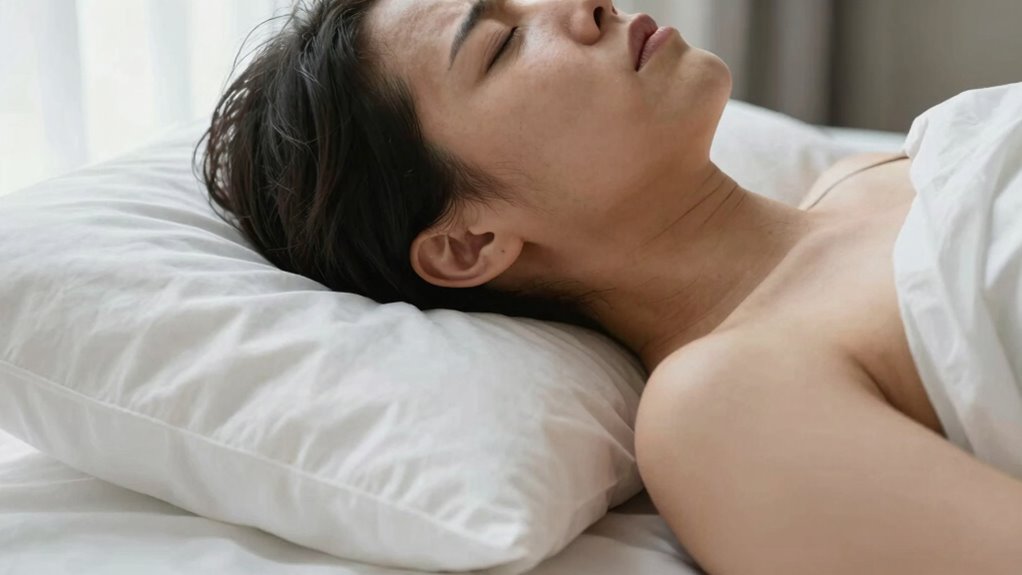

Your sleep position and neck support play a big role in morning headaches. Poor alignment from sleeping on your stomach or using unsupportive pillows causes muscle tension and spinal misalignment, leading to headaches. Side and back sleeping with proper support helps keep your neck in a natural position, reducing strain. Choosing the right pillow and maintaining good sleep habits can prevent discomfort. Keep going to find out how you can improve your sleep and wake up headache-free.

Get home appliances delivered free with Prime
- Fast, free delivery on millions of items
- Prime Video, Amazon Music and more included
- Member-only deals all year
Key Takeaways
- Proper sleep position and supportive pillows help maintain natural neck alignment, reducing muscle tension that causes morning headaches.
- Unsupported or inappropriate pillows can lead to neck strain and misalignment, increasing headache risk upon waking.
- Sleeping on the back or side with proper support promotes neutral spine posture, alleviating tension and discomfort.
- Poor sleep ergonomics, including awkward positions, can disrupt neck support and contribute to headache development.
- Optimizing sleep posture and choosing the right pillow can prevent neck-related tension and reduce morning headache frequency.
What Causes Morning Headaches and How Can You Recognize Them?
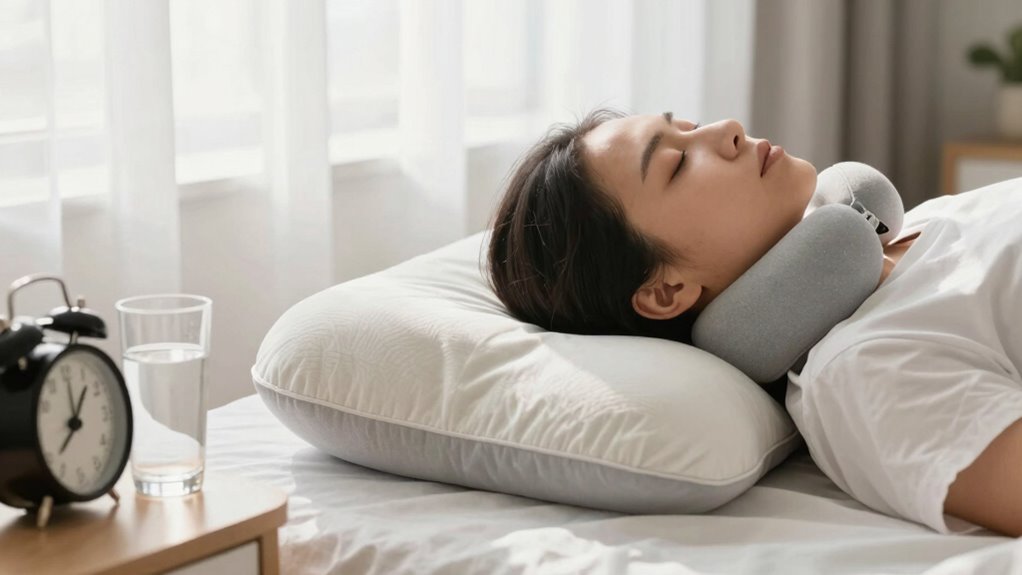
Morning headaches can stem from various causes, and recognizing the signs is key to addressing them. One common cause is sleep deprivation, which leaves your brain less rested and more prone to pain. If you’re not getting enough quality sleep, you might wake up with a pounding headache. Dehydration also plays a significant role; when your body lacks fluids, blood flow to your brain decreases, leading to headaches. You might notice a dull, throbbing pain upon waking, often accompanied by feelings of fatigue or irritability. Pay attention to your hydration levels and sleep habits. Ensuring you get enough rest and drinking plenty of water throughout the day can help reduce the frequency and intensity of morning headaches. Additionally, the quality of your pillow and sleep position can influence neck support, which in turn affects headache occurrence. Recognizing these signs is the first step toward relief.
How Does Your Sleep Position Affect Neck Alignment and Comfort?
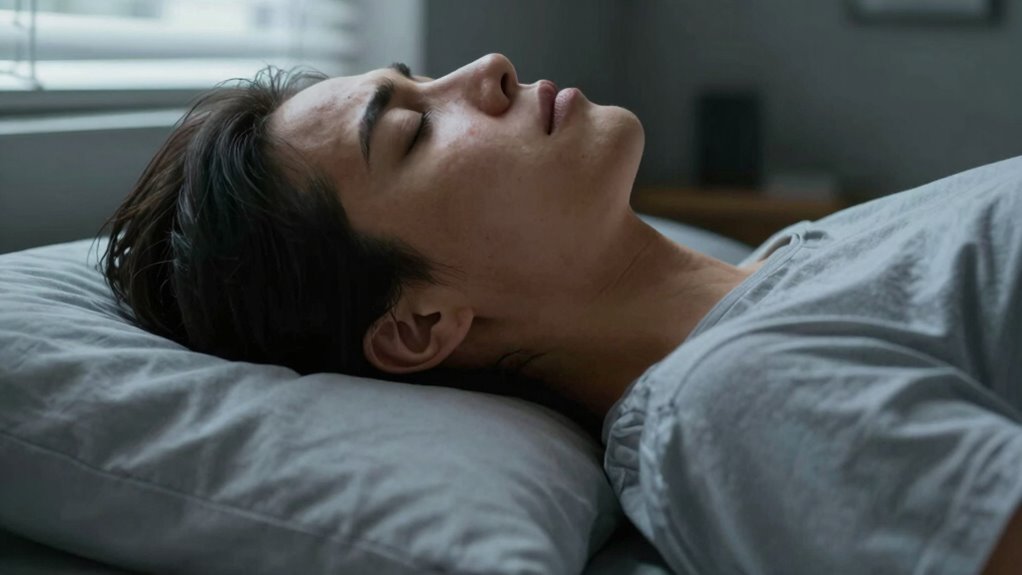
Your sleep position plays a crucial role in maintaining proper neck alignment and overall comfort. When you sleep in a position that supports your neck properly, it helps keep your spine in a natural, neutral alignment, reducing strain and discomfort. Sleeping on your stomach can twist your neck, leading to misalignment and tension. Conversely, lying on your back with a supportive pillow maintains better neck alignment, promoting sleep comfort. Side sleeping can also be beneficial if your pillow keeps your neck aligned with your spine. Choosing the right pillow and sleep position ensures your neck isn’t strained overnight, preventing stiffness and morning headaches. Prioritizing good sleep posture directly influences how comfortable you feel in the morning and how well your neck is supported during sleep. Proper sleep ergonomics can further enhance neck support and reduce discomfort.
In What Ways Does Poor Sleep Posture Lead to Head and Neck Tension?

When your sleep posture is off, it puts unnecessary strain on your neck and head muscles. Unsupported pillows can cause your muscles to tighten, leading to discomfort and tension. Over time, stiff muscles may trigger headaches, making it clear that poor alignment affects your overall sleep quality. Practicing good sleep habits and ensuring proper body awareness can help prevent these issues from developing.
Poor Alignment Causes Strain
Poor sleep posture can directly cause strain on your head and neck by misaligning your spine and placing uneven pressure on muscles and joints. When your neck alignment is off, it forces muscles to work harder to support your head, leading to tension and discomfort. Poor sleep posture often results in awkward positions that disrupt proper neck alignment, which can cause persistent strain over time. This misalignment not only increases muscle tension but also affects nerve pathways, potentially triggering headaches. Maintaining good sleep posture helps keep your spine properly aligned, reducing unnecessary stress on your neck and head. Additionally, using supportive pillows designed to promote proper sleep posture can further help prevent the strain caused by poor alignment and promote better overall comfort and health during sleep.
Unsupported Pillows Increase Tension
Unsupported pillows can substantially increase head and neck tension by failing to provide proper support during sleep. If your pillow lacks the right pillow firmness, your neck may be forced into unnatural positions, causing strain. A soft pillow may collapse under your head, leading to misalignment, while an overly firm pillow can push your neck into uncomfortable angles. The sleep surface also plays a role; a too-hard or uneven surface can worsen poor posture. Without adequate support, your muscles work harder to keep your head aligned, resulting in tension and soreness. Choosing a pillow that matches your sleep style and maintains neutral spinal alignment helps reduce stress on your neck muscles. Proper support minimizes tension buildup, helping you wake up refreshed instead of with a headache. Additionally, European cloud infrastructure innovations promote healthier sleep environments by enabling advanced sleep tracking and ergonomic solutions.
Stiff Muscles Trigger Headaches
Stiff muscles often lead to headaches by creating persistent tension in the neck and shoulders. When your sleep posture is poor, muscle tension builds up overnight, making your muscles tight and sore. This ongoing strain can contribute to muscle fatigue, which exacerbates discomfort and pain. This tension acts as a pain trigger, sending signals that result in head pain in the morning. As your muscles stiffen, they pull on surrounding tissues and nerves, intensifying discomfort. Over time, chronic muscle tightness can cause ongoing headaches, especially if your sleep position doesn’t support proper alignment. You may notice that adjusting your pillow or sleeping posture reduces muscle tension, which in turn alleviates headache frequency and severity. Addressing muscle tension through better sleep habits can be a simple yet effective way to prevent these morning pain triggers.
Why Is Neck Support Important During Sleep?

When you have proper neck support, your head and spine stay aligned comfortably throughout the night. This helps reduce muscle strain and prevents stiffness or soreness in the morning. Supporting your neck also keeps your spine’s natural curve intact, promoting overall sleep health. Additionally, maintaining correct sleep posture can prevent discomfort and improve the quality of your rest.
Proper Alignment Promotes Comfort
Proper neck support during sleep is essential for maintaining spinal alignment and preventing discomfort. When your neck posture is aligned correctly, your spine stays in a neutral position, reducing strain on muscles and joints. Good sleep ergonomics ensures your head, neck, and shoulders are supported properly, allowing your muscles to relax naturally. This proper alignment helps you feel more comfortable throughout the night, minimizing stiffness and soreness in the morning. When your neck is supported correctly, your body can rest without unnecessary tension, leading to a more restful sleep. Prioritizing neck support also contributes to better sleep quality and helps prevent issues like morning headaches caused by misalignment. Additionally, incorporating natural pools and sustainable backyard features can promote overall relaxation and well-being. Ultimately, good sleep posture promotes comfort and supports overall spinal health.
Reduces Strain on Muscles
Supporting your neck during sleep helps prevent unnecessary muscle tension. When your neck is properly supported, it reduces strain on your muscles, preventing tightness and discomfort. Without adequate support, muscles work harder to hold your head in place, which can lead to soreness and headaches in the morning. Proper neck support offers strain relief by aligning your head and neck naturally, minimizing the effort muscles need to exert. This not only helps prevent muscle fatigue but also promotes relaxation during sleep. When muscles aren’t strained, you wake up feeling more refreshed and less prone to morning headaches. Using the right pillow and sleep position can make a significant difference in maintaining proper neck alignment and overall comfort throughout the night. Prioritizing neck support ensures your muscles stay relaxed throughout the night, making your sleep more restorative and comfortable.
Supports Natural Spine Curve
Maintaining the natural curve of your spine during sleep is essential for overall spinal health and comfort. Proper neck support helps preserve your spinal alignment, preventing unnecessary strain on your neck and shoulders. When your pillow offers ergonomic support, it keeps your head, neck, and spine in a neutral position, reducing the risk of waking up with stiffness or headaches. Without adequate support, your neck may bend unnaturally, disrupting the spine’s natural curve. This misalignment can lead to discomfort and long-term issues. Choosing a pillow that complements your sleep position ensures your cervical spine remains properly supported throughout the night. Prioritizing ergonomic support not only enhances comfort but also promotes healthy spinal alignment, helping you wake up refreshed and free of morning headaches. Proper support is especially important for maintaining the thermal behavior of the neck during sleep, which can influence comfort and alignment.
Which Sleep Positions Help Reduce Morning Headaches?
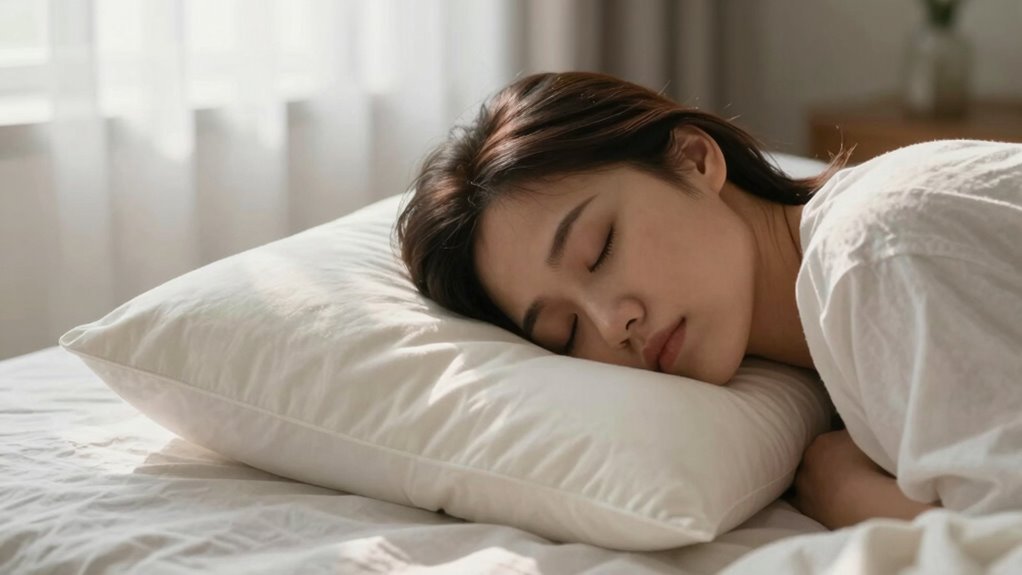
If you’re prone to morning headaches, choosing the right sleep position can make a significant difference. Sleeping on your back with a supportive pillow helps maintain proper neck alignment, reducing tension that causes headaches. Side sleeping with a pillow that keeps your head and neck aligned also minimizes strain. Avoid stomach sleeping, which often twists your neck and worsens headaches. Your sleep environment matters too—using pillows made from breathable pillow materials can improve comfort and reduce discomfort. Here’s a quick guide:
| Sleep Position | Best for Headaches | Tips for Comfort |
|---|---|---|
| Back | Yes | Use a supportive pillow |
| Side | Yes | Keep neck aligned |
| Stomach | No | Avoid if prone to headaches |
| Fetal | Sometimes | Keep neck supported |
| Custom | Personalized | Adjust for comfort |
Choose positions that support your neck and optimize your sleep environment for headache relief.
How to Choose a Pillow That Supports Your Neck Properly
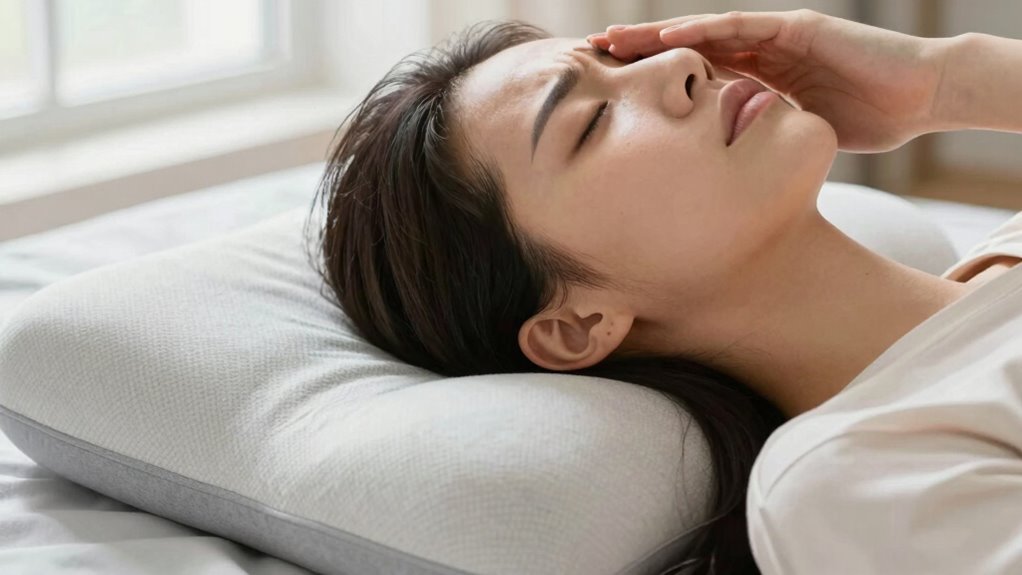
Choosing the right pillow is essential for keeping your neck properly supported during sleep. To do this, consider pillow firmness and sleep material, which directly impact comfort and alignment. A pillow that’s too soft may not provide enough support, while too firm can cause discomfort. Select a pillow with the right firmness based on your sleep position and personal preference. Also, pay attention to sleep material—memory foam molds to your neck, offering excellent support, whereas latex or feather pillows may suit different needs.
- Opt for a medium firmness for balanced support
- Choose breathable, hypoallergenic sleep materials
- Look for ergonomic designs that contour your neck
- Test different pillow heights to find your ideal fit
- Replace your pillow regularly for suitable support
What Are Some Tips to Improve Sleep Hygiene and Posture?
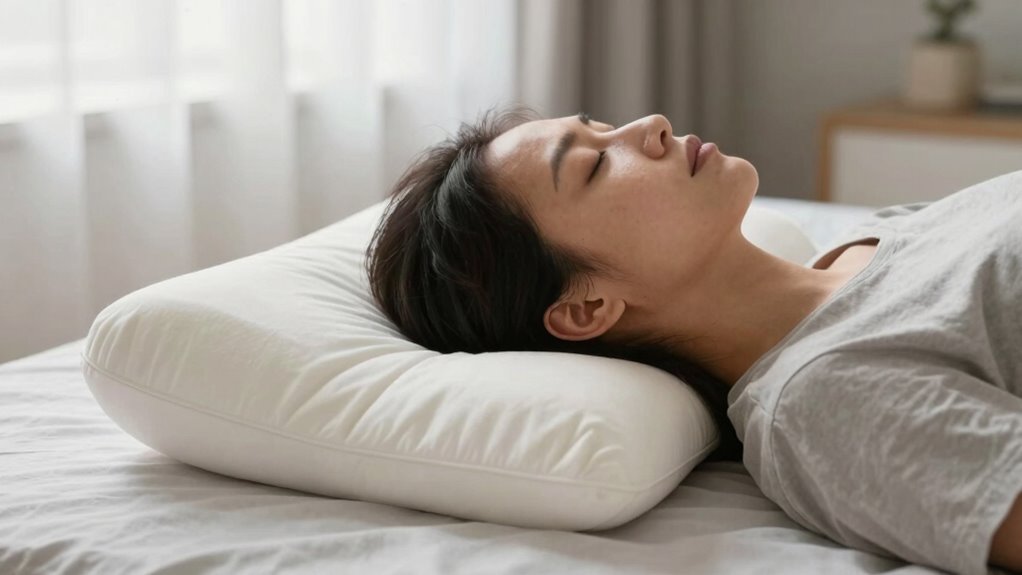
Getting better sleep often starts with simple changes to your sleep hygiene and posture. First, optimize your sleep environment by ensuring your bedroom is cool, dark, and quiet. Use supportive pillows and a comfortable mattress to maintain proper neck alignment. Establish consistent bedtime routines, such as winding down with relaxing activities and going to bed at the same time each night. Avoid screens and caffeine before sleep, as they can disrupt your rest. Keep electronics away from your sleep space to reduce distractions. Maintaining good posture during the day also helps improve sleep quality. Incorporate gentle stretching or neck exercises to relieve tension. These small adjustments can markedly reduce morning headaches and support healthier sleep habits.
When Should You See a Doctor for Persistent Headaches?
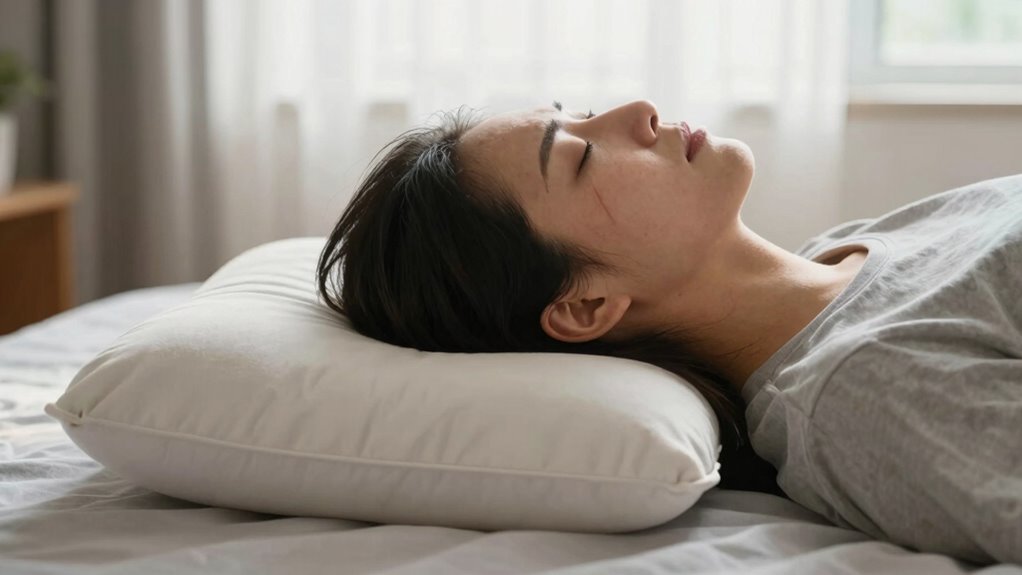
Persistent headaches that occur regularly or worsen over time should not be overlooked. If you notice these signs, it’s time to see a doctor. Seek medical advice if you experience:
- Severe or sudden onset headaches
- Headaches accompanied by vision changes or weakness
- Headaches that don’t improve with basic headache remedies
- Frequent morning headaches despite good sleep hygiene
- Headaches after head trauma or injury
Ignoring persistent headaches can lead to underlying issues needing professional diagnosis. Proper treatment may involve medication, lifestyle adjustments, or addressing sleep hygiene concerns. Don’t hesitate to consult a healthcare provider if your headaches interfere with daily life or worsen. Early intervention ensures you get the right care and relief, preventing more serious health problems down the line.
What Extra Strategies Can Help You Sleep Better and Prevent Headaches?
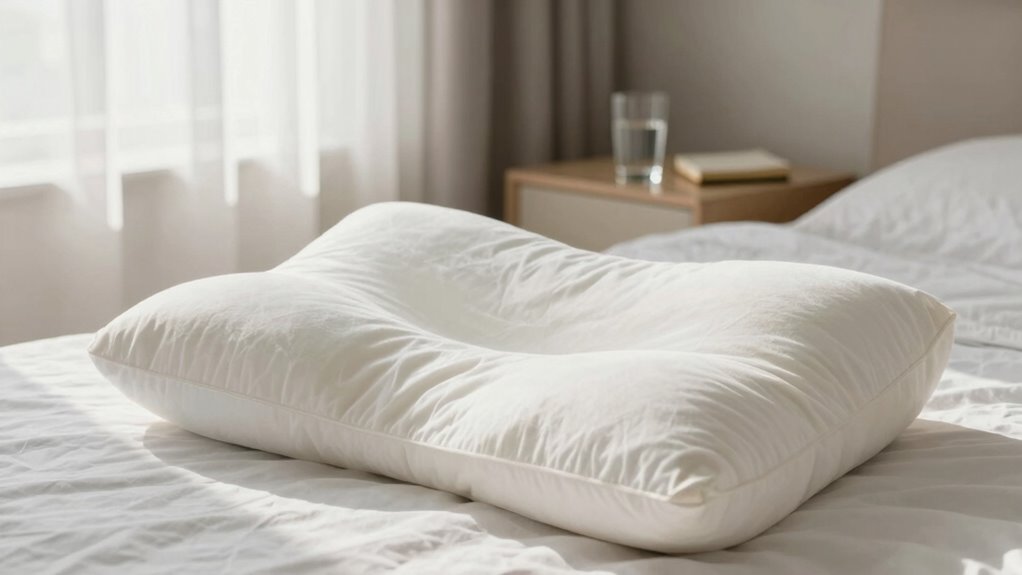
Addressing sleep hygiene can make a considerable difference in reducing morning headaches. Improving your sleep environment and establishing consistent night routines help promote restful sleep and reduce tension that causes headaches. Create a dark, cool, and quiet bedroom, and invest in a supportive pillow that aligns your neck. Consistent bedtimes and relaxing pre-sleep routines signal your body to wind down, making it easier to fall asleep peacefully. Consider this helpful tips:
| Sleep Environment | Night Routines |
|---|---|
| Keep room dark and cool | Avoid screens an hour before bed |
| Use supportive pillows | Practice deep breathing or meditation |
| Limit noise exposure | Establish a regular sleep schedule |
| Remove clutter and distractions | Engage in calming activities like reading |
| Maintain a comfortable mattress | Keep a consistent bedtime |
These strategies can notably improve sleep quality and reduce morning headaches.
Frequently Asked Questions
Can Specific Pillow Materials Help Prevent Morning Headaches?
Yes, specific pillow materials can help prevent morning headaches. Choosing a pillow with the right firmness provides proper neck support, reducing tension that causes headaches. Opt for breathable materials like memory foam or natural latex, which promote airflow and keep you cool throughout the night. This combination of firmness and breathability guarantees your neck stays supported and comfortable, helping you wake up headache-free.
Does Sleep Environment Temperature Influence Neck Support Effectiveness?
Yes, sleep temperature affects neck support effectiveness. If your sleep temperature is too hot or cold, it can cause discomfort, making it hard to maintain proper pillow positioning. The pillow material plays a role here; breathable materials like memory foam or gel-infused foam help regulate temperature, ensuring your neck stays supported throughout the night. Keeping a comfortable sleep environment allows your neck support to work effectively, reducing morning headaches.
Are There Ergonomic Sleep Accessories Designed to Reduce Headaches?
Think of ergonomic sleep accessories as your personal Sirens, guiding you toward restful nights. Yes, there are pillow types and sleep posture supports designed to reduce headaches. Memory foam pillows, cervical contours, and adjustable cushions help align your neck properly. These tools promote better sleep posture, easing tension and preventing morning headaches. Investing in ergonomic accessories can transform your sleep and wake-up routine, making headaches a thing of the past.
How Does Age Affect the Relationship Between Sleep Posture and Headaches?
As you age, age-related stiffness and sleep pattern changes can intensify the impact of your sleep posture on headaches. You might find that stiffness makes proper neck support more vital, and altered sleep patterns can lead to poor alignment. Paying attention to ergonomic sleep accessories and maintaining good posture can help reduce morning headaches, especially as your body adapts to these age-related changes.
Can Regular Neck Exercises Improve Sleep Quality and Reduce Morning Pain?
Your neck muscles can be a game-changer for sleep quality and morning pain. Regular neck exercises strengthen and relax these muscles, making sleep training more effective. This simple routine can transform your nights, reducing stiffness and headaches. By dedicating just a few minutes daily, you boost blood flow and flexibility, helping you wake up refreshed and pain-free. Don’t underestimate the power of consistent neck care for better sleep!
Conclusion
To wake up feeling refreshed instead of headachy, think of your sleep posture as the foundation of a sturdy house. Choosing the right pillow and maintaining good sleep habits can keep your neck aligned and headaches at bay. Remember, your sleep position is the compass guiding your well-being. Prioritize proper support and hygiene, and you’ll sail smoothly into mornings free of pain, turning your sleep into a restorative sanctuary rather than a battleground.
Cold & flu season Picks
humidifiers
As an affiliate, we earn on qualifying purchases.