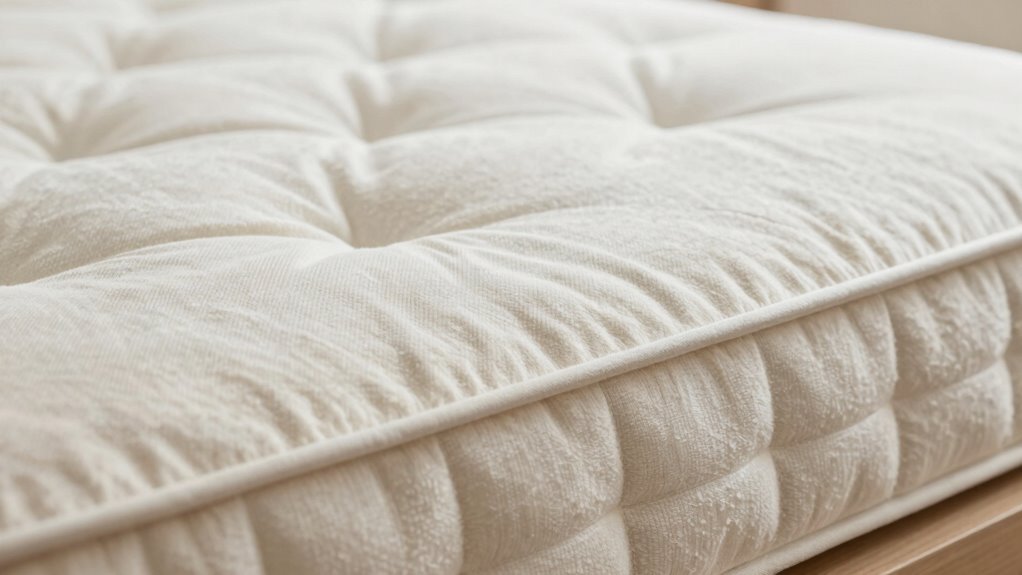

A mattress can feel firm but still be unsupportive because firmness isn’t the same as proper support. Support depends on how well the mattress contours to your natural curves and distributes your weight evenly. If it doesn’t align your spine, you might wake up with aches even on a firm mattress. The right support involves responsiveness to pressure points and maintaining alignment throughout the night—keep exploring to learn more about achieving true support.

Get home appliances delivered free with Prime
- Fast, free delivery on millions of items
- Prime Video, Amazon Music and more included
- Member-only deals all year
Key Takeaways
- Firmness alone does not guarantee proper support; alignment and contouring are crucial.
- Memory foam can feel firm yet still fail to support natural body curves if improperly chosen.
- Support depends on how well the mattress responds to pressure points and maintains spinal alignment.
- A mattress with good support systems prevents sagging and ensures consistent support over time.
- Proper support requires matching mattress response to individual sleep postures, not just firmness levels.
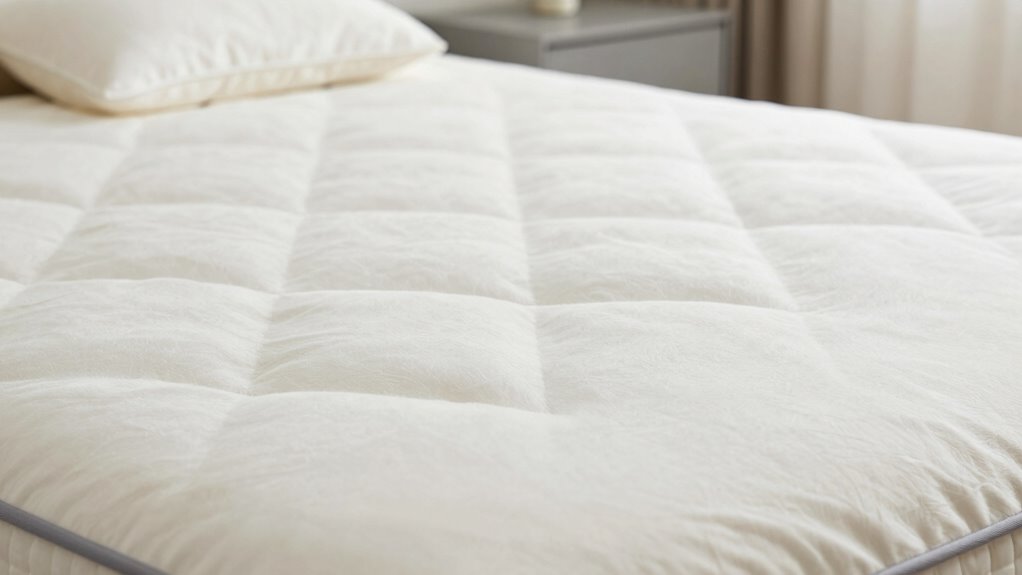
Many people assume that a firmer mattress automatically offers better support, but this isn’t always the case. You might lie down on a mattress that feels solid and unyielding, expecting it to cradle your body perfectly, but then wake up feeling sore or uncomfortable. That’s because support isn’t just about how hard or soft a mattress feels; it’s about how well it aligns with your sleep posture and distributes your body weight. A mattress can feel firm yet fail to support your spine properly if it doesn’t contour to your body’s natural curves. Conversely, a softer mattress that molds to your shape might actually provide better support if it encourages proper spinal alignment. proper spinal alignment is essential for avoiding discomfort and ensuring restful sleep.
Memory foam is a common choice for those seeking better support, but it can be misleading. Many assume that memory foam’s dense, sinking feel means it’s inherently supportive. However, support depends on how well the foam responds to your body’s pressure points and maintains alignment. When you sleep on a memory foam mattress, it should gently contour to your sleep posture, supporting your shoulders, hips, and lower back without creating pressure points that cause discomfort. If the foam is too soft or too firm for your specific needs, it can throw off your sleep posture, leading to aches and pains even if the mattress feels firm. Support depends on how well it responds to your body’s pressure points. Properly engineered support systems within the mattress can make a significant difference in how effectively it supports your body throughout the night. Additionally, choosing a mattress with the right support system can help prevent sagging and maintain long-term support.
As an affiliate, we earn on qualifying purchases.
Frequently Asked Questions
How Does Body Weight Affect Perceived Mattress Support?
Your body weight impacts how you perceive mattress support because it influences pressure distribution and weight distribution across the surface. If you’re heavier, more pressure concentrates on specific points, making the mattress feel unsupportive even if it’s firm. Conversely, lighter weight allows for better weight distribution, leading to a feeling of better support. Adjusting your mattress to match your body weight ensures ideal pressure distribution and improved support.
Can a Mattress Feel Firm but Still Cause Back Pain?
Yes, a mattress can feel firm yet cause back pain. This often happens if the foam density and mattress materials aren’t suited to your body. High-density foams provide support, but if the materials are too firm or not contouring properly, they can misalign your spine. It’s essential to choose a mattress with the right foam density and materials that match your sleeping style to avoid discomfort and pain.
Are Supportive Mattresses Different for Side Sleepers Versus Stomach Sleepers?
Think of your mattress as a tailored suit—what fits perfectly for one person might not for another. Supportive mattresses do differ for side sleepers versus stomach sleepers. Memory foam molds to your sleep posture, providing tailored support that aligns your spine. Side sleepers need softer zones to cushion shoulders, while stomach sleepers require firmer support to keep the hips from sinking. Your ideal mattress adapts to your unique sleep posture for a restful night.
How Often Should I Replace My Mattress for Optimal Support?
You should replace your mattress every 7-10 years to maintain ideal support and mattress longevity. Over time, memory foam mattresses lose their ability to contour and support your body, leading to discomfort and potential pain. Regularly assess your mattress’s condition, and if you notice sagging, lumps, or persistent discomfort, it’s time to upgrade for better support. Properly maintaining your mattress ensures it continues to provide the support you need.
Do Mattress Toppers Impact the Supportiveness of a Mattress?
Mattress toppers and other mattress accessories can affect the support layering of your bed. They might add extra cushioning, making a firm mattress feel softer, but they don’t necessarily enhance core support. If your goal is better support, choose toppers designed for support rather than just plush comfort. Keep in mind, over time, these accessories can shift or compress, so regularly reassess your support needs to guarantee a restful sleep.
orthopedic mattress for spinal alignment
As an affiliate, we earn on qualifying purchases.
As an affiliate, we earn on qualifying purchases.
Conclusion
Just like Icarus soaring toward the sun, you might feel confident that a firm mattress will support you through the night. But beware the support illusion—what feels firm might not truly cradle your body’s needs. Remember, true support is more than surface deep; it’s about finding that perfect balance, like the steady ground beneath Daedalus’s wings. Choose wisely, and wake up refreshed, knowing your mattress isn’t just an illusion but your true sanctuary.
mattress with pressure point support
As an affiliate, we earn on qualifying purchases.
As an affiliate, we earn on qualifying purchases.
best mattress for proper sleep posture
As an affiliate, we earn on qualifying purchases.
As an affiliate, we earn on qualifying purchases.
Halloween Picks
halloween
As an affiliate, we earn on qualifying purchases.