When you reduce the skin contact area with surfaces, you limit how much heat transfers away from your body, helping you stay warmer. Larger contact zones with conductive materials speed up heat loss, while smaller or insulated areas slow it down. By minimizing contact with materials like wood or metal and adding insulating layers, you can greatly conserve body heat. Keep exploring to find out more ways to optimize your heat retention.
Key Takeaways
- Larger skin contact areas increase heat transfer, leading to faster heat loss from the body.
- Reducing contact area with surfaces minimizes conductive heat loss in cold environments.
- High thermal conductivity materials in contact with skin accelerate heat dissipation.
- Smaller contact zones help conserve body heat by limiting exposure to conductive surfaces.
- Insulating layers and barriers decrease effective contact area, improving heat retention.
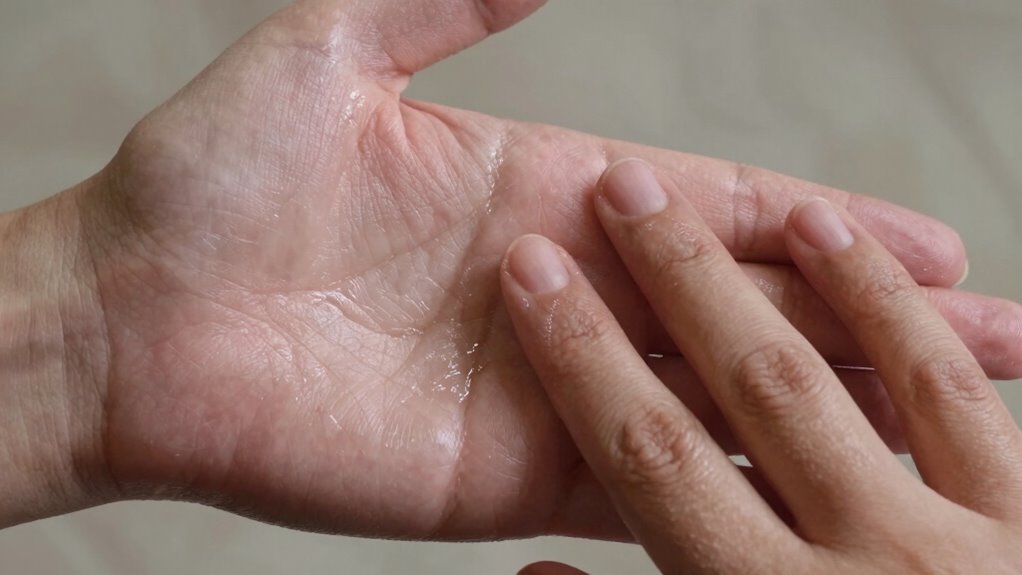
Your skin’s contact area with surrounding surfaces directly influences how well your body retains heat. When you sit or lie against a surface, the amount of skin in contact determines how efficiently heat transfers away from you. This process hinges on the concepts of thermal conductivity and insulation properties. Materials with high thermal conductivity allow heat to pass through quickly, meaning the more skin you have in contact with such surfaces, the faster your body loses warmth. Conversely, surfaces with low thermal conductivity act as insulators, slowing heat transfer and helping you stay warm longer.
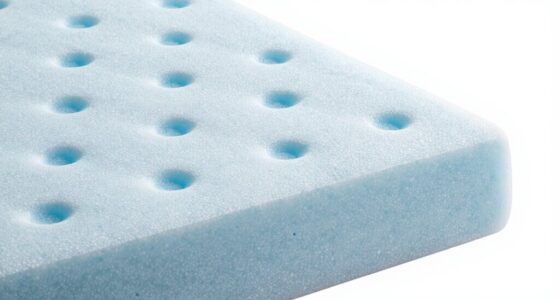
Think about lying on a cold wooden bench versus a padded cushion. The wooden surface typically has higher thermal conductivity, drawing heat away from your skin more rapidly. The cushion, made of insulating materials, reduces heat loss because its insulation properties minimize heat transfer. The greater the contact area with a surface that conducts heat well, the more rapid your heat loss. Reducing contact area, such as sitting on a thin layer of fabric or a small cushion, limits exposure to conductive surfaces and preserves your body heat.
Reducing contact with conductive surfaces helps preserve body heat and prevents rapid heat loss in cold environments.
The way your skin interacts with different materials is essential for maintaining thermal balance. When you’re in a cold environment, minimizing contact with high-conductivity surfaces helps conserve heat. That’s why people often wear insulated clothing or sit on insulating pads. These barriers increase the overall insulation properties, creating a buffer that prevents heat from escaping your body too quickly. The key lies in understanding that insulation isn’t just about the material itself but also how much skin surface it covers; less contact with conductive surfaces means better heat retention. Additionally, paying attention to surface properties can help optimize your body’s ability to retain heat in various conditions.
Your body naturally tries to regulate temperature, but external factors like skin contact greatly influence this process. When your skin touches a surface with poor insulation properties, heat flows from your body to that surface more easily. If the contact area is large, this heat transfer accelerates, making you feel colder faster. Reducing the contact area decreases the heat transfer rate, helping your core temperature stay stable for longer periods. Furthermore, thermal conductivity of surfaces plays a significant role in how quickly heat is lost. Recognizing the influence of surface properties can help you choose better strategies for heat conservation in various environments. Sometimes, adding insulating layers between your skin and surfaces can dramatically improve heat retention, especially in extremely cold conditions. This understanding underscores the importance of selecting appropriate materials and surfaces to enhance thermal comfort.
As an affiliate, we earn on qualifying purchases.
Frequently Asked Questions
How Does Skin Contact Area Vary With Different Clothing Materials?
You’ll notice that different clothing materials vary in skin contact area, affecting insulation. Fabrics with higher permeability, like cotton, allow more air and moisture to escape, reducing insulation and skin contact efficiency. Conversely, denser fabrics like wool create a larger contact area, trapping heat better. Your clothing’s insulation level depends on how much fabric touches your skin and its permeability, influencing heat retention and comfort in different conditions.
Does Skin Contact Area Affect Heat Retention During Exercise?
You bet it does—more skin contact means your body retains more heat during exercise. When you have a larger skin contact area, sweat evaporation slows down, making it harder to cool off. Your skin’s sensitivity also plays a role, as it influences how your body responds to heat and sweat. Keep in mind, the more surface area exposed, the better your chances to shed heat and stay comfortable.
How Quickly Does Skin Contact Area Change With Temperature Shifts?
Your skin contact area adjusts quickly with temperature shifts, often within seconds to minutes. As temperature changes, thermal conductivity influences how heat transfers through your skin, while contact pressure affects the size of the contact area. When it’s hot, your skin may contract, reducing contact area and heat retention. Conversely, cold causes expansion, increasing contact area and heat retention. These rapid adjustments help regulate your body temperature efficiently.
Are There Any Health Risks Linked to Increased Skin Contact Area?
Increased skin contact area can raise health risks like allergy reactions and infection transmission. When more skin touches surfaces or other people, you’re more exposed to allergens or bacteria, which could cause skin irritation or infections. To protect yourself, keep skin contact clean and dry, avoid sharing personal items, and wash regularly. Staying mindful of contact area helps reduce these health risks and keeps you healthier overall.
How Does Skin Contact Area Influence Heat Loss in Cold Environments?
You might think a larger skin contact area always means more heat loss, but it’s more complex. When your skin surface area increases, heat transfer to the environment speeds up, especially in cold environments. This is because more skin is exposed, allowing more heat to escape. To stay warm, you’ll want to minimize exposed skin or add insulation, reducing heat transfer and conserving body heat effectively.
As an affiliate, we earn on qualifying purchases.
Conclusion
Think of your skin like a cozy blanket; the more surface area it covers, the better it keeps the warmth tucked in. When you stretch out or hug yourself tightly, you’re changing the blanket’s size, either trapping heat or letting it escape. Just like adjusting a blanket to stay warm, being mindful of your skin contact area helps you control heat retention. So, embrace your body’s natural design—it’s your personal thermostat in disguise.
As an affiliate, we earn on qualifying purchases.
insulated clothing for cold weather
As an affiliate, we earn on qualifying purchases.
As an affiliate, we earn on qualifying purchases.