
Dense bedding traps heat and moisture next to your body, preventing the cooler mattress from doing its job. Thick, heavy blankets block airflow, causing heat buildup and sweating. Even high-quality, breathable mattresses can be overwhelmed if your bedding keeps warmth and humidity tight against your skin. To stay cool, it’s essential to choose lighter, moisture-wicking materials and optimize airflow. Want to discover more ways to beat the heat and sleep comfortably? Keep going for expert tips.

Get home appliances delivered free with Prime
- Fast, free delivery on millions of items
- Prime Video, Amazon Music and more included
- Member-only deals all year
Key Takeaways
- Dense bedding traps heat and moisture, preventing the mattress’s cooling effects from reaching you.
- Heavy fabrics block airflow, reducing heat dissipation and causing nighttime overheating.
- Thick, moisture-retaining bedding hinders the mattress’s natural temperature regulation.
- The combination of dense bedding and a cooler mattress can lead to discomfort and disrupted sleep.
- Properly breathable bedding enhances, rather than undermines, the cooling benefits of a cooler mattress.
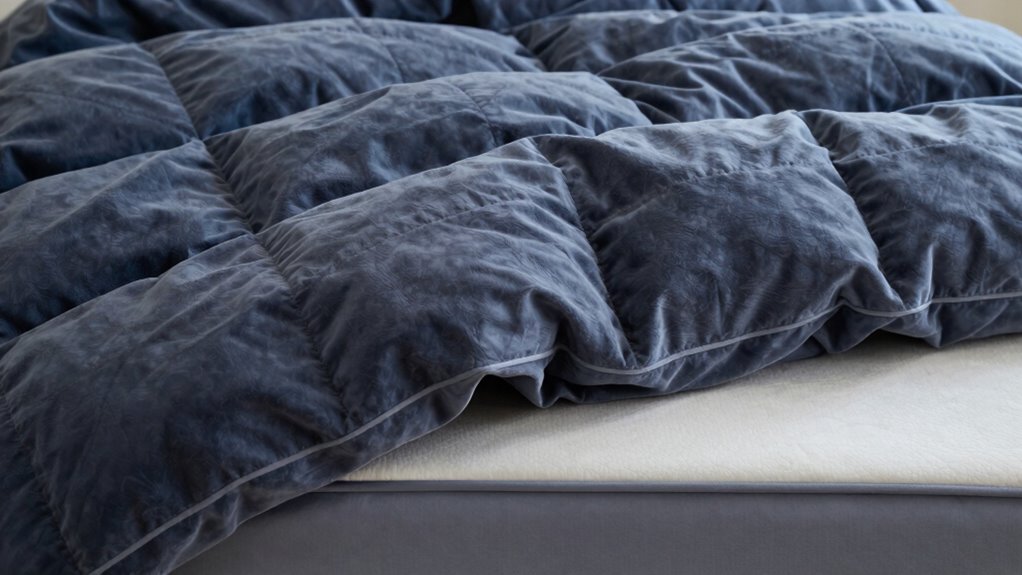
If you’re trying to stay cool at night, you might assume that adding dense bedding will help, but in reality, it can have the opposite effect. Thick, heavy blankets or multiple layers trap heat instead of releasing it, making you feel warmer rather than cooler. While it’s tempting to think that more coverage equals better insulation, dense bedding often blocks the natural airflow that your body needs to cool down. Instead of promoting comfort, it can cause heat buildup, leaving you sweaty and restless.
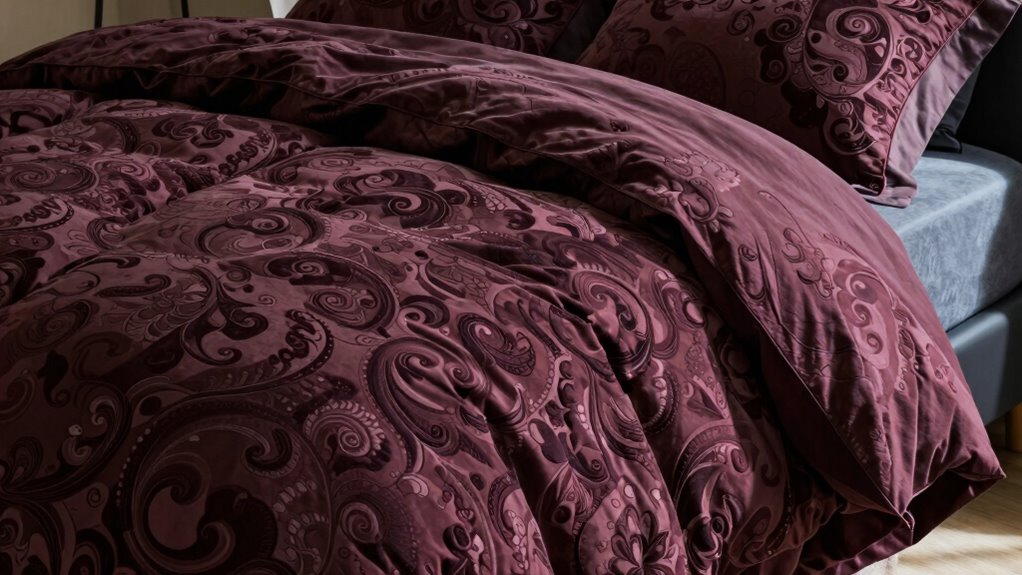
Dense bedding traps heat, making it harder for your body to cool down and causing discomfort.
Luxury materials might seem like a good choice because they look and feel premium, but they can also contribute to heat retention if not carefully selected. Fabrics like silk or high-thread-count cotton are breathable and help wick moisture away from your skin, which is essential for staying cool. However, many luxury bedding options tend to be thicker or denser, which can trap heat and moisture next to your body. When moisture gets trapped, it can lead to discomfort and even irritation, disrupting your sleep cycle. Moisture retention becomes a double-edged sword—while some fabrics are designed to manage moisture, dense bedding made from heavy materials can lock in warmth and humidity instead.
Your body naturally regulates temperature through sweat and airflow. When you layer yourself with dense bedding, you hinder this process. The heat your body generates gets trapped beneath the layers, and the moisture from sweat has nowhere to escape. Over time, this buildup can make you feel hot, sticky, and uncomfortable, defeating the purpose of a cooler mattress. Instead of working with your body’s natural cooling mechanisms, dense bedding can interfere, causing you to toss and turn all night. Proper breathability in your bedding can significantly improve sleep quality and temperature regulation. Using appropriate bedding materials that promote airflow can help prevent heat retention and keep you more comfortable throughout the night. Additionally, choosing bedding that enhances moisture management can further support your body’s cooling efforts. Incorporating breathable fabrics and designing bedding with airflow in mind can make a noticeable difference in your comfort level.
Adding ventilation options like breathable mattress covers or adjustable room temperature settings can also enhance your sleep environment. To maximize the cooling effect of your mattress, focus on using lighter, breathable bedding made from moisture-wicking luxury materials. Look for linens that promote air circulation and help draw moisture away from your skin. This way, you allow your body to naturally cool itself and prevent heat from accumulating. Remember, the goal isn’t just to add more layers but to choose the right ones—those that support airflow, moisture management, and overall comfort. Dense bedding might seem cozy, but it can undo the benefits of a cooler mattress and leave you feeling hotter than you’d like.
breathable cooling mattress cover
As an affiliate, we earn on qualifying purchases.
As an affiliate, we earn on qualifying purchases.
Frequently Asked Questions
Can Dense Bedding Cause Overheating During Winter?
Yes, dense bedding can cause overheating during winter if it traps heat too effectively. While winter insulation helps keep you warm, dense bedding may reduce breathability, leading to excess heat buildup and discomfort. If you notice you’re overheating, consider lighter, breathable layers that allow moisture escape. This balance guarantees you stay warm without feeling overly hot, especially if your bedding restricts airflow and affects breathability concerns.
Is Dense Bedding Suitable for All Mattress Types?
Dense bedding isn’t suitable for all mattress types, especially if you prioritize thermal regulation. Did you know that over 60% of people find dense bedding too warm for memory foam or latex mattresses? Material compatibility matters because dense bedding can trap heat and reduce breathability, making it uncomfortable. For adjustable or cooler mattresses, opt for lighter, breathable layers to guarantee proper thermal regulation and a comfortable night’s sleep.
How Does Dense Bedding Affect Sleep Quality?
Dense bedding can impact your sleep quality by trapping heat, leading to comfort issues. You might notice breathability concerns, making it harder to stay cool throughout the night. Additionally, if you have allergies, dense bedding may accumulate dust mites and allergens, increasing allergic reactions. This discomfort can disturb your sleep, leaving you feeling less rested. Choosing breathable, hypoallergenic options can help improve your sleep quality and overall comfort.
What Materials Are Best for Dense Bedding?
Imagine wrapping yourself in a cloud of comfort—your dense bedding choice greatly impacts your sleep. Opt for fiber options like cotton or linen, which offer excellent material breathability, preventing overheating. Natural fibers breathe better, dispersing heat and moisture, keeping you cool. Avoid heavy synthetic materials that trap heat. Your ideal dense bedding combines cozy thickness with breathable fibers, ensuring restful sleep without sacrificing comfort or temperature regulation.
Does Dense Bedding Impact Mattress Durability?
Dense bedding can impact your mattress durability by increasing bedding compression, which may lead to mattress sagging over time. When you use heavy or dense bedding regularly, it puts extra pressure on the mattress surface, causing the materials to break down faster. This compression can diminish your mattress’s support and lifespan, so it’s wise to choose lighter bedding options or rotate your bedding to prevent long-term damage.
moisture-wicking lightweight bedding
As an affiliate, we earn on qualifying purchases.
As an affiliate, we earn on qualifying purchases.
Conclusion
If you’ve ever wondered why your cool mattress doesn’t stay that way, dense bedding might be the culprit. Think of it like wrapping your mattress in a heavy blanket—it traps heat and blocks airflow, making your bed warmer. For example, Sarah switched to lighter, breathable sheets and instantly felt cooler at night. So, choose your bedding wisely; it can make all the difference in keeping your mattress cool and comfortable all night long.
breathable cotton or silk sheets
As an affiliate, we earn on qualifying purchases.
As an affiliate, we earn on qualifying purchases.
As an affiliate, we earn on qualifying purchases.
Fall yard work Picks
leaf blowers
As an affiliate, we earn on qualifying purchases.