If your cool bedroom feels damp, you might be overlooking proper airflow and humidity control. Stale air can trap moisture, making your room feel damp and uncomfortable. Opening windows slightly and using fans help circulate fresh air, while dehumidifiers or conditioners reduce excess moisture. Keep indoor humidity between 30-50% for a dry, cozy sleep environment. If you want to learn how to fix this issue for good, there’s more to discover that can make a difference.

Get home appliances delivered free with Prime
- Fast, free delivery on millions of items
- Prime Video, Amazon Music and more included
- Member-only deals all year
Key Takeaways
- Poor ventilation can trap moisture, making a cool room feel damp and uncomfortable during sleep.
- Maintaining indoor humidity above 50% increases dampness, even in cool temperatures.
- Using fans or opening windows helps improve airflow and prevent stagnant, damp air.
- Inadequate moisture control allows humidity to accumulate, causing surfaces to feel damp.
- Overly cool rooms without proper humidity management can lead to a damp, clammy sleep environment.
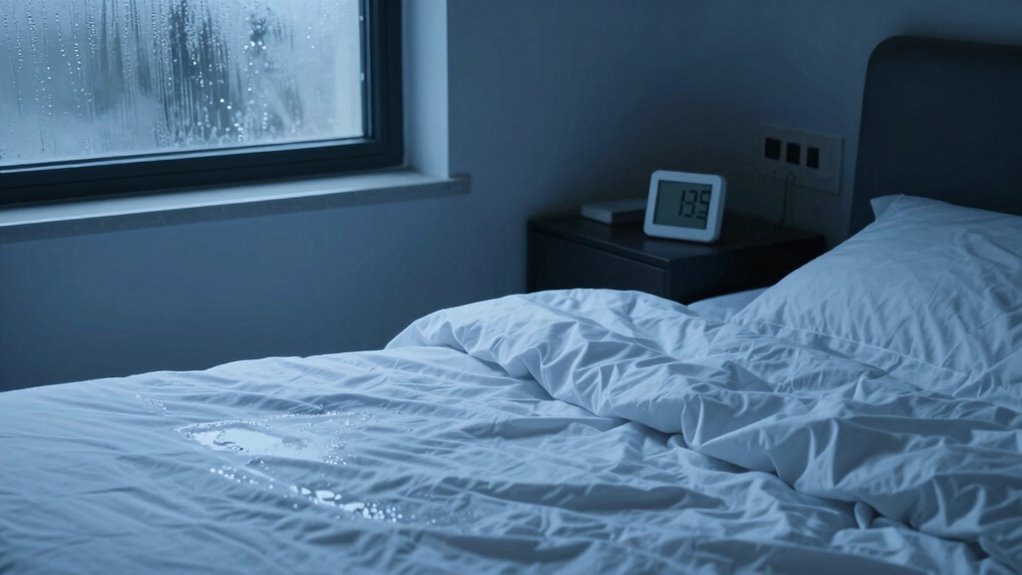
If your bedroom feels damp despite the cool temperatures, you might be making a simple but overlooked mistake. The problem often stems from how you’re managing airflow and humidity levels. When airflow isn’t properly controlled, moisture tends to linger, creating that damp, uncomfortable feeling even when the room isn’t warm. Instead of letting stale air stagnate, you need to focus on airflow management—making certain fresh air circulates and excess moisture escapes. This can be as simple as opening a window slightly or using a fan to promote air exchange. Proper airflow prevents humidity from settling on surfaces and helps your room maintain a dry, comfortable environment. Additionally, monitoring indoor air quality with sensors can help you better understand and control humidity levels. Humidity control plays a vital role here. If the air in your bedroom is too humid, it’ll feel damp regardless of the temperature. High humidity levels can be caused by everyday activities like breathing, sweating, or even indoor plants. To combat this, you might consider using a dehumidifier or air conditioner with a dehumidifying function. These devices remove excess moisture from the air, helping to keep humidity levels in the ideal range—generally between 30% and 50%. Maintaining this balance prevents the room from feeling damp while also improving sleep quality. Remember, even if it’s cool outside, humidity levels can still rise indoors if ventilation isn’t managed properly. Proper ventilation is essential because stagnant air can trap moisture and contribute to a damp feeling. Improving air circulation with fans or vents can significantly reduce moisture buildup and enhance overall air quality. Using moisture-absorbing materials like silica gel or charcoal can further help in controlling indoor humidity. In essence, you want to be proactive about airflow management and humidity control. These elements work hand-in-hand to prevent moisture from accumulating and creating that damp feeling. By regularly ventilating your space, using appropriate dehumidification tools, and choosing breathable fabrics, you create an environment that promotes restful sleep and keeps your bedroom feeling fresh, dry, and comfortable—even on the coolest nights. Paying attention to these details might just be the key to saying goodbye to that damp, uncomfortable sensation and waking up refreshed every morning.
As an affiliate, we earn on qualifying purchases.
Frequently Asked Questions
How Does Humidity Affect Sleep Quality?
High humidity levels can make your sleep feel damp and uncomfortable, disrupting your sleep comfort. When humidity is too low, your throat and nasal passages may dry out, causing irritation. Conversely, excessive humidity fosters sweating and a muggy feeling, which can wake you up or make it hard to fall asleep. Maintaining a balanced humidity level, around 40-50%, helps create ideal sleep comfort and improves overall sleep quality.
What Are the Signs of a Damp Bedroom?
You might notice signs of a damp bedroom if you see mold growth on walls or ceilings, which occurs in just 1 in 5 homes but can cause serious health issues. You could also experience allergy symptoms like sneezing or congestion, indicating excess moisture. Dampness often leads to musty odors and peeling paint, so keep an eye out for these clues to make sure your sleep environment stays healthy and dry.
Can Air Purifiers Improve Bedroom Dryness?
Yes, air purifiers can improve bedroom dryness by enhancing air quality and reducing excess humidity. To get the best results, you should place the purifier in a central location away from walls and furniture, allowing proper airflow. Regularly changing filters also helps maintain effectiveness. While purifiers mainly improve air quality, some models with dehumidifying features can directly reduce moisture, making your bedroom more comfortable and less damp.
How Often Should I Change My Bedding?
You should change your bedding at least once a week to maintain good sleep hygiene. Bedding materials like sheets and pillowcases can trap dirt, sweat, and allergens, which can disrupt your sleep. Regular washing keeps your bedding fresh and comfortable, helping you avoid dampness or mustiness. If you sweat a lot or have allergies, consider changing your bedding more frequently to guarantee a dry, cozy sleeping environment.
What’s the Ideal Bedroom Temperature for Sleep?
You should aim for a bedroom temperature around 60-67°F for ideal sleep. To create a cozy environment, try decorating ideas like layered bedding and blackout curtains. Lighting suggestions such as dim, warm lights or lamps help signal your body it’s time to wind down, making your room more conducive to restful sleep. Keep the temperature cool and lights soft to avoid feeling damp or uncomfortable during the night.
As an affiliate, we earn on qualifying purchases.
Conclusion
So, next time you’re shivering under a too-cold blanket, remember: chasing that “perfect” cool bedroom might just turn your sleep into a damp, clammy nightmare. Who knew that cooling your room could backfire so spectacularly? Instead of waking up refreshed, you’ll wake up thinking you’ve rolled around in a swamp. So, congratulations — you’ve successfully turned your peaceful slumber into a soggy, miserable swamp. Sleep tight, or don’t. It’s your damp, soggy call.
As an affiliate, we earn on qualifying purchases.
As an affiliate, we earn on qualifying purchases.
Halloween Picks
halloween
As an affiliate, we earn on qualifying purchases.