

In the last hour before bed, establish a calming routine by dimming lights, avoiding screens, and keeping noise low. This signals your body to produce more melatonin, which helps your core temperature drop naturally. Engaging in gentle activities like stretching or deep breathing also supports this process. By creating a cool, dark, and quiet environment, you enhance hormonal regulation for better sleep. Keep exploring to discover more tips that can improve your sleep quality and temperature management.

Get home appliances delivered free with Prime
- Fast, free delivery on millions of items
- Prime Video, Amazon Music and more included
- Member-only deals all year
Key Takeaways
- Reducing exposure to bright lights and screens in the final hour promotes melatonin production and supports natural cooling.
- Engaging in relaxing activities like gentle stretching or deep breathing aids hormonal regulation and temperature decline.
- Maintaining a cool, dark, and quiet environment during the last hour enhances the body’s ability to lower core temperature.
- Avoiding caffeine, heavy meals, and alcohol close to bedtime prevents disruption of the body’s cooling process.
- Consistent pre-sleep routines reinforce sleep cues and optimize the body’s natural temperature regulation.
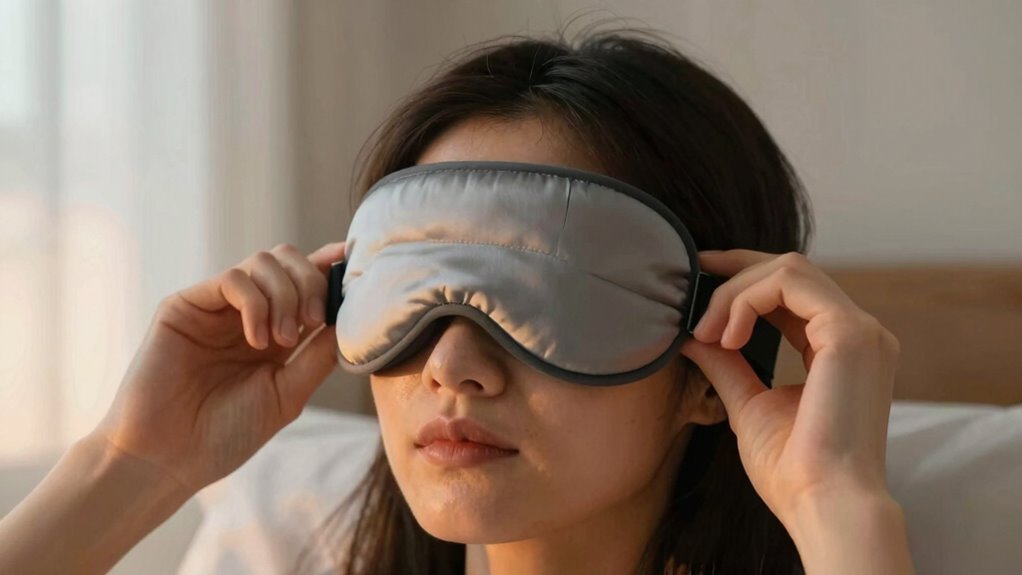
As you wind down for the night, a simple but powerful habit in the last hour before bed can considerably impact your body’s temperature regulation during sleep. This habit involves optimizing your sleep environment to support natural hormonal regulation, which plays an essential role in maintaining your core temperature. When you create the right conditions, your body is better equipped to lower its temperature, helping you fall asleep faster and enjoy more restorative rest.
Your sleep environment directly influences how well your body manages its temperature. Dim lighting, a cool room—ideally between 60 to 67°F—and minimal noise can signal to your brain that it’s time to wind down. When your surroundings are conducive to sleep, your body’s hormonal regulation mechanisms kick in more effectively. Melatonin, often called the sleep hormone, rises in response to darkness and helps lower your core temperature. If your sleep environment is too bright or warm, it can suppress melatonin production, making it harder for your body to cool down naturally. Creating a sleep-conducive environment is essential for supporting your body’s natural temperature decline.
In the last hour before bed, focus on turning off bright screens and reducing exposure to blue light, which can interfere with melatonin secretion. Instead, opt for dim, warm lighting or reading by a soft lamp. This signals to your brain that it’s time to prepare for sleep and encourages hormonal regulation that promotes cooling. Keeping your room cool and comfortable nurtures your body’s natural process of temperature decline, which is essential for initiating sleep and maintaining its quality. Additionally, understanding how light exposure impacts melatonin production can help you better regulate your sleep cycle and internal temperature. Being mindful of external factors that influence your sleep can further improve your body’s ability to cool down effectively. Incorporating sleep hygiene practices, such as maintaining a consistent sleep schedule, can also enhance this natural cooling process. You also need to be mindful of your body’s internal cues. As your hormonal regulation ramps up, your body works to lower its temperature, but external factors can hinder this process. Gentle activities like stretching or practicing deep breathing can help ease your transition into sleep, supporting hormonal balance. Avoid caffeine or heavy meals close to bedtime, as they can disrupt hormonal signals and interfere with your body’s cooling process.
As an affiliate, we earn on qualifying purchases.
Frequently Asked Questions
Can This Habit Improve Overall Sleep Quality Long-Term?
Yes, this habit can improve your overall sleep quality long-term. By maintaining sleep consistency and supporting circadian regulation, your body adapts better to a regular schedule. This consistency helps stabilize your internal clock, making it easier to fall asleep and wake up refreshed. Over time, these habits foster healthier sleep patterns, reduce disruptions, and enhance your overall rest, leading to better physical and mental well-being.
Is This Habit Suitable for All Age Groups?
Like a trusty steed, this habit isn’t one-size-fits-all. Age-specific considerations are key; it suits adults well but might not be ideal for children or seniors due to developmental impacts. For young kids, their bodies are still growing, and for older adults, temperature regulation can differ. Always consult a healthcare professional to make sure it’s appropriate for your age group, ensuring safe and effective sleep improvements.
Does This Habit Affect Morning Energy Levels?
Yes, this habit can positively impact your morning alertness and daytime performance. When you follow it, your body cools down properly before sleep, leading to more restful rest and waking up feeling refreshed. Improved sleep quality boosts your energy levels in the morning, helping you stay alert and perform better throughout the day. Incorporating this habit creates a healthier sleep cycle that benefits your overall well-being.
Are There Any Risks Associated With This Nighttime Routine?
Did you know that nearly 20% of people experience potential risks from nighttime routines? Yes, there are potential risks, especially if you have underlying health concerns like heart problems or sleep disorders. While this habit usually promotes better sleep, it could disrupt your heart rate or breathing patterns. Always consult your healthcare provider if you notice unusual symptoms or if you’re unsure whether this routine is suitable for you.
How Quickly Can One Notice Changes in Body Temperature?
You might notice temperature fluctuations within a few nights as your body adapts to the routine. Sleep adaptation occurs gradually, so changes in body temperature could become more apparent after consistent practice. Keep in mind that individual responses vary, but with regularity, your body can adjust quickly. Staying consistent helps your body recognize the routine, leading to more noticeable shifts in temperature regulation during sleep.
cooling sleep environment products
As an affiliate, we earn on qualifying purchases.
As an affiliate, we earn on qualifying purchases.
Conclusion
By embracing this gentle evening habit, you invite a subtle shift in your body’s natural rhythm, fostering a more restful night. It’s a small, almost whispering change that can make a world of difference, guiding your body toward balance without fuss. As you nurture this quiet ritual, sleep becomes a softer embrace, and your nighttime temperature finds its peaceful place. Ultimately, these gentle moments pave the way for truly restorative sleep, night after night.
As an affiliate, we earn on qualifying purchases.
As an affiliate, we earn on qualifying purchases.
Fall yard work Picks
leaf blowers
As an affiliate, we earn on qualifying purchases.