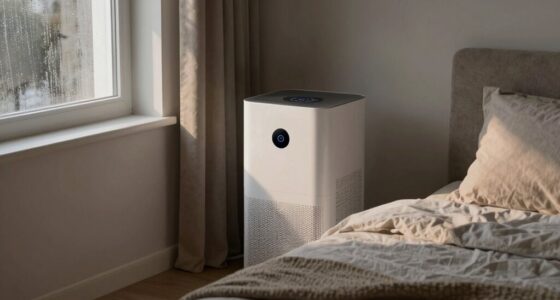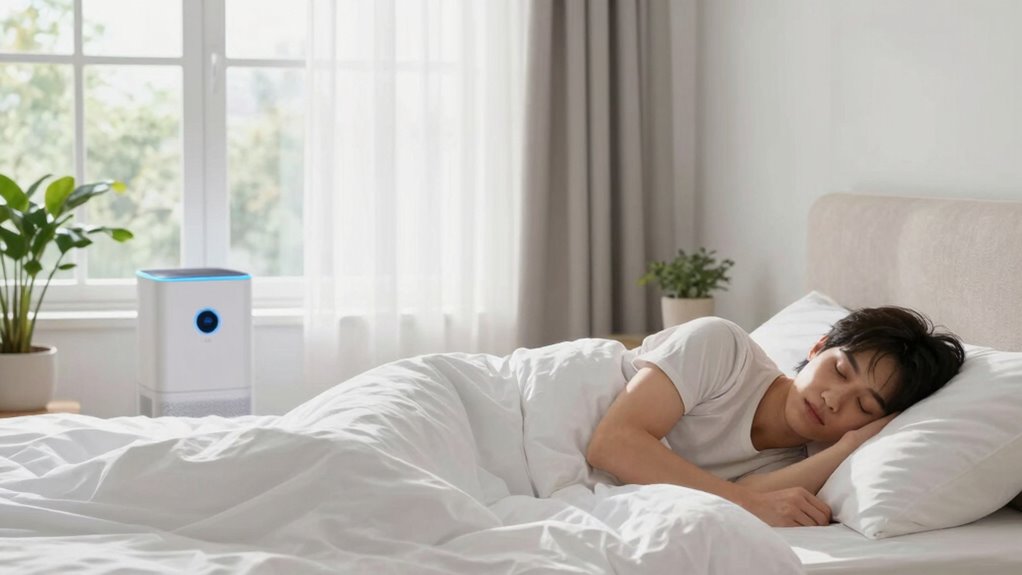

Improving indoor air quality can make your environment healthier, but it doesn’t always lead to better sleep perception. Your sense of restful sleep depends on other things like temperature, noise, lighting, and overall comfort. Even if the air is clean, you might still feel unrested if your space isn’t cozy or calming. To truly enhance how you perceive your sleep, it’s important to take into account all these factors together—there’s more to a good night’s rest than just clean air.

Get home appliances delivered free with Prime
- Fast, free delivery on millions of items
- Prime Video, Amazon Music and more included
- Member-only deals all year
Key Takeaways
- Better air quality improves health and reduces disturbances but does not automatically enhance sleep perception or quality.
- Sleep perception is influenced by comfort, noise, lighting, and emotional factors, beyond just air conditions.
- Clean, well-ventilated air supports overall well-being but is only one aspect of a holistic sleep environment.
- Perceived sleep quality depends on sensory comfort and psychological relaxation, not solely on air quality.
- Improving sleep perception requires addressing multiple environmental and emotional factors, not just air quality alone.
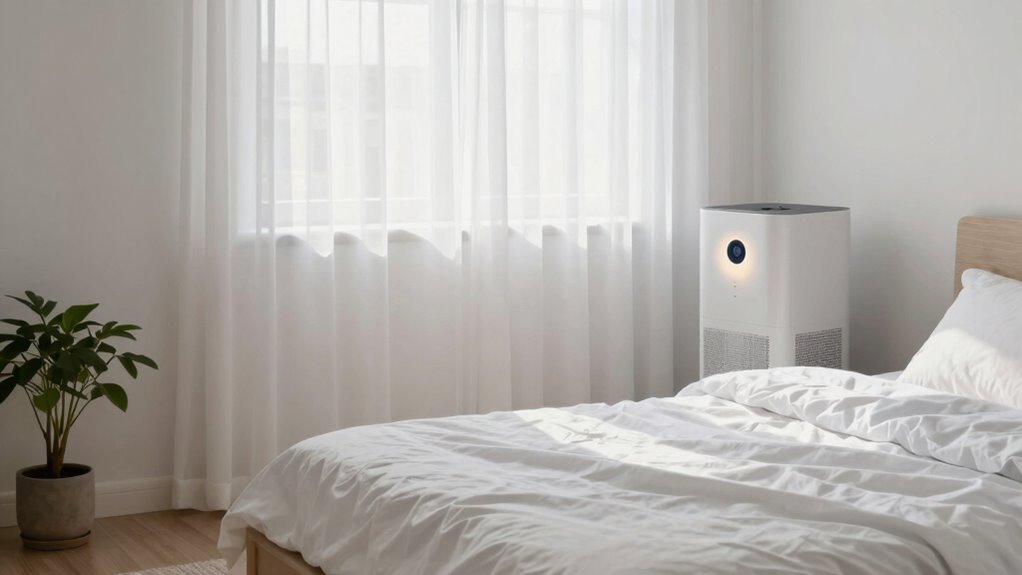
Many people believe that improving indoor air quality automatically leads to better sleep, but the two are not always directly connected. While a clean, well-ventilated space can contribute to a healthier sleep environment, it doesn’t guarantee that you’ll fall asleep faster or wake up feeling refreshed. Your perception of sleep quality can be influenced by many factors beyond just air quality. For example, if you focus solely on filtering out pollutants or increasing ventilation, you might overlook other essential elements that shape your sleep experience, such as comfort, stress levels, or routines.
Your sleep environment plays a vital role in how well you rest, but it encompasses more than just the air you breathe. Temperature, noise levels, lighting, and even your mattress and pillow all influence your sleep perception. When these factors are enhanced, you may feel like you’re sleeping better, even if the air quality isn’t perfect. Conversely, even with excellent air quality, a noisy or uncomfortable room can leave you feeling unrested. This highlights how your perception of sleep quality is often subjective, shaped by multiple sensory inputs and emotional states.
Multiple factors like temperature, noise, and comfort shape your sleep perception more than air quality alone.
It’s tempting to assume that improving air quality alone will boost your sleep, but scientific evidence shows that the connection isn’t always straightforward. For instance, reducing airborne allergens can help those with sensitivities, but if you’re stressed or anxious, your sleep may still be disrupted regardless of how clean the air is. Similarly, you might notice that fresh air and good ventilation make your sleep environment feel more inviting, but that doesn’t necessarily translate to better sleep duration or depth. Perception can be influenced by how comfortable and relaxed you feel in your space, which isn’t solely dependent on air quality. Additionally, understanding the importance of a holistic approach can help you create a more effective sleep environment.
In reality, creating an ideal sleep environment involves balancing multiple factors. Good air quality contributes to overall health and can reduce disturbances caused by allergies or pollutants, but it’s just one piece of the puzzle. Your perception of better sleep often hinges on how safe, comfortable, and calm your surroundings feel. When you pay attention to all these elements—air, temperature, noise, and lighting—you’re more likely to notice improvements in how rested you feel, even if the air quality alone isn’t the sole cause behind your sleep quality. This is supported by research emphasizing the importance of environmental factors in sleep quality. Recognizing the interplay of environmental and psychological factors can help you develop strategies that improve both your perception and actual sleep quality.
Additionally, maintaining air quality standards can positively influence your sleep health, but it’s essential to recognize that sleep quality is a complex interplay of various environmental and psychological factors.
As an affiliate, we earn on qualifying purchases.
Frequently Asked Questions
How Does Air Quality Specifically Impact Sleep Perception?
Poor air quality, caused by indoor pollutants like dust, mold, and chemicals, can negatively impact your sleep perception. When indoor pollutants are high, your oxygen levels drop slightly, making you feel less rested even if you’ve technically slept enough. Better air quality guarantees adequate oxygen levels, helping you breathe easier and wake up feeling more refreshed. By improving indoor air, you enhance your sleep perception and overall well-being.
Can Improving Air Quality Guarantee Better Sleep?
Think of your sleep as a delicate garden. Improving air quality through air filtration and humidity control can help nurture it, but it doesn’t guarantee perfect blooms. Clean air clears away irritants, and proper humidity prevents dryness or dampness, creating a healthier environment. Yet, other factors like stress or comfort also influence sleep. So, while better air profoundly boosts your chances, it’s not an absolute promise of restful nights.
What Are Common Misconceptions About Air Quality and Sleep?
Many believe that improving air quality alone guarantees better sleep, but that’s a misconception. While reducing air pollution can help, good sleep hygiene involves factors like consistent sleep schedules and a relaxing bedtime routine. You might think fresh air is enough, but other habits matter too. Poor sleep isn’t solely caused by air quality; it’s influenced by multiple elements, so tackling all aspects guarantees healthier, restful sleep.
How Quickly Can Air Improvements Influence Sleep Quality?
In just a few hours, air purification can noticeably nurture your sleep environment. When you improve air quality, you quickly clear contaminants, creating a cleaner, calmer space. This freshened atmosphere reduces respiratory disruptions and relaxes your mind, encouraging easier, more restful sleep. You’ll likely notice the benefits overnight, as cleaner air helps your body settle into a more peaceful, restorative sleep state faster than you might expect.
Are There Individual Differences in Perceiving Better Sleep?
Yes, your perception of better sleep varies based on individual differences in sleep comfort and perception accuracy. Some people notice improvements quickly because they’re more sensitive to changes, while others may need more time to perceive better sleep quality. Factors like stress, health, and environment influence this perception. Recognizing these differences helps you understand that feeling more rested isn’t solely about physical changes but also about how accurately you perceive those improvements.
adjustable smart bedroom lighting
As an affiliate, we earn on qualifying purchases.
As an affiliate, we earn on qualifying purchases.
Conclusion
Imagine your bedroom as a garden; fresh air is the sunlight that nurtures your plants, while good sleep is the blooming flower. Even if you breathe in cleaner air, without proper rest, your well-being can still wilt. Studies show that quality sleep boosts immune function and mental clarity. So, don’t just focus on improving air—think of sleep as the vibrant bloom that truly transforms your health. Balance both, and you’ll thrive like a garden in full bloom.
memory foam mattress for better sleep
As an affiliate, we earn on qualifying purchases.
As an affiliate, we earn on qualifying purchases.
temperature control sleep system
As an affiliate, we earn on qualifying purchases.
As an affiliate, we earn on qualifying purchases.
Cold & flu season Picks
humidifiers
As an affiliate, we earn on qualifying purchases.