
When your bedroom is too quiet, your brain becomes hyper-aware of tiny noises, making it hard to relax and fall asleep. Without background sounds, silence can feel unsettling or even eerie, triggering anxiety or racing thoughts. Natural ambient noises like traffic or rustling leaves help create a sense of normalcy and security, easing your mind. If you want to understand how filling this quiet with soothing sounds can improve your sleep, keep exploring.

Get home appliances delivered free with Prime
- Fast, free delivery on millions of items
- Prime Video, Amazon Music and more included
- Member-only deals all year
Key Takeaways
- Complete silence can trigger hyper-awareness, making it harder to relax and fall asleep.
- Lack of ambient noise may cause feelings of emptiness or anxiety, disrupting sleep comfort.
- Natural sounds and consistent background noise help create a sense of security and normalcy.
- Silent environments can make the brain interpret stillness as unnatural or threatening.
- Introducing soothing sounds or white noise masks silence, promoting relaxation and better sleep quality.
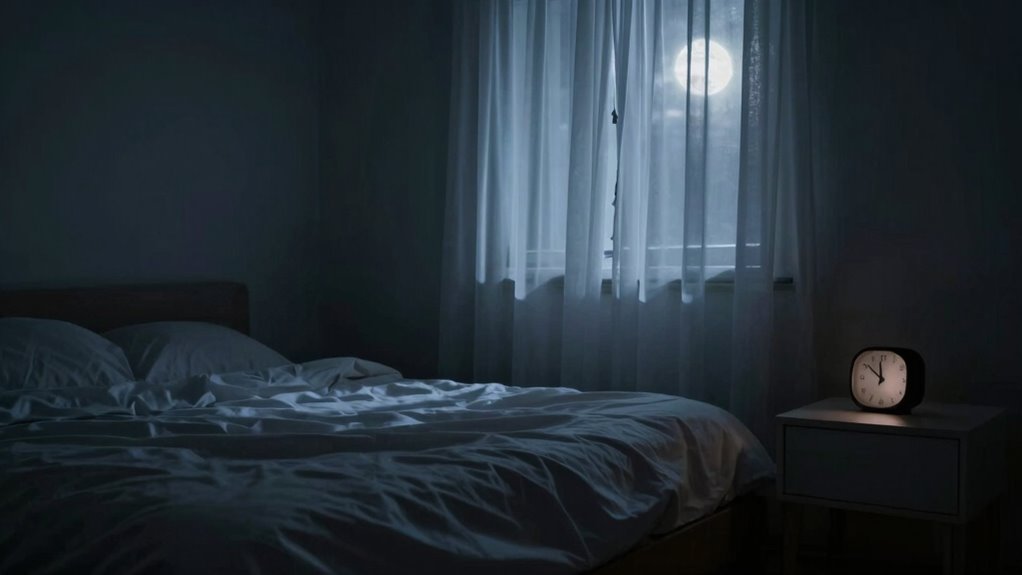
Have you ever noticed that some bedrooms feel eerily silent, making it hard to fall asleep? That quietness can be unsettling, especially if you’re used to some level of ambient noise. When your environment lacks any background sounds, your brain might become hyper-aware of every tiny noise or even the absence of sound itself. This heightened alertness can make relaxation difficult, leading to a restless night. Many people find that a complete absence of ambient noise creates a sense of emptiness, which can trigger anxiety or make your mind race, preventing you from slipping into sleep easily.
One effective way to combat this is through sound masking. Sound masking involves introducing a consistent, soothing background noise that helps drown out sudden or disruptive sounds. This technique isn’t about loud music or blaring noises; instead, it’s about gentle, ambient sounds that blend into the environment. White noise machines, for example, produce a steady hum that can help your brain focus on the sound rather than the silence or sporadic noises. This steady sound creates a calming atmosphere, reducing the perception of silence that might otherwise seem unnerving. By filling the silence with a gentle soundscape, you help your mind relax, making it easier to drift into sleep.
You might also notice that some bedrooms lack natural ambient noise, like distant traffic, rustling leaves, or even the hum of appliances. While these sounds are often subtle, they serve as natural sound masking, providing a sense of security and normalcy. When these sounds are absent, your brain may interpret the stillness as unnatural or even threatening, leading to sleep difficulties. In such cases, artificially recreating ambient noise can be beneficial. Playing soft nature sounds, rain, or gentle wind noises can mimic the presence of these natural background sounds, making the environment feel less eerie and more familiar. Utilizing ambient noise can be especially helpful in creating a more comfortable sleep setting. Incorporating indoor air quality solutions, such as air purifiers, can also improve overall comfort, reducing potential disruptions caused by indoor pollutants or dryness that might interfere with restful sleep. Additionally, maintaining good sleep hygiene practices can further enhance your sleep quality by establishing a calming pre-sleep routine. Paying attention to sound environment and ensuring it supports relaxation can make a significant difference in your overall sleep experience. Research indicates that the presence of consistent, soothing background sounds can also help regulate your internal body clock, aligning your sleep patterns more effectively.
Ultimately, the key is to create an environment that feels safe and comfortable, where your brain isn’t fixated on the absence of sound. Sound masking helps fill that void, providing a consistent auditory backdrop that promotes relaxation. If your bedroom feels too quiet, consider integrating some form of ambient noise—whether through a sound machine or natural sounds—to help your mind settle and ease you into restful sleep. It’s all about replacing unsettling silence with soothing, predictable sounds that lull you into a peaceful night.
As an affiliate, we earn on qualifying purchases.
Frequently Asked Questions
Can Adding Background Noise Improve Sleep Quality in Quiet Bedrooms?
Yes, adding background noise like white noise can improve your sleep quality in quiet bedrooms. White noise creates acoustic comfort by masking sudden sounds that might wake you up. It helps your brain relax, making it easier to fall asleep and stay asleep throughout the night. If your bedroom feels too silent, incorporating white noise can establish a consistent sound environment, promoting deeper, more restful sleep.
Are There Health Risks Associated With Overly Silent Sleeping Environments?
Think of your quiet bedroom as a peaceful lake, but silence can sometimes hide hidden risks. Overly silent environments may increase stress or anxiety, as your mind seeks stimulation. There’s no direct health risk from silence itself, but prolonged exposure to noise pollution—like constant silence—can disrupt sleep and elevate cortisol levels. Sound therapy, such as gentle white noise, can help balance this silence, promoting better rest and overall well-being.
How Does Bedroom Silence Affect Sleep Cycles and REM Sleep?
Silence discomfort can cause sleep disruption, especially if you’re sensitive to quiet. When your bedroom is too silent, it might make you hyper-aware of sounds or breathing, leading to difficulty falling asleep or staying asleep. This disruption affects your sleep cycles, including REM sleep, which is vital for rest and memory. To improve sleep, consider gentle background noise or white noise machines to reduce silence discomfort and promote more restful sleep.
What Are Some Inexpensive Ways to Introduce Comforting Sounds?
If your bedroom feels too quiet, try using inexpensive sound masking devices or apps that generate ambient noise, like gentle rain or white noise. For example, Sarah started playing a free white noise app each night, which helped her relax and fall asleep faster. These sounds create a comforting environment, block out disruptive noises, and promote better sleep cycles. Embracing ambient noise can make your bedroom feel cozier and more conducive to restful sleep.
Does the Absence of Natural Sounds Influence Sleep Anxiety?
Yes, the absence of natural sounds can heighten your sound sensitivity and trigger sleep distraction, increasing sleep anxiety. When your bedroom feels too quiet, you might become more aware of every tiny noise, making it harder to relax. Introducing gentle, comforting sounds can help mask these distractions, creating a more soothing environment. This way, you can reduce your sound sensitivity and ease sleep anxiety for a more restful night.
nature sound machine for bedroom
As an affiliate, we earn on qualifying purchases.
As an affiliate, we earn on qualifying purchases.
Conclusion
A quiet bedroom can feel peaceful, yet sometimes it’s too silent, making it hard to sleep. While silence offers calm, too much of it can heighten your senses and keep your mind active. Finding the right balance—perhaps with gentle background sounds—can make your space feel cozy rather than unsettling. Remember, a little noise isn’t a disturbance; it’s a gentle invitation to relax and drift off peacefully, turning silence into a comforting lullaby.
ambient noise generator for sleep
As an affiliate, we earn on qualifying purchases.
As an affiliate, we earn on qualifying purchases.
As an affiliate, we earn on qualifying purchases.
NFL season / tailgating Picks
team gear
As an affiliate, we earn on qualifying purchases.