

One common evening mistake that causes overheating starts outside the bed—like neglecting to manage your environment or routines. If you leave your bedroom warm, poorly ventilated, or expose yourself to blue light from screens, your body struggles to cool down naturally. Engaging in vigorous activity or eating heavy meals before bed also raises your core temperature. Paying attention to these habits can make a big difference, and you’ll discover more ways to prevent overheating if you keep exploring.

Get home appliances delivered free with Prime
- Fast, free delivery on millions of items
- Prime Video, Amazon Music and more included
- Member-only deals all year
Key Takeaways
- Engaging in vigorous exercise late in the evening raises core body temperature, making overheating more likely during sleep.
- Using electronic devices before bed exposes blue light, suppresses melatonin, and disrupts internal temperature regulation.
- Consuming heavy meals, caffeine, or alcohol in the evening increases internal heat, hindering natural cooling processes.
- Poorly ventilated or warm bedroom environments from the start impede the body’s ability to cool down overnight.
- Inconsistent or disruptive evening routines prevent the body from signaling readiness for sleep, affecting thermoregulation.
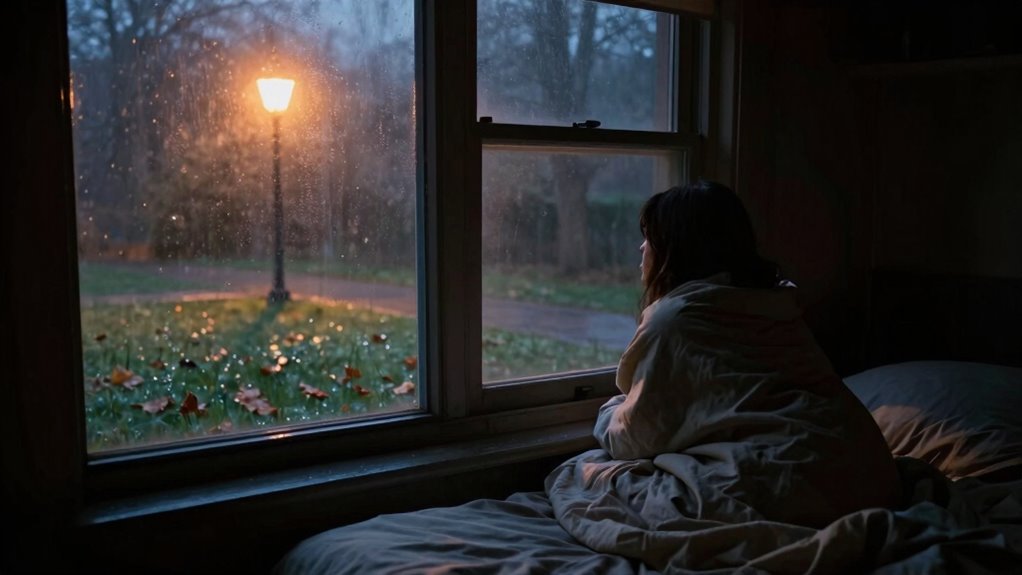
Many people overlook how their evening environment can set the stage for overheating during the night. What you do before bed, your sleep environment, and your bedtime routines all play vital roles in maintaining a comfortable body temperature while you sleep. If your surroundings are too warm or your routines aren’t helping you cool down, you’re more likely to wake up feeling sweaty and uncomfortable. It’s easy to focus solely on what happens inside your bed—like choosing the right sheets or adjusting the thermostat—but the real issue often starts outside the bed, in how you prepare for sleep.
Your sleep environment is key. If your bedroom is too warm or lacks proper airflow, it’s difficult for your body to cool down naturally. Many forget that the temperature of your room should ideally be between 60 and 67 degrees Fahrenheit. Beyond just adjusting the thermostat, you can open a window, use a fan, or invest in breathable bedding to enhance ventilation. These small changes can prevent heat buildup during the night, which often begins from an environment that’s already too warm. Also, consider the lighting and noise levels—bright lights and loud sounds can stimulate your senses, making it harder for your body to relax and cool off. Proper room temperature regulation is crucial for supporting your body’s natural cooling processes. Additionally, maintaining a consistent sleep schedule can help regulate your internal temperature and improve your overall sleep quality.
Keep your bedroom cool, well-ventilated, and quiet to support natural cooling and restful sleep.
Your bedtime routines also have a significant impact. How you wind down in the evening influences your body’s ability to prepare for restful sleep. Engaging in activities that raise your core temperature, like vigorous exercise, right before bed can cause your body to stay warmer when you’re trying to sleep. Instead, opt for calming routines such as reading, gentle stretching, or taking a cool shower. A cool shower can lower your skin temperature and help you feel more comfortable once you’re in bed. Avoid heavy meals, caffeine, and alcohol close to bedtime—they all can increase internal heat or disrupt your natural cooling process. Incorporating relaxation techniques into your evening can further aid in lowering your body temperature and promoting better sleep. Remember, your overall lifestyle habits before bed greatly influence your comfort levels overnight.
Furthermore, how you manage your evening habits shapes your sleep environment and bedtime routines, ultimately affecting your body’s ability to cool down. Keep electronic devices out of the bedroom or at least away from your sleeping area, as the blue light emitted can interfere with melatonin production and disrupt your sleep cycle. Developing a consistent bedtime routine signals to your body that it’s time to wind down, which promotes better thermoregulation. When your environment is cool, your routines are calming, and you’re mindful of what you consume before bed, you’re less likely to wake up feeling overheated and sweaty. Remember, the key to avoiding overheating during sleep isn’t just about what happens under the covers—it starts well before you lie down. Proper sleep environment and routines are essential for a comfortable night’s rest.
As an affiliate, we earn on qualifying purchases.
Frequently Asked Questions
How Can I Prevent Overheating Before Bedtime?
To prevent overheating before bedtime, make certain proper bedroom ventilation by opening windows or using a fan to keep the air cool. Choose breathable sleepwear made from natural fabrics like cotton or linen to help regulate your body temperature. Avoid heavy blankets and opt for lightweight bedding. These steps help you stay comfortable, cool down faster, and enjoy a restful sleep without overheating, setting the perfect stage for a good night’s rest.
What External Factors Contribute to Evening Overheating?
External factors like outdoor temperature and bedding materials considerably contribute to evening overheating. If it’s hot outside, your body struggles to cool down, especially if your bedding traps heat. Heavy or non-breathable fabrics can trap warmth, making it harder to stay cool. To prevent overheating, choose lightweight, breathable bedding and keep your room at a comfortable temperature. Adjusting these external factors helps you sleep more peacefully and stay cool all night.
Are Certain Sleep Environments More Prone to Overheating?
Some sleep environments are like cozy ovens, trapping heat and making you sweat. Poor bedroom ventilation turns your space into a heat trap, while heavy sleepwear choices act like insulation, keeping warmth in. To stay cool, choose a well-ventilated room and opt for light, breathable sleepwear. Creating a breezy, comfortable oasis helps prevent overheating, ensuring you drift into a cool, restful sleep instead of waking up drenched.
How Does Evening Overheating Affect Overall Sleep Quality?
When you experience evening overheating, it disrupts melatonin production and causes circadian misalignment, leading to poorer sleep quality. You might find it harder to fall asleep or stay asleep, waking up feeling unrefreshed. Over time, this disruption can impair overall health, mood, and cognitive function. To improve sleep, you should regulate your sleep environment, avoid overheating, and maintain consistent sleep schedules to support your natural circadian rhythms.
Can Lifestyle Changes Reduce Evening Overheating Issues?
Yes, lifestyle changes can dramatically reduce evening overheating. Imagine turning your body into a cool oasis instead of a fiery furnace! You can achieve this with simple diet adjustments—like cutting spicy foods and caffeine—and stress management techniques such as meditation or deep breathing. These small changes can cool your evenings, improve sleep quality, and help you wake up refreshed, feeling like you’ve just stepped out of a soothing, icy waterfall.
As an affiliate, we earn on qualifying purchases.
Conclusion
By paying attention to your evening routine and avoiding outside-the-bed overheating habits, you can improve your sleep quality considerably. Did you know that nearly 60% of adults experience sleep disturbances caused by temperature issues? It’s surprising how small changes—like adjusting your thermostat or choosing breathable pajamas—can make a big difference. Take control of your sleep environment tonight, and enjoy more restful, cooler nights ahead. Your body will thank you for it!
As an affiliate, we earn on qualifying purchases.
As an affiliate, we earn on qualifying purchases.
Fall yard work Picks
leaf blowers
As an affiliate, we earn on qualifying purchases.