An orthopedic mattress is designed to support your spine and joints by promoting proper alignment and pressure relief. It helps reduce aches, stiffness, and long-term musculoskeletal problems by supporting natural curves and maintaining healthy posture during sleep. Made with high-quality, supportive materials like memory foam or reinforced innersprings, it’s ideal for those with chronic pain or wanting better sleep hygiene. Keep exploring to understand how these mattresses can benefit you further.
Key Takeaways
- An orthopedic mattress is designed to support proper spine and joint alignment during sleep.
- It features firmer support and specialized materials to relieve pressure and reduce pain.
- The mattress promotes correct sleep posture to prevent long-term musculoskeletal issues.
- It often includes advanced support systems like zoned support or memory foam.
- Orthopedic mattresses are ideal for individuals with back, joint, or musculoskeletal problems.
What Is an Orthopedic Mattress?

What exactly is an orthopedic mattress? It’s designed to support your sleep posture, ensuring proper alignment of your spine and joints. When you sleep on an orthopedic mattress, you’re less likely to toss and turn, which helps maintain good posture throughout the night. The right support not only improves sleep quality but also enhances mattress longevity by reducing uneven wear and tear. Unlike regular mattresses, orthopedic ones are made with specialized materials that contour to your body, providing targeted support where you need it most. This means your mattress can last longer because it maintains its shape and support over time. Additionally, understanding the materials used in orthopedic mattresses can help you choose the best option for your needs. If you want better sleep and a durable investment, understanding what makes an orthopedic mattress unique is the first step.
Why Do Orthopedic Mattresses Matter?
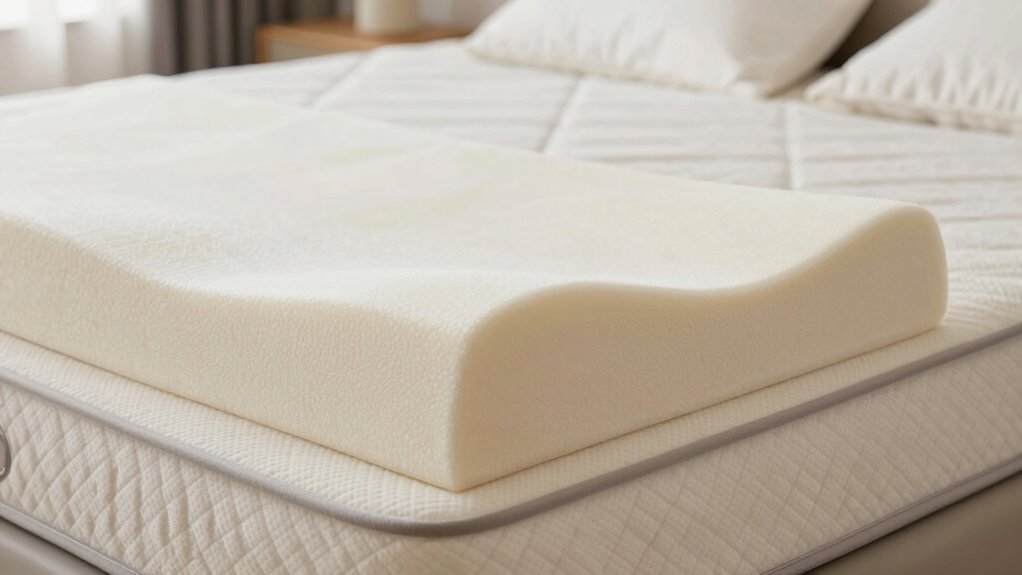
Orthopedic mattresses matter because they play a crucial role in maintaining proper sleep posture and preventing pain. Good sleep hygiene depends on a supportive mattress that aligns your spine and reduces pressure points. When your mattress provides proper support, you’re less likely to wake up with aches or stiffness. Additionally, a well-maintained mattress enhances sleep quality by minimizing allergens and dust buildup. Regular mattress maintenance, like cleaning and rotating, keeps it in prime condition, ensuring continued support and comfort. This practice is similar to maintenance schedules used in other areas of home care, which help extend the lifespan of your mattress and promote healthier sleep habits. Prioritizing an orthopedic mattress and proper maintenance helps you wake up refreshed, reducing discomfort and supporting overall well-being.
What Features Make a Mattress Orthopedic?

A mattress becomes orthopedic when it features support systems specifically designed to promote proper spinal alignment and alleviate pressure points. These features help improve your sleep hygiene by ensuring you wake up refreshed and without aches. Look for mattresses with high-quality materials that maintain their shape over time, enhancing mattress durability. An orthopedic mattress often includes zoned support or memory foam that responds to your body’s contours, reducing strain on your back and joints. The right support prevents sagging and uneven wear, contributing to longer-lasting comfort. Good mattress durability means you won’t need to replace it frequently, providing ongoing support for your spinal health. Additionally, material quality plays a crucial role in maintaining the mattress’s effectiveness over years of use. Ultimately, these features work together to create a sleep environment that encourages proper rest and spinal well-being.
How Do Orthopedic Mattresses Support Your Spine?

Orthopedic mattresses support your spine by promoting proper alignment, helping you wake up pain-free. They evenly distribute pressure, reducing stress on your joints and muscles. This combination keeps your backbone in a healthy position throughout the night.
Proper Spine Alignment
Because proper spine alignment is essential for restful sleep and long-term health, selecting a mattress that supports this is important. An orthopedic mattress promotes spinal health by maintaining your natural sleep posture, preventing unnecessary strain. When your spine stays aligned, you reduce the risk of aches and discomfort, guaranteeing you wake up refreshed. These mattresses contour to your body, offering consistent support along your neck, back, and hips. Proper spine alignment also helps keep your muscles and ligaments relaxed, minimizing tension. If your mattress encourages good sleep posture, it helps you avoid misalignments that could cause pain or long-term issues. In short, an orthopedic mattress ensures your spine remains properly aligned throughout the night, supporting both immediate comfort and long-term well-being. Additionally, choosing a vetted mattress ensures you receive a high-quality product that effectively promotes spinal health.
Pressure Distribution Benefits
Since uneven pressure on your body can lead to discomfort and pain, orthopedic mattresses are designed to evenly distribute your weight across the surface. This pressure distribution provides enhanced pressure relief, reducing stress on sensitive areas like your hips, shoulders, and back. By contouring to your body’s shape, the mattress promotes better body contouring, ensuring your spine stays aligned and supported throughout the night. This even support prevents pressure points that can cause tossing and turning, helping you fall asleep faster and stay asleep longer. The improved pressure distribution not only alleviates existing aches but also helps prevent future discomfort by supporting healthy spinal and joint alignment. Regular use of an orthopedic mattress can also reduce the risk of joint pain, promoting overall musculoskeletal health. Ultimately, it creates a more comfortable, restorative sleep experience.
How Are Orthopedic and Regular Mattresses Different?
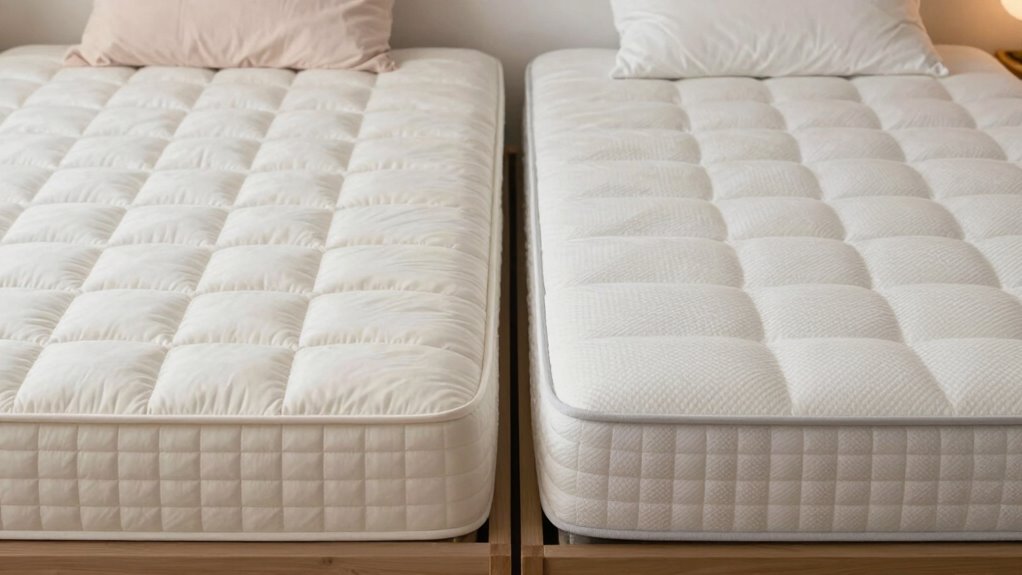
You’ll notice that orthopedic mattresses typically offer higher support levels and are firmer than regular mattresses, which often prioritize softness. The materials used also differ, with orthopedic beds made from specialized foams or latex designed to maintain proper spinal alignment. Understanding these differences can help you choose the right mattress for your specific needs.
Support Levels and Firmness
Orthopedic mattresses are designed to provide targeted support that promotes proper spinal alignment, often making them firmer than regular mattresses. This firmness level helps reduce pressure points and supports your body’s natural posture. Support types vary, with some mattresses offering extra firmness, while others provide medium support. Your choice depends on your specific needs and preferences. Additionally, the energy efficiency of the mattress can impact its overall sustainability and your long-term comfort.
Material Composition Differences
The materials used in mattress construction play a significant role in determining their support and durability. Orthopedic mattresses often feature higher foam density, providing better weight distribution and pressure relief, which benefits joint health. Regular mattresses might use lower-density foam, offering less support over time. Coil type is another key difference; orthopedic models typically incorporate pocket coils or reinforced innersprings for targeted support, while standard mattresses may use Bonnell coils, which are less contouring. The choice of materials influences how well the mattress maintains its shape and supports your body’s natural curves. Foam density is a crucial factor that impacts the longevity and supportiveness of the mattress. By understanding these material composition differences, you can better assess which mattress suits your specific needs, especially if orthopedic support is essential for your comfort or medical condition.
What Are the Benefits of an Orthopedic Mattress?

An orthopedic mattress offers several benefits that can substantially improve your sleep quality and overall health. It provides better support for your spine, helping to reduce pain and discomfort. Improved support promotes healthy sleep hygiene by encouraging proper alignment and minimizing tossing and turning. Additionally, investing in a quality orthopedic mattress can enhance mattress longevity, meaning you’ll get more use out of it over time. For example, project management support from professionals ensures your mattress meets your specific needs. Here are some key benefits:
- Alleviates back and joint pain by supporting the body’s natural curves
- Promotes better sleep hygiene through consistent, proper spinal alignment
- Extends mattress lifespan, saving you money in the long run
Who Should Consider an Orthopedic Mattress?

People who experience chronic back or joint pain can especially benefit from an orthopedic mattress, as it provides targeted support that aligns the spine and relieves pressure points. If you’re looking to improve your sleep hygiene, investing in the right mattress is essential. An orthopedic mattress helps you maintain proper posture throughout the night, reducing discomfort and promoting better rest. Additionally, it’s important to think about mattress maintenance; regularly rotating and cleaning your mattress ensures it remains supportive and hygienic. This not only extends its lifespan but also contributes to healthier sleep. If you’re dealing with musculoskeletal issues or want to prevent future problems, an orthopedic mattress can be a valuable addition to your sleep routine. Incorporating bed support features can further enhance comfort and longevity of your mattress.
What Materials and Technologies Are Used in Orthopedic Mattresses?

Orthopedic mattresses incorporate advanced materials and innovative technologies designed to provide ideal support and durability. These mattresses often use high-quality foam with specific features. Higher foam density means better support and longer-lasting comfort, preventing sagging and maintaining proper spine alignment. Memory foam, known for conforming to your body shape, reduces pressure points and offers personalized support, especially beneficial for joint or back pain. Layered technologies, such as cooling gel-infused foam or pocket springs, are often combined to enhance support, airflow, and durability. Additionally, proper sleep positions play a crucial role in maximizing the benefits of an orthopedic mattress.
Frequently Asked Questions
Can an Orthopedic Mattress Help With Specific Back Conditions?
Yes, an orthopedic mattress can help with specific back conditions by supporting your sleep posture and maintaining proper spinal alignment. The right firmness level is essential; a medium-firm mattress often provides ideal support, reducing pressure points and alleviating pain. By choosing an orthopedic mattress tailored to your needs, you can improve sleep quality and potentially ease back discomfort, making your nights more restful and pain-free.
How Long Does an Orthopedic Mattress Typically Last?
An orthopedic mattress typically lasts around 7 to 10 years, with mattress durability and material longevity playing key roles. Did you know that high-quality memory foam can extend your mattress’s life by resisting sagging? You can usually expect your mattress to maintain proper support and comfort through this period if you care for it properly. Regular rotating and using a supportive foundation can also help prolong its lifespan.
Are Orthopedic Mattresses Suitable for All Sleeping Positions?
Orthopedic mattresses can suit various sleeping postures, but their suitability depends on mattress firmness. If you sleep on your side, a softer option may relieve pressure, while back and stomach sleepers might prefer medium to firm firmness for proper spinal alignment. Ultimately, choose an orthopedic mattress that matches your sleeping posture and personal comfort preferences to guarantee adequate support and a restful night’s sleep.
What Is the Cost Range for a Quality Orthopedic Mattress?
You can expect to pay between $500 and $2,000 for a quality orthopedic mattress. Pricing options vary based on material differences like memory foam, latex, or innerspring, which influence comfort and durability. Higher-end models often feature advanced support and premium materials, while budget options still provide essential orthopedic benefits. Consider your needs and budget carefully, as investing in the right mattress can improve sleep quality and reduce pain.
How Do I Know if I Need an Orthopedic Mattress?
You might need an orthopedic mattress if you experience persistent back, neck, or joint pain, or if your sleep posture causes discomfort. Look for a mattress that offers proper support and aligns your spine, often made of memory foam. If you notice you wake up stiff or sore, switching to an orthopedic mattress can improve your sleep quality by promoting better sleep posture and reducing pressure points.
Conclusion
Now that you know what makes an orthopedic mattress special, imagine how it could transform your sleep and daily life. Are you ready to experience true rest and wake up refreshed? The right mattress might be closer than you think—waiting to support your spine and ease your pain. Don’t settle for less; your perfect night’s sleep could be just one choice away. Are you prepared to discover what you’ve been missing?