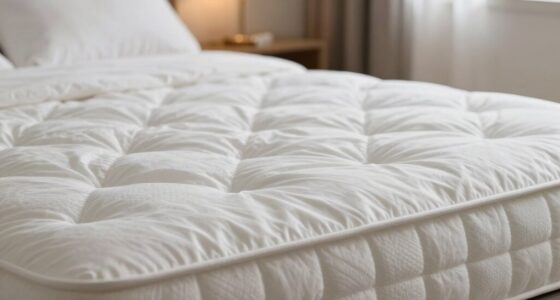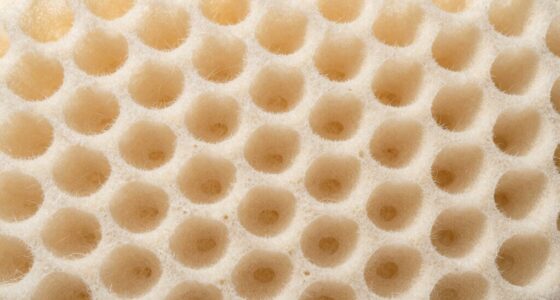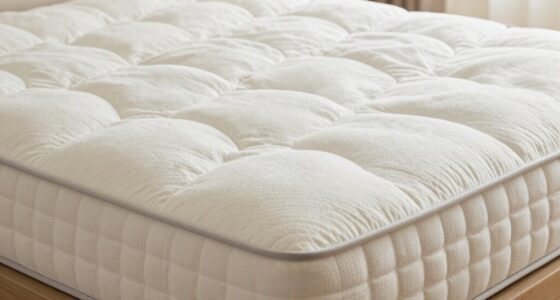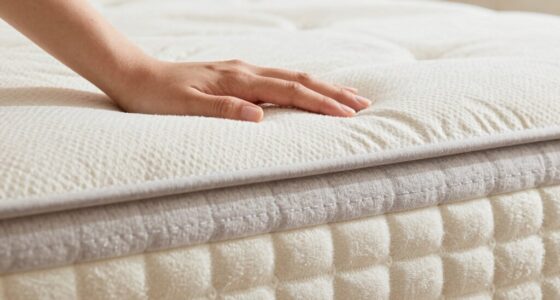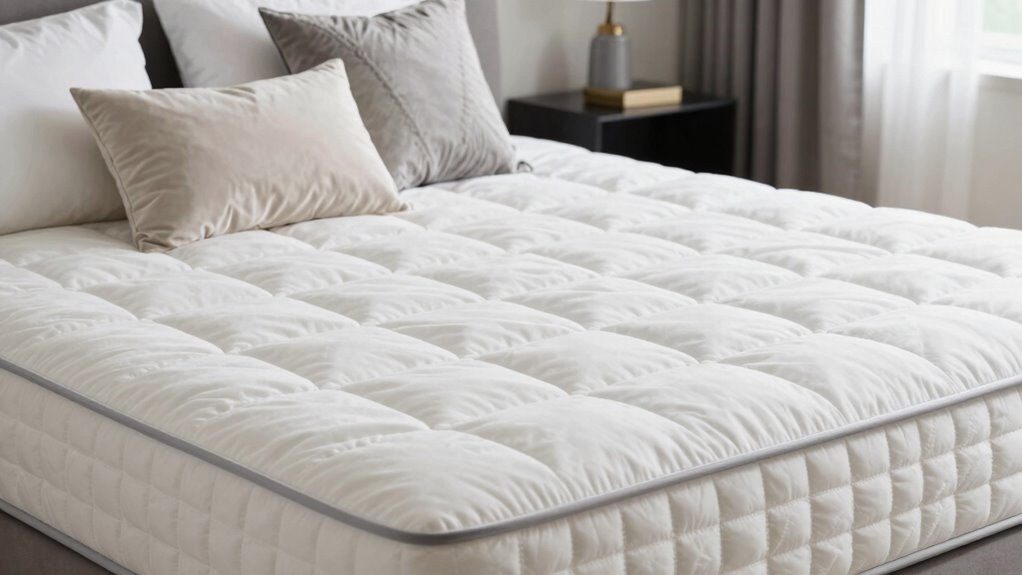

Understanding mattress terms helps you choose the right sleep surface confidently. Know your options, from memory foam to innerspring and hybrid models, and what materials like latex or foam provide support and comfort. Recognize key features such as firmness levels, size compatibility, durability, and labels indicating quality or eco-friendliness. Proper maintenance prolongs your mattress’s life, while knowing about pricing and value ensures you invest wisely. Continue exploring to get the clarity you need for the perfect sleep setup.

Get home appliances delivered free — and shop member deals
- Fast, free delivery on millions of items
- Access to Prime Big Deal Days deals on October 6–7
- Prime Video, Amazon Music and more included
Key Takeaways
- Understand mattress types (memory foam, innerspring, hybrid, latex) and their construction to choose the right support and feel.
- Know firmness levels (soft to extra firm) and how to test them by lying in your sleep position for accurate selection.
- Recognize key features like pressure relief, breathability, hypoallergenic materials, and support layers for better sleep quality.
- Learn maintenance tips such as rotating, vacuuming, and using protectors to extend mattress lifespan and hygiene.
- Review labels and warranties to ensure safety standards, eco-friendliness, and value for your investment.
What Are Your Mattress Options?
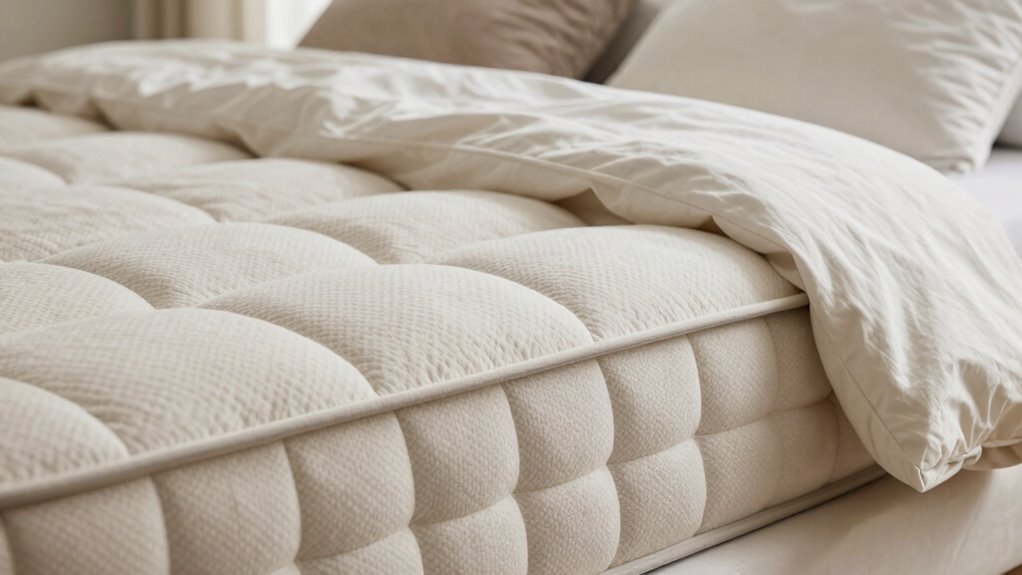
Are you wondering what types of mattresses are available to suit your sleep needs? There’s a variety of options to explore, from memory foam and innerspring to hybrid models and latex mattresses. Your choice depends on comfort preferences and support needs. Along with the mattress type, consider your bed frame options—platform beds, adjustable bases, or box springs—all influence your sleep experience. Delivery methods also matter; you can opt for traditional in-store purchases, online orders, or white-glove delivery services that set up your mattress for you. Each method offers different convenience levels, so pick what fits your schedule and preferences. Understanding these options helps you make an informed choice, ensuring a comfortable, restful night every time. For optimal comfort, paying attention to sleep surface technology can significantly enhance your overall sleep quality.
How Do You Know Your Mattress Firmness?
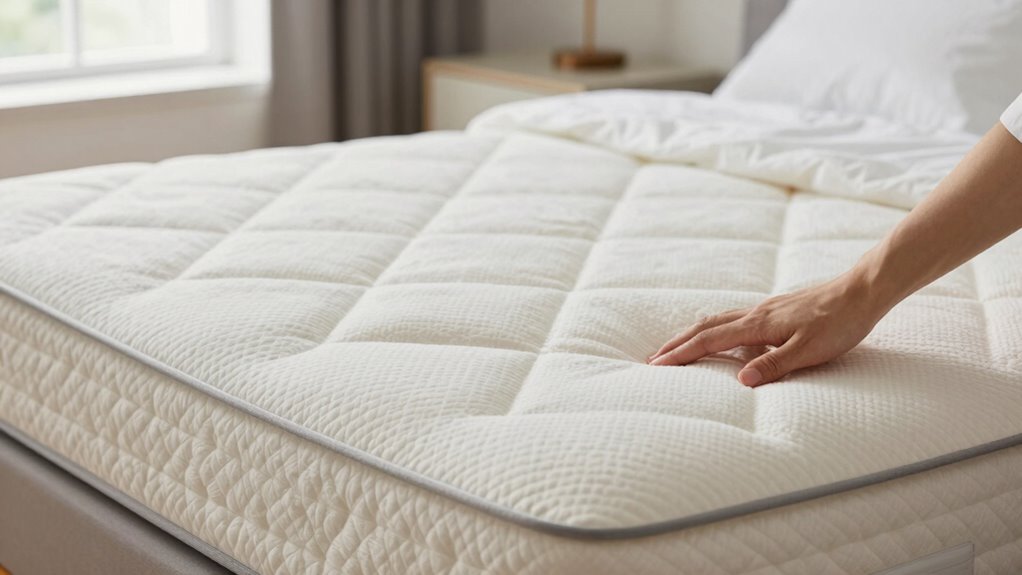
Determining your mattress firmness involves paying close attention to how the mattress feels when you lie down. To gauge whether it’s right for you, consider these steps:
- Use your sleep trial—many brands offer a period to test firmness and decide if it suits your comfort.
- Check the firmness scale, which rates mattresses from soft to extra firm, helping you identify your preference.
- Lie in your usual sleep position for at least 10-15 minutes to assess support and comfort.
- Remember to build a home fitness routine that can enhance your overall sleep quality and posture, contributing to better mattress support.
If you find yourself waking up with aches or feeling unsupported, the firmness might not be right. Remember, a good sleep trial allows you to test different firmness levels without commitment, ensuring you find your perfect match.
What Materials Are Used in Mattresses?
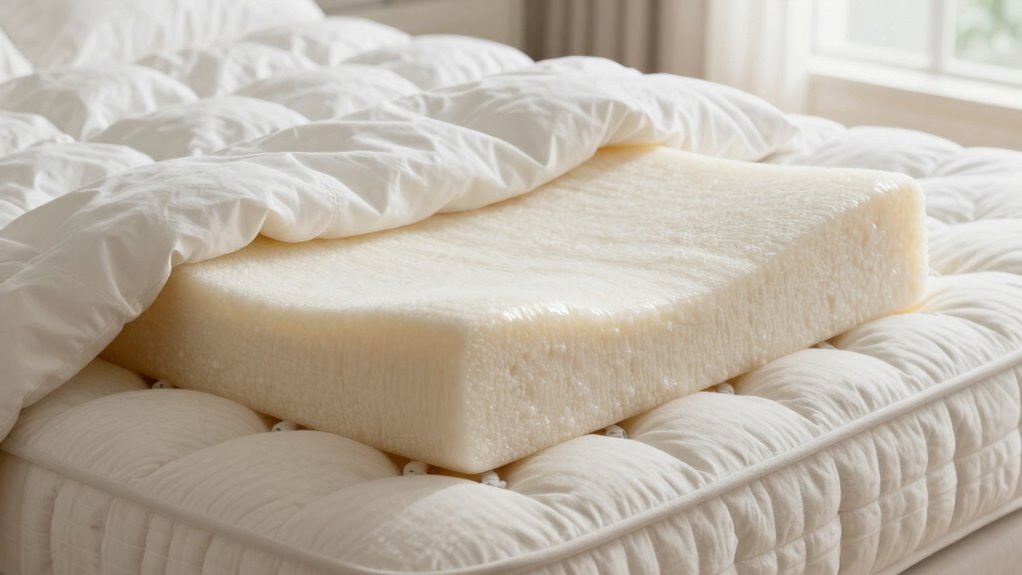
Mattresses are crafted from a variety of materials designed to provide comfort, support, and durability. Foam types are common, including memory foam, latex foam, and polyurethane foam, each offering different feel and responsiveness. Memory foam contours to your body, while latex provides a more resilient and breathable option. The comfort layer often incorporates these foams to enhance pressure relief. Beneath that, support layers may include innerspring coils or dense foam blocks. Fabrics covers also play a pivotal role, made from materials like cotton, polyester, or blends that affect breathability, softness, and durability. The choice of fabric cover influences moisture-wicking and temperature regulation, making it an essential part of your mattress’s overall comfort and longevity. Additionally, sustainable and eco-friendly materials are increasingly being used to promote environmentally conscious mattress manufacturing practices.
Which Mattress Features Matter Most?
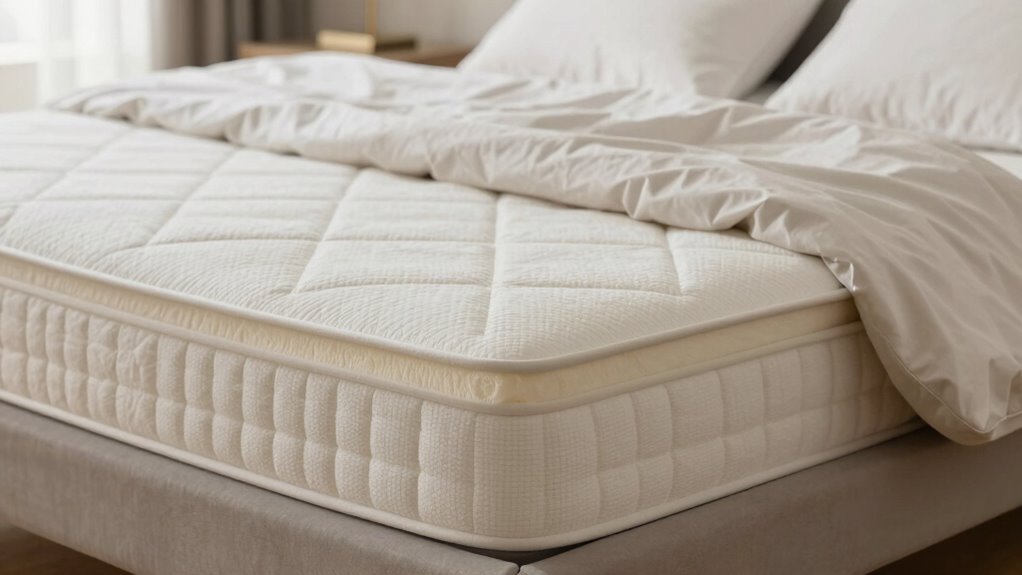
When choosing a mattress, certain features substantially impact your comfort, support, and overall sleep quality. The right mattress should align with your sleep posture and address allergy considerations. Here are the top features that matter most:
- Support and Firmness – Ensures proper spinal alignment, especially if you sleep on your side, back, or stomach.
- Pressure Relief – Reduces aches by cushioning your body’s curves, vital for side sleepers.
- Hypoallergenic Materials – Minimize allergy triggers, ideal if you’re sensitive or prone to allergies.
– Additionally, silly tantrums or pet antics during photoshoots can remind us that embracing imperfections often leads to the most memorable moments.
Focusing on these features helps you find a mattress that promotes better sleep, supports your posture, and keeps allergens at bay. Prioritize what matters most to your unique needs for a restful night.
What Are Standard Mattress Sizes?
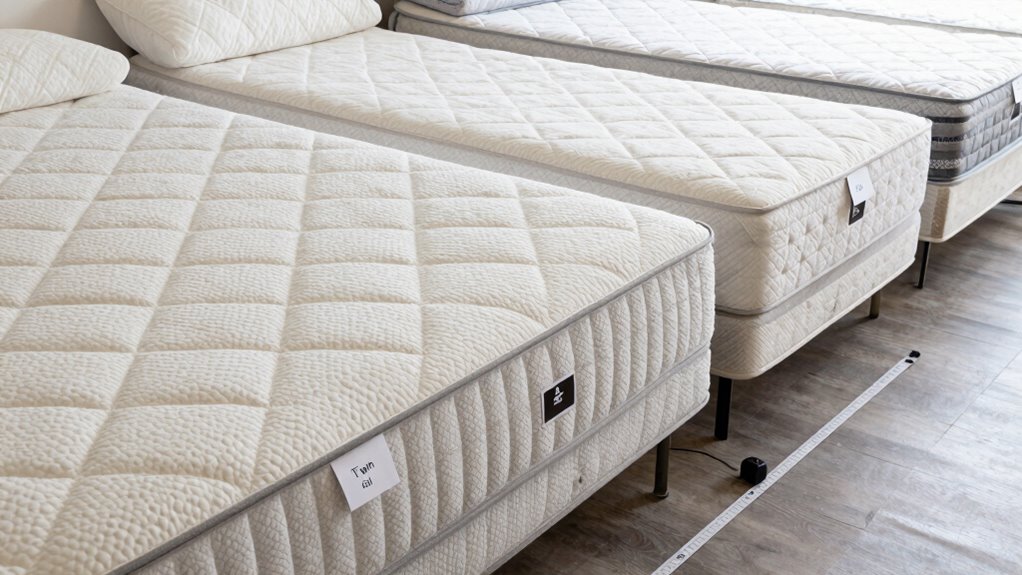
Standard mattress sizes are designed to fit a variety of spaces and sleep needs, making it easier to choose the right fit for your bedroom. Knowing the standard sizes helps guarantee bed frame compatibility, so your mattress comfortably fits your existing frame or guides your new purchase. Common options include Twin, Full, Queen, King, and California King, each suited for different room sizes and storage preferences. Opting for a standard size also makes mattress recycling options more straightforward, as these sizes are widely accepted by recycling programs and donation centers. Additionally, understanding mattress dimensions ensures you select a size that accommodates your sleeping style and space constraints effectively. By understanding these measurements, you can select a mattress that fits your space perfectly, suits your sleeping habits, and aligns with your eco-friendly goals.
How Long Do Mattresses Last?
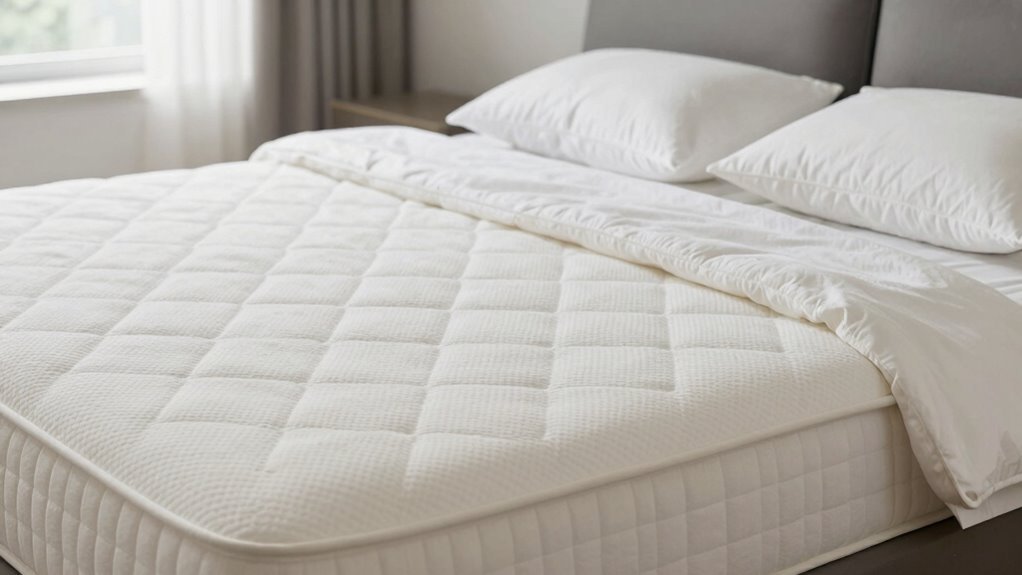
Understanding how long your mattress will last is essential for maintaining a comfortable and healthy sleep environment. The typical mattress lifespan varies depending on materials and usage, but most last between 7 to 10 years. Knowing this helps you plan for replacements and guarantees ideal bed durability. Here are key factors influencing mattress lifespan:
- Material quality – higher-quality materials usually mean longer durability.
- Usage frequency – daily use can shorten your mattress’s lifespan.
- Care and maintenance – regular rotating and proper support extend longevity.
- Mattress lifespan can also be affected by the presence of allergens and dust mites, which can degrade materials over time.
What Do Mattress Labels and Technologies Signify?

Mattress labels and technologies can tell you a lot about a mattress’s features and safety standards. By understanding these symbols and labels, you can make better-informed decisions when shopping. Let’s explore what these markings and innovations really mean for your comfort and health. Knowing how to interpret these safety and quality standards can help you choose a mattress that’s both reliable and safe for long-term use.
Mattress Label Symbols Explained
When you look at mattress labels, the symbols and icons can seem confusing at first, but they actually convey important information about the product’s features and safety standards. Understanding these symbols helps you make smarter choices. For example:
- A bed bug prevention icon indicates the mattress has treatments to reduce pests and prevent infestations.
- An eco-friendly label shows the mattress is made from sustainable, environmentally conscious materials.
- A certification symbol confirms the mattress meets safety standards, like fire resistance or low chemical emissions.
- Additionally, symbols related to Free Floating technology may indicate the presence of advanced comfort layers that adapt to your sleeping position, enhancing overall sleep quality.
Knowing these symbols ensures you’re selecting a mattress that aligns with your needs—whether it’s for bed bug prevention, eco-conscious living, or safety compliance. Always check labels for clear indicators of quality and features crucial to your sleep environment.
Understanding Mattress Technologies
Ever wonder what your mattress labels really mean when they mention different technologies? These labels reveal how your bed supports comfort, durability, and sleep quality. For example, a bed in a box with memory foam offers pressure relief, while hybrid mattresses combine innerspring coils with foam layers for balance. Understanding these labels helps you choose what suits your sleep needs best.
| Technology Type | What It Offers |
|---|---|
| Memory Foam | Conforms to your body, relieves pressure |
| Hybrid Mattresses | Combines support and comfort efficiently |
| Innerspring | Classic bounce, good airflow |
| Gel-Infused Foam | Keeps you cool, reduces heat buildup |
Knowing these tech features guarantees you pick a mattress that truly fits your lifestyle and sleep preferences.
How Do Pricing and Value Affect Your Choice?
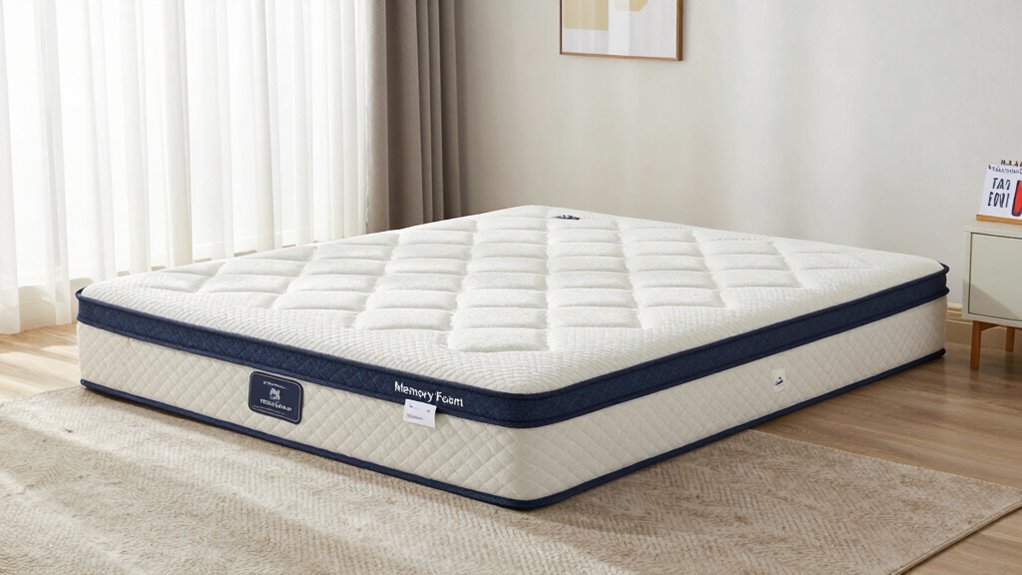
Pricing plays a significant role in shaping your mattress decision, but it’s important to contemplate the overall value you’re getting for that price. Your choice depends on understanding different pricing strategies and how they reflect quality and durability. To evaluate value, consider these factors:
- Materials and Build Quality – Higher prices often indicate better materials that last longer.
- Brand Reputation – Trusted brands may cost more but offer reliability and customer support.
- Warranty and Trial Periods – Longer warranties and trial periods add value, protecting your investment.
How Do You Properly Maintain Your Mattress?
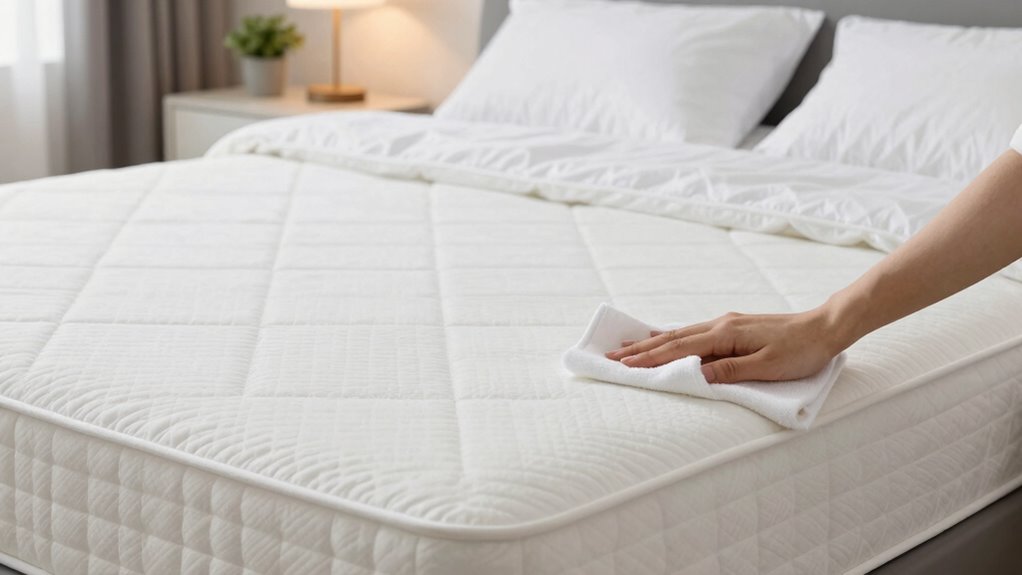
Maintaining your mattress properly guarantees you get the most out of your investment and extend its lifespan. Regular mattress cleaning is essential; vacuum the surface to remove dust, dirt, and allergens. Spot clean stains promptly with gentle solutions, and consider a mattress protector to prevent future spills. Check your bed frame compatibility to ensure proper support and prevent sagging or damage. A sturdy, well-fitting bed frame keeps your mattress flat and evenly supported. Rotate your mattress every three to six months to promote even wear. Avoid jumping or placing heavy objects on it, as this can cause unnecessary stress. Be mindful of air quality considerations in your sleeping environment, as they can impact overall sleep health. By following these steps, you’ll preserve your mattress’s comfort and hygiene, saving money and ensuring restful nights for years to come.
Frequently Asked Questions
How Do I Choose the Best Mattress for Back Pain?
To choose the best mattress for back pain, focus on mattress firmness and bed height. You want a medium-firm mattress that provides support without being too hard, helping maintain proper spine alignment. Also, consider bed height; a mattress that’s too high or low can cause strain. Test different options to find one that offers comfort and support, reducing back pain and improving sleep quality.
Are There Eco-Friendly Mattress Options Available?
Did you know that 75% of consumers prefer eco-friendly products? Yes, eco-friendly mattresses are available, made from sustainable materials like organic cotton, natural latex, and recycled steel. Look for certification standards such as GOTS or CertiPUR-US to guarantee environmental claims are verified. These options help reduce your carbon footprint while providing comfort, so you can sleep peacefully knowing you’re making a greener choice.
What Is the Difference Between Memory Foam and Latex?
Memory foam molds closely to your body, offering excellent pressure relief, while latex is more resilient and bounces back quickly. Foam density affects firmness and durability in memory foam, so higher density means better support. If you have latex allergies, avoid natural latex mattresses, as they can trigger reactions. Latex is often more breathable, keeping you cooler, whereas memory foam tends to trap heat. Choose based on your comfort, support needs, and allergy concerns.
How Often Should I Replace My Mattress?
Think of your mattress as a loyal partner; it’s time for a change every 7-10 years. Over time, it loses its bounce and support, just like a worn-out dance partner. If you notice sagging, discomfort, or persistent allergies, it’s time to substitute it. Pair it with a sturdy bed frame and fresh mattress toppers to extend comfort. Regularly updating ensures restful nights and keeps your sleep game strong.
Can I Test a Mattress Before Buying?
Absolutely, you can test a mattress before buying. Many stores offer sleep trials, allowing you to try the mattress for days or weeks to see if it suits you. Take advantage of these trials to evaluate comfort and support. Also, check the mattress warranty, so you’re aware of coverage if issues arise later. Testing in-store or during sleep trials helps make certain you choose the right mattress for your needs.
Conclusion
Now that you’re armed with this mattress glossary, imagine yourself sinking into a bed that feels just right—firm yet cozy, made of quality materials that promise years of restful sleep. With this knowledge, choosing the perfect mattress becomes like finding a familiar, welcoming nest. So, trust your instincts, consider your options carefully, and create a sleep sanctuary where your dreams can truly flourish—because a good night’s sleep starts with understanding what’s beneath you.
Cold & flu season Picks
humidifiers
As an affiliate, we earn on qualifying purchases.