Memory foam density measures how tightly foam compression is packed, influencing how long your mattress lasts. Higher density, typically between 4 and 5 pounds per cubic foot, signals better durability and support, meaning less sagging over time. Lower density foams may feel softer but won’t last as long. Choosing the right density balances comfort and longevity. To discover how density affects performance and what options suit you best, explore further below.
Key Takeaways
- Higher foam density (4-5 lb/ft³) generally indicates better durability and longer mattress lifespan.
- Density measures foam compression and support, not firmness, but higher density resists sagging more effectively.
- Memory foam with at least 4 pounds per cubic foot tends to break down less quickly over time.
- Lower density foam (around 3 lb/ft³) may feel softer but wears out faster, reducing longevity.
- Selecting foam with appropriate density balances comfort and durability for sustained support.
What Does Memory Foam Density Mean, and How Is It Measured?

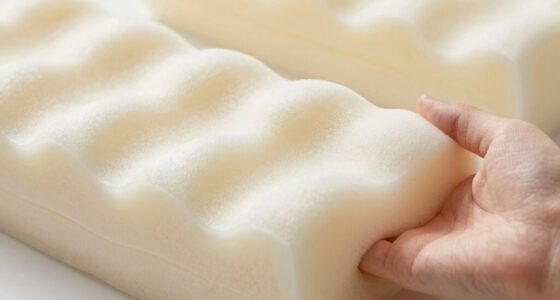
Memory foam density refers to the weight of the foam per cubic foot, which indicates how dense and supportive the material is. Higher density foam typically offers better support and can improve foam compression, reducing pressure points. When you choose a higher density, you’re investing in sleep comfort that lasts longer, as the material resists sagging over time. Density is measured by weighing a sample of foam and calculating the weight per cubic foot, giving you a clear idea of its firmness and durability. Understanding foam density helps you select a mattress that balances comfort with longevity. Additionally, energy-efficient manufacturing practices can influence the environmental impact and sustainability of the foam production. Considering the quality standards used during manufacturing can also ensure you get a product that maintains its properties over many years. Moreover, higher-density foam often has better resistance to wear, which further contributes to its longevity. Knowing the testing procedures used by manufacturers can also provide insight into the foam’s durability and performance over time.
How Does Memory Foam Density Impact Mattress Durability?
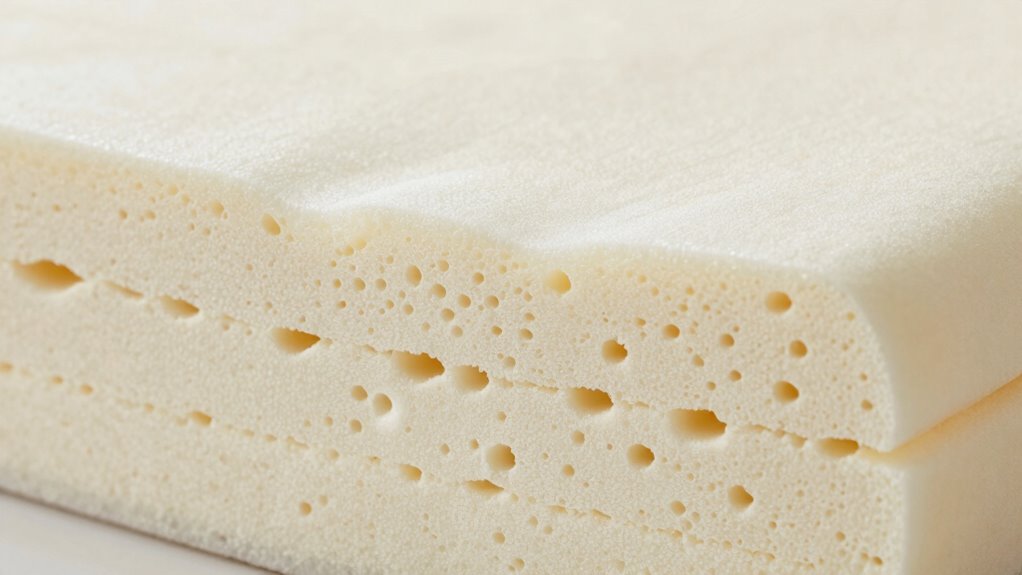
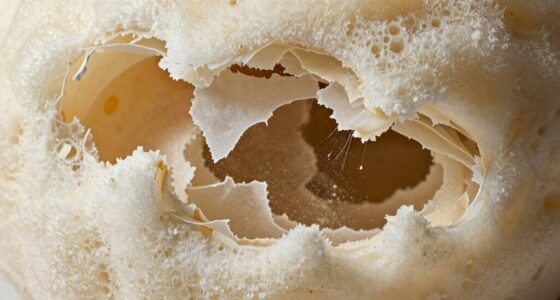
Higher foam density generally means a mattress will last longer because denser memory foam is more resistant to wear and sagging over time. Advanced memory foam technology allows manufacturers to create denser foams that maintain their shape and support longer. In mattress manufacturing, higher density foam often indicates better durability, reducing the need for early replacement. The increased resistance to compression and breakdown helps the mattress withstand daily use and pressure points without losing its supportive qualities. While higher density foam might be heavier and cost more upfront, it offers enhanced longevity and consistent comfort. Choosing a mattress with an appropriate memory foam density ensures you get a product designed for durability, ultimately saving you money and effort in the long run. Additionally, foam density plays a crucial role in overall mattress performance and user satisfaction, especially when considering the long-term durability of your investment. Properly selecting the right density can also enhance sleep quality by providing consistent support throughout its lifespan. Furthermore, understanding the material composition of foam can help you identify the best options for your needs. For example, some memory foams incorporate Suprem fabric materials that boost breathability and sustainability, further extending the lifespan of the mattress.
What Are Common Memory Foam Density Ranges, and What Do They Mean for Longevity?
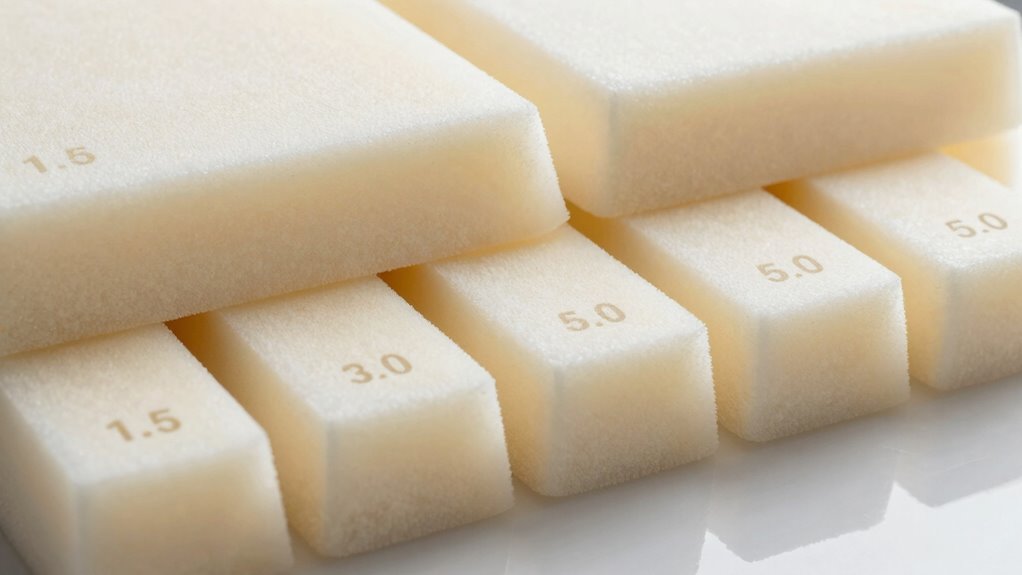
Understanding common memory foam density ranges helps you choose a mattress that balances comfort and longevity. Higher densities generally mean a more durable mattress, but they can also be firmer. To find the best fit, consider how density impacts both durability and your personal sleep preferences. Additionally, high refresh rates can enhance overall sleep quality by reducing motion transfer and disturbances. Recognizing how thermal behavior influences foam performance can also help you select a mattress that maintains comfort over time. Moreover, understanding how material science affects foam longevity can guide you in making an informed choice for long-term comfort. Being aware of foam resilience can further assist in selecting a mattress that retains its supportive qualities over years of use. Knowing how density ranges relate to foam composition can also help you anticipate how your mattress will perform over time.
Typical Density Ranges
When evaluating memory foam, knowing the typical density ranges can help you gauge its durability and longevity. Memory foam generally falls between 3 and 5 pounds per cubic foot (PCF). Lower-density foams, around 3 PCF, tend to have more foam compression and softer feel but may wear out faster. Higher-density foams, such as 4 to 5 PCF, offer increased support and resistance to foam compression, boosting longevity. Density variation within these ranges substantially impacts how well the foam maintains its shape over time. For example, a foam at 4.5 PCF usually provides a good balance of comfort and durability. Understanding these typical density ranges helps you select a foam that aligns with your needs, ensuring you get a product that lasts longer and performs better. Additionally, piercing aftercare plays a crucial role in maintaining the integrity of the jewelry and preventing infections, which can affect overall satisfaction with your piercing. Being aware of foam density can also help you make more informed decisions when choosing mattresses or cushions for better support and longevity. Moreover, considering the material composition can influence the foam’s breathability and temperature regulation features, further extending its lifespan. Recognizing how manufacturing processes impact foam quality can also contribute to selecting more durable products.
Impact on Durability
Memory foam density directly influences how long the mattress or cushion will last. Higher-density foam typically offers better durability because it resists sagging and indentations over time. However, it can also impact memory foam breathability, making the mattress warmer and less comfortable if not designed with airflow in mind. Lower-density foams may feel softer initially but tend to wear out faster, reducing longevity. Choosing eco friendly materials can enhance durability by reducing chemical breakdown and improving overall resilience. The right density range balances durability with breathability, ensuring your mattress maintains its supportive properties longer. Ultimately, understanding how density affects durability helps you select a foam that offers both longevity and comfort, making your investment worthwhile.
Choosing the Right Density
Choosing the right memory foam density is essential for balancing durability and comfort. During foam manufacturing, manufacturers produce different density ranges to cater to various needs. Typical memory foam densities fall between 3 and 5 pounds per cubic foot, with higher densities offering greater longevity and support. Lower-density foams, around 3 pounds, provide softer comfort but may wear out faster, impacting sleep ergonomics over time. Medium densities, around 4 pounds, strike a good balance, offering durability without sacrificing comfort. Higher densities, 5 pounds and above, deliver increased longevity but can feel firmer. When selecting foam, consider your sleep ergonomics and how long you want your mattress or pillow to last. Choosing the proper density guarantees you enjoy both comfort and lasting support. Understanding foam durability helps you make informed choices and ensures your investment remains comfortable over years of use.
How Can You Read and Interpret Density Numbers When Buying a Mattress?
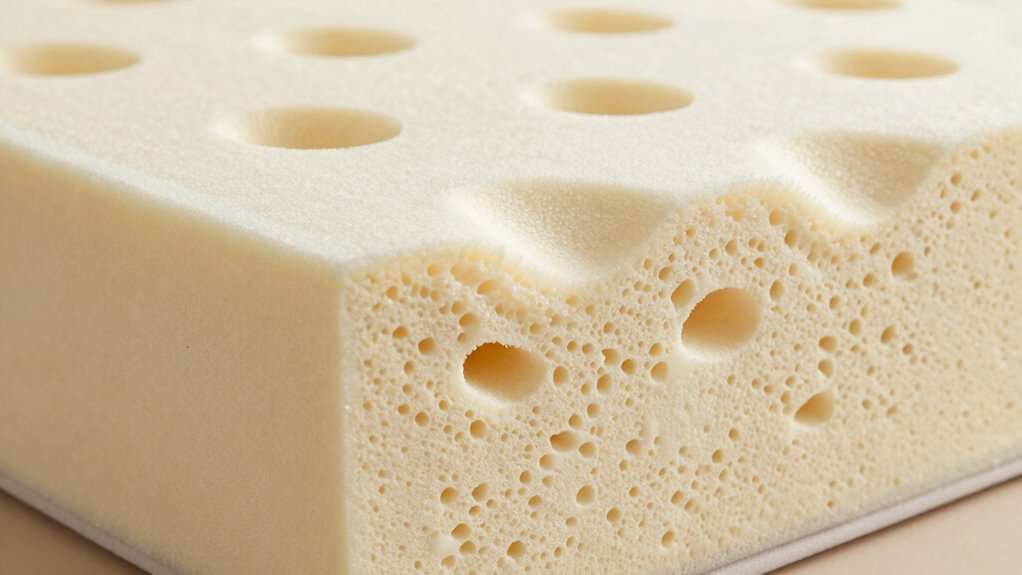
Understanding what density measurements mean helps you judge a mattress’s quality. When you look at density numbers, it’s important to know how to interpret them for durability and comfort. Comparing these figures across options lets you choose a mattress that best fits your needs. Additionally, knowing the density categories can help you assess the overall construction quality of the mattress. Recognizing the density measurement can also guide you toward selecting a mattress with the desired balance of support and longevity. For example, some mattress brands incorporate advanced foam technologies that enhance durability and provide better support over time. Being familiar with foam density levels can further assist in predicting how well a mattress will hold up with regular use.
Understanding Density Measurements
When you evaluate mattress density, the numbers on the label or product description can seem confusing at first, but understanding what they mean is straightforward once you know what to look for. Density measurements are primarily expressed in pounds per cubic foot (lb/ft³), indicating how tightly foam compression is packed. A higher density suggests a more durable and supportive mattress. When comparing densities, focus on the difference between lower and higher numbers, as this reflects foam compression and overall quality. Keep in mind that a comparison of density numbers helps you gauge longevity; a mattress with a higher density typically lasts longer. Remember, though, that density isn’t the only factor—comfort and personal preference also matter. Use density comparison as a helpful guideline, not the sole decision-maker.
Interpreting Density Numbers
To interpret density numbers effectively, you need to know what the figures actually represent. Density indicates how much foam material is packed into a given volume, influencing durability and support. When reading density numbers, consider foam compression—higher density means less compression under pressure, resulting in better longevity. Keep in mind that density vs firmness aren’t the same; a high-density foam can feel soft or firm depending on its formulation. A higher density often correlates with increased durability, but it doesn’t always mean the mattress will feel firmer. Focus on how the density number aligns with your comfort preferences and intended usage. Ultimately, understanding these details helps you select a foam that balances support, comfort, and lifespan, ensuring your investment lasts longer.
Comparing Mattress Durability
Because higher density foam generally indicates better durability, paying attention to density numbers can help you gauge how long a mattress will last. When comparing mattresses, look for foam with a density of at least 4 lbs per cubic foot for longevity. Some mattresses incorporate gel infill, which enhances cooling technology, helping regulate temperature and prevent heat buildup. This can be a sign of quality, as it shows the manufacturer’s focus on comfort and durability. Keep in mind that higher density foam may feel firmer initially but tends to break down less quickly over time. By comparing density ratings alongside features like gel infill and cooling technology, you can make a more informed decision based on your comfort preferences and the mattress’s expected lifespan.
Are High-Density Memory Foam Mattresses Better or Worse?
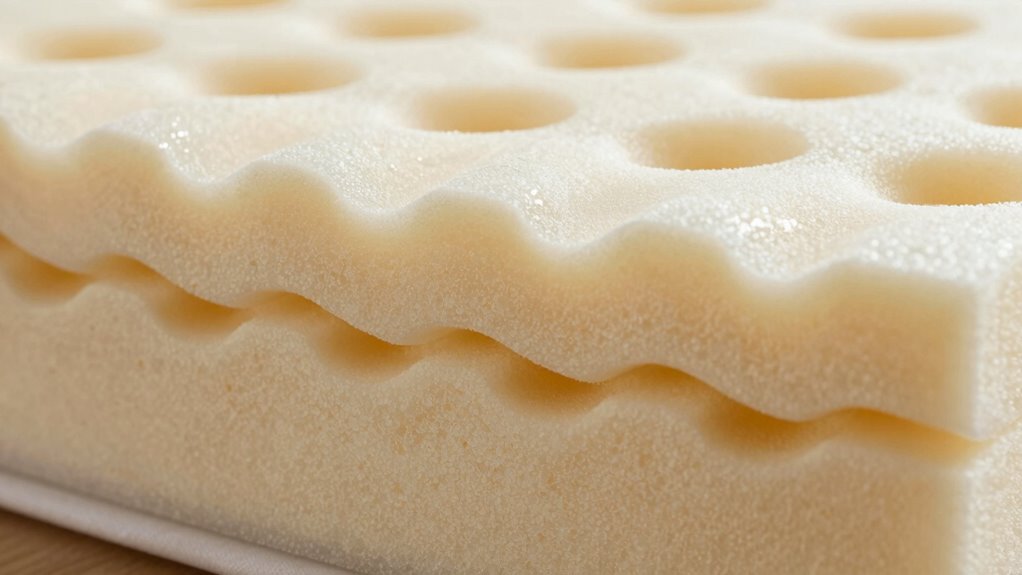
High-density memory foam mattresses often get praised for their durability and support, but they also come with some drawbacks. The memory foam composition in these mattresses offers better support and longevity, making them a popular choice. Higher density usually means the foam is more resistant to sagging and indentations, which can extend the mattress’s lifespan. However, this increased density can also lead to a firmer feel that some find less comfortable. Additionally, a mattress with high-density foam may come with a longer or more extensive mattress warranty, reflecting confidence in its durability. Still, it’s essential to contemplate your personal comfort preferences alongside density and warranty coverage when choosing. High density doesn’t automatically mean better for everyone but can be a strong indicator of quality.
What Factors Besides Density Influence Mattress Longevity?
While density plays a significant role in a mattress’s durability, several other factors also determine how long your mattress will last. First, air quality affects how well your mattress breathes, preventing moisture buildup and mold, which can degrade materials over time. Second, your sleep patterns influence wear; frequent tossing and turning cause uneven pressure, leading to faster breakdown. Third, proper care like regular rotation and maintaining a clean sleeping environment can extend your mattress’s life. Additionally, exposure to sunlight helps reduce bacteria and dust mites. By paying attention to air quality, sleep habits, and maintenance, you guarantee your mattress remains supportive and comfortable longer, regardless of its density. These factors play an essential role in maximizing your mattress’s longevity.
How Can You Choose a Memory Foam Mattress That Lasts?

Choosing a memory foam mattress that lasts starts with understanding the key qualities to look for. Focus on foam quality—look for high-density foam that offers durability and better support over time. Cheaper, low-quality foam may seem tempting but often wears out quickly, leading to sagging and discomfort. Price considerations matter, but don’t compromise on foam quality; investing a little more initially can save you money in the long run. Check for reputable brands that specify foam density and materials, and read reviews to gauge longevity. Guarantee the mattress has proper construction, including reinforced edges and a solid cover. By prioritizing foam quality and balancing price considerations, you’ll choose a mattress that provides lasting comfort and support.
Frequently Asked Questions
Does Higher Density Always Mean Better Sleep Quality?
Higher density doesn’t always mean better sleep quality. The density debate is about finding the right balance; too high can make the foam too firm, causing discomfort, while too low might lack support. You should consider your preferences and sleep position rather than just density. Ultimately, the best memory foam for you offers enough support and comfort, which varies from person to person, rather than relying solely on the density number.
How Does Mattress Maintenance Affect Memory Foam Longevity?
You can extend your memory foam mattress’s lifespan by maintaining it properly. Regularly rotating the mattress helps prevent sagging, while using a protective cover guards against bed bug prevention and allergy concerns. Keep it clean and dry to prevent mold and dust mites, which can degrade the foam. Avoid jumping or standing on it, and promptly address spills to preserve its integrity, ensuring your sleep remains comfortable and your mattress lasts longer.
Are There Specific Brands Known for Durable Memory Foam?
You’ll find that brands like Tempur-Pedic, Nectar, and Casper are known for durable memory foam, thanks to their strong brand reputation and positive customer reviews. These companies prioritize high-quality materials and craftsmanship, resulting in longer-lasting mattresses. When choosing a brand, check reviews to see how customers rate their mattress longevity and comfort. This will help you select a product that offers both durability and good value over time.
What Role Does Temperature Regulation Play in Foam Lifespan?
Temperature regulation substantially impacts foam lifespan because excessive heat can cause memory foam to soften prematurely, breaking down faster. By choosing a mattress with good temperature regulation features, you help maintain ideal conditions, preventing overheating and prolonging your foam’s durability. Proper airflow and cooling technologies keep the foam at a stable temperature, ensuring it maintains its supportive qualities longer and extends its overall lifespan.
Can Layering Different Densities Improve Mattress Durability?
A stitch in time saves nine, and layering different densities definitely boosts your mattress’s durability. By using layering techniques and density stratification, you add support where needed and extend the lifespan. Heavier-density foam at the bottom provides stability, while lighter foam on top offers comfort. This strategic approach helps your mattress resist sagging and wear, ensuring you get longer-lasting, better sleep every night.
Conclusion
Remember, looks can be deceiving—density isn’t everything. While higher-density memory foam often means longer-lasting comfort, other factors like construction and care matter too. By understanding what the numbers mean, you can make smarter choices and pick a mattress that truly stands the test of time. Ultimately, don’t judge a book by its cover; do your research, weigh all factors, and find the mattress that best fits your needs for lasting support.