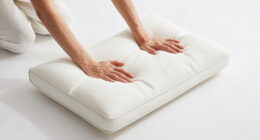

High-resilience foam feels springy because of its high elasticity, quick rebound, and unique cellular structure that efficiently compresses and returns to shape. Made through precise chemical processes, it combines flexible polymers with consistent density, providing long-lasting support and bounce. This material is commonly used in mattresses and furniture for its durability and comfort. If you’re curious about what makes it so responsive and how it continues to evolve, you’ll find more insights ahead.
Key Takeaways
- High-resilience foam features a molecular structure that allows quick compression and rapid rebound, creating a springy, responsive feel.
- Its cellular composition distributes stress evenly, enhancing elasticity and contributing to its characteristic bounce.
- Made through precise chemical processing of polyols and isocyanates, the foam’s manufacturing ensures consistent density and resilience.
- The inclusion of specialized polymers in the foam’s structure provides durability and a lively, springy sensation during use.
- Innovations in eco-friendly and smart foam technologies are further enhancing the springy, supportive properties of high-resilience foam.

Novilla Full Size Mattress, 10 Inch Hybrid, High Resilience Foam with Pocket Springs for a Peaceful Sleep, Medium Firmness Mattress, Knitted Cover & Balanced Support
THREE-ZONE ERGONOMICS FOR ANY SLEEPING POSITION – The Novilla full-size hybrid mattress features three-zone precision support technology for…
As an affiliate, we earn on qualifying purchases.
As an affiliate, we earn on qualifying purchases.
What Is High-Resilience Foam and How Does It Differ From Traditional Foam?
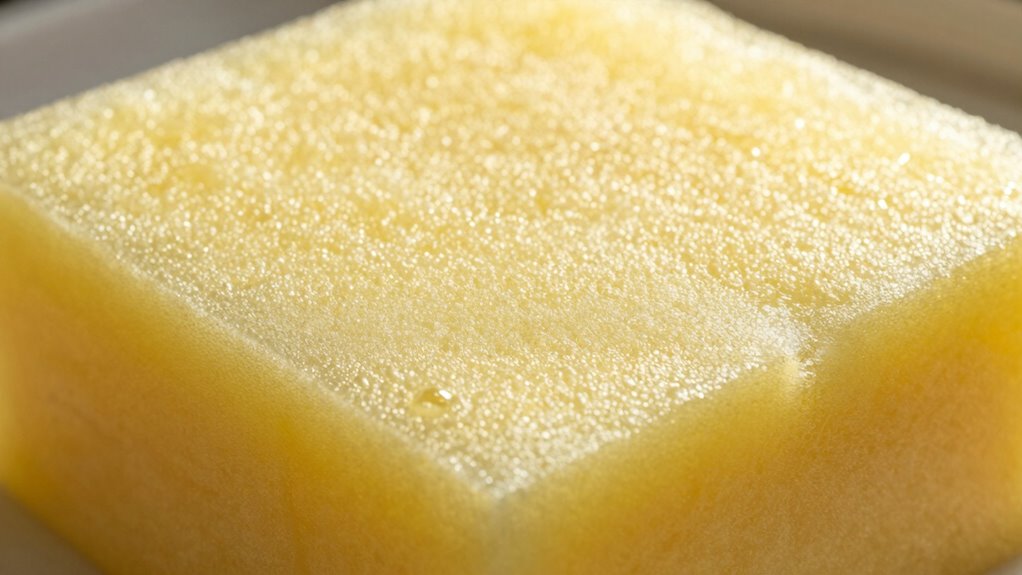
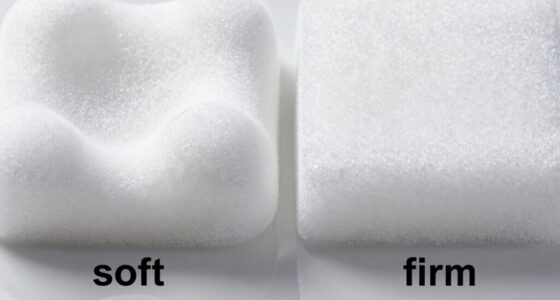
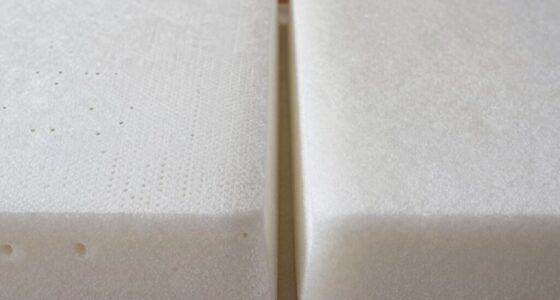
What exactly is high-resilience foam, and how does it stand out from traditional foam? This material is known for its exceptional elasticity and durability. Unlike traditional foam, high-resilience foam features minimal density variability, meaning its firmness remains consistent throughout its structure. This uniformity allows it to quickly bounce back after pressure, offering superior support and comfort. Additionally, its chemical stability ensures it resists breakdown over time, maintaining its properties even with frequent use. This stability helps prevent sagging or deterioration, making it a preferred choice for demanding applications like mattresses and furniture. Overall, high-resilience foam combines consistent density with chemical resilience, delivering a springy feel that outperforms standard foam in both longevity and performance.
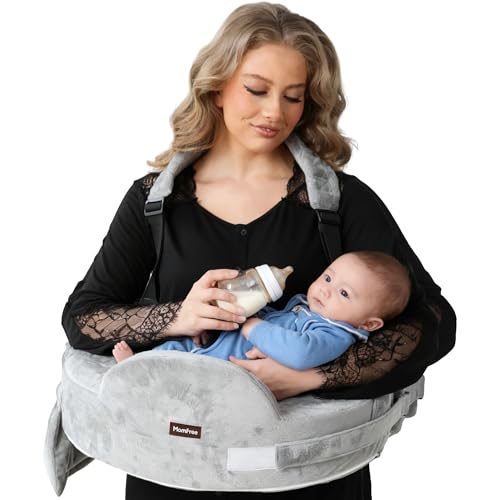
Nursing Pillow for Standing/Sitting Use- Springy Memory Foam for Support & Comfort, Large Breast Feeding Pillow – Safety Fence, Adjustable Waist Belt and Support Backrest, Removable Cover with Pocket
【Free-Moving Breastfeeding】 Momfree Nursing Pillow Redefines Breastfeeding Freedom !!! Traditional nursing pillows “lock” you to your sofa or…
As an affiliate, we earn on qualifying purchases.
As an affiliate, we earn on qualifying purchases.
How Is High-Resilience Foam Made?
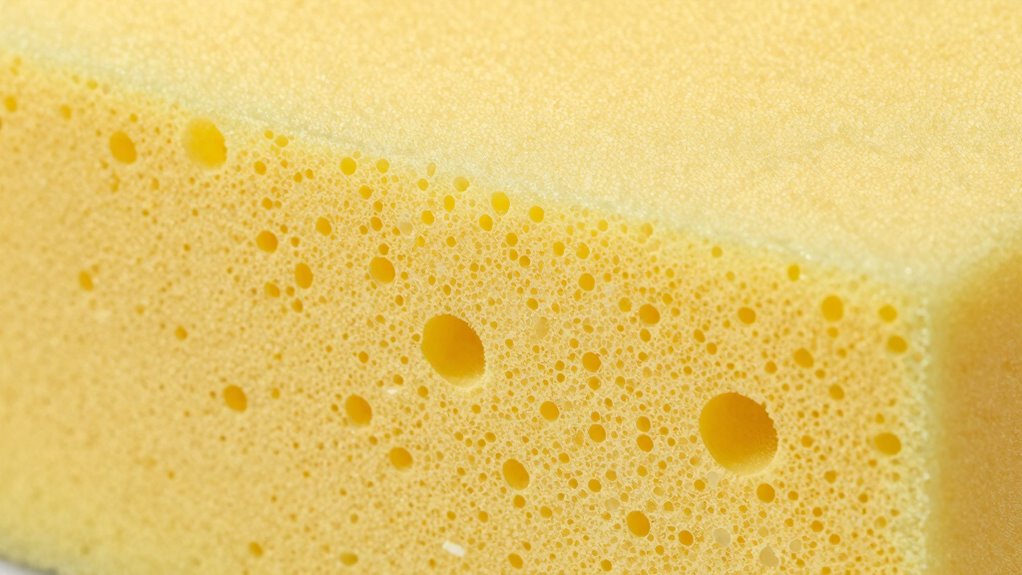
High-resilience foam is manufactured through a precise chemical process that creates its uniform, elastic structure. During foam manufacturing, raw materials undergo chemical processing to produce the desired springiness and durability. This involves blending polyols and isocyanates, which react to form a foam matrix with high resilience. The manufacturing process carefully controls factors such as mixing and temperature to ensure quality. Key steps include: – Precise mixing of chemicals to ensure consistency – Controlled temperature and pressure during the chemical reaction – Foaming agents that create the open-cell or closed-cell structure – Curing to stabilize the foam’s elasticity and resilience This careful process results in a material that quickly regains shape after compression, making high-resilience foam ideal for applications demanding durability and responsiveness.

Yellow Foam Board, High-Density Upholstery Foam for Couch Cushion Replacement, Foam Padding for Cushions, Furniture, and DIY Projects, Durable Foam Pad for Chairs, Sofas, and Egg Crate Foam Inserts
💛 High-Quality Yellow Foam Board 💛 Crafted with durable high-density foam, this yellow foam board is ideal for…
As an affiliate, we earn on qualifying purchases.
As an affiliate, we earn on qualifying purchases.
Why Does High-Resilience Foam Feel So Springy?
High-resilience foam feels so springy because of its exceptional elasticity and quick rebound. Its unique material composition and cellular structure allow it to return to shape rapidly after compression. Understanding these factors reveals why this foam offers such lively, supportive comfort. Additionally, the Youngster Choice trend highlights how innovative materials like high-resilience foam are transforming comfort and design in various industries.
Elasticity and Rebound
Because of its unique molecular structure, high-resilience foam quickly returns to its original shape after compression, giving it that unmistakably springy feel. This high elasticity means you experience rapid rebound, making it ideal for comfort and durability. During durability testing, this robustness ensures the foam maintains its springiness over time, reducing sagging and deformation. Its ability to rebound efficiently also minimizes environmental impact, as less material replacement is needed. Additionally, its color accuracy properties help preserve the visual appeal and longevity of the foam’s appearance over time.
Material Composition and Structure
The secret behind the foam’s springy feel lies in its unique material composition and internal structure. High-resilience foam features density variations that create a network of interconnected cells, allowing it to compress and rebound efficiently. Its chemical composition includes specialized polymers designed for flexibility and durability, which contribute to its bounce-back ability. These variations in density mean some areas are denser for support, while others are lighter and more responsive. The precise molecular arrangement ensures the foam can deform under pressure and quickly return to its original shape. A key factor in this resilience is the material structure, which determines how well the foam can distribute stress and recover from deformation. This combination of tailored density and chemical makeup gives high-resilience foam its characteristic springiness, making it feel lively and responsive when you press or sit on it.

Spongiduits Couch Cushion Support for Sagging Seat, 20"x20"x2" 40D High Density Curved Foam Sofa Cushion Support, Under-Cushion Sag Repair,Grey Set of 3
LONG-LASTING SUPPORT – Our sofa support for sagging cushions targets couch cushion sagging issues, effectively eliminating sag and…
As an affiliate, we earn on qualifying purchases.
As an affiliate, we earn on qualifying purchases.
Where Is High-Resilience Foam Used Most?
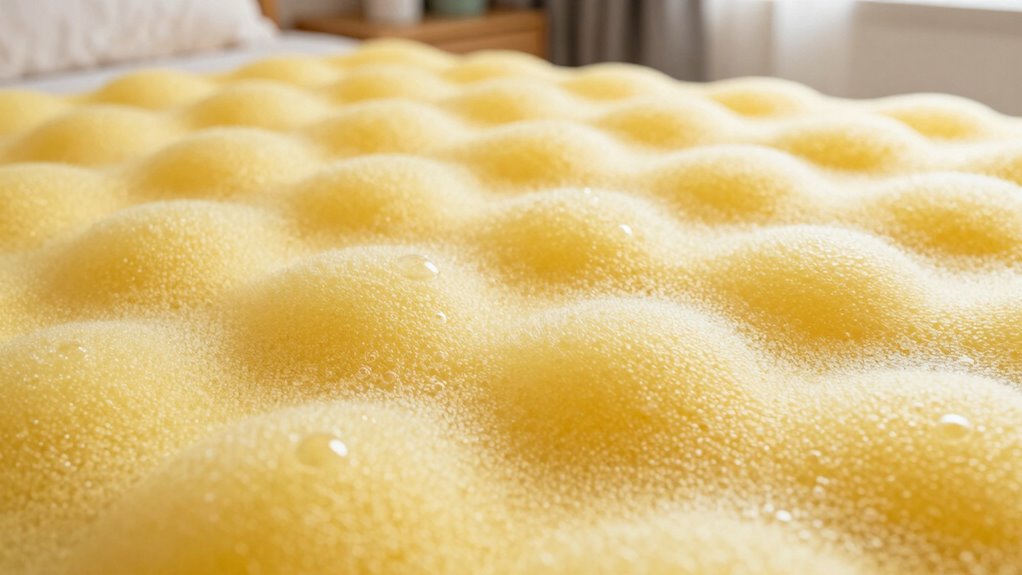
You’ll find high-resilience foam mainly in mattresses, where it provides comfort and a supportive feel. It’s also widely used in seating, offering durability and consistent support for your body. These applications highlight how this foam enhances everyday comfort and stability.
Comfort in Mattresses
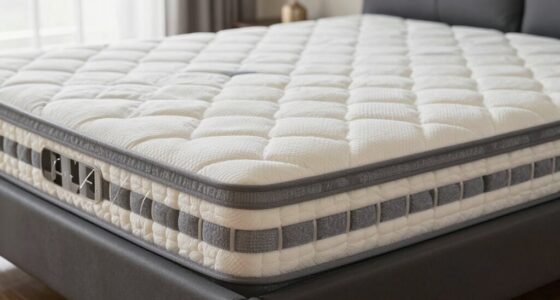
High-resilience foam is most commonly used in mattress comfort layers, where its quick recovery and supportive properties enhance overall sleep quality. It provides excellent memory comfort by contouring to your body’s shape, reducing pressure points. Its springy nature offers ergonomic support, helping keep your spine aligned throughout the night. You’ll notice a bouncy, responsive feel that makes turning over effortless. This foam also helps distribute weight evenly, preventing sagging and ensuring long-lasting comfort. Whether you prefer a plush or firmer mattress, high-resilience foam adapts quickly to your movements. Its durability guarantees consistent support over time. Overall, this material elevates your sleep experience by combining comfort, responsiveness, and support seamlessly. Understanding foam types can help you choose the best option for your needs.
Support in Seating
Where is high-resilience foam used most in seating? It’s commonly found in office chairs, sofas, and ergonomic stools, where support and comfort are essential. This foam provides excellent resilience, helping furniture maintain its shape and support over time. Its springy feel enhances ergonomic design, reducing pressure points and promoting better posture. Additionally, high-resilience foam contributes to the aesthetic appeal of seating, offering a sleek, smooth surface that looks inviting and modern. Whether in a home or workplace, this material ensures long-lasting support while maintaining a stylish appearance. You’ll notice how seamlessly it adapts to your body, offering comfort that lasts, making it the go-to choice for supportive, attractive seating options. Its wave and wind resistance properties further enhance durability, especially in environments exposed to varying conditions.
What Are the Main Benefits of High-Resilience Foam?
What makes high-resilience foam stand out among other cushioning materials is its ability to quickly recover its shape after pressure is applied. This resilience ensures comfort and longevity, making it a top choice for furniture and bedding. Its durability testing confirms that it maintains performance over time, resisting sagging and indentations. Additionally, high-resilience foam often has a lower environmental impact due to its efficient manufacturing and longer lifespan. Furthermore, well-sourced coverage of such materials helps consumers make informed choices based on reliable information. The benefits include:
- Superior bounce and support for extended use
- Enhanced durability, reducing replacement needs
- Better environmental footprint due to sustainable practices
- Consistent comfort over years of use
These features make high-resilience foam a smart investment, combining performance with eco-conscious benefits.
How Can You Take Care of High-Resilience Foam Items?
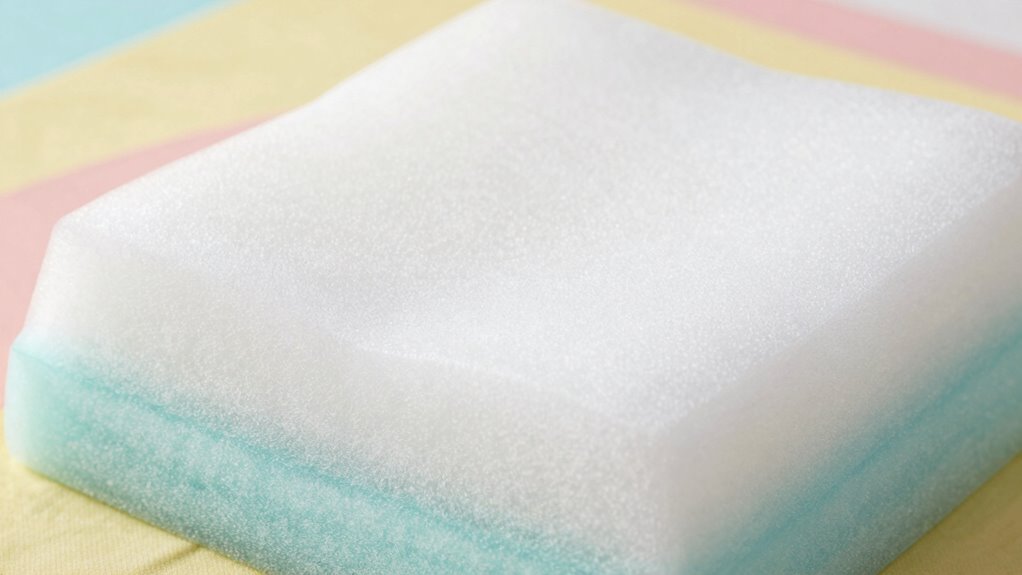
Wondering how to keep your high-resilience foam items in top condition? To maintain their springy feel, follow simple cleaning tips and prevent odors. Regularly vacuum or spot clean with mild soap and water to remove dirt. Use a fabric-safe deodorizer or sprinkle baking soda, then vacuum after a few hours to combat odors. Air your foam items frequently to prevent mustiness and moisture buildup. Additionally, understanding cleaning appliances can help you select the best tools for gentle and effective maintenance.
What’s Next for High-Resilience Foam? Trends and Innovations to Watch

As the demand for durable and comfortable materials grows, high-resilience foam continues to evolve with innovative trends and technological advancements. Expect to see a shift toward eco-friendly materials, reducing environmental impact without sacrificing performance. Smart foam technologies are also emerging, enabling foams to adapt to temperature, pressure, or even your body’s movements for enhanced comfort and longevity. Manufacturers are exploring sustainable options like bio-based foams and recycled content to meet eco-conscious consumer demands. Additionally, breakthroughs in manufacturing techniques are improving foam durability and resilience while maintaining springiness. These innovations promise a more sustainable, adaptable future for high-resilience foam, making it even more versatile for furniture, bedding, and specialty applications. The integration of natural filtration systems and native plants in eco-friendly pools exemplifies how sustainable practices are transforming the industry.
Frequently Asked Questions
Is High-Resilience Foam Environmentally Friendly?
Yes, high-resilience foam can be eco-friendly if it’s made with sustainable sourcing and eco-friendly manufacturing practices. You’ll want to look for brands that prioritize renewable materials and reduce chemical use. By choosing foam produced with environmental standards in mind, you help minimize your carbon footprint. This way, you enjoy the benefits of the springy feel without compromising your commitment to sustainability.
How Does High-Resilience Foam Impact Allergy Sufferers?
High-resilience foam can benefit allergy sufferers by promoting allergy prevention, as it resists dust mites and mold better than traditional foams. Its dense structure helps reduce airborne allergens, supporting respiratory health. However, some foams may emit volatile organic compounds (VOCs), which could trigger sensitivities. To mitigate this risk, choose low-VOC options and ensure proper ventilation, helping you breathe easier and maintain a healthier sleeping environment.
Can High-Resilience Foam Be Recycled or Repurposed?
You can definitely recycle high-resilience foam, making it an eco-friendly choice. Foam recycling programs are emerging, helping turn used foam into new products, reducing waste. You might also find ways to repurpose it at home or donate it for reuse. While not all foam is recycled easily, choosing eco-friendly materials and supporting recycling initiatives keeps the environment in good shape, proving that one person’s waste can become another’s treasure.
What Are the Differences Between High-Resilience Foam and Memory Foam?
You’ll notice high-resilience foam is firmer and more durable with a higher foam density, making it springier and more supportive. Memory foam, on the other hand, offers a softer feel and molds to your body, providing pressure relief. When comparing springiness, high-resilience foam bounces back quickly, while memory foam slowly returns to shape. This difference influences comfort, with high-resilience foam ideal for support and memory foam for contouring comfort.
How Durable Is High-Resilience Foam Over Long-Term Use?
You’ll find that high-resilience foam is quite durable over long-term use, thanks to its excellent compression resistance. It withstands wear and tear better than many other foams, maintaining its springiness and support for years. While no material is completely immune to aging, high-resilience foam’s ability to bounce back from compression helps it stay in good shape longer, making it a smart choice for furniture or mattresses you want to last.
Conclusion
If you think high-resilience foam is just about bounce, think again. Its unique durability and springy feel actually stem from advanced manufacturing techniques, challenging the idea that softer means less supportive. As innovations continue, expect even more versatile uses and smarter care tips. Embrace this resilient material—it’s not just a trend but a smart choice for comfort and longevity, proving that sometimes, the best solutions are the most surprisingly resilient.