
Copper-infused foam combines traditional support with embedded copper particles that offer antimicrobial and temperature-regulating benefits. While copper can reduce bacteria buildup and help control odors, its antimicrobial effects aren’t guaranteed to be long-lasting and depend on contact and usage. Over time, the copper’s effectiveness can diminish, and it shouldn’t replace proper cleaning or other hygiene measures. To understand the full potential and limitations of copper-infused foam, keep exploring what the science says.

Get home appliances delivered free with Prime
- Fast, free delivery on millions of items
- Prime Video, Amazon Music and more included
- Member-only deals all year
Key Takeaways
- Copper-infused foam combines traditional foam comfort with embedded copper particles for added antimicrobial and temperature-regulating benefits.
- Copper’s antimicrobial effects are supported by some studies but are not guaranteed or long-lasting, especially with wear and cleaning.
- Effectiveness depends on contact duration, copper concentration, and manufacturing quality; it’s not a foolproof microbial solution.
- Copper-infused foam reduces odor and bacterial buildup, extending foam lifespan, but cannot eliminate all microbes or replace proper hygiene practices.
- Long-term antimicrobial efficacy diminishes over time due to copper ion loss, requiring maintenance or replacement for sustained benefits.
What Is Copper-Infused Foam? An Overview of the Material
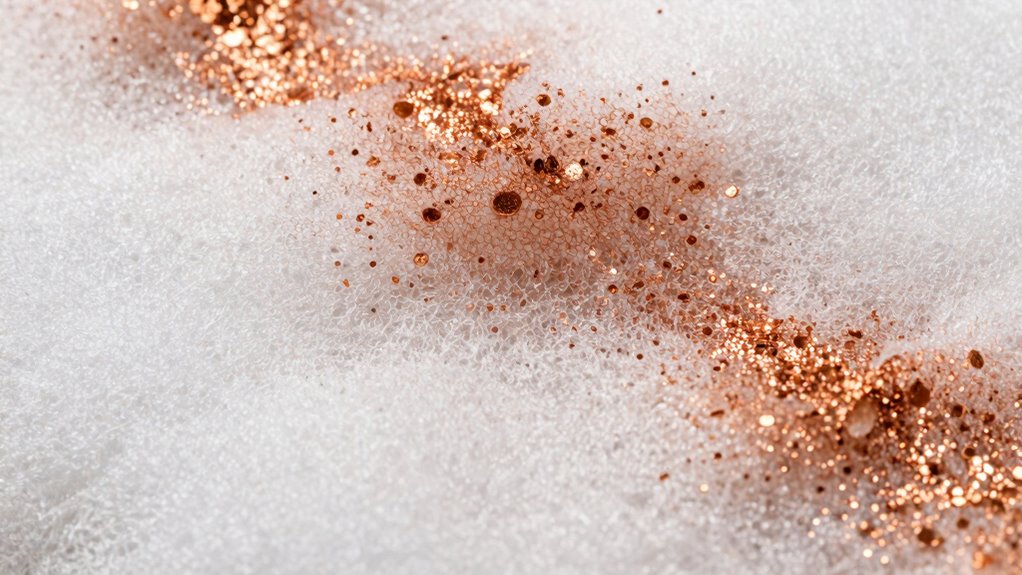
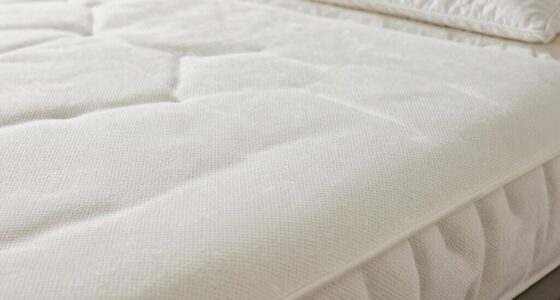
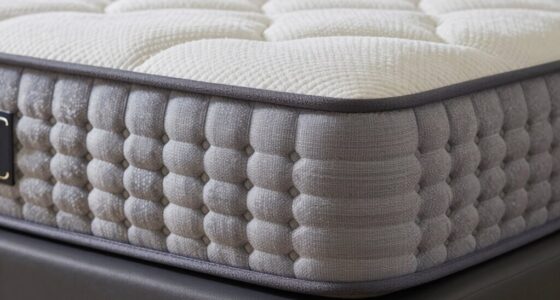
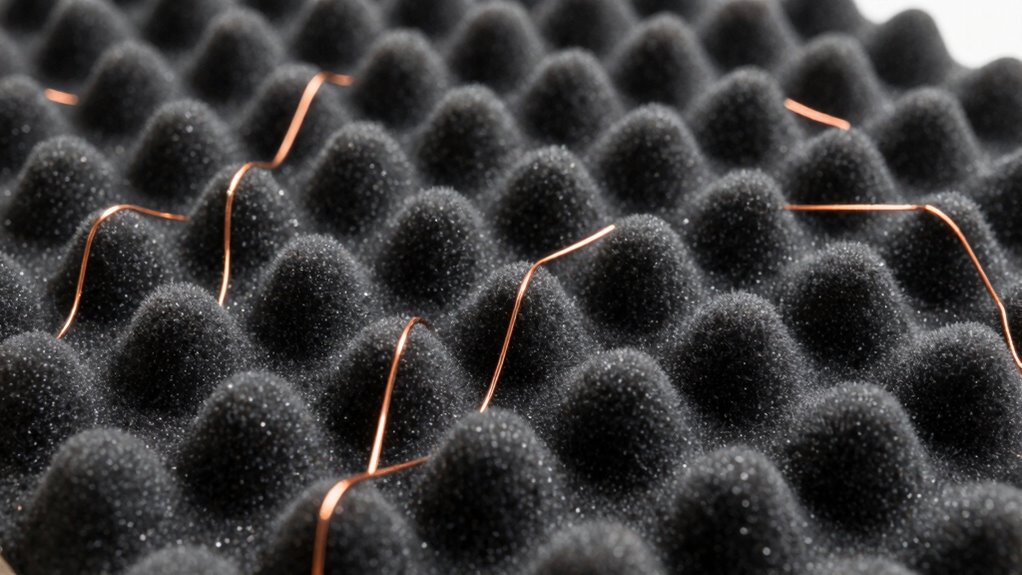
Copper-infused foam is an innovative material that combines the comfort of traditional foam with the added benefits of copper particles embedded throughout. During foam manufacturing, tiny copper particles are mixed into the foam’s core, creating a composite material that retains flexibility and support. Copper properties, such as its antimicrobial and thermal conductivity qualities, are integrated into the foam’s structure, making it more functional than standard options. This process guarantees the copper is evenly distributed, allowing the foam to maintain its shape and durability while gaining additional properties. As a result, copper-infused foam offers a unique blend of softness and enhanced features, making it suitable for various applications, from bedding to upholstery. It’s a smart innovation rooted in advanced foam manufacturing techniques. Additionally, the incorporation of copper can influence the material’s durability, enhancing its longevity and performance in everyday use.
Does Copper Really Have Antimicrobial Benefits? Fact or Fiction?
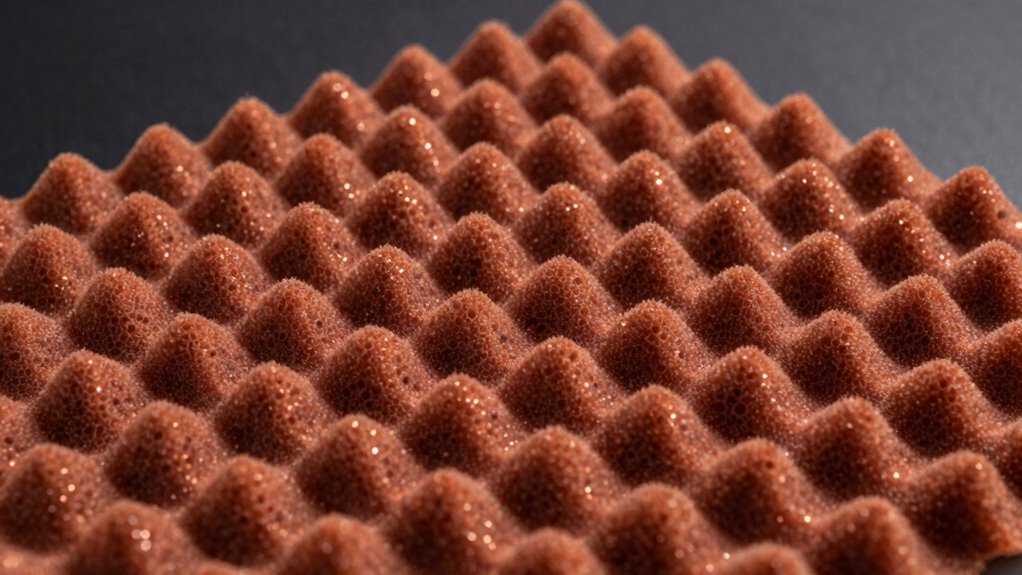
You might wonder if copper truly kills germs or if it’s just marketing hype. Scientific studies show some antimicrobial benefits, but the evidence isn’t conclusive for all situations. Keep in mind, copper’s effectiveness can be limited by practical factors like surface type and contact time.
Copper’s Antimicrobial Claims
Many claims suggest that copper has potent antimicrobial properties, but it’s important to examine whether these benefits hold up under scientific scrutiny. While some studies highlight copper’s antimicrobial efficacy against bacteria and fungi, results can vary depending on conditions and application methods. It’s also vital to consider copper safety; in most cases, copper-infused products are safe for everyday use when properly manufactured. However, excessive exposure or sensitive individuals might experience skin reactions or other concerns. Although copper’s antimicrobial claims are promising, they aren’t a universal solution. You should view copper-infused foam as a supplemental measure rather than a guaranteed protection against all microbes. Understanding the science behind these claims helps you make informed choices about copper’s true benefits. Additionally, understanding Free Floating concepts can help you better assess the effectiveness of such antimicrobial claims.
Scientific Evidence Evaluation
Scientific studies provide mixed results on copper’s antimicrobial effectiveness, making it important to scrutinize the evidence carefully. Some research shows copper can reduce bacteria on surfaces, but others find minimal or inconsistent benefits, especially when incorporated into fabrics like foam. When evaluating copper-infused foam, consider whether its antimicrobial claims impact fabric durability or aesthetic appeal. If copper weakens the material over time, it could compromise the foam’s longevity. On the other hand, if it maintains its look and feel, the antimicrobial benefits might be more relevant. Overall, the scientific community hasn’t reached a definitive consensus, so you should approach claims with caution. Understanding the actual evidence helps you decide if copper’s antimicrobial properties justify potential trade-offs in fabric durability and aesthetic appeal. Additionally, innovations like European cloud servers demonstrate the importance of evaluating technological claims within a broader scientific and sustainability context.
Practical Effectiveness Limits
While copper has demonstrated antimicrobial properties in laboratory settings, its effectiveness in real-world applications, like foam products, often falls short of expectations. Factors limiting its practical benefits include:
- Surface contact: Copper’s antimicrobial action depends on direct contact, which isn’t always consistent in foam, reducing its efficacy.
- Cost implications: Copper-infused foam tends to be pricier, making widespread use less feasible for budget-conscious consumers or manufacturers.
- Aesthetic considerations: Copper’s appearance can alter the look of foam, which might not align with desired design or branding preferences.
These limitations mean copper’s antimicrobial benefits are not always reliable or cost-effective in everyday use, challenging the claims of it being a guaranteed protective solution.
How Copper Infusion Boosts Comfort and Durability in Foam
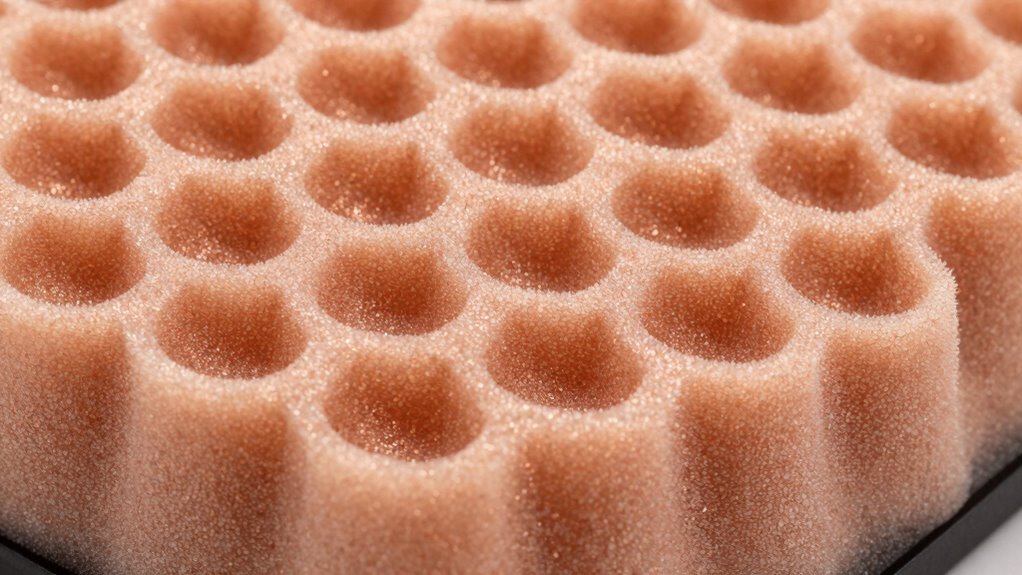
Copper infusion enhances foam by actively improving both comfort and durability. The copper particles help regulate temperature, preventing overheating and making your sleep experience more comfortable. Additionally, copper’s antimicrobial properties reduce odor and bacterial buildup, extending the foam’s lifespan. This infusion process can also strengthen the foam’s structure, making it more resistant to wear and tear over time. While some worry about sustainability concerns, manufacturers are increasingly refining their processes to minimize environmental impact. By integrating copper during manufacturing, they can create a product that balances performance and eco-friendliness. Copper’s antimicrobial properties also help maintain a healthier sleep environment by reducing microbial growth on the foam’s surface. Overall, copper-infused foam offers a practical way to boost comfort and durability, giving you a longer-lasting, more resilient sleep surface.
Do Claims About Copper-Infused Foam Hold Up Scientifically?
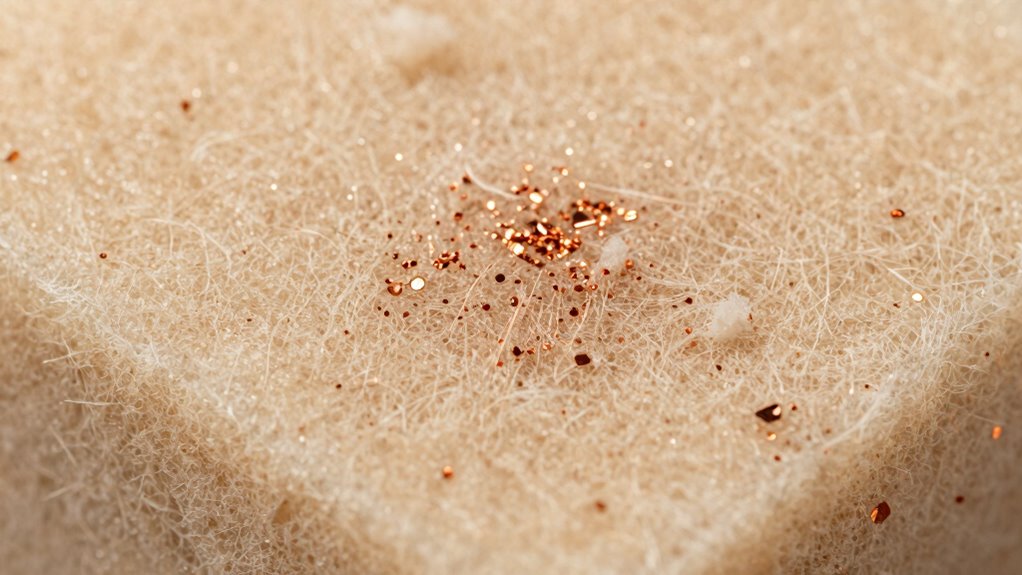
Many claims about copper-infused foam suggest it offers enhanced comfort, antimicrobial benefits, and longer durability. But do these claims hold up scientifically? Research on antimicrobial claims shows copper’s ability to kill bacteria and fungi is well-documented, but the effectiveness in foam depends on how much copper is present and how it’s embedded.
To clarify, here’s what science supports:
- Copper’s antimicrobial properties can reduce bacteria on the foam’s surface.
- Material durability can improve if copper strengthens the foam’s structure.
- However, claims that copper-infused foam prevents all microbial growth or markedly extends lifespan lack conclusive evidence.
- The scientific effectiveness of copper-infused foam varies based on its formulation and manufacturing process.
While some benefits are supported, it’s essential to view these claims with a critical eye.
What Are the Limitations of Copper-Infused Foam?
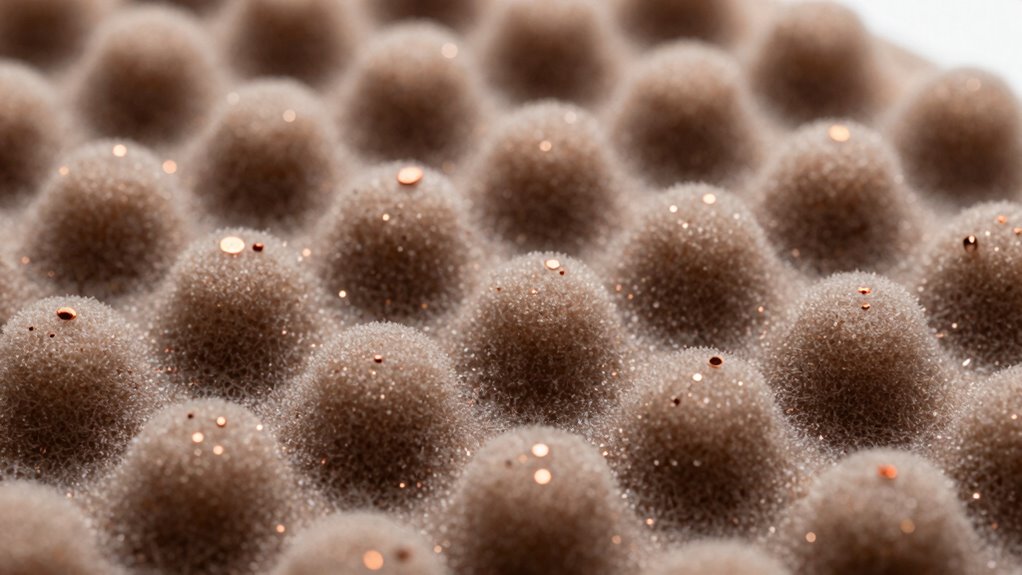
Copper-infused foam can help reduce bacteria, but its antimicrobial effects are limited to specific types and may not cover all germs. You should also know that it doesn’t come with long-term guarantees, so its effectiveness might decrease over time. Being aware of these limitations helps you make a more informed choice about using this material. Additionally, privacy policies may influence how your data is collected and used during online research about such products.
Limited Antimicrobial Scope
While copper-infused foam offers notable antimicrobial benefits, its effectiveness is limited to certain types of microorganisms. It primarily targets bacteria but isn’t as effective against other microbes. Here are the key antimicrobial limitations:
- It struggles to eliminate viruses and fungi, reducing its overall scope.
- Its performance depends on material durability; over time, copper ions may diminish.
- Some bacteria can develop resistance, decreasing long-term effectiveness.
- The breathable fabric in foam can affect copper ion release, impacting antimicrobial activity.
Because of these limitations, copper-infused foam isn’t a exhaustive antimicrobial solution. Its ability to fight microbes is confined to specific bacteria, and its efficacy can decline with wear and tear. You shouldn’t rely solely on it for total microbial control, especially in environments with diverse or resistant microorganisms.
No Long-Term Guarantees
Despite its antimicrobial benefits, copper-infused foam cannot promise long-lasting protection. Over time, factors like wear and cleaning can reduce the foam’s antibacterial longevity, diminishing its long term durability. Copper ions may slowly leach out or become less effective after prolonged use, meaning the foam might not maintain its initial antimicrobial properties indefinitely. While copper can inhibit bacteria initially, it doesn’t guarantee ongoing protection without regular replacement or treatment. You should contemplate that the antimicrobial effects are not permanent and can weaken, leaving you vulnerable once the benefits decline. Ultimately, copper-infused foam offers only temporary antimicrobial advantages, making it essential to consider other long-term solutions for sustained hygiene. Additionally, the effectiveness of copper depends on the science behind antimicrobial metals, which indicates that ongoing research is necessary to fully understand its long-term capabilities.
How Do You Properly Use and Care for Copper-Infused Foam Products?
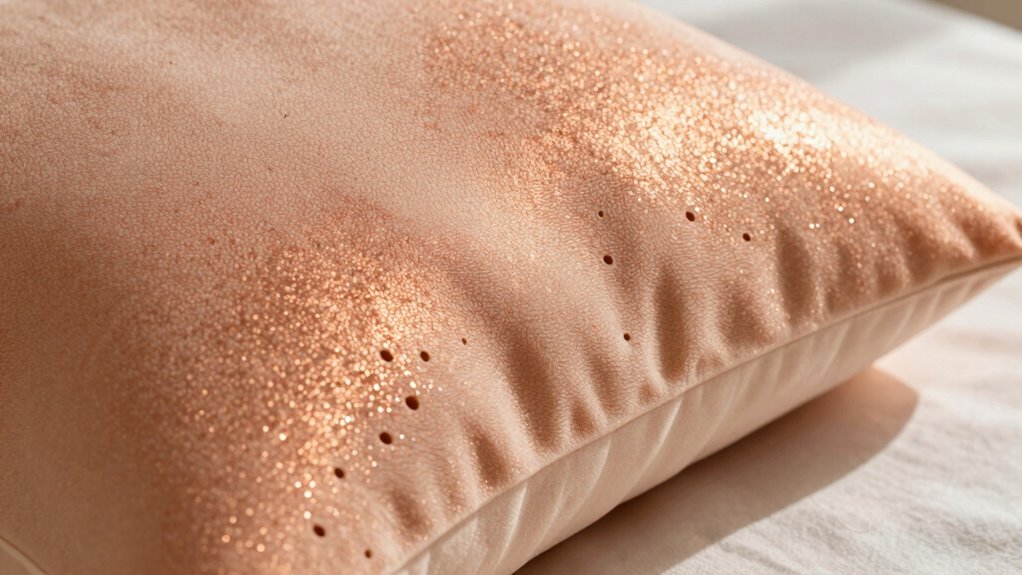
To guarantee your copper-infused foam products last and perform at their best, it’s crucial to follow proper usage and care guidelines. First, always refer to the manufacturer’s cleaning tips, avoiding harsh chemicals that can damage the foam or copper infusion. Second, store your foam in a cool, dry place, preferably in a breathable bag or container to prevent moisture buildup. Third, regularly inspect your product for signs of wear or dirt. When cleaning, gently spot clean with a mild detergent and avoid soaking the foam. For storage solutions, keep it away from direct sunlight and extreme temperatures to preserve its integrity. Proper care ensures that the copper-infused foam remains effective, comfortable, and long-lasting. Additionally, understanding the art and science of compact living can help you optimize your space and maintain your foam products efficiently.
How Does Copper-Infused Foam Compare to Other Material Technologies?
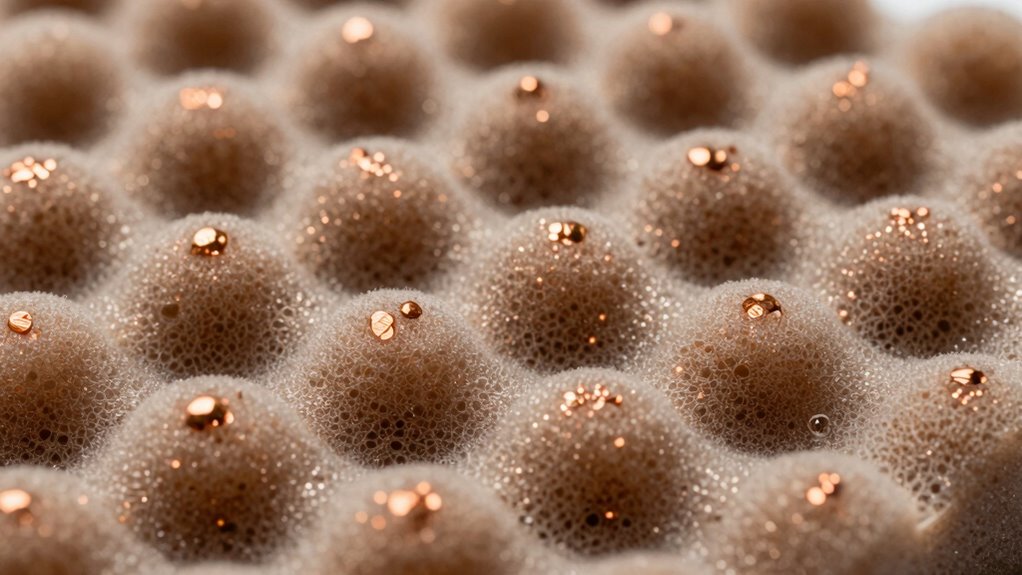
Copper-infused foam stands out among other material technologies because of its natural antimicrobial properties and ability to regulate temperature. When comparing materials, you’ll notice copper’s dual benefits: it reduces bacteria buildup and helps keep you cool. Unlike traditional foams or synthetic fabrics, copper-infused foam actively fights germs, making it more hygienic. Its temperature regulation is also a key advantage, especially over standard memory foam or polyester. As technology advancements continue, copper-infused foam offers a unique combination of health benefits and comfort that many other materials lack. Additionally, energetic alignment may enhance user experience and well-being when incorporating copper-infused products into daily life. While some alternatives may excel in durability or cost, copper’s antimicrobial and thermal properties give it a distinct edge in creating healthier, more comfortable environments. This makes it a compelling choice in material comparisons.
What’s Next for Copper-Enhanced Foam? Innovations and Research
As research into copper-enhanced foam accelerates, innovations are emerging that could substantially expand its applications and effectiveness. These foam innovations aim to tap into copper benefits like antimicrobial properties and improved thermal regulation. In the near future, you might see:
Copper-enhanced foam innovations promise greater durability, hygiene, and smart environmental responsiveness.
- Advanced foam formulations that boost copper’s durability and longevity.
- Integrated antimicrobial layers for safer, more hygienic environments.
- Smart foams capable of releasing copper ions in response to environmental triggers.
These developments could revolutionize industries from healthcare to construction. Ongoing research focuses on optimizing copper benefits while ensuring cost-effectiveness. As a result, copper-enhanced foam is poised to become more versatile, durable, and beneficial in various applications, emancipating new potentials for this innovative material.
Frequently Asked Questions
How Long Does Copper-Infused Foam Retain Its Antimicrobial Properties?
Copper-infused foam generally retains its antimicrobial properties for around 3 to 5 years, but durability concerns can affect this timeline. Copper degradation over time, especially with frequent washing or exposure to moisture, may reduce its effectiveness. To maximize longevity, follow care instructions carefully. Keep in mind, the antimicrobial benefits diminish as copper gradually degrades, so replacing the foam might be necessary once its properties weaken considerably.
Is Copper-Infused Foam Suitable for Allergy-Sensitive Individuals?
Copper-infused foam may not be ideal if you’re allergy-sensitive, especially if you have copper sensitivity. Although the foam’s allergenic properties are generally low, some individuals can react to copper exposure. If you have known sensitivities or allergies, it’s best to consult your doctor first. Keep in mind that reactions vary, and even small amounts of copper can trigger issues in sensitive people. Always test a small area before full use.
Can Copper Leach Out of the Foam Over Time?
You might worry about copper leaching out over time, but rest assured, copper stability is designed to keep it securely embedded. Foam durability ensures the copper stays put, preventing any leaching that could cause concerns. While some materials can release elements, high-quality copper-infused foam retains its integrity, so you won’t have to worry about harmful copper particles seeping out as it ages.
Are There Environmental Concerns With Manufacturing Copper-Infused Foam?
You should know that manufacturing copper-infused foam raises environmental concerns, mainly related to recycling challenges and resource depletion. The process often involves complex recycling, making it hard to recover copper efficiently. Additionally, mining and extracting copper depletes finite resources and impacts ecosystems. So, while the foam offers benefits, you must consider its environmental footprint and the importance of sustainable manufacturing practices to reduce these impacts.
How Does Copper-Infused Foam Impact Overall Sleep Quality?
Copper-infused foam can improve your sleep quality by promoting better temperature regulation and supporting your sleep cycle. As your body heats up, the copper helps dissipate heat, keeping you cooler throughout the night. This consistent temperature balance can lead to deeper, more restful sleep. By maintaining ideal conditions, you’re more likely to experience uninterrupted sleep, waking up refreshed and ready for the day.
Conclusion
So, next time you’re shopping for foam, remember that copper-infused options offer some benefits, but they’re not magic. It’s funny how a little copper can make you feel like you’ve stumbled onto a secret weapon for comfort and freshness. Just like finding that perfect pillow after days of searching, understanding copper’s real role helps you make smarter choices. Sometimes, the best discoveries come when you least expect them—like copper in your foam.
Fall yard work Picks
leaf blowers
As an affiliate, we earn on qualifying purchases.