TL;DR

Get home appliances delivered free with Prime
- Fast, free delivery on millions of items
- Prime Video, Amazon Music and more included
- Member-only deals all year
Designers are increasingly incorporating listening rooms into residential projects, drawing inspiration from Japan’s Jazz Kissa cafés and music-focused nightlife spaces. The rooms prioritize attentive listening, comfortable seating and a calming atmosphere; designers say a dedicated room is not required to try the idea at home.
Listening rooms are appearing on residential designers’ moodboards as homeowners seek spaces built around music, according to a report by House Beautiful. Inspired in part by Japan’s Jazz Kissa cafés, the rooms pair sound systems with comfortable seating and calming interiors to encourage people to listen without screens or other distractions.
The concept differs from a conventional media room, which is often arranged around a television. A listening room puts music and attentive listening at the center of the experience. Designers describe it as a place to pause and focus on an album or a curated selection, rather than treating music as background noise.
House Beautiful reports that the trend draws on Jazz Kissa cafés in Japan, where people historically gathered to listen to vinyl. Designer Adam Goldstein of Studio Collective said renewed interest in vinyl, at home and in nightlife, responds to lives increasingly controlled by devices. He described listening to an album from beginning to end as a respite from the seemingly limitless choice available through digital music services.
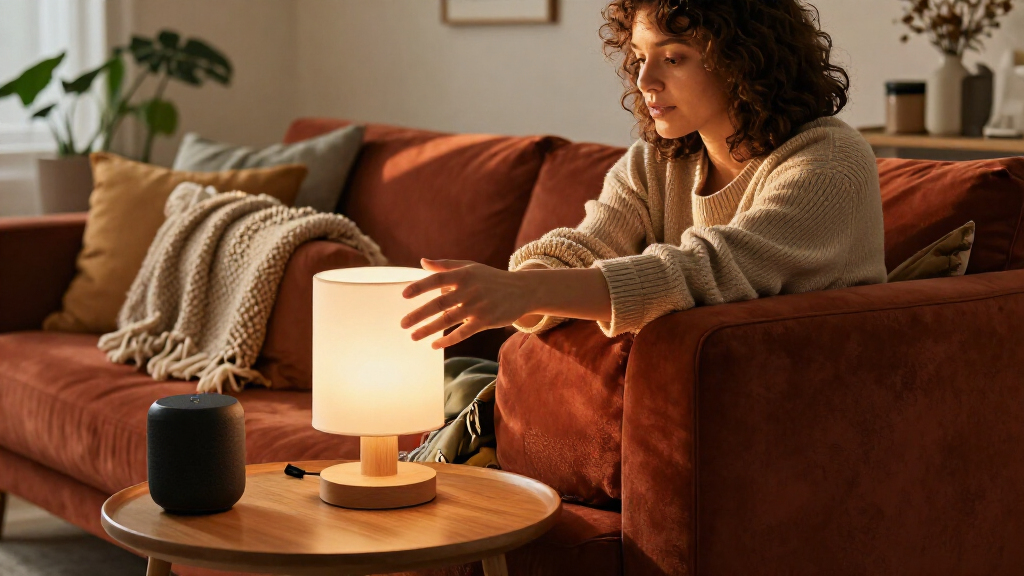
The design can be more living room than nightclub. Suggested features include plush seating, rugs, textiles, wood surfaces and warm, indirect lighting. Designers say these choices can soften a room visually and help absorb sound. Rich colors, such as deep red or oxblood, may add an intimate feel, while a simple layout keeps attention on the music.
A Screen-Free Space for Listening
The appeal, as designers describe it, is not simply a place to store a record player. A dedicated listening area gives music a more deliberate role at home and offers an alternative to rooms organized around screens. That can matter to people who want a quieter, more focused activity without undertaking a major renovation or setting aside an entire room.
The idea also connects residential design with music-first venues, where sound quality and atmosphere are part of the experience. However, the report does not provide sales figures, survey results or project counts showing how widespread the trend is. Its description of growing interest rests on designers’ observations, not a measured market estimate.
vinyl record player with high-quality sound
As an affiliate, we earn on qualifying purchases.
As an affiliate, we earn on qualifying purchases.
From Jazz Kissa to Living Rooms
Japan’s Jazz Kissa cafés provide a reference point for the concept: places where listening to music is the main activity. The residential version adapts that focus for the home, borrowing the emphasis on sound and atmosphere rather than reproducing a café or club outright.
House Beautiful also links the idea to nightlife spaces experimenting with comfortable seating and sound systems designed for attentive listening. At home, the same approach can take the form of a dedicated room, a den or simply a carefully arranged corner. Some designers are extending the concept outdoors through what RIOS designer Sebastian Salvadó calls “listening gardens,” pairing audio with landscaping.
“The idea of listening to an album all the way through, the way the artist actually intended for us to hear it, is a welcome respite.”
— Adam Goldstein, designer at Studio Collective
As an affiliate, we earn on qualifying purchases.
How Widespread Is the Trend?
The report describes listening rooms as an idea appearing on designers’ moodboards and in residential projects, but it gives no figures for adoption, spending or growth. It is not clear how many homeowners are creating these spaces or whether interest is concentrated in particular regions or budgets. The article also does not compare the acoustic performance of different room treatments or equipment setups; its recommendations are design guidance attributed to practitioners.
As an affiliate, we earn on qualifying purchases.
Start With a Listening Corner
For people interested in the idea, designers interviewed by House Beautiful say a dedicated room is not necessary. A corner of a living room or den can serve the purpose if seating and speakers are arranged with listening in mind. Salvadó recommends centering the furniture and stereo setup for the best listening position. Kutner suggests tactile materials such as wool, velvet, wood or cork, while Schulz recommends layered rugs and ambient wall lights.
The next step is practical rather than a formal launch or scheduled industry milestone: homeowners can adapt the concept to their available space and budget. The report does not identify a specific upcoming event or data release that would establish whether the trend is growing, so its reach will remain difficult to quantify from the information available.
As an affiliate, we earn on qualifying purchases.
Key Questions
What is a listening room?
A listening room is a home space arranged to make music the focus. It typically combines a sound system with seating and an atmosphere intended to reduce distractions.
Do I need a separate room to make one?
No. Designers quoted by House Beautiful say a living-room or den corner can work if the seating and speakers are arranged for listening.
What design features do designers recommend?
Suggestions include comfortable upholstered seating, rugs and other soft materials, natural surfaces and warm, indirect lighting. Designers also advise keeping the layout simple.
Is there evidence that listening rooms are becoming more popular?
The report says the concept is showing up on designers’ moodboards and in residential design, but it provides no adoption statistics or market data to measure how widespread it is.
Source: rss
NFL season / tailgating Picks
team gear
As an affiliate, we earn on qualifying purchases.