
TL;DR

Get home appliances delivered free with Prime
- Fast, free delivery on millions of items
- Prime Video, Amazon Music and more included
- Member-only deals all year
Interior designers Maci McGee and Kistna Conely shared window-treatment strategies used in the 2026 Whole Home in Charleston. Their advice focuses on balancing patterns with texture, layering for privacy and light, linking rooms without matching them, and getting proportions right.
Interior designers Maci McGee of Ellerslie Interiors and Kistna Conely of House Seven Design shared how they used custom window treatments at the 2026 Whole Home in Charleston, South Carolina, pairing shades and drapery to balance pattern, privacy and daylight. Their examples offer homeowners practical ways to make window coverings support a room’s overall design rather than treat them as an afterthought.
In McGee’s bedroom, patterned mustard wallpaper, a blue ceiling, velvet upholstery and antique furniture already gave the space a mix of rich colors and surfaces. She paired patterned drapes with handwoven bamboo shades to add softness and texture without layering on another dominant pattern. The shades filter light, while the drapery contributes character, according to McGee.
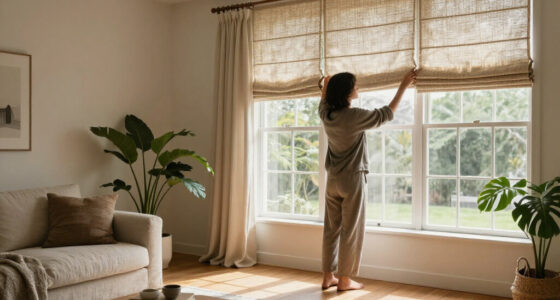
At another bedroom in the home, Conely addressed a different challenge: a window facing a busy urban street. She combined a relaxed Roman shade, a woven bamboo shade and linen drapery. The layers give occupants options for controlling daylight and privacy, while bringing additional texture to the room. Conely said one layer can filter daylight while another is closed for greater privacy.
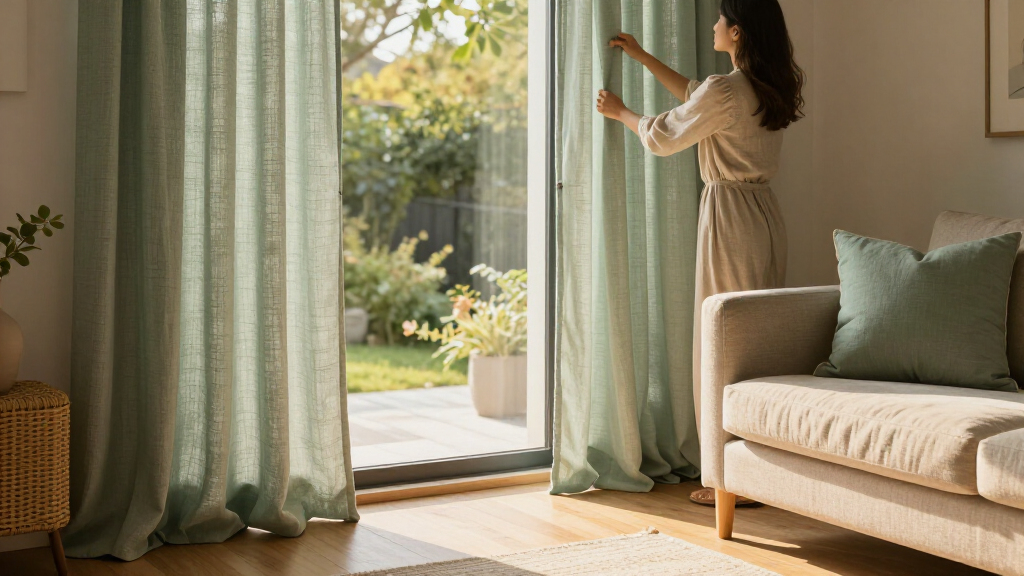
The designers also described ways to connect rooms without repeating identical treatments. McGee said cohesion can come from a shared design sensibility rather than the same fabric or style in every space. Conely recommended carrying a color or texture between adjoining rooms. Both emphasized proportion and function: drapery that is too short or narrow can throw off a room’s appearance, and choices should account for privacy, blackout needs and filtered light.
Making Design Work Across the Home
Window coverings affect both how a room looks and how it works. A fabric or shade that adds visual interest may also need to address street visibility, daylight or the need to darken a bedroom. The designers’ examples show why those decisions are often linked: a layered treatment can provide flexibility while contributing texture, softness and visual continuity.
The advice also gives homeowners a way to avoid two common extremes: treating every window as a purely practical problem, or repeating one look throughout the home for the sake of coordination. A consistent color or material can relate rooms while leaving each one suited to its own architecture and use. Getting the scale right matters too; too-short or too-narrow drapes can make the surrounding space feel poorly proportioned, Conely said.
As an affiliate, we earn on qualifying purchases.
The Charleston Rooms Behind the Advice
The recommendations come from rooms designed for the 2026 Whole Home, a show home in Charleston, rather than a controlled comparison of different treatments. House Beautiful’s report presents the designers’ work and advice, including examples with bamboo shades, Roman shades and drapes. It does not provide measurements, price comparisons or performance testing.
The examples illustrate two distinct design problems. McGee’s bedroom already had substantial color and pattern, so she used a quieter woven shade to temper the mix. Conely’s street-facing bedroom needed more privacy options, so she layered multiple treatments. Together, the rooms show how the choice of treatment depends on the space’s existing finishes and practical demands.
““They help set the mood, soften the architecture, and make a space feel finished in a way that’s hard to replicate with anything else.””
— Maci McGee, Ellerslie Interiors
As an affiliate, we earn on qualifying purchases.
What the Examples Do Not Measure
The report shares designer recommendations and photographs of specific rooms, but it does not establish that one treatment style works best for all homes. It gives no independent measurements of light filtering, insulation, noise reduction, cost or installation complexity. The degree of privacy or darkness a particular combination provides will depend on the materials, fit, window and room conditions; the article does not quantify those results.
It is also unclear from the report whether the featured products or exact combinations are available in every market, or what they cost. Homeowners would need to confirm product specifications and measurements with a retailer or installer before ordering custom treatments.
As an affiliate, we earn on qualifying purchases.
Measure Needs Before Ordering
For anyone applying the designers’ approach, the next step is to identify what each window needs to do: filter daylight, provide privacy, darken a room or complement existing finishes. Then assess mounting height, panel width and fullness, and decide whether one treatment or several layers suit the window. McGee and Conely’s guidance points toward choosing the function and proportions alongside the fabric, rather than selecting appearance alone.
Before placing a custom order, homeowners should verify measurements, material details and operating options with the supplier. The House Beautiful report does not announce a follow-up study or additional project milestone; its advice remains a set of design recommendations drawn from the Charleston show home.
As an affiliate, we earn on qualifying purchases.
Key Questions
How can window treatments connect rooms without making them look identical?
McGee recommends using a shared overall sensibility instead of repeating the same treatment everywhere. Conely suggests carrying a color or texture between adjoining spaces while varying fabrics and styles to suit each room.
Why layer shades and drapes?
Layering can give a household more control over daylight and privacy while adding texture. In Conely’s example, one layer can filter daylight while another is closed for more privacy.
What should homeowners check before choosing drapery?
Consider where the drapes will be mounted, how far panels should extend, their width and fullness, and the room’s privacy and light needs. Conely cautions that panels that are too short or narrow can affect the room’s proportions.
How did the designers balance pattern and texture?
McGee paired patterned drapes with a quieter handwoven bamboo shade in a bedroom that already had patterned wallpaper and other rich finishes. The shade added texture and filtered light without competing as strongly with the room’s patterns.
Source: rss
NFL season / tailgating Picks
team gear
As an affiliate, we earn on qualifying purchases.