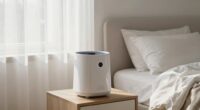
You’ll notice some sleep products need more airing out because they emit stronger chemical odors, especially those made with synthetic materials or treated with chemicals like flame retardants. These releases, called VOCs, can affect your sleep quality and comfort. Items like memory foam mattresses often off-gas longer, requiring more ventilation. If you keep airing them out properly, you’ll create a fresher, healthier sleep environment. Continue exploring to discover how different materials impact off-gassing times and how to speed up the process.

Get home appliances delivered free with Prime
- Fast, free delivery on millions of items
- Prime Video, Amazon Music and more included
- Member-only deals all year
Key Takeaways
- Synthetic materials like memory foam emit stronger VOCs, requiring longer airing out periods.
- Products with chemical treatments or flame retardants tend to produce more odors initially.
- Sealed packaging can trap chemical residues, increasing off-gassing needs after unboxing.
- Off-gassing duration varies based on material composition, with natural fibers generally needing less airing.
- Higher initial odor intensity indicates a need for extended ventilation to dissipate chemical fumes.

Have you ever wondered why airing out your sleep products can make a difference in your sleep quality? It’s not just about fresh air; it’s about reducing chemical odors and restoring material freshness. Many sleep products, like mattresses, pillows, and comforters, are made from materials that can emit chemical odors when they’re new. These odors often come from manufacturing processes, adhesives, or treatments used to make the materials resistant to dust mites or stains. When you first bring these items into your home, they might emit a noticeable chemical smell, which can interfere with your sleep or cause discomfort. That’s why airing out these products becomes essential early on—letting them breathe helps dissipate these odors and improves the overall sleeping environment. Proper ventilation and airing out are crucial practices that support healthier living environments by reducing pollutants and chemical residues. Additionally, understanding the material composition of your sleep products can help determine how long they might need to be aired out for optimal freshness.
Airing out sleep products reduces chemical odors and improves your sleep environment.
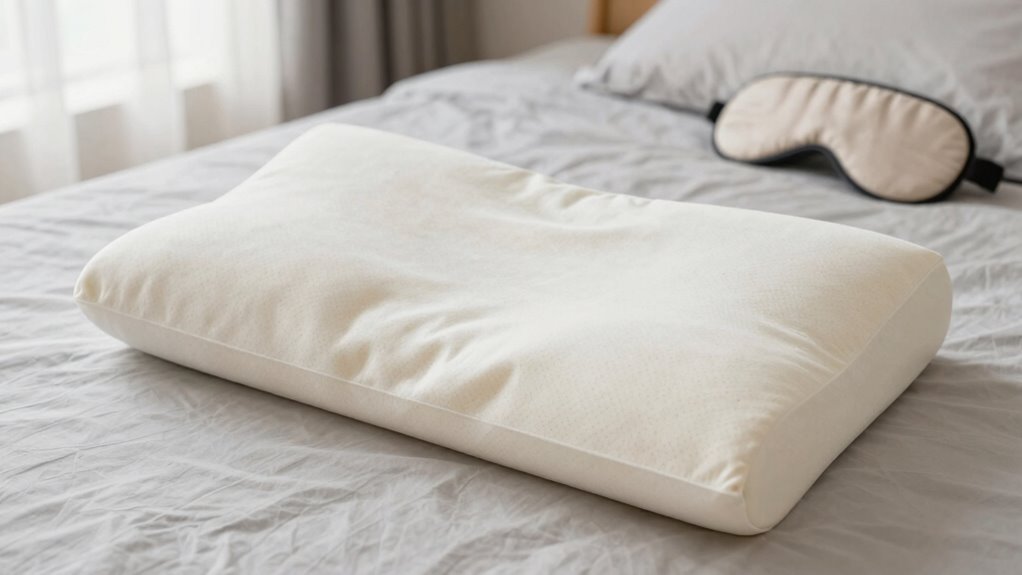
Some sleep products require more airing out than others because of the materials used. For example, memory foam mattresses or pillows tend to have stronger chemical odors initially due to the volatile organic compounds (VOCs) released during manufacturing. These VOCs aren’t harmful in small amounts, but their smell can be unpleasant and potentially irritating. By giving these products time to air out, you allow the chemical odors to evaporate, making the materials smell fresher and more neutral. This process can take several days to a few weeks, depending on the item and the ventilation in your space. During this period, it’s best to keep windows open and let fresh air circulate, accelerating the off-gassing process. Off-gassing is a common phenomenon with many new sleep products, especially those made with synthetic materials. Additionally, proper storage can help reduce additional chemical exposure if products are kept sealed away for a period before use.
Natural fiber sleep products, like wool or cotton, generally have less chemical odor and may require less airing out. However, even these can benefit from some initial ventilation, especially if they’ve been stored in sealed packaging or have undergone treatments like flame retardants. The key is to assess the smell and material freshness of your sleep products. If they emit a strong chemical odor, give them plenty of time to breathe before use. This not only improves their scent but also ensures that any residual chemicals are reduced, creating a healthier sleep environment.
In the end, airing out your sleep products isn’t just a matter of comfort—it’s about health and quality of sleep. Chemical odors can linger and disrupt your rest, while properly ventilated, fresh-feeling bedding promotes a more peaceful, rejuvenating sleep. So, take the time to give your sleep products a thorough airing out, especially if they’re new or stored away for a while. Your body will thank you for the fresher, cleaner sleep environment you create.
memory foam mattress off-gassing
As an affiliate, we earn on qualifying purchases.
As an affiliate, we earn on qualifying purchases.
Frequently Asked Questions
How Often Should Certain Sleep Products Be Aired Out?
You should air out your sleep products regularly, ideally once a week, to maintain good sleep hygiene and bedding maintenance. This helps reduce dust, sweat, and allergens that can accumulate over time. For items like memory foam or latex, airing out more frequently—every few days—can prevent odor buildup and prolong their lifespan. Keeping your sleep environment fresh supports healthier sleep and guarantees your bedding stays clean and comfortable.
Does Airing Out Improve Sleep Product Longevity?
Airing out your sleep products is like giving them a breath of fresh air, and yes, it can improve their longevity. By doing so, you help reduce chemical residues and prevent microbial growth that can deteriorate materials over time. Regular airing keeps the fabric fresh, diminishes odors, and protects your investment, ensuring your sleep environment stays healthy and comfortable for longer.
Are Natural Materials Better for Airing Out?
Yes, natural materials are generally better for airing out because they contain fewer chemical treatments and synthetic fibers that trap odors and moisture. When you air out natural sleep products, you help remove residual chemicals and reduce odors, promoting fresher, healthier sleep. Synthetic fibers often hold onto smells longer and may require more frequent airing, but natural options breathe better and tend to stay fresh longer with proper ventilation.
Can Airing Out Reduce Allergens in Sleep Products?
Airing out your sleep products can markedly reduce allergens like dust mites and mold growth. By exposing them to fresh air, you help eliminate trapped moisture and odors that attract these allergens. The suspense lies in how much cleaner your sleep space becomes with just a little fresh air. Regular airing disrupts dust mite habitats and inhibits mold, creating a healthier, allergen-free environment that promotes better sleep and overall well-being.
What Are the Best Methods to Air Out Different Sleep Products?
To air out sleep products effectively, start by placing them in a well-ventilated area with fresh air. For fabric freshness and odor elimination, hang pillows and mattress covers outside in the sun, which helps break down odors naturally. Regularly flipping or rotating mattresses and pillow covers also promotes airflow. Using a fan or dehumidifier accelerates drying and refreshes fabrics, ensuring your sleep environment stays fresh and odor-free.
As an affiliate, we earn on qualifying purchases.
Conclusion
You now know that some sleep products, like memory foam mattresses, can emit volatile organic compounds (VOCs) that need airing out for your safety. Notably, a study found that VOC levels in new mattresses can be 10 times higher than in older ones, highlighting the importance of proper airing. By giving your sleep products time to breathe, you not only ensure a healthier sleep environment but also extend their lifespan. Sleep soundly, knowing you’re making smart, informed choices.
As an affiliate, we earn on qualifying purchases.
ventilated sleep environment products
As an affiliate, we earn on qualifying purchases.
As an affiliate, we earn on qualifying purchases.
Fall yard work Picks
leaf blowers
As an affiliate, we earn on qualifying purchases.