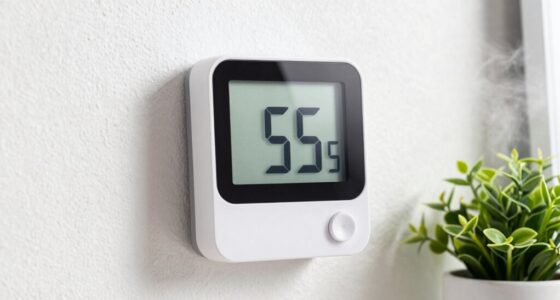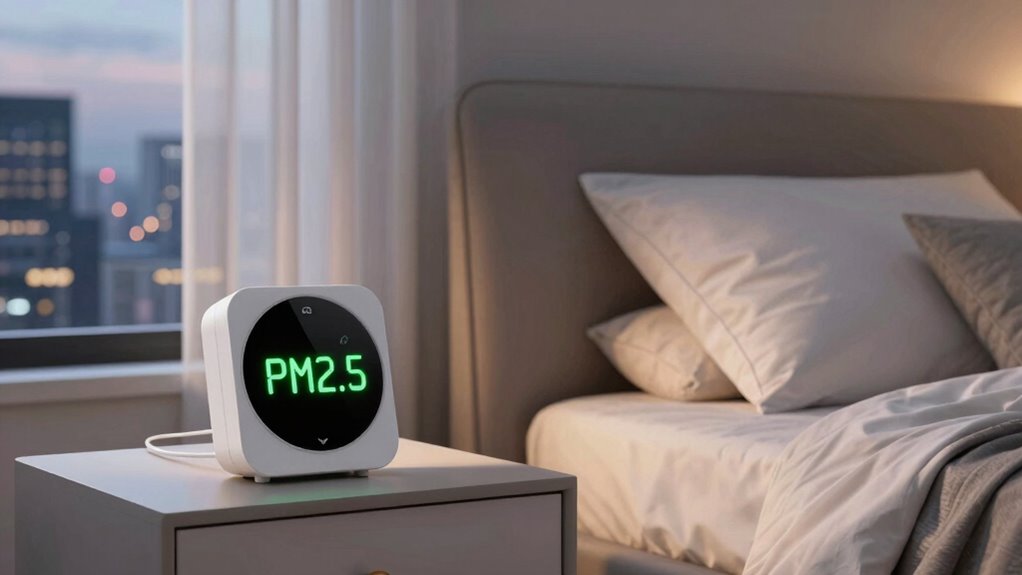

PM2.5 refers to tiny particles in the air that are smaller than 2.5 micrometers, so small you can’t see them. These particles come from vehicle exhaust, industrial activities, and burning wood, and they can stay inside your home if ventilation isn’t good. Breathing in too much PM2.5 can damage your lungs, weaken your immune system, and cause long-term health problems. Staying aware of your local air quality helps protect your health—keep going to learn more.

Get home appliances delivered free with Prime
- Fast, free delivery on millions of items
- Prime Video, Amazon Music and more included
- Member-only deals all year
Key Takeaways
- PM2.5 refers to tiny particles smaller than 2.5 micrometers that can harm your lungs and health.
- Safe indoor PM2.5 levels should stay below 5 micrograms per cubic meter, based on WHO guidelines.
- High PM2.5 levels can cause silent lung damage and worsen respiratory issues over time.
- During sleep, poor air quality can irritate your lungs, so use air purifiers and check air quality reports.
- Monitoring indoor PM2.5 helps you take action to improve air quality and protect your health while sleeping.
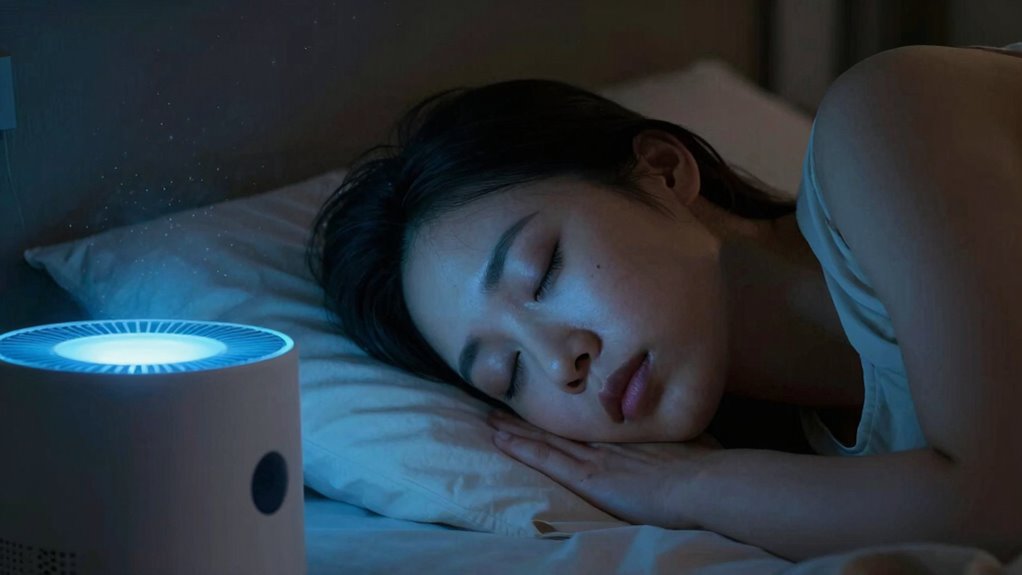
If you sleep in areas with high levels of PM2.5, it’s essential to understand how these tiny particles can affect your health. PM2.5 refers to airborne particles smaller than 2.5 micrometers, tiny enough to penetrate deep into your lungs and even enter your bloodstream. These particles often come from vehicle emissions, industrial processes, burning wood, and other sources. When you’re sleeping, your body is less alert to environmental changes, so understanding PM2.5 levels becomes even more critical for maintaining good health.
Air quality awareness is crucial because high PM2.5 levels can silently impact your respiratory health. Even if you don’t immediately notice symptoms, prolonged exposure can lead to chronic respiratory issues such as asthma, bronchitis, or emphysema. If you’re sleeping in an environment with poor air quality, your lungs work harder to filter out these pollutants, increasing your risk of long-term damage. It’s important to recognize that PM2.5 isn’t just an immediate irritant; it can cause inflammation and weaken your immune response over time, making you more vulnerable to respiratory infections.
High PM2.5 levels can cause silent lung damage and weaken your immune system over time.
You might think that air purifiers or closed windows will fully protect you, but that’s not always the case. Some pollutants can seep inside and linger, especially if your home’s ventilation isn’t adequate. It’s wise to monitor local air quality reports regularly and to check the PM2.5 readings for your area. When levels spike, consider taking precautions like sleeping with an air purifier or staying indoors during high pollution periods. If you notice symptoms like coughing, shortness of breath, or throat irritation, it might be linked to nighttime exposure to PM2.5. Paying attention to these signs can help you take steps to protect yourself proactively.
Understanding the PM2.5 number you should aim for is essential. The World Health Organization recommends keeping PM2.5 levels below 5 micrograms per cubic meter annually. If your area exceeds that regularly, you should prioritize improving indoor air quality and limiting outdoor activities during smoggy days. Being aware of these numbers helps you make informed decisions about your sleep environment. Additionally, using air quality sensors can help you monitor indoor PM2.5 levels more accurately, especially if outdoor air pollution frequently infiltrates your home. Recognizing indoor pollution sources and taking steps to mitigate them can further enhance your air quality. Regularly checking air quality reports can also help you stay informed about pollution trends in your area. Maintaining good indoor air quality requires awareness of various pollution sources, including household chemicals and smoking. In addition, understanding the health effects of PM2.5 can motivate you to take more proactive measures to improve your environment. Ultimately, protecting your respiratory health starts with awareness. By paying attention to air quality awareness and understanding how PM2.5 affects your lungs, you can sleep better and reduce the risk of long-term health issues caused by pollution.
As an affiliate, we earn on qualifying purchases.
Frequently Asked Questions
How Do PM2.5 Levels Vary by Location and Season?
You’ll find PM2.5 levels change based on location and season. Urban areas with more pollution sources, like traffic and industry, usually have higher air quality concerns year-round. During winter, heating and stagnant air can increase PM2.5, while summer often sees lower levels due to better dispersion. Coastal or rural areas tend to have cleaner air, but local pollution sources still impact PM2.5 levels depending on the season.
Can PM2.5 Levels Be Accurately Measured at Home?
Imagine trying to catch a whisper in a noisy room—that’s like measuring PM2.5 levels at home. You can get a rough idea of indoor air quality with personal air quality monitors, but measurement accuracy varies. While these devices offer convenience, they might not be as precise as professional equipment. So, if you’re concerned about air safety, consider professional testing for the most reliable results.
What Immediate Health Effects Can PM2.5 Exposure Cause?
Exposure to PM2.5 can cause immediate health effects like irritation in your eyes, nose, and throat, and make breathing difficult. Indoor air quality plays a big role, so you might notice coughing or shortness of breath after high pollution days. To protect yourself, use air purification systems, especially during pollution spikes, and keep indoor air clean to minimize these health risks.
Are There Specific Populations More Vulnerable to PM2.5?
You’re more vulnerable to PM2.5, especially if you belong to sensitive groups like children, the elderly, or those with respiratory or heart conditions. Indoor pollution can heighten this risk, making it harder for these groups to breathe easily. Recognizing these vulnerable groups helps you take extra precautions, like improving ventilation or reducing exposure, so you can better protect your health and that of your loved ones.
How Long Does It Take to See Health Improvements After Reducing Exposure?
You might notice health improvements within weeks of improving indoor air quality, especially if you reduce PM2.5 exposure. Long-term benefits, like better lung health and fewer respiratory issues, become clearer over months or years. Consistently maintaining good indoor air quality helps your body recover and lowers health risks. Keep monitoring air quality, use air purifiers, and avoid pollution sources to see these positive changes faster.
As an affiliate, we earn on qualifying purchases.
Conclusion
Now that you understand PM2.5, you’re better equipped to protect yourself and your sleep. Keep an eye on air quality reports and use air purifiers when needed. Don’t let invisible dangers sneak up on you—stay vigilant and take action before small particles turn into big health issues. Remember, a stitch in time saves nine; taking early steps now can help you breathe easier and sleep soundly, no matter what the air outside throws your way.
As an affiliate, we earn on qualifying purchases.
As an affiliate, we earn on qualifying purchases.
Halloween Picks
halloween
As an affiliate, we earn on qualifying purchases.