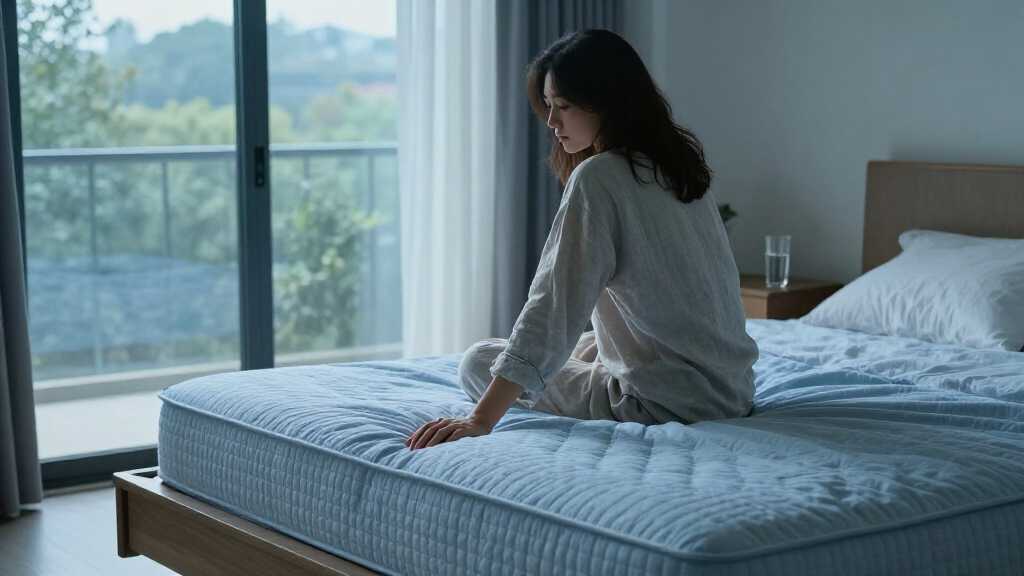

TL;DR
A paid partnership article describes how cooling mattresses use passive materials or active technology to manage heat, and highlights Sleep Number’s ClimateCool model. The source provides no independent testing or evidence that a cooling mattress improves sleep for everyone; comfort depends on individual temperature needs, mattress construction, and support.
A paid partnership with Sleep Number describes how cooling mattresses may help people who sleep hot, comparing breathable materials with active temperature-control systems and promoting the company’s ClimateCool model. The material says ClimateCool lets sleepers adjust temperature and firmness separately on each side, but it provides no independent test results or evidence that the mattress improves sleep for all users.

Get home appliances delivered free with Prime
- Fast, free delivery on millions of items
- Prime Video, Amazon Music and more included
- Member-only deals all year
The article distinguishes between passive cooling and active cooling. Passive designs use materials or construction intended to help heat dissipate, including breathable fabrics, ventilated coils, latex, and some foams. Some mattresses also use phase-change materials, which are designed to absorb and release heat as temperatures fluctuate. These features are intended to limit heat buildup; their presence alone does not establish how much cooler a particular sleeper will feel.
Active systems use technology intended to regulate the sleeping surface more directly. The partnership material says systems may circulate air or use other temperature-management technology. It presents Sleep Number ClimateCool, part of the company’s Climate collection, as an active-cooling option that also offers personalized comfort. It does not provide detailed technical specifications, test data, or independent comparisons with other mattresses.
The source also emphasizes that temperature is only one part of mattress comfort. Foam, latex, coil construction, firmness, and pressure relief can affect how a bed feels. Softer surfaces may cushion shoulders and hips but allow more sinking, while firmer surfaces may suit people who prefer to rest closer to the top. The appropriate balance can vary with sleeping position and personal preference.
Could a cooling mattress help? What the evidence says
Cooling materials and active systems are designed to manage heat. The supplied paid partnership does not show that they improve sleep for everyone.
Two ways to manage heat
Cooling features work through materials and construction, or through temperature-control technology.
- Breathable fabrics and ventilated coils
- Latex and some foams
- Phase-change materials designed to absorb and release heat
- Technology intended to regulate the sleeping surface
- Some systems may circulate air
- ClimateCool is presented as an active-cooling option
Comfort is more than temperature
Construction and personal preference shape how a mattress feels.
Heat and airflow
Covers, comfort layers, coils, and foam all contribute to the feel. The source gives no measured cooling results.
Firmness and pressure relief
Cushioning and support needs can vary with sleeping position and personal preference.
Separate settings
ClimateCool is described as offering separate temperature and firmness adjustments on each side.
What the article cannot confirm
The product description comes from a paid partnership with Sleep Number.
- No independent testing or measured temperature changes
- No comparisons, customer data, or evidence of improved sleep
- No detailed technical specifications or current pricing
Questions to ask before buying
Check whether the features match your needs and what the purchase includes.
Consider when you feel hot and whether you prefer passive materials or adjustable controls.
Weigh firmness, support, pressure relief, and temperature features together.
Seek full specifications, pricing, warranty and return terms, and independent reviews.
A mattress that helps manage heat could be relevant to people who regularly wake feeling too warm, as well as couples whose preferred sleeping temperatures differ. The source says some actively cooled models allow separate settings on each side, which could let partners choose different temperatures without applying the same setting to the whole bed. ClimateCool is presented as offering independent temperature and firmness adjustment.
Those options may address a practical source of disagreement between bed partners, but the article does not establish how well the system works in everyday use or whether it changes sleep outcomes. Buyers should distinguish a product’s stated features from evidence about performance. Cooling, support, pressure relief, and price all matter when deciding whether a mattress fits a household’s needs.
Products Worth Considering

Hisense 75-Inch U7 Mini-LED ULED 4K UHD Smart Google TV (75U7SG)
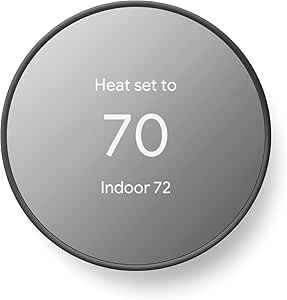
Google Nest Smart Thermostat, Charcoal

LEVOIT Vital 200S-P Smart Air Purifier for Large Rooms, White
As an affiliate, we earn on qualifying purchases.
How Mattress Materials Manage Heat
Traditional memory foam is known for contouring and pressure relief, but some designs can retain warmth because they conform closely around the body. The source says newer foam products may add cooling covers, gel-infused materials, or ventilation features. Those additions are intended to address heat, though the supplied material does not quantify their effects or compare specific products.
Hybrid mattresses pair foam or latex comfort layers with a coil support system. Open spaces around the coils can allow air to move through the mattress, while latex is described as a more responsive, breathable-feeling alternative for people who prefer less sinking. The source cautions, in effect, that no single component determines the whole experience: the cover, comfort layers, construction, and any temperature system work together.
Firmness also affects how a sleeper experiences a mattress. Side sleepers may want more cushioning around the shoulders and hips; back and stomach sleepers may prefer more support through the midsection. These are general considerations, not a rule that identifies one best mattress for every sleeper. The source says no mattress is perfect for everyone, and it does not offer clinical guidance about sleep problems or temperature sensitivity.
What Product Evidence Is Missing
The supplied material is labeled as a paid partnership with Sleep Number, so its product description is promotional rather than an independent review. It includes no testing methodology, measured temperature changes, comparisons with other mattresses, customer data, or research showing that ClimateCool improves sleep quality. The effectiveness of cooling features for a particular person therefore remains uncertain based on this material.
It is also unclear how the ClimateCool system works in technical detail, what temperature range or controls it offers, how it performs over a full night, and what it costs. The source cuts off while describing how partners can select settings, so additional product details are not available. Readers should not infer that all cooling mattresses use the same technology or provide the same results.
Questions to Ask Before Buying
People comparing options can first identify when they tend to feel hot and whether they want passive materials or adjustable active controls. They can then compare construction, firmness, pressure relief, and temperature settings against their sleeping position and preferences. Couples may want to check whether controls are genuinely independent for each side, rather than shared across the bed.
Before purchasing ClimateCool or another model, readers can seek the manufacturer’s full specifications, current pricing, warranty and return terms, and details about any required equipment or ongoing costs. Independent testing or reviews could help put performance claims in context. The supplied article names no further testing, launch milestone, or follow-up announcement, so no next development is confirmed.
Key Questions
Can a cooling mattress help someone who sleeps hot?
It may help some people manage heat at the sleeping surface. The supplied article describes materials and active systems designed for that purpose, but offers no independent evidence that a cooling mattress will improve comfort or sleep for everyone.
What is the difference between passive and active cooling?
Passive cooling relies on materials and construction intended to help heat escape, such as breathable covers or ventilated coils. Active cooling uses technology intended to regulate the sleeping surface more directly. The source does not provide comparative performance data.
What does the source say about Sleep Number ClimateCool?
The paid partnership describes ClimateCool as an active-cooling mattress in Sleep Number’s Climate collection. It says temperature and firmness can be adjusted separately on each side, but gives no independent test results or detailed technical specifications.
Should firmness be considered alongside cooling?
Yes. The source says mattress choice also involves support and pressure relief, which can vary with sleeping position and personal preference. Cooling features alone do not determine whether a mattress will feel comfortable.
Source: digitaltrends.com