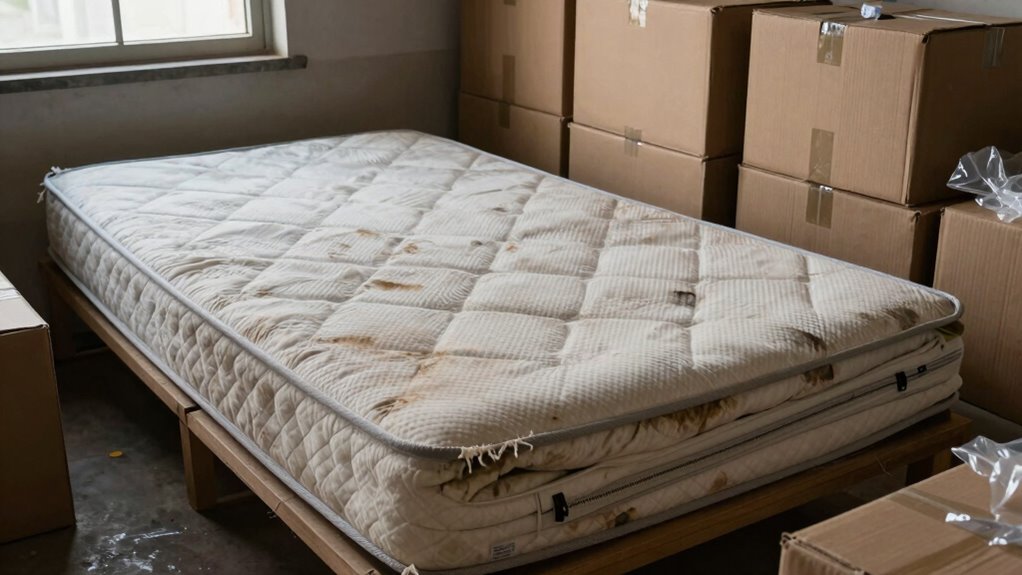

Charities often refuse used mattresses because they pose serious health and safety risks like pests, mold, bed bugs, and fire hazards that are hard to detect and eliminate. Strict regulations require cleaning, inspection, and compliance with fire safety standards, making donations complicated and costly. They prefer new mattresses to ensure safety and hygiene for vulnerable populations. To understand more about these regulations and safer disposal options, keep exploring how you can responsibly manage your old mattress.
Key Takeaways
- Charities often reject used mattresses due to health risks like pests, mold, and structural damage that are hard to detect and eliminate.
- Strict regulations require certification, inspection, and fire safety compliance, making donations complex and costly.
- Used mattresses may harbor bed bugs, allergens, or mold, posing health hazards to vulnerable populations.
- Liability concerns and potential legal issues discourage charities from accepting used or damaged mattresses.
- Recycling or disposing of old mattresses involves environmental challenges, additional costs, and safety considerations.

Bed MadeEZ Mattress Lifter & Bed Maker Tool for Changing Bed| Patented & Made in USA | Lifts & Holds The Mattress, Tucks Sheets, Removes Sheets, Bed Skirts and More
THE ORIGINAL, AUTHENTIC MATTRESS LIFTER MADE IN THE USA- Many try to replicate our design but none can…
As an affiliate, we earn on qualifying purchases.
As an affiliate, we earn on qualifying purchases.
What Are the Health and Safety Risks of Donating Used Mattresses?
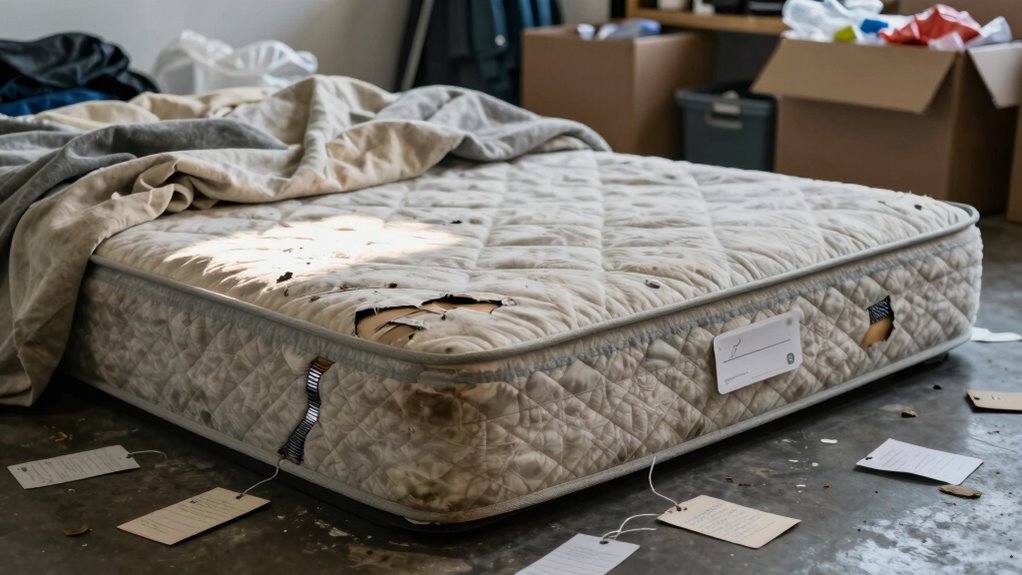
Donating used mattresses can pose serious health and safety risks if they are not properly inspected and cleaned. Many charities hesitate because damaged or stained mattresses can harbor pests, mold, and bacteria, putting recipients at risk. Moreover, mattress warranties often become void if the item is donated, complicating donation logistics. This can also lead to home‑care challenges, making it difficult for charities to ensure the safety of donated items. This means donors might unknowingly pass along a mattress with underlying issues or compromised safety. Additionally, poorly managed donations can create storage and transportation challenges for charities, increasing the chances of contamination or damage during transit. To protect both donors and recipients, charities prefer mattresses that are in excellent condition, but without thorough inspection and cleaning, these risks remain significant. Proper procedures are essential to ensure safety and compliance with donation guidelines.
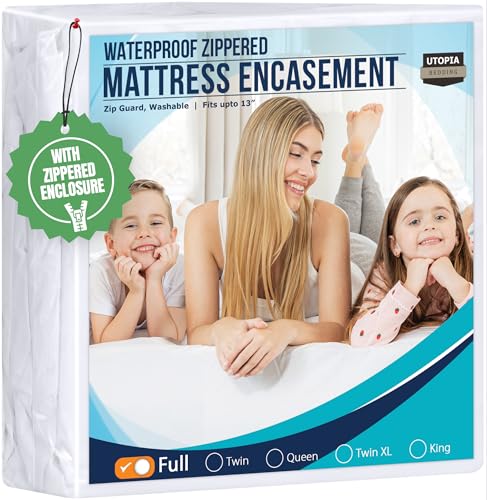
Utopia Bedding Zippered Mattress Encasement Full – 100% Waterproof and Bed Bug Proof Mattress Protector – Absorbent, Six-Sided Mattress Cover
360° Coverage Protection – Fits 54 inches by 75 inches full size mattress up to 13 inches deep,…
As an affiliate, we earn on qualifying purchases.
As an affiliate, we earn on qualifying purchases.
Why Are There Strict Regulations for Mattress Donations?
Because of the health and safety risks involved, strict regulations govern mattress donations to safeguard recipients and guarantee proper handling. Mattresses can harbor mold, which can cause respiratory issues, especially if not thoroughly cleaned or sanitized. Bed bug infestations are another major concern, as these pests can easily spread and are difficult to eliminate once they infest a mattress. Regulations prevent the donation of mattresses that may carry mold or pests, aiming to protect vulnerable individuals from health hazards. Charities often require proof of proper cleaning and certification to ensure safety, which is why many organizations prefer new mattresses or reject used ones altogether. These rules help prevent the spread of disease and infestation, maintaining the health of those in need. Proper handling is essential to ensure that donated mattresses are safe for recipients.

Clorox PURE Allergen Neutralizer Fabric and Carpet Spray, Nighttime Calm, 26 Fluid Ounces
NEW ALLERGEN NEUTRALIZER SPRAY: Clorox PURE Allergen Neutralizer Fabric and Carpet Spray neutralizes pet dander, dust mite matter…
As an affiliate, we earn on qualifying purchases.
As an affiliate, we earn on qualifying purchases.
Why Do Charities Prefer New Mattresses Over Used Ones?
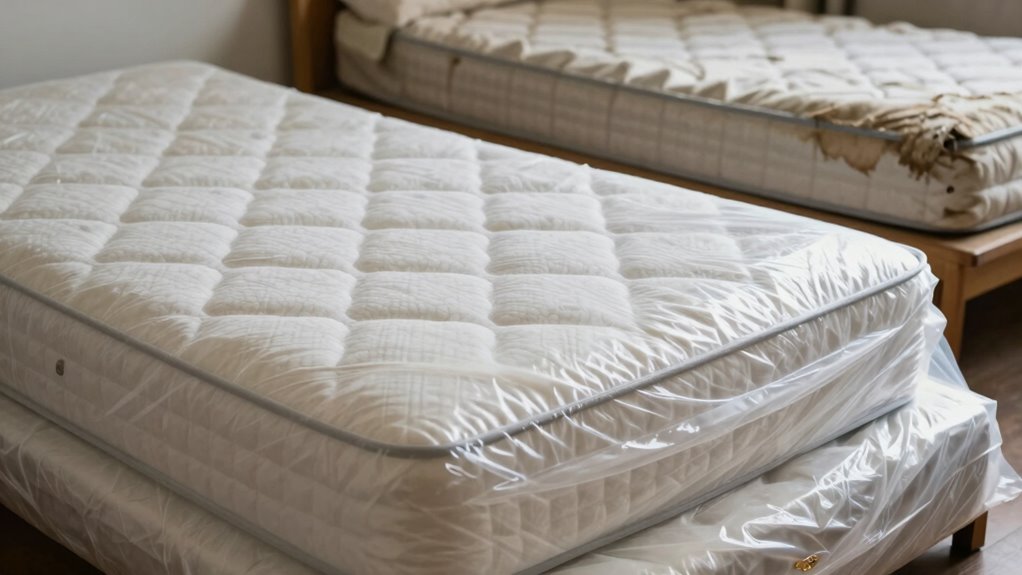
Charities prefer new mattresses because maintaining hygiene and safety standards is much easier with unopened items. Inspecting and certifying used mattresses for health risks can be complicated and costly. Additionally, color accuracy plays a role in ensuring the visual presentation of products in promotional materials remains true to life. Ultimately, donating new mattresses helps reduce liability concerns and guarantees the safety of those in need.
Hygiene and Safety Standards
While used mattresses might seem like a helpful donation, they often pose significant hygiene and safety concerns. Over time, mattresses can harbor dust mites, bacteria, mold, and allergens that are difficult to eliminate completely. These issues violate mattress hygiene standards and can cause health problems for recipients. Charities prioritize safety standards to prevent the spread of infections or pests, which used mattresses can carry despite cleaning. Older mattresses may also have weakened or broken springs, tears, or other structural flaws that compromise safety. Because ensuring that used mattresses meet all hygiene and safety requirements is challenging, many charities prefer new mattresses. Providing new mattresses helps guarantee a healthier, safer sleeping environment for those in need. Furthermore, some materials used in mattresses, such as flame retardants, may pose additional health risks, emphasizing the importance of adhering to Free Floating standards for safe sleep environments.
Inspection and Certification Challenges
Inspecting and certifying used mattresses presents significant hurdles for charities. The inspection challenges stem from the difficulty in identifying hidden damage, pests, or mold that aren’t immediately visible. Certification hurdles also arise because verifying a mattress’s safety requires thorough testing, which can be costly and time-consuming. Many charities lack the resources to perform detailed inspections or certify used mattresses properly. To illustrate, here’s a quick comparison:
| Challenge Type | Explanation |
|---|---|
| Inspection Challenges | Hidden damage, pests, mold; hard to detect |
| Certification Hurdles | Costly tests, time-consuming processes |
| Resource Limitations | Limited staff or equipment for thorough checks |
These issues make used mattresses less appealing for donation, favoring new ones instead. Additionally, inspection standards vary widely, making consistent evaluation difficult for many organizations.
Liability and Health Risks
Because of the potential liability and health risks involved, charities often prefer to avoid accepting used mattresses. Used mattresses can pose fire hazards if they don’t meet recent fire safety standards, increasing the risk of accidental fires. Additionally, they can harbor allergy risks from dust mites, mold, and bacteria, which can worsen respiratory issues or cause infections. Charities recognize that the cost of properly sanitizing and inspecting used mattresses is high, and even then, some health risks remain. Accepting used mattresses could lead to legal liability if someone gets sick or injured from a donated item. To protect both recipients and themselves, many charities choose to only accept new mattresses, ensuring safety, compliance, and peace of mind. Proper sanitization standards also play a crucial role in the decision to only accept new mattresses.
mattress recycling services
As an affiliate, we earn on qualifying purchases.
As an affiliate, we earn on qualifying purchases.
Are Mold, Bed Bugs, and Pests a Real Risk in Old Mattresses?
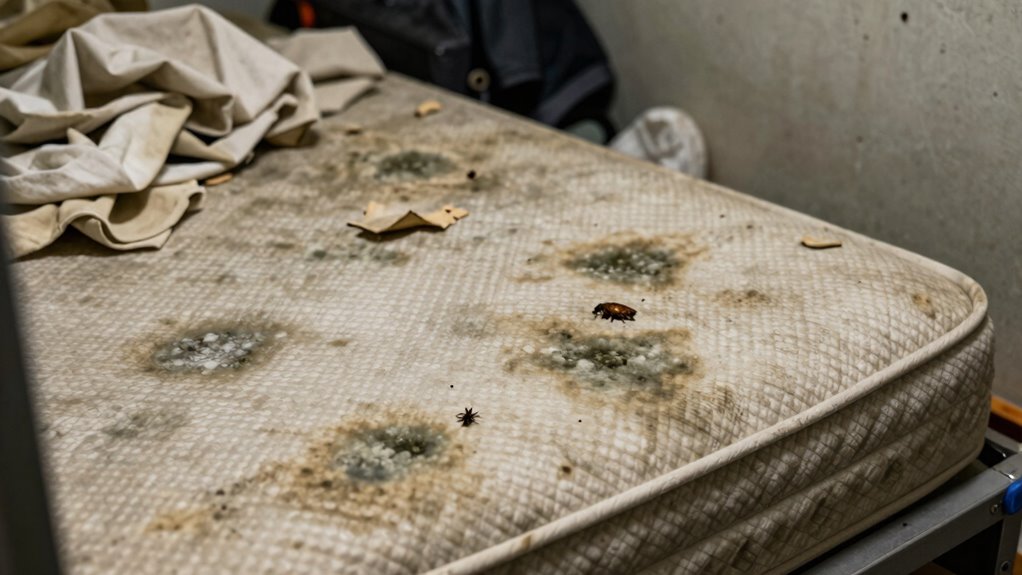
Old mattresses can pose serious health risks because mold, bed bugs, and pests often thrive in their fibers. These issues are common in older, used mattresses, making them difficult to donate safely. Mattress mold can cause respiratory problems, especially for sensitive individuals. Pest infestations, like bed bugs, are notorious for hiding deep within the mattress layers. To better understand the risks, consider these points:
- Mold growth occurs in damp environments, which old mattresses often provide.
- Bed bugs can hide in seams, making detection challenging.
- Pests such as fleas or mites may also reside in old mattress fibers.
- Sanitizing or inspecting thoroughly is essential, but often not enough to eliminate all risks.
- Air quality concerns are heightened when dealing with contaminated mattresses, emphasizing the importance of proper disposal and replacement.
Because of these dangers, many charities refuse old mattresses to prevent health hazards.
Why Is Disposing of Old Mattresses a Challenge for Charities?
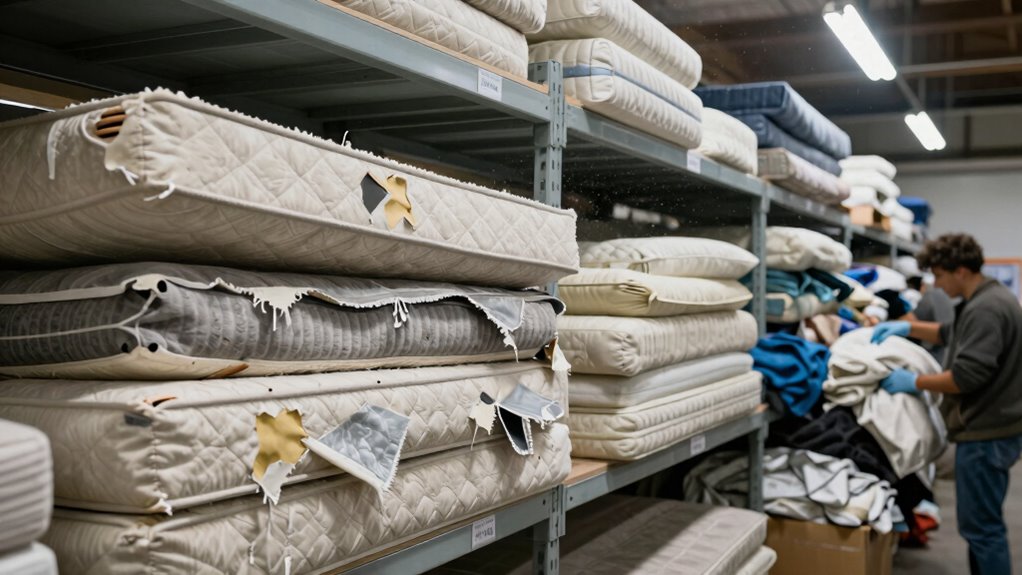
Disposing of old mattresses isn’t simple for charities because of hygiene and safety concerns. Many mattresses can’t be donated if they’re contaminated with pests or mold, and disposal options are limited. Recycling and proper disposal methods add extra hurdles, making it a real challenge to handle old mattresses responsibly. Additionally, implementing energy-efficient cloud servers can help charities reduce their environmental impact during logistical operations related to mattress disposal and donation processes.
Hygiene and Safety Concerns
Charities face significant challenges when it comes to accepting used mattresses due to hygiene and safety concerns. Old mattresses can harbor dust mites, mold, and bacteria, raising allergen concerns for vulnerable individuals. Additionally, they pose a fire hazard, especially if not properly treated. These risks make charities wary of accepting used mattresses without thorough cleaning or certification. To ensure safety, charities consider:
- Potential for bedbug infestations
- Difficulty in sanitizing thoroughly
- Fire safety regulations and standards
- Risk of aggravating allergy or respiratory issues
- Thermal behavior of mattresses complicates effective disinfection processes
Because of these issues, many charities prefer to avoid donations of used mattresses altogether. Ensuring safety and hygiene becomes a priority, even if it means turning away items that could otherwise be helpful.
Recycling and Disposal Challenges
Recycling and disposing of old mattresses present significant logistical and environmental challenges that many charities struggle to overcome. Mattresses are bulky and difficult to transport, making disposal costly and labor-intensive. Their complex construction contains materials like foam, metal springs, and fabric, which complicates material recycling. Improper disposal contributes to environmental impact, as mattresses often end up in landfills, where they take years to decompose and can release harmful chemicals. Recycling programs exist, but they require specialized facilities to separate and process these components efficiently. For charities, coordinating mattress disposal or recycling can be a significant hurdle due to costs, limited resources, and the need for environmentally responsible methods. These challenges help explain why many charities prefer not to accept old mattresses.
How Can You Recycle or Repurpose Your Old Mattress?
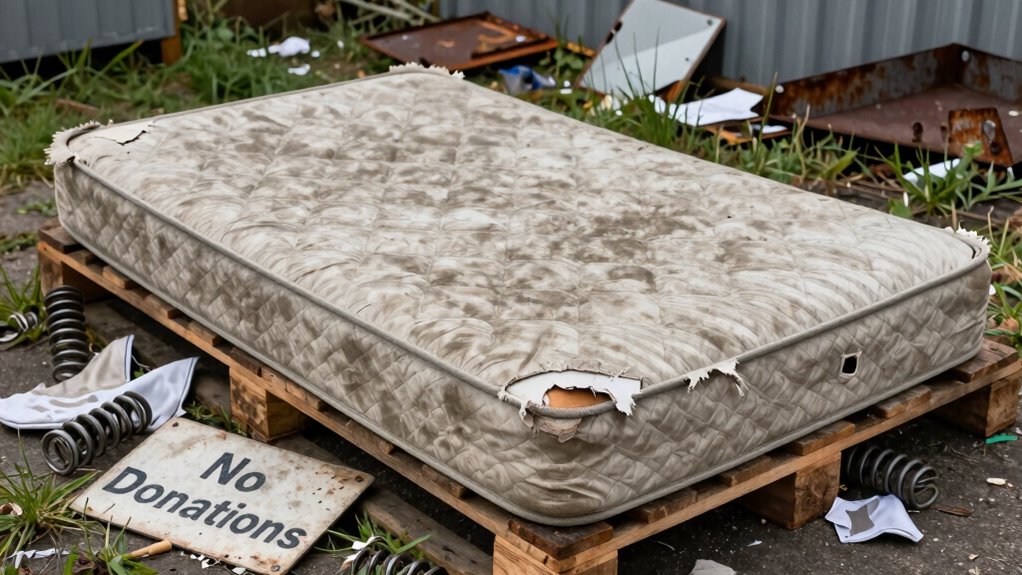
Wondering how to give your old mattress a new lease on life? You can explore creative upcycling ideas or eco friendly disposal options to reduce waste. Here are some ways to repurpose or properly dispose of your mattress:
- Transform it into furniture, like a pet bed or outdoor cushion.
- Use foam for craft projects or insulation.
- Donate if it’s still in decent shape, but check charity rules first.
- Opt for eco friendly disposal through specialized recycling programs.
Furthermore, understanding recycling processes can help ensure your mattress is disposed of responsibly.
How to Prepare and Properly Dispose of Your Old Mattress
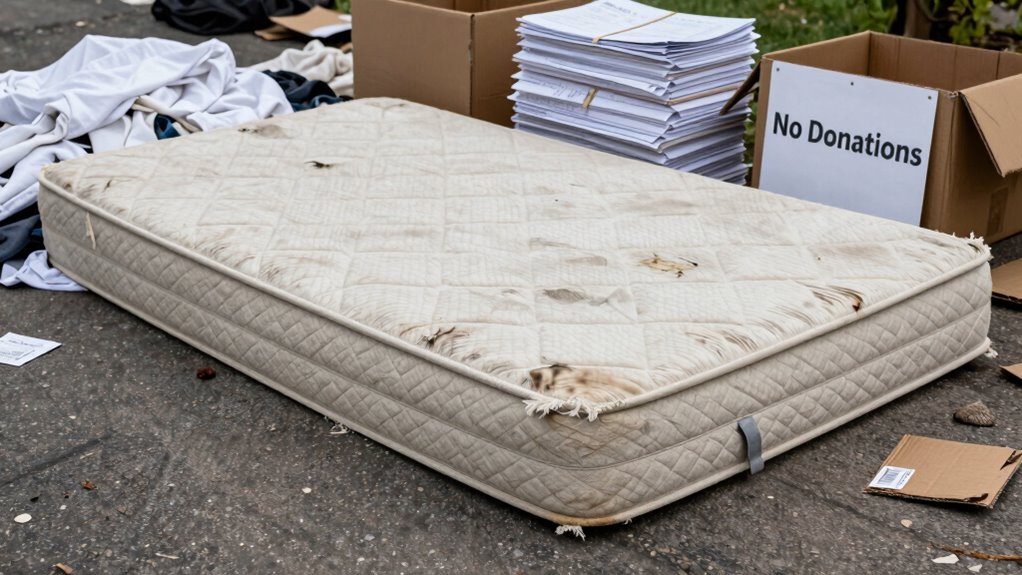
Before disposing of your old mattress, make sure to prepare it properly to guarantee a smooth and eco-friendly process. Start by thoroughly mattress cleaning to remove dirt, stains, and allergens, which also makes it more appealing for mattress resale or donation. If resale isn’t an option, you’ll need to disassemble the mattress if possible, removing any metal springs or frames, and recycle these components separately. Ensure the mattress is wrapped securely in plastic or a heavy-duty bag to prevent debris from leaking during pickup or disposal. Check local regulations for mattress disposal; some areas require special handling or drop-off locations. Proper preparation helps prevent environmental harm and can make your mattress more suitable for resale or recycling efforts.
Frequently Asked Questions
Can I Donate a Mattress With Minor Stains or Tears?
You probably can’t donate a mattress with minor stains or tears because charities prioritize hygiene and safety. Even if you clean the mattress thoroughly or try stain removal, some stains or tears may still be unacceptable. Most charities require mattresses to be spotless and in good condition. To improve your chances, guarantee proper mattress cleaning, removing stains as much as possible, but remember, many charities still say no to stained or damaged mattresses.
Are There Specific Brands or Types of Mattresses That Charities Prefer?
Did you know that over 60% of charities prefer certain mattress types? You should focus on brand preferences and mattress types that are new, clean, and free from stains or tears. Popular brands like Sealy, Tempur-Pedic, or Simmons are often preferred because of their quality. Avoid used or damaged mattresses, regardless of brand, as many charities prioritize safety and hygiene, making specific brand preferences less common but still important.
How Do Charities Inspect Mattresses for Safety Before Accepting Donations?
Charities carefully conduct mattress inspections to guarantee safety before accepting donations. You’ll find they look for signs of bed bugs, mold, tears, or other damage that could pose health risks. They also check if the mattress meets safety standards, such as flame retardant regulations. If the mattress passes inspection, it gets sanitized and stored properly; if not, they politely decline to prevent any safety issues for future recipients.
What Are the Legal Liabilities for Charities Accepting Used Mattresses?
You should know that accepting used mattresses brings liability concerns because charities could be held legally responsible if someone gets hurt or sick. It’s essential to guarantee legal compliance, including inspecting and sanitizing mattresses thoroughly. As the saying goes, “Better safe than sorry,” so many charities avoid accepting mattresses to shield themselves from potential lawsuits and liability issues, prioritizing safety and adherence to regulations.
Are There Alternative Ways to Donate My Old Mattress Besides Charities?
Yes, you can explore alternative mattress disposal methods like mattress recycling options or local bulk waste pick-up programs. Many areas have dedicated recycling centers that break down mattresses into reusable materials, reducing landfill waste. Check your local waste management services for alternative mattress disposal options, or search for nearby mattress recycling facilities. These options are eco-friendly and help you responsibly dispose of your old mattress when charities can’t accept it.
Conclusion
Donating your mattress might seem like a simple act of kindness, but it’s like handing over a ticking time bomb if not done right. The risks lurking in old mattresses can turn your generosity into a hidden danger. By choosing proper disposal or recycling, you’re not just clearing space—you’re safeguarding lives and health. Think of it as planting seeds for a safer, cleaner future, where your kindness blooms without unintended harm.