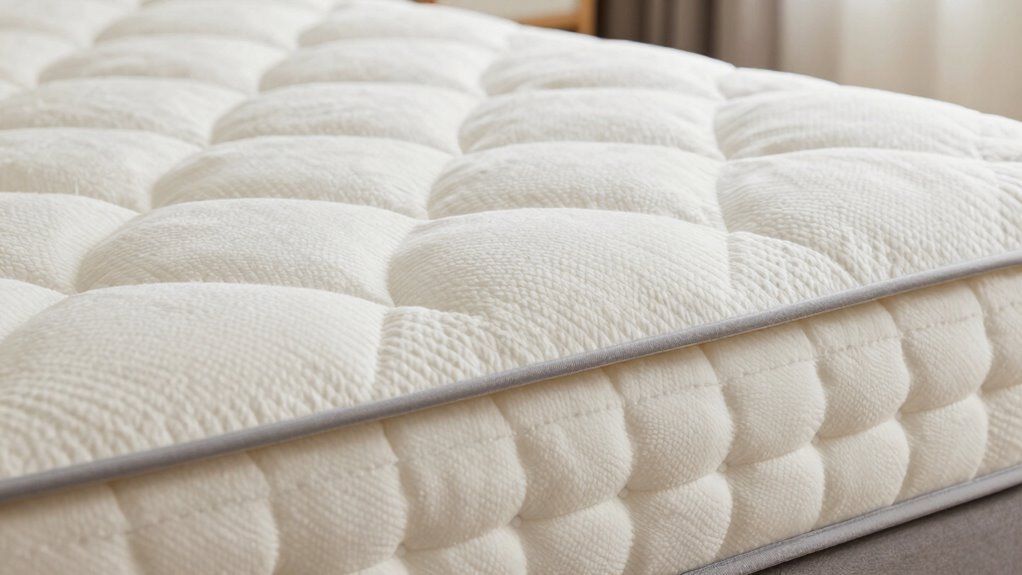

Spec sheets only show basic info like materials and firmness, but they don’t reveal how a mattress actually feels or performs for you. Your comfort depends on personal preferences, body type, and how materials interact in layers, which specs can’t capture. They also don’t account for long-term durability or real-world reactions like heat and motion transfer. If you want a true picture of what to expect, there’s more to take into account beyond just the specs.

Get home appliances delivered free with Prime
- Fast, free delivery on millions of items
- Prime Video, Amazon Music and more included
- Member-only deals all year
Key Takeaways
- Spec sheets only list materials and basic specs, not how they interact or perform in real-life use.
- Comfort and support are subjective and depend on individual preferences, not just specifications.
- Layering and material combinations significantly influence performance but are not detailed in specs.
- Material quality and durability impact long-term comfort, which specs alone cannot predict.
- Testing and personal experience are essential, as specs do not capture temperature regulation or motion isolation.

When shopping for a mattress, you might rely heavily on spec sheets to guide your decision, but these documents often only reveal part of the story. They list materials used, firmness levels, and thickness, but they don’t capture the full experience or the nuances that matter most to you. Material differences, such as the type of foam, innerspring, or latex, can influence comfort, durability, and breathability. However, knowing that a mattress contains memory foam versus gel-infused foam doesn’t automatically tell you how it feels or whether it’ll suit your sleeping style. The specs give you a snapshot, but they don’t account for how those materials perform in real life or how they might react to your body heat, weight, or preferences. Additionally, the way materials are combined can impact overall performance, yet this layering is rarely detailed in spec sheets. Customer preferences play a huge role in choosing the right mattress, yet spec sheets rarely address personal comfort. For example, some people prioritize a soft, plush feel, while others need a firmer surface for back support. The thickness or density listed on a spec sheet doesn’t always translate to comfort, especially since comfort is subjective. A mattress with high-density foam might seem supportive on paper but could feel too firm or too soft depending on your preferences. So, while the specs may indicate the technical makeup, they don’t tell you if the mattress aligns with your preferred sleeping position or whether it’ll relieve pressure points effectively. Furthermore, the way materials are combined can make a significant difference, but specs don’t often highlight this. A layered mattress might have different materials designed to work together for exceptional support and comfort, yet the spec sheet only shows the individual components. You might see that a mattress uses memory foam on top, but not how that foam interacts with the innerspring or base layers. As a result, you miss out on understanding how the mattress truly performs in terms of motion isolation, temperature regulation, or edge support. In fact, material interaction can greatly influence a mattress’s overall performance and longevity. It’s also important to consider material quality, as it directly affects how long the mattress will last and how well it maintains its comfort over time. When evaluating a mattress, understanding material durability can help predict how well it will hold up with regular use and aging. Ultimately, understanding material composition and how it interacts within the mattress is crucial for making an informed choice. In the end, spec sheets serve as a helpful starting point, but they don’t replace the need to test a mattress yourself or read reviews from other customers. Material differences influence how a mattress feels and lasts, and your personal preferences determine whether it’s a good fit. To truly understand what a mattress offers, you need to go beyond the specs and consider how it aligns with your sleep needs, comfort expectations, and lifestyle.
As an affiliate, we earn on qualifying purchases.
Frequently Asked Questions
How Do Personal Preferences Affect Mattress Comfort Beyond Specs?
Your personal preferences heavily influence mattress comfort beyond specs because comfort is subjective. What feels supportive to one person might be too firm or too soft for another. Your sleeping position, pressure points, and even your body weight shape how you perceive a mattress’s comfort. So, trusting specs alone isn’t enough—you need to take into account how your personal comfort preferences align with the mattress’s feel to find the right fit.
Are There Hidden Factors Influencing Mattress Durability Not Shown on Spec Sheets?
Yes, hidden factors influence mattress durability beyond spec sheets. Material longevity and manufacturing quality play essential roles, often overlooked. If the materials used wear out faster or the manufacturing process isn’t precise, the mattress’s lifespan shortens. You should consider the quality of the fabric, the craftsmanship, and the brand’s reputation. These factors determine how well your mattress withstands daily use and maintains comfort over time.
Can Mattress Materials Impact Health or Allergy Sensitivity?
Yes, mattress materials can impact your health or allergy sensitivity. Certain materials may contain allergy triggers like dust mites or chemical residues from manufacturing, affecting sensitive individuals. Material safety is essential; look for hypoallergenic or low-emission options to reduce health risks. Choosing mattresses made with safe, allergy-friendly materials helps improve sleep quality and minimizes allergic reactions, ensuring a healthier, more comfortable resting environment.
How Important Is the Mattress’s Brand Reputation in Choosing a Bed?
Your mattress’s brand reputation matters because it influences your confidence in quality and customer service. Brand loyalty can guide your choice, especially if you’ve had positive experiences before. A well-regarded brand often signifies reliable materials and better craftsmanship, reducing the risk of issues down the line. Trusting a reputable brand can make your purchase feel more secure, ensuring you get a mattress that supports your sleep health and comfort.
Do Sleep Trial Periods Reveal Issues Not Listed in Specs?
Yes, sleep trial periods can reveal issues not listed in specs, like sleep consistency problems or mattress temperature concerns. During your trial, you might notice if the mattress causes uneven support or gets too hot, which specs often overlook. These real-world experiences help you understand if the mattress truly suits your sleep needs, ensuring you don’t just rely on technical details but also on how it feels during actual sleep.
best temperature regulating memory foam mattress
As an affiliate, we earn on qualifying purchases.
As an affiliate, we earn on qualifying purchases.
Conclusion
Remember, a spec sheet is just the surface of a mattress’s story, like a book’s cover that hints at but doesn’t reveal its depths. Beneath the specifications lies a world of comfort, support, and personal experience — the true essence that can’t be captured in numbers alone. When choosing your mattress, look beyond the symbols on paper and listen to the whispers of your body, for it knows the real story waiting to unfold in every restful night.
layered hybrid mattress for support
As an affiliate, we earn on qualifying purchases.
As an affiliate, we earn on qualifying purchases.
durable latex mattress for long-term use
As an affiliate, we earn on qualifying purchases.
As an affiliate, we earn on qualifying purchases.
Cold & flu season Picks
humidifiers
As an affiliate, we earn on qualifying purchases.