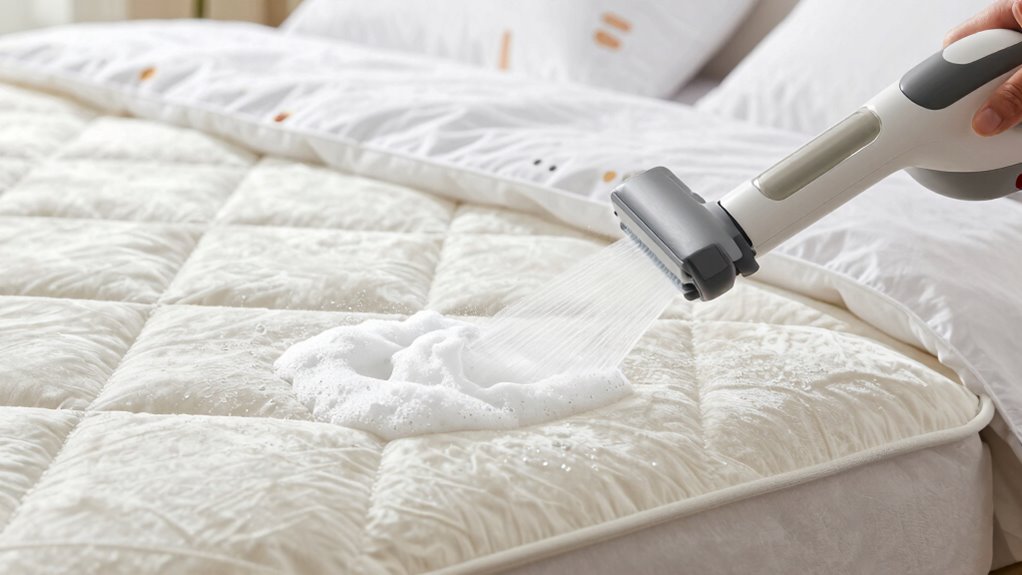
When cleaning your mattress, consider its material to choose safe methods. For foam mattresses, use gentle spot cleaning with mild detergent, avoiding excess moisture, and vacuum regularly. For fabric mattresses, vacuum weekly, spot clean stains with fabric-safe solutions, and air out often. Steer clear of harsh chemicals like bleach or ammonia, which can damage fibers. If you want to keep your mattress fresh and in good shape, understanding these tips will help you succeed.
Learn How Mattress Materials Affect Cleaning

Understanding the materials your mattress is made of is crucial because different fabrics and fillings respond differently to cleaning methods. For example, natural fibers like cotton or wool can trap allergy triggers such as dust mites and pet dander, which may worsen allergies. Synthetic materials may resist some cleaning agents but could also trap odors more stubbornly. Mattress odors often originate from sweat, spills, or bacteria, and certain materials absorb these smells more deeply. Knowing whether your mattress is fabric, memory foam, or innerspring helps you choose appropriate cleaning techniques that avoid damage while effectively reducing allergens and odors. Proper understanding ensures you don’t use harsh chemicals that could degrade delicate fabrics or foam, keeping your mattress cleaner, fresher, and healthier. Additionally, understanding mattress materials can guide you in selecting the safest cleaning methods tailored to each type. Recognizing the contrast ratio of your mattress material can also help determine how well it will reflect light and maintain a fresh appearance over time. Being aware of the cleaning compatibility of different materials can prevent inadvertent damage during cleaning. Moreover, knowing the material’s response to moisture is essential for avoiding mold and mildew growth during cleaning processes. Understanding material durability can also help you select cleaning techniques that prolong the lifespan of your mattress.
Use Safe Cleaning Methods for Foam Mattresses
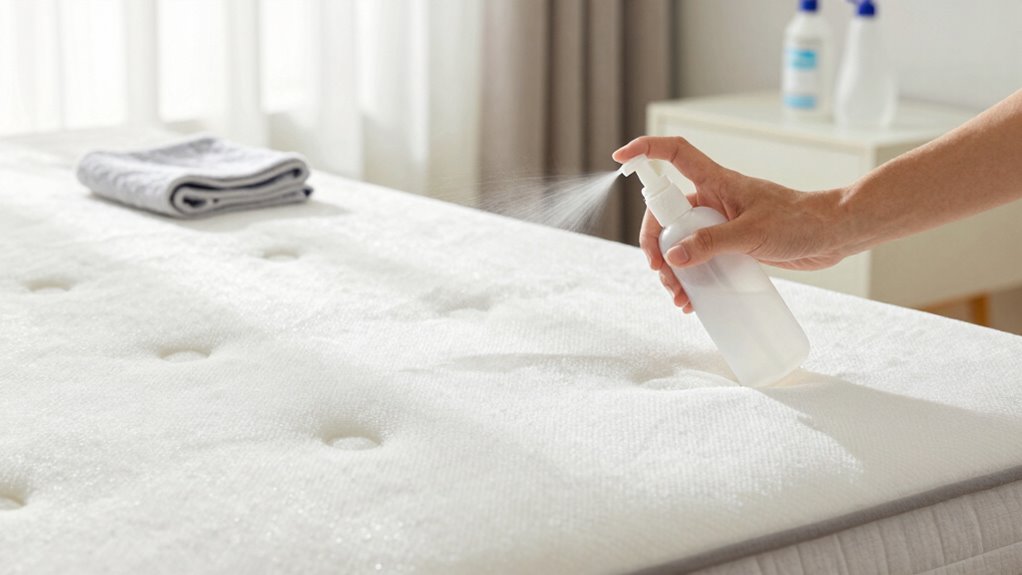
Cleaning foam mattresses requires special care to prevent damage to the delicate materials. Use gentle methods like spot cleaning with a mild detergent and water. Avoid oversaturating the foam, which can lead to mold and odors. For allergy prevention, regularly vacuum your mattress to remove dust mites and allergens. When removing stains, act quickly with a mixture of baking soda and water or a stain remover suitable for foam. Always test cleaning solutions on a small area first. Understanding filtration and proper maintenance can help extend the life of your mattress and keep it feeling fresh. Additionally, choosing appropriate cleaning products designed for foam can further protect your mattress’s integrity. Proper mattress care techniques can also help maintain the comfort and longevity of your foam mattress. Regularly inspecting your mattress for signs of wear and air quality issues can further ensure a healthy sleeping environment. Incorporating ventilation practices can also reduce moisture buildup and improve overall hygiene.
Discover Best Practices for Fabric Mattress Care
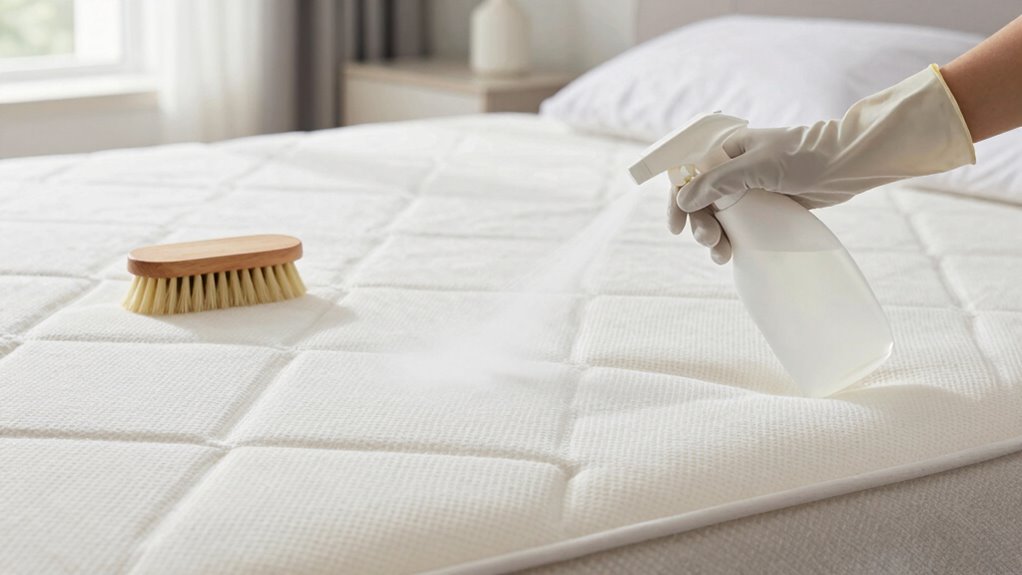
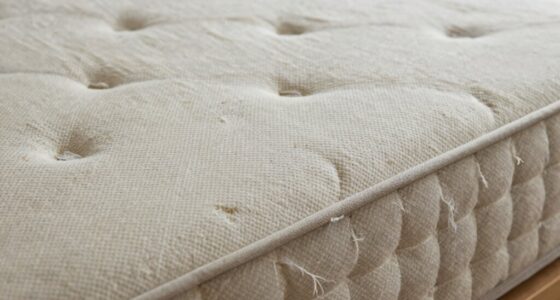
To keep your fabric mattress fresh and spotless, maintaining proper care practices is essential. Regularly air out your mattress by opening windows and letting it breathe, which aids in mattress odor control and prevents mustiness. Use a vacuum with an upholstery attachment weekly to remove dust, dirt, and allergens that can accumulate over time. Spot clean stains immediately with a gentle fabric-safe cleaner, avoiding excess moisture that can lead to mold. Encase your mattress in a breathable, allergen-proof cover to reduce dust mites and other allergens. Mattress protection is also important for maintaining a clean sleeping environment. Incorporating proper cleaning techniques can help extend the lifespan of your mattress and keep it looking and feeling like new. Regularly inspecting your mattress for signs of wear and tear can prevent small issues from developing into larger problems, thus preserving mattress integrity. Additionally, using appropriate cleaning tools designed for delicate surfaces can ensure thorough cleaning without damage. These simple steps help maintain a clean, odor-free surface while reducing allergens, ensuring a healthier sleeping environment. Support Breakfast
Know Which Products to Avoid When Cleaning
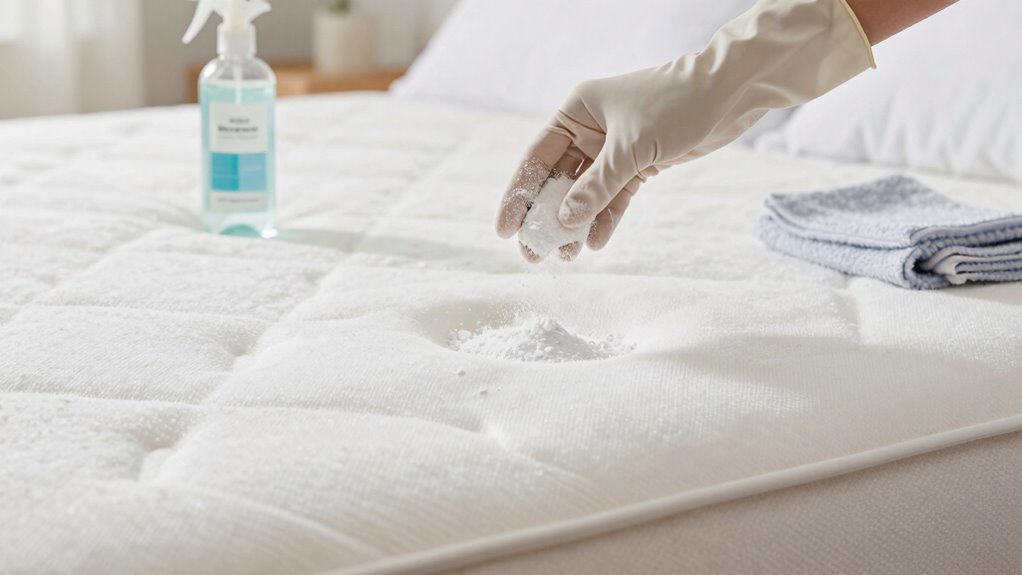
When choosing cleaning products for your fabric mattress, it’s crucial to steer clear of harsh chemicals and abrasive cleaners. These can worsen odorous stains and aggravate allergy triggers. Avoid products containing bleach, ammonia, synthetic fragrances, and alcohol. Bleach can damage fabric fibers and create strong fumes. Ammonia may worsen allergies and irritate your skin. Synthetic fragrances often mask odors but can trigger sensitivities. Alcohol-based cleaners risk drying out fabric and leaving residues. Instead, opt for gentle, hypoallergenic solutions and natural deodorizers. Using the wrong products can compromise mattress integrity and affect your health. Being cautious with your choice of cleaners helps preserve your mattress and keeps your sleeping environment safe and fresh. Always read labels to ensure products are safe for fabric and foam surfaces. Additionally, selecting appropriate cleaning methods can help maintain the longevity and comfort of your mattress. It’s also helpful to understand cleaning product labels and what ingredients to look out for. Incorporating safe cleaning techniques supports both your health and the preservation of your mattress materials. Incorporating proper cleaning tools can also make a significant difference in achieving a thorough yet gentle cleaning.
Keep Your Mattress Fresh With Routine Maintenance
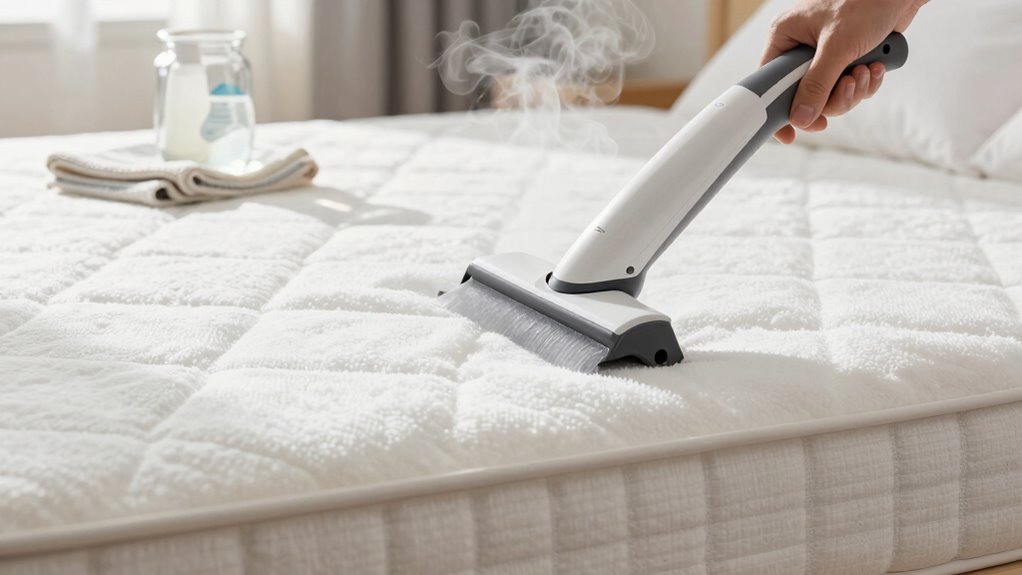
Maintaining a fresh mattress requires regular upkeep beyond choosing the right cleaning products. Consistent mattress hygiene involves simple routines like flipping or rotating your mattress every three to six months to prevent uneven wear. Using bedding accessories such as fitted sheets, mattress protectors, and pillow covers helps shield your mattress from dirt, sweat, and allergens. These accessories also make it easier to keep your sleeping surface clean and fresh. Regularly washing bedding and vacuuming the mattress surface remove dust mites, skin cells, and debris that can compromise hygiene. Additionally, airing out your mattress daily for a few minutes helps reduce moisture buildup and odor. Incorporating proper cleaning methods routines, such as avoiding contact with irritants or allergens, can further contribute to a healthy sleeping environment. Staying aware of common mattress contaminants can help you better understand how to maintain a hygienic sleeping space. Using appropriate cleaning products designed for foam and fabric can prevent damage and prolong the lifespan of your mattress. Implementing simple routines like these makes it easier to maintain a healthy sleeping environment. By staying consistent with these maintenance habits, you prolong your mattress’s life and ensure a healthier sleeping environment.
Frequently Asked Questions
How Often Should I Professionally Deep Clean My Mattress?
You should professionally deep clean your mattress every 12 to 18 months to extend its lifespan and prevent dust mites. Regular cleaning removes dirt, allergens, and bacteria, helping you breathe easier and sleep better. If you experience allergies or have respiratory issues, consider cleaning more frequently. Proper maintenance keeps your mattress in top shape, guarantees longevity, and promotes a healthier sleeping environment by reducing dust mite buildup.
Are Natural Cleaning Solutions Effective for All Mattress Types?
Think of natural remedies and eco-friendly products like gentle whispers that can sometimes do the trick, but not always. They’re effective on many mattress types, especially for routine cleaning, but may fall short against tough stains or deep-seated dirt. For best results, consider your mattress type and use natural solutions as part of your regular maintenance. Sometimes, a professional deep clean is the safest way to keep your mattress fresh and healthy.
Can I Use a Steam Cleaner on My Foam Mattress?
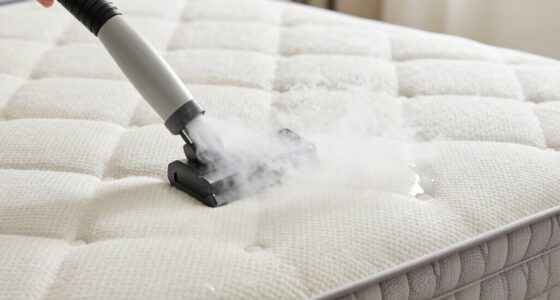
Yes, you can use a steam cleaner on your foam mattress, but you need to be careful. Use a low heat and a gentle setting to avoid damaging the foam. Keep the steam cleaner moving and don’t soak the mattress. This method helps remove dust, allergens, and bacteria without harsh chemicals. Always let the mattress dry completely before putting bedding back on to prevent mold and mildew.
What Are the Signs My Mattress Needs Cleaning or Replacing?
Did you know that 80% of allergens come from your mattress? If you notice increased allergy triggers, persistent odors, visible stains, or bed bugs, it’s time to clean or replace your mattress. Worn-out or sagging mattresses can shorten their longevity and impact your sleep quality. Keep an eye out for these signs to guarantee a healthier sleeping environment and maximize your mattress’s lifespan.
How Do I Remove Stubborn Stains From Fabric Mattresses Safely?
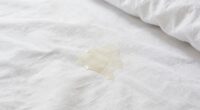
To remove stubborn fabric stains, start by gently blotting the area with a clean cloth and cold water. Use stain removal techniques like a mixture of mild detergent and water or a vinegar solution for tougher stains. Avoid soaking the mattress or using harsh chemicals, as they can damage the fabric. Always test a small, hidden area first, and let it air dry to prevent mold or damage.
Conclusion
To keep your mattress fresh and in top shape, stick to safe cleaning methods and avoid risky products. Regular maintenance is your best friend, helping you stay ahead of stains and odors. Think of it as tending a garden—you reap what you sow. By being cautious and consistent, you’ll ensure your mattress stays comfortable and clean for years to come. Keep these tips in mind, and your bed will always be a haven of rest.