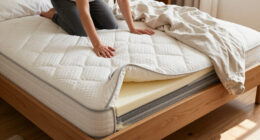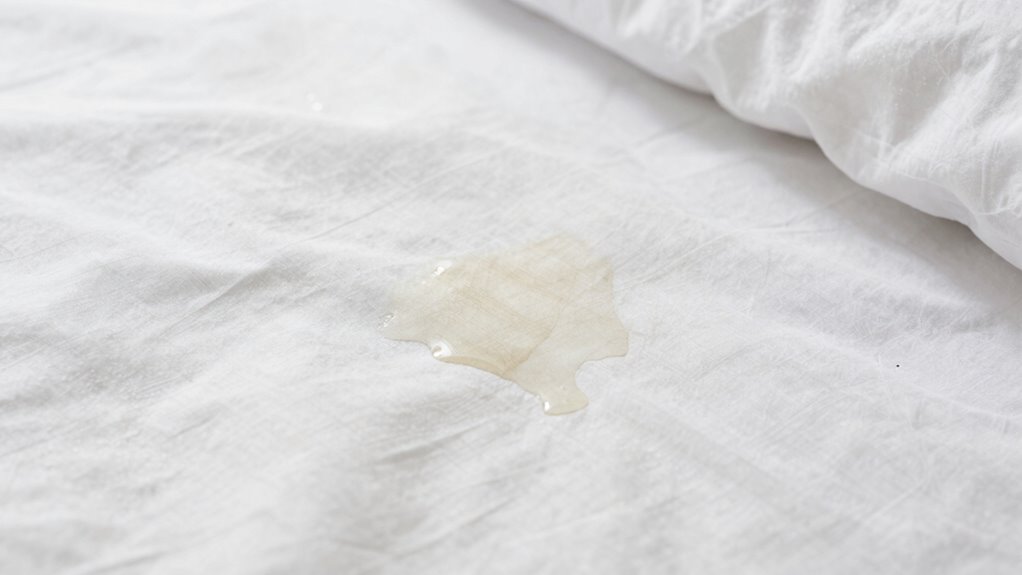
To remove urine, sweat, and spills without ruining your bed, act quickly by blotting the stain with a clean, absorbent cloth to soak up excess moisture. Use gentle, eco-friendly solutions like a vinegar-water mix or baking soda to break down stains and eliminate odors, avoiding harsh chemicals. Test any cleaner on hidden fabric first. For thorough cleaning tips and long-lasting freshness, continue exploring simple, safe methods to protect your mattress and bedding.

Get home appliances delivered free — and shop member deals
- Fast, free delivery on millions of items
- Access to Prime Big Deal Days deals on October 6–7
- Prime Video, Amazon Music and more included
What Are the Most Common Bed Stains?
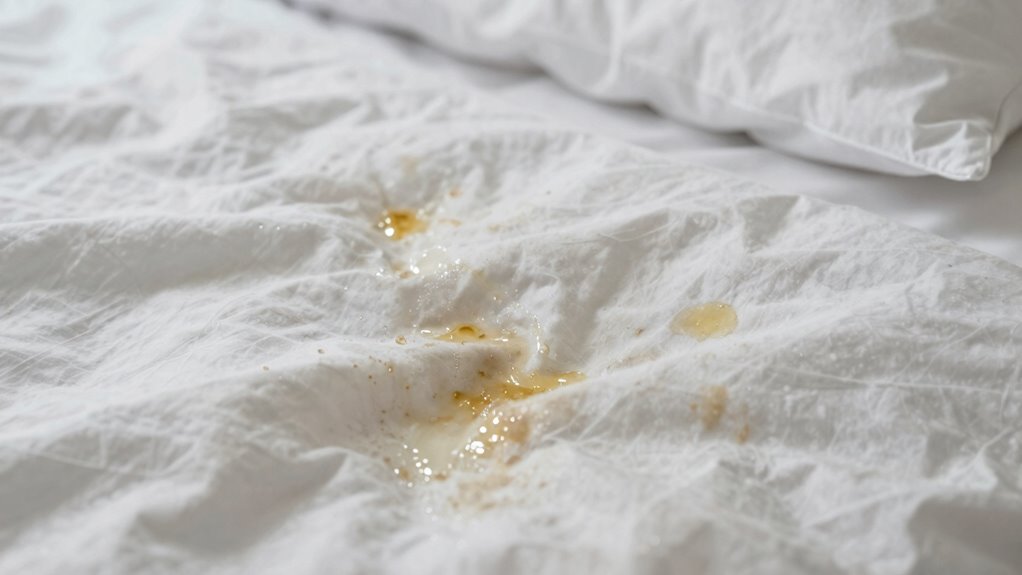
Have you ever wondered which stains are most likely to appear on your bed? The answer depends largely on your fiber types and habits. Common stains include sweat, urine, and food spills, all of which can seep into different fabrics like cotton, linen, or microfiber. Understanding fiber types helps you choose the right stain prevention methods—such as using mattress protectors or quick-drying sheets—to minimize damage. For example, synthetic fibers resist stains better than natural ones but can trap odors. Regular washing and prompt attention to spills are essential for stain prevention. Additionally, fiber-reactive treatments can help preserve the original hues of your bedding, making stains less noticeable and easier to clean. Being aware of how different fibers react to various stains allows you to optimize cleaning methods and extend the life of your bedding. By knowing the typical culprits and how different fibers react, you can keep your bed cleaner longer and avoid stubborn stains that are tough to remove later.
As an affiliate, we earn on qualifying purchases.
What Immediate Steps Should I Take After a Spill?
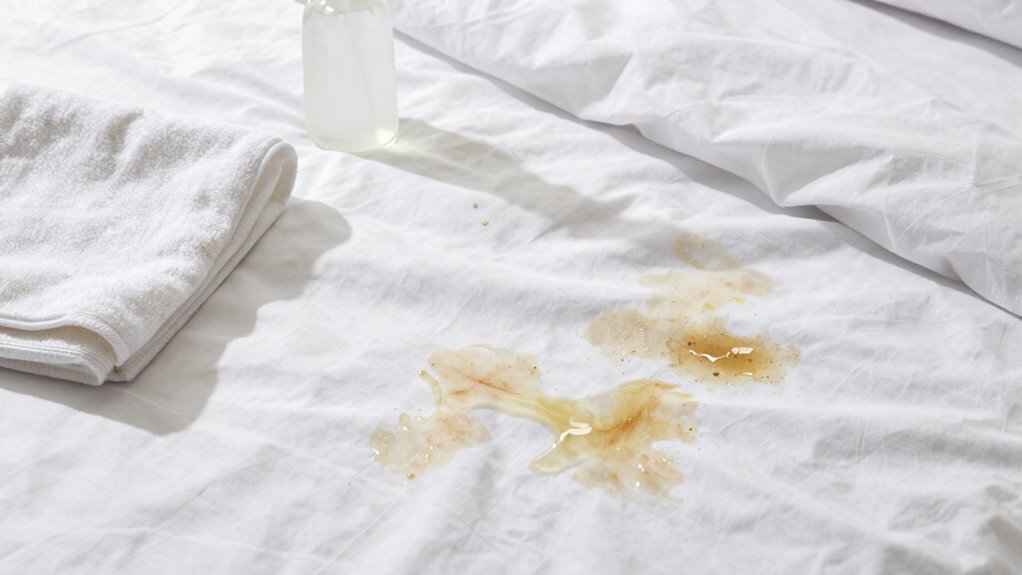
When a spill occurs on your bed, acting quickly can make all the difference in preventing stains from setting. Start with a quick cleanup by blotting the spill with a clean, absorbent cloth or paper towel. Avoid rubbing, as this can spread the stain or push it deeper into the fabric. Press gently to soak up as much liquid as possible. Applying cold water or a small amount of cold, running water directly onto the spill can help dilute the stain and make removal easier later. The goal is stain prevention—by removing excess moisture promptly, you reduce the risk of permanent staining. Recognizing the proper cleaning techniques can also help preserve the fabric and prevent damage. Additionally, using appropriate stain removers promptly can further improve your chances of successful stain removal without harming the fabric. Incorporating smart cleaning tools that utilize AI can assist in detecting and treating stains more effectively. Understanding fabric types is crucial, as different materials may require specific cleaning approaches to avoid damage. Being aware of the stain removal process can help you act more efficiently in emergency situations.
As an affiliate, we earn on qualifying purchases.
How Can I Gently Clean Urine Stains?
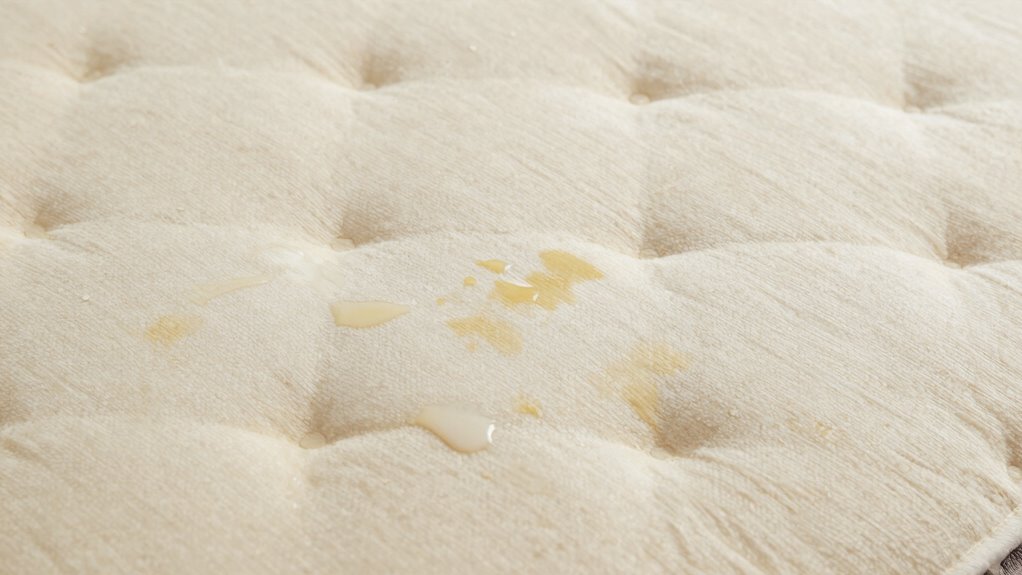
To gently clean urine stains, start with mild cleaning solutions that won’t damage your bedding. Use proper blotting techniques to lift the stain without spreading it, applying gentle pressure instead of rubbing. This approach helps preserve your fabric while effectively removing the stain. Additionally, avoiding harsh chemicals aligns with cleaning and filter maintenance guidelines to prevent damage to the fabric. For stubborn stains, consider using electric cleaning tools that can help lift residues without harsh scrubbing. Using the right tools and techniques from power tools and equipment can make the process more efficient and safe. Incorporating gentle skincare devices into your routine can further minimize fabric damage during cleaning. Being mindful of fabric care practices ensures your bedding remains soft and durable over time.
Gentle Cleaning Solutions
Gently cleaning urine stains requires a delicate approach to avoid damaging your bedding. Natural remedies and eco-friendly solutions are excellent choices for a gentle clean. You can start by mixing a small amount of white vinegar with water—about one part vinegar to three parts water—and lightly dabbing the stain. This natural solution neutralizes odors without harsh chemicals. Baking soda is another eco-friendly option; sprinkle it over the stain and let it sit for 15-30 minutes before vacuuming or gentle blotting. These methods are effective yet gentle, preserving the fabric’s integrity. Always test any solution on a small, hidden area first. Using natural remedies ensures your bedding stays fresh and clean without risking damage from aggressive cleaners. Proper stain removal techniques help maintain your bedding’s lifespan and cleanliness.
Proper Blotting Techniques
Proper blotting techniques are key to removing urine stains without spreading them further or damaging the fabric. To do this effectively, gently press a clean, soft cloth or paper towel onto the stain, allowing it to absorb moisture through blotting rather than rubbing. Rubbing can push the stain deeper or damage fibers. Use a gentle, dabbing motion to promote stain absorption without disturbing the fabric. Keep blotting until no more liquid transfers to the cloth. Additionally, understanding fabric types can help you choose the safest cleaning approach to prevent damage. Being aware of the fabric composition is crucial for selecting appropriate cleaning agents and techniques. Recognizing the stain severity can also guide you in determining whether professional cleaning might be necessary. Considering stain location can help prevent spreading or additional damage during cleaning. Knowing how material durability influences cleaning methods can also help you avoid unintentional damage.
eco-friendly stain removal for bedding
As an affiliate, we earn on qualifying purchases.
As an affiliate, we earn on qualifying purchases.
How Do I Remove Sweat and Spill Stains Effectively?
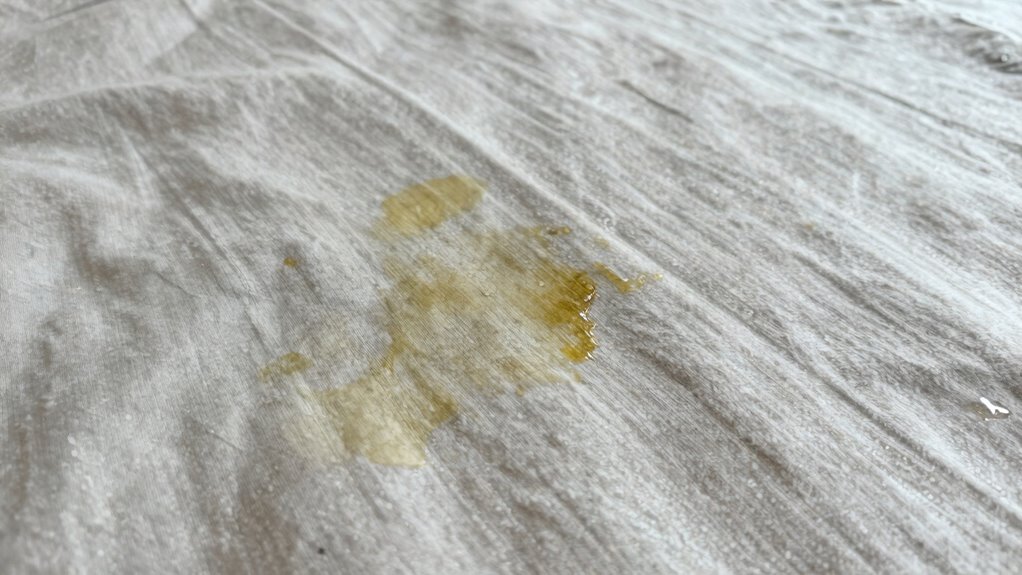
Start by blotting the stain to absorb as much sweat or spill as possible. Use gentle cleaners to treat the area without damaging the fabric. To prevent future stains, consider applying a protective barrier or taking quick action when spills happen.
Blot and Absorb Excess
Have you ever noticed how quickly sweat or spills can seep into your bed? When dealing with stain types like sweat or accidental spills, acting fast is key. Use clean, absorbent cleaning tools such as paper towels or soft cloths to blot the area gently. Avoid rubbing, which can spread the stain or damage the fabric. Press lightly to lift excess moisture without pushing it deeper into the fibers. If you see liquid pooling, switch to a fresh towel to keep absorbing. This initial step prevents stains from setting and makes subsequent cleaning more effective. Remember, the goal is to remove as much excess moisture as possible without spreading the stain or harming your bedding. Additionally, understanding the importance of fabric fibers can help you choose the safest cleaning methods for your bedding. Proper knowledge of water absorption techniques can also enhance your stain removal efforts and protect your bedding’s integrity.
Use Gentle Cleaners
To effectively remove sweat and spill stains, choose gentle cleaning solutions that won’t damage your bedding. Gentle cleansers are ideal because they clean thoroughly without harsh chemicals that could weaken fabrics or cause discoloration. Natural solutions, like a mixture of white vinegar and water or baking soda paste, are effective and eco-friendly options. These options break down stains while preserving the integrity of your sheets. Always test a small area first to guarantee compatibility. Avoid strong commercial cleaners that contain bleach or aggressive detergents, as they can cause further harm. Using gentle cleansers ensures your bedding stays soft, vibrant, and stain-free without risking damage or irritation. Incorporating professional services can provide additional support for stubborn stains or delicate fabrics. Additionally, understanding fabric types can help you choose the most suitable cleaning method for your bedding. Staying informed about cleaning products ensures you select the safest options for your materials. Stick to these mild, natural remedies for safe, effective stain removal. For optimal results, consider using household cleaning robots that can assist in pre-treating or maintaining clean bedding environments.
Prevent Future Stains
Preventing future sweat and spill stains begins with recognizing common causes and taking proactive steps. To prevent mattress damage, start by using protective covers that act as a barrier against liquids and stains. Next, consider implementing these strategies:
- Use waterproof mattress covers to shield your mattress from spills and sweat.
- Wash bedding regularly to remove sweat residue before it sets in.
- Keep drinks away from the bed, and address spills immediately to minimize staining.
As an affiliate, we earn on qualifying purchases.
How Can I Protect My Mattress and Bedding From Damage?
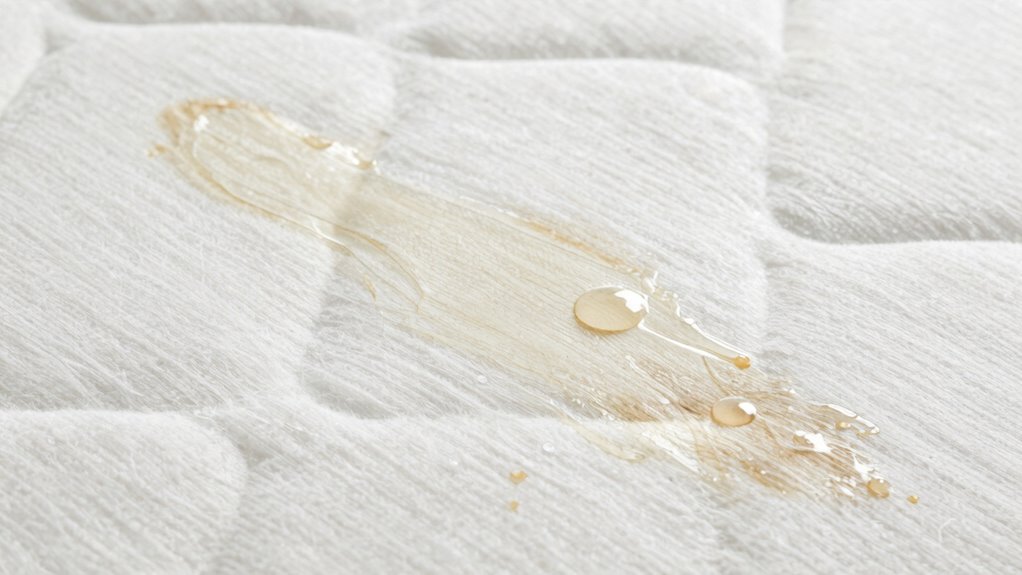
Protecting your mattress and bedding from damage starts with taking smart preventative steps. Using mattress protectors creates a barrier against spills, stains, and moisture, helping to preserve your mattress’s condition over time. Choose waterproof or absorbent protectors that suit your needs. Bedding maintenance is also essential; wash sheets regularly, and avoid harsh chemicals that can weaken fabrics. Keep your bedding and mattress away from direct sunlight and sharp objects to prevent tears and fading. Properly fitted sheets and mattress toppers can add extra protection and comfort. By incorporating these simple measures, you minimize the risk of permanent damage, extending the lifespan of your bed and keeping it fresh and inviting for longer periods.
What Are Easy Tips to Keep Your Bed Fresh and Odor-Free?

Keeping your bed fresh and odor-free is easier when you follow simple, consistent habits. Regularly washing your bed linen helps remove sweat, oils, and dirt that cause odors. Additionally, airing out your mattress weekly allows fresh air to circulate and prevents mustiness. Using a mattress protector can also shield against spills and moisture, aiding in mattress care.
Keep your bed fresh and odor-free with simple, regular habits like washing linens and airing out your mattress.
Here are three easy tips:
- Wash bed linen at least once a week with hot water.
- Spot clean and air out your mattress regularly.
- Use baking soda on the mattress surface, then vacuum after 15 minutes to absorb odors.
Implementing these habits keeps your bed smelling clean and prolongs mattress life.
Frequently Asked Questions
Are There Natural Remedies for Stain Removal That Are Safe and Effective?
Yes, natural remedies are safe and effective for stain safety. You can use white vinegar and baking soda to tackle stains without harsh chemicals. Apply a mixture of equal parts vinegar and water to the stain, then sprinkle baking soda on top. Let it fizz and sit for a few minutes before blotting. These remedies work gently, eliminating stains while protecting your bed’s fabric and ensuring safety.
How Often Should I Deep Clean My Mattress to Prevent Stains and Odors?
You should deep clean your mattress every three to six months to keep it fresh and prevent stains and odors. Regular mattress maintenance includes vacuuming, spot cleaning, and using natural remedies like baking soda for stain prevention. This routine helps eliminate dirt, sweat, and allergens, extending your mattress’s lifespan. Consistent deep cleaning guarantees your bed stays clean, odor-free, and comfortable, promoting better sleep and overall health.
Can Certain Fabrics or Mattress Materials Resist Stains Better?
Think of your mattress as a fortress of fabric durability; some materials boast stain resistant textiles like a suit of armor. You’ll find that tightly woven, synthetic fabrics or treated covers fend off spills better than delicate cotton or linen. So, if you want a bed that laughs in the face of stains, opt for these resilient materials—your future self will thank you when a spill tries to invade.
What DIY Solutions Can I Use to Remove Stubborn Stains Without Damage?
You can use DIY solutions like mixing equal parts of white vinegar and water to tackle stubborn stains. Natural remedies such as baking soda paste or hydrogen peroxide can also be effective without damaging your mattress. Apply gently, let sit for a few minutes, then blot with a clean cloth. These natural remedies are safe, affordable, and help preserve your mattress’s integrity while removing tough stains.
How Do I Prevent Future Spills From Seeping Into the Mattress?
To prevent future spills from seeping into your mattress, use waterproof barriers or mattress protectors. These create a protective layer that blocks liquids from penetrating the mattress surface. Make sure to choose a high-quality, breathable protector to maintain comfort. Regularly wash and replace the protectors to keep your bed clean and dry. This simple step effectively safeguards your mattress and prolongs its lifespan against spills and stains.
Conclusion
Think a quick response can’t make a difference? Think again. Addressing stains promptly not only keeps your bed looking fresh but also prevents lingering odors and damage. Some believe that stains will just fade over time, but evidence shows immediate action preserves your mattress’s integrity. So, trust your instincts—act fast, clean gently, and enjoy a cleaner, more comfortable sleep space for years to come. Your bed deserves your best care.
NFL season / tailgating Picks
team gear
As an affiliate, we earn on qualifying purchases.