TL;DR
The “3Fs” rule is a bedding-shopping guide focused on fibre, finish and feel, rather than thread count alone. Experts quoted in a recent home-and-lifestyle article say natural fibres, brushed finishes and soft, draping fabrics can help bedding feel warmer while remaining breathable.
Fibre means the material used to make the bedding. Cristiano Quieti, chief merchandising officer at Italian linen company Frette, says fibre type is one factor to weigh alongside weave, finish and how fabric feels against the skin. Jo James, founder and creative director of bedding brand Bedfolk, recommends 100% natural materials such as cotton or linen, describing them as breathable and temperature regulating.

Get home appliances delivered free with Prime
- Fast, free delivery on millions of items
- Prime Video, Amazon Music and more included
- Member-only deals all year
That breathability matters in winter as well as summer, James says: a comfortable bed needs to feel warm without causing the sleeper to overheat or become sweaty. The article contrasts those materials with synthetic bedding such as polyester, which it says can contribute to overheating. It does not provide test results or a comparison of specific products.
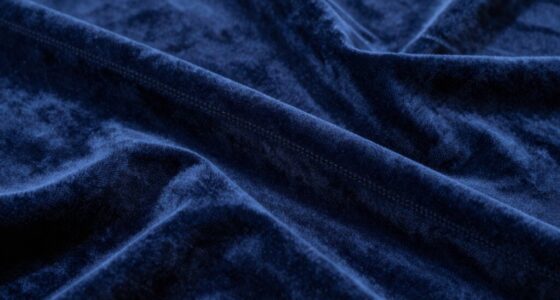
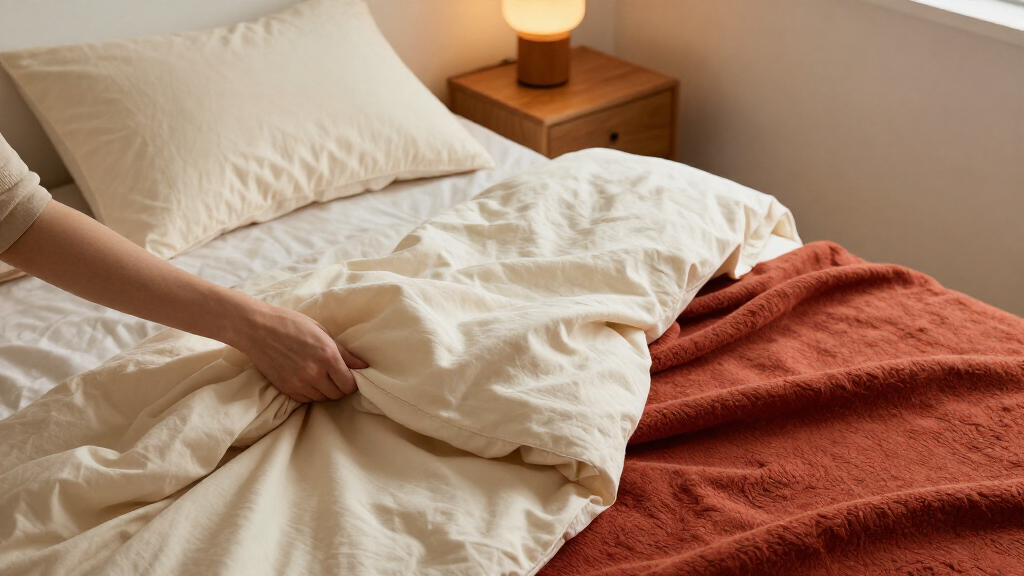
Finish is the second factor. Secret Linen Store co-founder Molly Freshwater says brushed cotton is popular in colder months because brushing lifts the fibres and creates a soft surface that can trap warm air. She says brushed linen can add softness and warmth while retaining the qualities associated with linen. Smooth cotton percale, by comparison, can feel cooler and fresher to some people.
Feel refers to a finished product’s texture and weight, Quieti says. Freshwater says soft fabrics that drape around the body may help keep warm air close and cold draughts out. She also stresses that comfort is subjective: the sensation of getting into soft bedding can make a bed feel more inviting, but the article offers no measured evidence that texture alone changes sleep quality or room temperature.
Could the 3F rule make your bed warmer and cosier?
Choose bedding by fibre, finish and feel—not thread count alone. Expert guidance can help match sheets to your comfort, but it cannot guarantee warmth for every sleeper.
The three factors
Use this checklist to compare fabric qualities when shopping for winter bedding.
Check the material. Cotton and linen are described as breathable; polyester may contribute to overheating.
Brushing lifts fibres for a soft surface that experts say can trap warm air.
Consider the fabric’s texture and weight against your skin, since comfort is personal.
Match bedding to your comfort
- Consider brushed cotton for its soft surface.
- Soft, draping fabrics may help keep warm air close.
- Prioritize breathable materials such as cotton or linen.
- Consider whether a fabric may feel too warm for you.
What the rule can tell you
The 3Fs are a practical shopping guide, not a tested rating of product performance.
Material matters
Look beyond thread count and check what the bedding is made from.
Surface changes feel
Brushed cotton and linen are suggested as winter options by bedding specialists.
Comfort varies
Texture and weight may feel different from person to person.
Choosing Sheets Beyond Thread Count
The rule gives shoppers a three-part checklist for comparing bedding, especially when buying for colder months. Rather than treating a high thread count as a stand-alone measure of warmth or quality, it directs attention to what the fabric is made from, how it has been finished and how it sits against the body.
That can help people match bedding to their own preferences. Someone who feels cold at bedtime may like the soft surface of brushed cotton, while someone who tends to overheat may prioritize breathable materials and avoid bedding that feels too warm. These are expert recommendations, not a universal formula: warmth also depends on the duvet, sleepwear, bedroom temperature and individual comfort.
The distinction is useful because “cosy” can mean different things. A fabric may feel warm to the touch but still be uncomfortable for a hot sleeper. The specialists’ advice is to consider warmth and breathability together, rather than assuming that heavier-feeling or higher-thread-count sheets will suit everyone.
Products Worth Considering

Ring Battery Doorbell Plus – Home or Business Security with Head‑to‑Toe HD+ Video, Motion Detection & Alerts, Two‑Way Talk

Bose TV Speaker (2nd Gen) Compact Soundbar with Bluetooth and HDMI Connectivity, Black

Philips Hue Bridge Pro Smart Lighting Hub, 1-Pack
As an affiliate, we earn on qualifying purchases.
How the Three Factors Work
The advice comes as a lifestyle article discusses preparing a bed for winter temperatures. It presents the 3Fs as a practical way to assess linens, drawing on comments from experts at Frette, Bedfolk and Secret Linen Store. It is not presented as a new scientific standard, formal certification or independently tested product rating.
The first factor, fibre, concerns the material. The second, finish, describes treatments or construction that affect the surface, such as brushing. The third, feel, covers the finished fabric’s texture and weight. Together, the factors describe qualities a shopper can inspect or experience, although the article does not set thresholds for what makes bedding “warm” or “high quality.”
The article also mentions brushed-cotton and brushed-linen bedding as winter options and names products sold by several retailers. Those examples are shopping suggestions, not evidence that the products have been independently compared or that they perform equally. No prices, laboratory tests or durability findings are supplied.
““The 3Fs – fibre, finish and feel – are the best way to determine the quality of bed linens.””
— Cristiano Quieti, chief merchandising officer at Frette
What the Advice Cannot Establish
The article does not cite controlled tests comparing bedding materials, finishes or thread counts, and it does not establish that the 3Fs rule has been validated as a measure of product quality. Claims about warmth, breathability and comfort are attributed to bedding specialists, rather than supported with measurements in the article.
It also does not specify a particular climate, bedroom temperature or type of sleeper for which brushed cotton or linen would be best. Individual comfort varies, and warmth depends on other bedding and room conditions. The article provides no durability, care or price comparisons for its product examples, so readers cannot use it to rank those options.
Applying the Rule While Shopping
Shoppers can use the three factors to guide a bedding purchase: check the fibre content, look for details about the fabric’s finish, and consider whether its texture and weight suit personal preferences. Where possible, feeling a fabric in person may help, but product descriptions alone may not indicate how warm it will feel in a particular bedroom.
The article names brushed cotton and brushed linen as options to investigate for winter, while noting that breathable bedding may matter to people who overheat. It does not announce a new product launch, research finding or policy change; no further milestone is reported. The practical takeaway remains a set of expert suggestions, with product performance and individual comfort left for shoppers to judge.
Key Questions
What does the 3Fs rule mean for bedding?
It stands for fibre, finish and feel: the material, the way its surface has been finished, and its texture and weight against the skin.
Does a higher thread count mean warmer sheets?
Not necessarily. Secret Linen Store co-founder Molly Freshwater says the warmest-feeling sheets are not always those with the highest thread count. The article gives no testing data that would establish a direct relationship.
Why might brushed cotton feel cosier in winter?
Freshwater says brushing lifts the fabric’s fibres, creating a soft surface that can trap warm air. This is an expert explanation of the finish, not a quantified comparison with other sheets.
Are natural-fibre sheets suitable for people who overheat?
Jo James says cotton and linen are breathable and temperature regulating. The article suggests that breathability can help balance warmth and overheating, but does not test particular products or guarantee how an individual will sleep.
Source: idealhome.co.uk