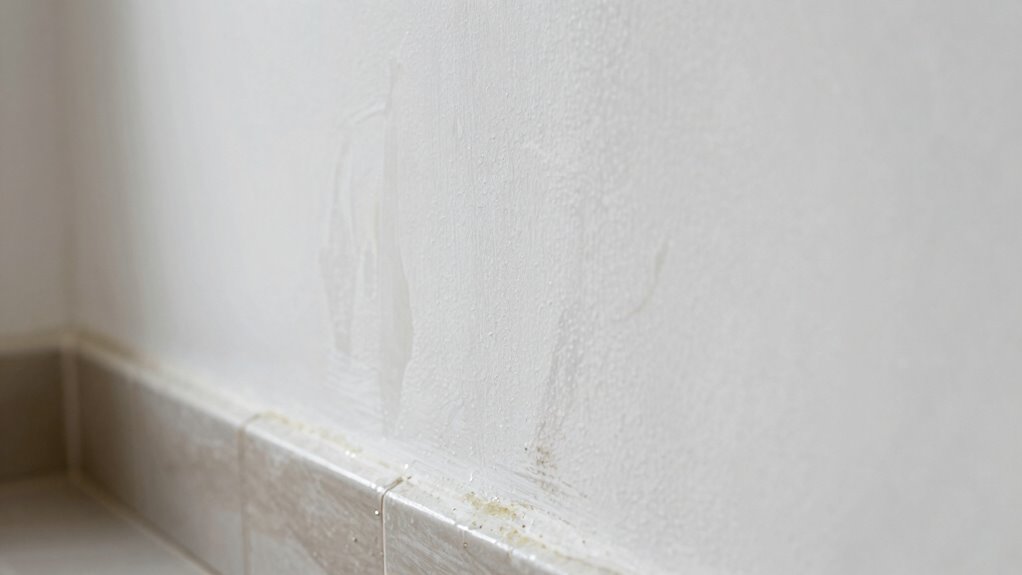
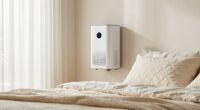
Even surfaces that seem clean can hide persistent moisture, leading to bigger problems over time. Residual dampness can cause mold, structural damage, and health issues, even if your space looks spotless. Poor moisture control and lack of proper ventilation make it easier for hidden dampness to settle in walls, ceilings, and carpets. By understanding these issues, you can prevent costly repairs and improve indoor air quality—keep going to learn how to tackle this common yet overlooked problem.

Get home appliances delivered free with Prime
- Fast, free delivery on millions of items
- Prime Video, Amazon Music and more included
- Member-only deals all year
Key Takeaways
- Surfaces may appear clean but retain hidden moisture, leading to mold and structural damage over time.
- Inadequate ventilation prevents moisture from drying out, causing persistent dampness despite cleaning efforts.
- Residual dampness fosters mold growth, which can cause health issues and compromise indoor air quality.
- Failing to address moisture sources like leaks or condensation worsens dampness, escalating repair costs.
- Combining proper ventilation with moisture control ensures cleaning is effective and prevents bigger, costly problems.
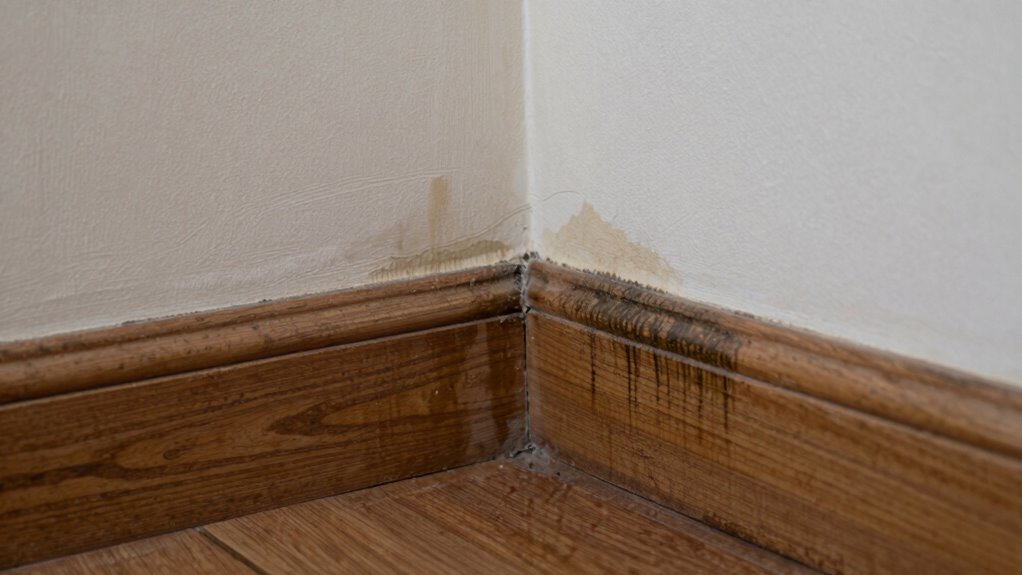
Have you ever noticed that even after cleaning, a space still feels damp or musty? It’s a frustrating experience, especially when you’ve scrubbed surfaces, wiped down furniture, and aired out the room. The lingering smell or moisture suggests that something isn’t quite right beneath the surface. Often, the root of the problem isn’t visible dirt or grime but inadequate moisture control. Without proper attention to moisture levels, your efforts to clean can be undermined, leading to bigger issues like mold growth, structural damage, and health problems.
One of the most effective ways to combat this is through proper ventilation techniques. Ventilation isn’t just about opening windows; it’s about creating a consistent flow of fresh air that replaces stale, damp air inside your space. Whether you’re using exhaust fans, air purifiers, or even simple cross-ventilation by opening multiple windows, the goal is to reduce indoor humidity. When moisture-laden air lingers, it creates an environment where mold and mildew thrive, even if surfaces look clean. Regularly ventilating your home or workspace not only helps to dry out excess moisture but also prevents it from settling into walls, ceilings, or carpets. It’s a continuous process that needs to be integrated into your routine, especially in areas prone to dampness like bathrooms, kitchens, or basements. Incorporating proper moisture management techniques can significantly enhance your efforts.
Proper ventilation reduces indoor humidity and prevents mold, keeping your space fresh and dry.
Moisture control goes beyond just ventilation. It involves identifying and addressing sources of excess moisture—leaking pipes, condensation, or damp insulation—and taking steps to eliminate them. Using dehumidifiers can be a game-changer, especially in humid climates, by actively pulling moisture from the air. Additionally, sealing cracks and ensuring proper insulation helps prevent condensation, which often occurs when warm, moist air hits cold surfaces. Regular maintenance and inspections can catch leaks early before they escalate into bigger problems. Incorporating moisture management techniques into your maintenance routine ensures a healthier environment and preserves your property’s integrity.
When you combine effective ventilation techniques with proactive moisture control, you set a foundation for a healthier, cleaner environment. This approach not only keeps your spaces feeling fresh and dry but also protects your property and health in the long run. Remember, cleaning alone isn’t enough if moisture issues are ignored. Addressing the root causes ensures that your efforts to keep things tidy don’t go to waste, and you avoid the cycle of dampness that can lead to mold, decay, and costly repairs down the road. Proper indoor air quality management is essential for maintaining a safe and healthy living or working environment.
As an affiliate, we earn on qualifying purchases.
Frequently Asked Questions
How Can I Detect Hidden Mold Caused by Dampness?
You can detect hidden mold caused by dampness by inspecting areas with poor ventilation strategies, like basements or behind walls, for musty odors or discoloration. Use a moisture meter to identify high moisture levels, and consider professional mold testing if needed. Make certain moisture barriers are intact to prevent further dampness, and improve ventilation to reduce future mold growth. Regular inspections help catch hidden mold early before it causes bigger issues.
What Are the Health Risks of Prolonged Damp Environments?
Prolonged dampness is like a silent storm brewing inside your home, risking your health. It can compromise indoor air quality and promote mold growth, leading to respiratory issues, allergies, and asthma. Mold prevention is key to avoiding these hazards. If you ignore dampness, you risk chronic health problems and damage to your property. Address dampness promptly to safeguard your well-being and maintain a healthy indoor environment.
Which Cleaning Products Are Effective Against Mold and Mildew?
You should use effective cleaning products like white vinegar, hydrogen peroxide, or baking soda to combat mold and mildew. Eco-friendly alternatives and natural cleaning solutions work well without harsh chemicals, reducing health risks and environmental impact. Spray vinegar or hydrogen peroxide directly on affected areas, let it sit, then scrub with a brush. Regular cleaning with these natural options helps prevent mold buildup and keeps your space healthier.
How Often Should I Check for Dampness in My Home?
You should check for dampness in your home at least once a month. Use ventilation techniques like opening windows or running exhaust fans to reduce humidity, especially in bathrooms and kitchens. Keep an eye on areas prone to moisture, such as basements and around pipes. Monitoring humidity control helps prevent mold growth and dampness buildup, protecting your home’s structure and your health. Regular checks keep problems manageable before they escalate.
Can DIY Methods Fully Eliminate Persistent Damp Problems?
Sure, DIY methods can sound like magic, but they rarely banish persistent damp problems for good. You might improve ventilation and add moisture barriers, but truly, these are just band-aids. For a permanent fix, professional help is often needed. Think of it like trying to fix a leaky roof with duct tape—satisfying in theory, but unlikely to hold up long-term. Better call in the pros for lasting peace of mind.
As an affiliate, we earn on qualifying purchases.
Conclusion
So, next time you clean your home, remember that removing visible dirt isn’t enough—like wiping a spill without drying it, dampness can hide and lead to bigger issues. Think of it as watering a plant; too much moisture, left unchecked, can rot the roots. Regular inspection and proper ventilation are your best tools. Addressing dampness early is like catching a leak before it floods—preventing small problems from becoming costly disasters.
As an affiliate, we earn on qualifying purchases.
As an affiliate, we earn on qualifying purchases.
Fall yard work Picks
leaf blowers
As an affiliate, we earn on qualifying purchases.