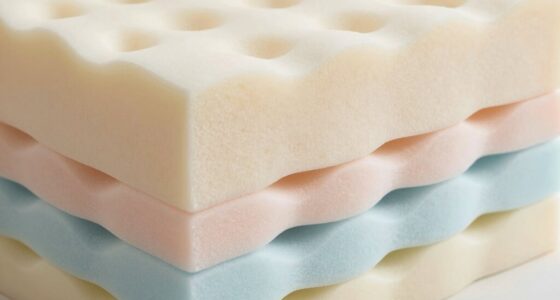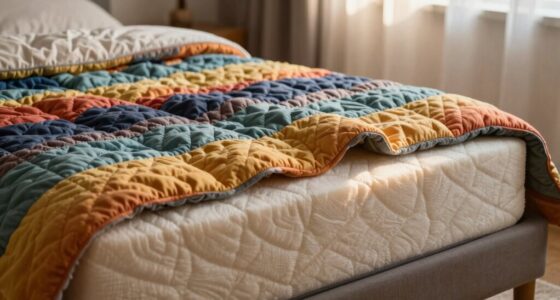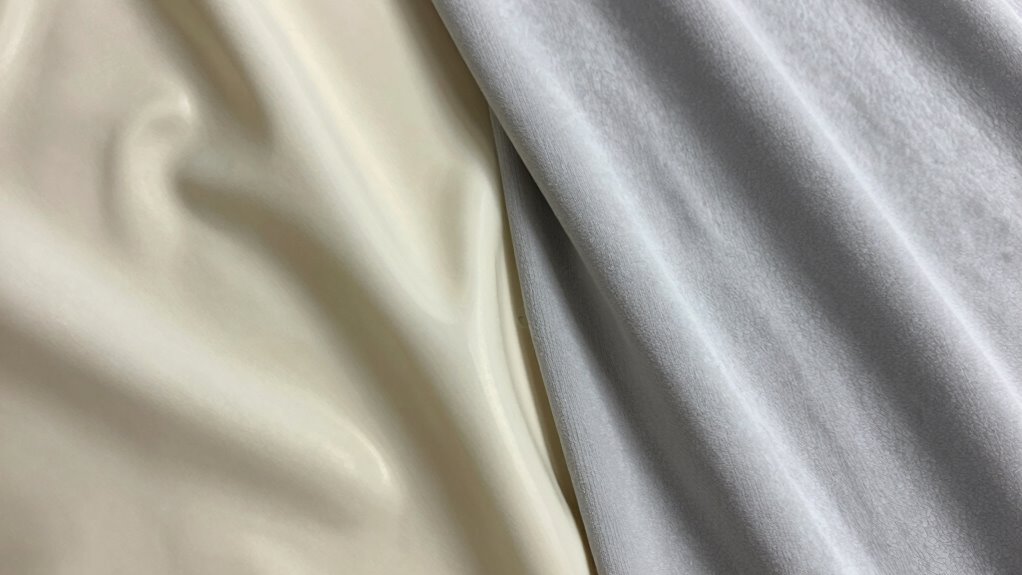

Latex blends feel different because the amount of synthetic additives and manufacturing methods impact their elasticity, softness, and durability. Even if labels look similar, variations in synthetic latex, like SBR, and processes such as Dunlop or Talalay, create distinct textures and resilience. These differences influence how the latex feels against your skin and how long it lasts. To understand what causes these tactile variations, keep exploring how material composition and production techniques shape the final product.
Listen free for 30 days with Audible
Thousands of audiobooks and originals — cancel anytime.
As an affiliate, we earn on qualifying purchases.
Key Takeaways
- Variations in synthetic additive content alter elasticity, softness, and overall tactile feel of the latex blend.
- Different manufacturing processes (Dunlop vs. Talalay) produce distinct textures and firmness levels.
- Blending techniques and curing steps influence the density, cell structure, and surface smoothness.
- Similar labels may mask underlying differences in material composition and production methods.
- Manufacturing choices directly impact durability, aging, and how the latex feels against skin.
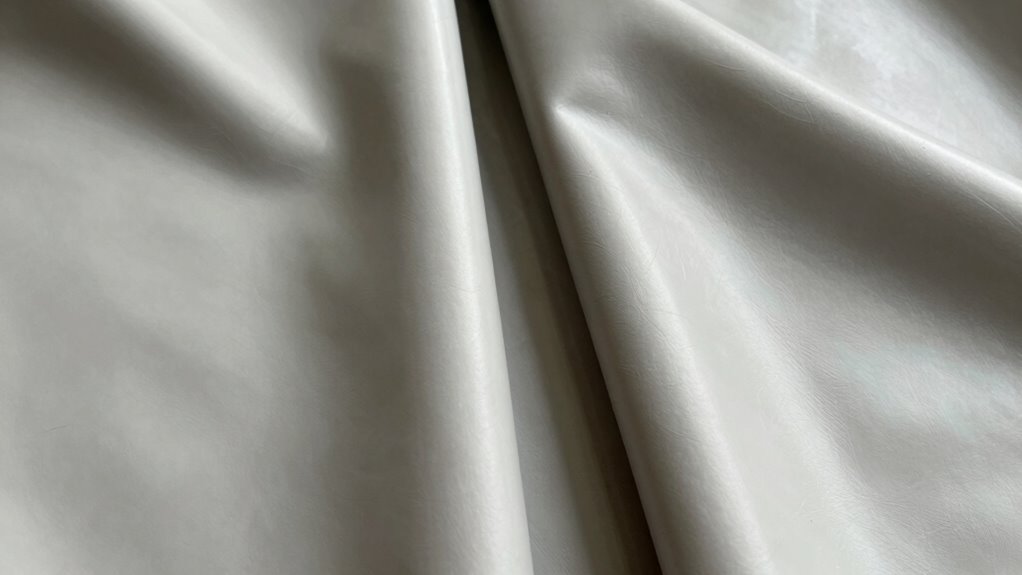
Synthetic additives are key players here. They can be used to modify properties like durability, resistance to wear, or elasticity. For example, some blends include synthetic latex such as styrene-butadiene rubber (SBR), which can make the material more resilient and cost-effective. These additives influence how the latex feels when you press or lie on it. A blend with higher synthetic content might feel slightly different—sometimes less plush or more springy—compared to all-natural latex. This is because synthetic components often have different elasticity and texture characteristics.
Manufacturing processes also play a significant role. The way latex is produced—whether through Dunlop or Talalay methods—affects its density, cell structure, and surface smoothness. Dunlop tends to create a denser, firmer product, while Talalay usually results in a softer, more uniform feel. When synthetic additives are incorporated, the process might involve additional steps, such as blending or curing techniques, to ensure even distribution of materials. These steps influence the consistency and ultimately how the latex feels in your hands or against your skin. Additionally, the manufacturing techniques used can also affect the overall durability and aging process of the product. Recognizing the material composition can help consumers better understand why different latex products feel distinct.
Even if labels look similar and claim to be latex, the differences in manufacturing processes and the inclusion of synthetic additives mean you’re not always getting the same experience. Some blends might have more elasticity, while others prioritize durability or softness. The manufacturing choices determine whether the latex feels crisp, plush, or springy. So, the next time you’re shopping for latex, remember that the subtle variations in production and material composition directly shape how it feels under your touch. Understanding latex manufacturing can help you make more informed choices based on the feel and quality you desire.
latex mattress with synthetic additives
As an affiliate, we earn on qualifying purchases.
As an affiliate, we earn on qualifying purchases.
Frequently Asked Questions
Can Latex Blends Cause Allergic Reactions?
Yes, latex blends can cause allergic reactions if you have a latex allergy. Even if the labels look similar, some blends may contain latex proteins that trigger allergic responses like itching, redness, or swelling. You should always check for labels indicating “latex-free” if you’re sensitive. If you experience symptoms after contact, it is crucial to avoid these products and consult a healthcare professional for proper diagnosis and alternatives.
How Does Manufacturing Process Affect Latex Blend Feel?
The manufacturing process shapes the latex texture like a sculptor molding clay. Different techniques, such as vulcanization and blending methods, influence how the latex feels. Variations in curing time, additives, and compounding create subtle differences in texture, even if labels look alike. So, your experience with latex blends depends heavily on these manufacturing choices, making each product uniquely soft, stretchy, or firm despite similar appearances.
Are There Eco-Friendly Latex Blend Options?
Yes, there are eco-friendly latex blend options available. You can look for natural alternatives like organic latex or blends that incorporate sustainable options such as recycled rubber or plant-based materials. These eco-friendly options reduce environmental impact and often feel softer and more comfortable. When shopping, check labels for certifications like FSC or Global Organic Latex Standard to verify you’re choosing sustainable options that align with eco-conscious values.
Do Latex Blends Degrade Faster Than Pure Latex?
Yes, latex blends can degrade faster than pure latex due to durability concerns and material stability issues. When other materials are added, they may weaken the elasticity or cause quicker breakdown over time, especially if exposed to heat, sunlight, or moisture. If longevity matters most to you, sticking with high-quality pure latex is usually a better choice, as it tends to maintain its properties longer and offers greater durability.
How Should Latex Blends Be Cared for Differently?
If you want your latex blend to last forever and stay supremely comfortable, you need to treat it with extra care. Latex blend durability can be compromised by harsh chemicals and extreme temperatures, so avoid strong cleaners and direct sunlight. Gently clean with mild soap, dry in a cool, shaded area, and steer clear of sharp objects. Proper care guarantees your latex blend retains its elasticity and comfort for years to come.
Dunlop vs Talalay latex mattress
As an affiliate, we earn on qualifying purchases.
As an affiliate, we earn on qualifying purchases.
Conclusion
So, next time you slip into a latex blend, imagine the subtle dance of fibers hugging your skin—each blend offering a unique caress. It’s like feeling different textures beneath your fingertips, even if they look the same. Whether it’s a silky smoothness or a gentle stretch, those tiny differences create a world of sensation. Embrace the variety; it’s what makes each latex experience so intriguing, like discovering a new layer of yourself with every touch.
As an affiliate, we earn on qualifying purchases.
latex foam with SBR synthetic rubber
As an affiliate, we earn on qualifying purchases.
As an affiliate, we earn on qualifying purchases.
Evergreen bestsellers Picks
bestsellers
As an affiliate, we earn on qualifying purchases.