

If your mattress sinks too much, it can cause your spine to misalign, leading to neck strain and discomfort while you sleep on your side. You might feel soreness or find it hard to stay comfortable during the night. The problem often comes from the mattress’s softness or poor support, making it tough to identify at first. If you keep exploring, you’ll discover ways to fix this issue and enjoy better sleep.

Get home appliances delivered free with Prime
- Fast, free delivery on millions of items
- Prime Video, Amazon Music and more included
- Member-only deals all year
Key Takeaways
- Excessive mattress sinkage causes spinal misalignment, leading to discomfort for side sleepers.
- Proper support, including firmness and pillow height, is essential to prevent sinking issues.
- Side sleepers need balanced support to maintain natural shoulder and hip alignment.
- Adjusting pillow height and adding toppers can reduce sinkage and improve sleep quality.
- Choosing a firmer mattress surface helps minimize sinking and supports proper posture overnight.
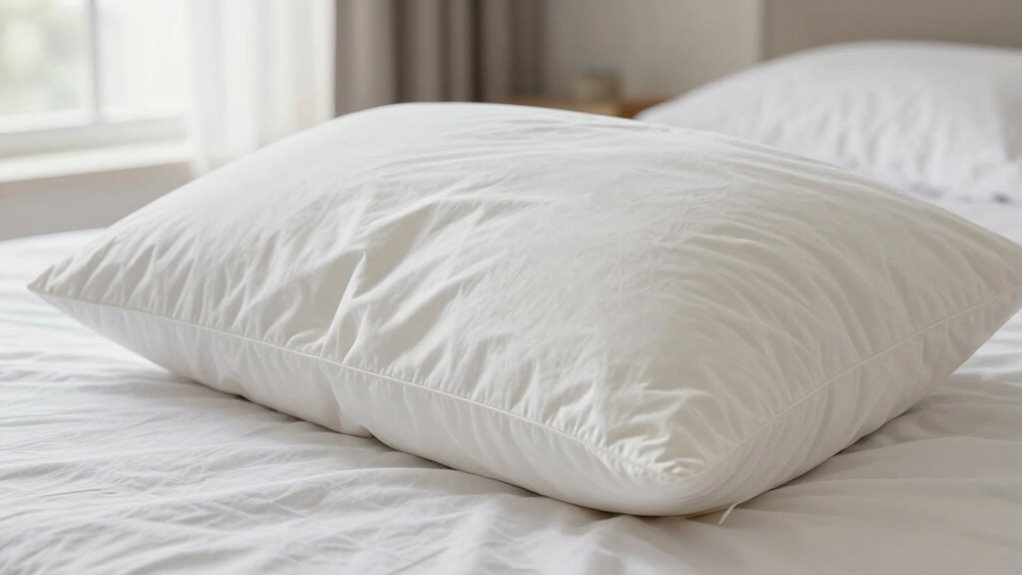
Have you ever noticed that your mattress seems to sink too much when you sleep on your side? If so, you’re not alone. Many side sleepers experience this issue, which often leaves you feeling uncomfortable and restless. The problem usually comes down to how your mattress responds to your body weight and shape. Memory foam mattresses are popular among side sleepers because they contour to your curves, offering support and pressure relief. However, if your mattress sinks excessively, it can cause misalignment of your spine, leading to soreness and disrupted sleep. The key is finding the right balance, and that often involves paying attention to pillow height.
Excessive mattress sinking can cause spinal misalignment and discomfort for side sleepers.
Pillow height plays a vital role in maintaining proper spinal alignment when you’re on your side. If your pillow is too flat, your head and neck may be pushed down, causing strain and discomfort. Conversely, a pillow that’s too high can elevate your head excessively, creating unnatural angles that also lead to discomfort. The goal is to find a pillow height that keeps your neck aligned with your spine, supporting the natural curve without forcing it into an awkward position. This often means opting for a medium or adjustable pillow, so you can customize the height to fit your body and sleeping position.
Memory foam pillows are especially popular for side sleepers because they mold to your head and neck, providing tailored support. When combined with the right pillow height, memory foam can help reduce the “sink” feeling and keep your spine properly aligned. But if your mattress naturally sinks too much, even the best pillow might not fully remedy the issue. In that case, you may need to look at your mattress’s firmness or consider adding a mattress topper to improve support. A firmer surface can prevent excessive sinking, especially if you tend to move a lot during sleep. Proper support can influence sleep quality**, and understanding your sleep position and how it influences support needs can help you make better decisions about your sleep setup. Additionally, choosing the right support system can improve background check accuracy if you are considering a new mattress or support accessories. Recognizing support needs specific to your sleep style can help you tailor your setup more effectively. Paying attention to support systems** and how they interact with your body can lead to more personalized and effective sleep solutions.
Ultimately, solving the “too much sink” problem involves a combination of the right mattress support and pillow height. You want to avoid sinking so deeply that your spine becomes misaligned but still enjoy enough contouring for pressure relief. Finding that sweet spot may take some experimentation — trying different pillow thicknesses or adjusting the firmness of your mattress. Remember, your comfort and sleep quality depend on achieving proper support. When you get it right, you’ll wake up feeling refreshed, with less soreness and more energy to face your day.
Products Worth Considering

Ring Battery Doorbell and Chime (3rd Gen), Satin Nickel

Levoit Vital 200S-P Smart Air Purifier for Large Rooms

Ring Battery Doorbell (2nd Gen), Indoor Cam Plus, and Chime (3rd Gen) Bundle
As an affiliate, we earn on qualifying purchases.
Frequently Asked Questions
Can Mattress Toppers Solve the Sink Issue for Side Sleepers?
Yes, mattress toppers can help solve the sink issue for side sleepers. If your mattress feels too soft or causes too much sink, a firmer topper can improve your sleep posture by providing better support for your shoulders and hips. Choose a topper that balances softness and firmness to prevent excessive sinking, ensuring proper spinal alignment and comfort throughout the night.
What Materials Are Best for Reducing Sink in Mattresses?
Think of memory foam as your trusty medieval shield—soft yet supportive, it molds to your shape, reducing sink. Latex comfort offers a springy, buoyant feel, bouncing back quickly to prevent sinking too deeply. Both materials excel at minimizing sink in mattresses, providing consistent support for side sleepers. By choosing memory foam or latex, you’ll experience less sagging and better spinal alignment, ensuring a more restful night without feeling swallowed by your mattress.
Does Body Weight Affect How Much a Mattress Sinks?
Your body weight definitely affects how much a mattress sinks. Heavier individuals tend to sink more into softer mattresses, which can cause discomfort or misalignment. Conversely, lighter sleepers might find softer beds more comfortable, but they may prefer firmer options to prevent excessive sinking. Mattress firmness plays a key role; selecting a level that matches your body weight guarantees proper support, reducing sinking and promoting better sleep.
Are Certain Sleep Positions More Prone to Sink Problems?
Like a ship steering calm or turbulent seas, your sleep posture influences how your mattress supports you. Side sleepers often find themselves more prone to sink problems because their sleep posture applies uneven pressure, especially on softer mattresses. Mattress firmness plays a key role—firmer beds provide better support, preventing excessive sinking, while softer ones might cradle you too deeply. Adjusting your sleep position and choosing the right firmness can help you stay afloat comfortably through the night.
How Long Does It Take for a Mattress to Settle and Stop Sinking?
It typically takes about three to six months for a mattress to settle and stop sinking, depending on its durability and construction. During this time, the sleep surface firmness stabilizes as the materials break in. To guarantee your mattress maintains ideal support, check for signs of uneven wear or softness. Properly rotated and maintained mattresses can also help extend their lifespan and keep your sleep surface firm and comfortable.
Conclusion
So, next time you find yourself sinking too much into your mattress, remember that this isn’t some medieval ordeal, but a common side sleeper dilemma. With the right foam or hybrid, you’ll be back to sleeping like a modern-day Sleeping Beauty—without the cursed “too much sink.” Don’t let your mattress turn into a “Black Hole” of comfort; instead, find one that supports your curves and keeps you snoozing happily through the night.