
To find out if light or noise disrupts your sleep more, try controlling each one separately. Use blackout curtains or an eye mask and note any sleep improvements; if your sleep gets better, light was likely a major factor. Then, try earplugs or a white noise machine to see if noise was more disruptive. Keep track of how you feel afterward. By testing each environment, you’ll pinpoint what affects your sleep the most and explore ways to improve it.

Get home appliances delivered free — and shop member deals
- Fast, free delivery on millions of items
- Access to Prime Big Deal Days deals on October 6–7
- Prime Video, Amazon Music and more included
Key Takeaways
- Use blackout curtains or eye masks to test if blocking light improves sleep quality.
- Introduce earplugs or white noise to determine if noise reduction enhances sleep.
- Observe waking feelings—grogginess suggests environmental factors are disrupting sleep.
- Compare sleep in different environments (e.g., home vs. hotel) to identify primary disruptors.
- Monitor changes in sleep after isolating light or noise to pinpoint which has a greater impact.

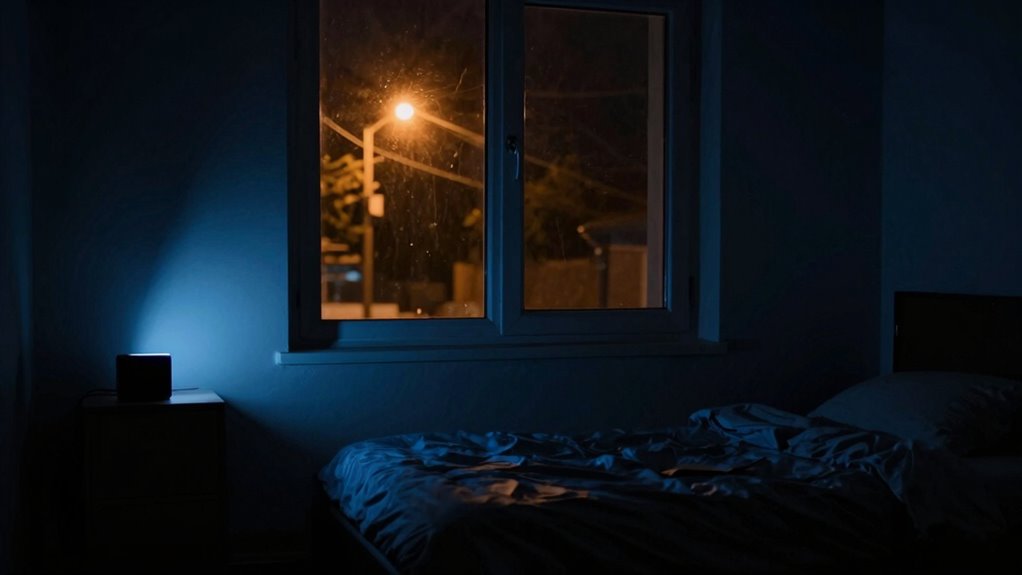
If you often wake up feeling tired despite getting what seems like enough sleep, it might be due to disruptions from light or noise in your environment. Both can interfere with your sleep quality, but understanding which one impacts you more requires a bit of investigation. Light, especially at night, can suppress melatonin production, the hormone that helps regulate your circadian rhythm. When melatonin levels stay low because of exposure to artificial light, your body struggles to stay in sync with natural day-night cycles. This mismatch can lead to fragmented sleep, making you feel unrefreshed even if you’ve been in bed for hours.
Disrupted sleep from light or noise can leave you feeling tired despite enough hours in bed.
To figure out whether light or noise is more disruptive, start by paying attention to your sleep environment. When you wake up feeling groggy, consider whether the room was brightly lit or if there was a lot of noise. If you notice that even with noise-canceling devices or earplugs, you still wake up tired, it could be that light is the *vital*. Conversely, if reducing noise improves your sleep but you still wake up feeling unrested, light might be the *more prominent* concern.
Another way to test this is to modify your environment temporarily. Use blackout curtains or an eye mask to block out light entirely for several nights. If your sleep quality improves and you wake up feeling more rested, it suggests that light was *considerably* disrupting your sleep through melatonin suppression. If you don’t notice much change, then noise might be the primary issue. Similarly, try using earplugs or white noise machines to minimize sound disturbances. If your sleep gets better with noise reduction, you’ll know noise is more disruptive to your rest.
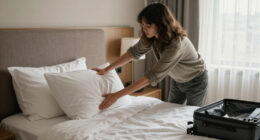
It’s also helpful to observe your sleep patterns across different environments. For example, if you sleep better when traveling or staying in a darker room, light is likely the main factor. If you sleep better in a quieter hotel or after turning off your devices, noise might be the bigger disruptor. Remember, your circadian rhythm is sensitive to both light and noise, but their impact can vary from person to person. Recognizing that sleep environment plays a crucial role in your overall health can motivate you to make necessary adjustments. Additionally, environmental cues like light and noise can influence your body’s natural rhythms, making it easier or harder to achieve restorative sleep. Understanding the effects of light and noise on sleep can help you develop more targeted solutions for restful nights.
Ultimately, identifying whether light or noise affects your sleep more involves controlled testing and paying close attention to your body’s responses. Adjust your environment accordingly—blocking out light to support melatonin production or reducing noise to prevent awakenings. By doing so, you’ll take a *key* step toward more restorative, uninterrupted sleep.
As an affiliate, we earn on qualifying purchases.
Frequently Asked Questions
Can Light Exposure During the Night Cause Long-Term Health Issues?
Yes, light exposure at night can cause long-term health issues. Light pollution disrupts your circadian rhythm, which controls sleep and hormone production. Over time, this circadian disruption increases risks of obesity, diabetes, and cardiovascular diseases. You might not realize it, but even small amounts of artificial light during sleep can interfere with your body’s natural processes. To protect your health, minimize exposure to nighttime light and create a dark sleep environment.
How Does Noise Level Impact Different Sleep Stages?
You might not realize it, but noise levels deeply affect your sleep architecture. Sudden sounds cause auditory interference, jolting you from deep sleep stages into lighter ones or wakefulness. Even moderate noise can fragment your sleep, preventing restorative REM and deep sleep phases. The impact varies, but consistently high noise levels can leave you feeling unrefreshed, hinting that noise disrupts your sleep more than you’d expect, quietly sabotaging your rest.
Are There Specific Types of Light More Disruptive Than Others?
Blue light and high light intensity are more disruptive than other types of light. You might notice that screens emitting blue light, like phones or tablets, interfere with your sleep more than dim, warm-colored lights. Bright lights, especially those with high light intensity, can suppress melatonin production, making it harder to fall asleep. To improve sleep, use dim, warm lighting in the evening and limit exposure to blue light before bed.
What Are Effective Ways to Block Noise Without Affecting Light?
You can block noise effectively by using soundproof barriers like heavy curtains or wall panels, which are like noise shields for your room. Pair these with blackout curtains to keep light out without letting noise in. Double up with earplugs for an extra layer of silence. These methods create a peaceful sleep haven, making noise seem like a distant, faint whisper instead of a disruptive roar.
Does Individual Sensitivity Vary Significantly to Light and Noise?
Yes, your sensitivity to light and noise varies markedly due to individual differences and sensory adaptation. Environmental factors, like prior exposure or sleep habits, influence how you react to these stimuli. Some people become more tolerant over time, while others remain highly sensitive. Your unique sensory profile determines which disturbance impacts your sleep more, so understanding your personal responses helps you create a tailored sleep environment for better rest.
As an affiliate, we earn on qualifying purchases.
Conclusion
Just like the moon’s gentle glow can lull you into dreams, light can quietly disrupt your sleep more than noise. Keep an eye on how you feel when exposed to different stimuli—if waking up feeling tired or restless, it’s time to take action. Remember, even in the darkest night, a single flicker can disturb your peace. Stay vigilant and create a sleep environment that’s as serene as a midnight sky, free from unnecessary disruptions.
As an affiliate, we earn on qualifying purchases.
As an affiliate, we earn on qualifying purchases.
Halloween Picks
halloween
As an affiliate, we earn on qualifying purchases.