
To tell if your hip pain at night is from pressure or misalignment, notice how it reacts to movement and position. Pressure-related pain worsens with sustained pressure and eases when you shift or change supportive surfaces. Misalignment pain stays constant or worsens regardless of rest and may cause instability or joint stiffness. Recognizing these signs helps you find the right relief. Keep going to discover more effective tips to reduce your discomfort tonight.
Key Takeaways
- Pressure-related pain worsens with sustained pressure and improves with position changes; misalignment pain persists regardless of position.
- Pressure pain often localizes or radiates and responds to pressure distribution strategies like cushions or supportive mattresses.
- Misalignment pain may cause joint instability, stiffness, or persistent discomfort unrelieved by changing sleep positions.
- Signs of pressure pain include tingling, numbness, or sharp sensations that ease when pressure is relieved.
- Assessing pain pattern, response to position changes, and physical signs helps differentiate pressure from misalignment in hip pain at night.
What Causes Hip Pain at Night?

There are several reasons why you might experience hip pain at night. One common cause involves issues with the hip joint itself, such as arthritis or inflammation, which can lead to discomfort that worsens when lying down. Another frequent reason is muscle strain, often from overuse or poor posture during the day. Muscle strain can cause tightness or soreness that becomes more noticeable when you settle into bed. Additionally, injuries or repetitive movements may irritate surrounding muscles and tissues, leading to pain at night. Sometimes, underlying conditions like bursitis or tendinitis contribute to discomfort near the hip joint. Recognizing whether the pain stems from joint problems or muscle strain can help you determine the best course of action for relief.
How to Spot Pressure-Related Hip Discomfort

Pressure-related hip discomfort often becomes noticeable when you lie down or change positions, as sustained pressure from your body weight can irritate the tissues around your hip. You may feel a deep ache or sharp pain that worsens with prolonged pressure on the hip joint. Nerve compression can also occur, leading to tingling, numbness, or a burning sensation along your thigh or groin. If you notice pain increasing after lying on one side or pressing against certain surfaces, it’s likely pressure-related. Pay attention to how your discomfort responds to shifts in position. If relief comes when you change how you’re lying or reduce pressure on your hip, this is a strong indicator that pressure is a key factor behind your pain. Understanding vintage design elements can also help you create a more comfortable and supportive home environment that minimizes unnecessary pressure points. Additionally, considering ergonomic support can make a significant difference in alleviating pressure and promoting better hip health during rest. Incorporating pressure distribution strategies, such as using supportive cushions or mattresses, can further alleviate discomfort and improve your sleep quality. Recognizing the importance of supportive home environment can enhance your overall comfort and help prevent pressure-related pain. Incorporating pressure-relieving materials into your bedding setup can also provide targeted relief and support optimal spinal alignment during sleep.
Signs Your Hip Might Be Out of Alignment

If shifting positions relieves your hip pain but the discomfort keeps returning or feels uneven, your hip might be out of alignment. This misalignment can affect joint flexibility and may be a sign you need medical attention, especially if you’ve had a hip replacement. You might notice persistent stiffness or a feeling of instability. Additionally, a persistent pain that doesn’t improve with positional changes warrants a consultation with a healthcare professional. Recognizing early signs of joint misalignment can help prevent further complications and promote better recovery. Paying attention to piercing aftercare routines and signs of infection can also be important in overall joint health and healing. Being aware of cybersecurity vulnerabilities related to your health devices may help in safeguarding your health data. Understanding how contrast ratio influences image quality can be analogous to assessing joint stability, where higher contrast can reveal more detailed variations in joint structure.
How to Tell If Hip Pain Is Due to Pressure or Misalignment

Pay attention to when your hip pain occurs and how it feels, as this can reveal if pressure or misalignment is the cause. Noticing specific patterns or timing can help identify the source of discomfort. Your physical exam can also provide clues, highlighting differences between pressure-related pain and misalignment issues. Additionally, understanding the role of air quality and proper ventilation in your environment can influence overall comfort and pain levels. Maintaining good sleep hygiene can also impact how your hips feel at night, potentially reducing discomfort caused by misalignment or pressure. Improving back posture during sleep can also alleviate some symptoms associated with misalignment. Moreover, considering the environmental factors that surround you, such as temperature and allergens, can further affect your comfort and pain experience. Being aware of muscle tension and its contribution to pain may help in addressing underlying causes for persistent discomfort.
Symptom Patterns and Timing
Recognizing the differences in symptom patterns can help you determine whether hip pain at night stems from pressure buildup or misalignment. Pay attention to when and how your pain occurs.
- If you notice joint stiffness and pain worsening after prolonged inactivity, it might indicate pressure buildup. This often causes discomfort after lying still for a while.
- If muscle weakness or pain fluctuates with movement, especially with certain positions, misalignment could be the cause.
- Timing also matters: pressure-related pain tends to improve with movement or changing positions, while misalignment pain may persist regardless of activity.
Physical Examination Clues
Physical examination can reveal key clues to identify whether your hip pain results from pressure buildup or misalignment. You’ll want to assess your hip muscle strength and flexibility, as tight or weak muscles can indicate instability or misalignment. During the exam, a healthcare provider may gently move your leg to check joint stability—if the joint feels loose or unstable, misalignment is likely. Conversely, pain that worsens with specific pressure points or during certain movements suggests pressure-related issues, like swelling or nerve compression. Notice if your pain is localized or radiates, which can also provide clues. Additionally, understanding proper ventilation considerations can help prevent discomfort caused by environmental factors during recovery or activity. Proper muscle testing techniques can further aid in distinguishing between internal pressure and mechanical misalignment, ensuring a more accurate diagnosis. Incorporating detailed assessment methods can enhance the accuracy of determining whether pressure or misalignment is the primary issue, ultimately guiding appropriate treatment strategies. For example, evaluating joint stability through specific maneuvers can be instrumental in this process. Recognizing the signs of inflammation can also help differentiate between pressure-related pain and misalignment, as inflammation often presents with swelling and tenderness. This examination helps distinguish between pressure buildup, causing internal pain, and misalignment, which affects joint mechanics and stability.
Easy Ways to Reduce Pressure-Related Hip Pain While Sleeping

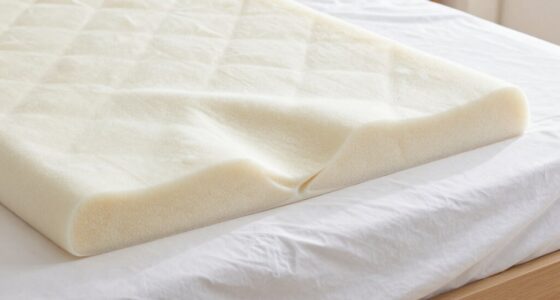
If you want to ease pressure-related hip pain while sleeping, simple adjustments can make a big difference. First, consider your mattress firmness; a medium-firm mattress offers better support and reduces pressure points. Second, try to avoid sleeping directly on your side with your hips pressed into the mattress. Instead, place a pillow between your knees to keep your hips aligned and reduce strain on your hip flexor. Third, incorporate a gentle stretch before bed to loosen tight hip muscles, especially if your hip flexor feels tight. These small changes can help distribute your weight more evenly, relieve pressure, and make your sleep more comfortable, especially if hip pain worsens at night. Additionally, choosing suitable micro-mobility options like e-bikes or scooters for daily commuting can help reduce overall joint stress and promote better sleep health. Paying attention to sleep environment adjustments can also support proper alignment and minimize discomfort. Using proper sleep positioning techniques can further enhance comfort and reduce nighttime hip pain. Incorporating awareness of hip biomechanics can guide you in selecting the most effective adjustments for your specific needs.
Simple Steps to Fix Hip Misalignment

To correct hip misalignment, start by evaluating your posture during daily activities and while sleeping. Improving hip joint mobility is key. Incorporate gentle stretches and exercises to enhance flexibility and reduce stiffness. Additionally, make sleep posture adjustments by choosing positions that keep the hips aligned, such as sleeping on your back with a pillow under your knees. Avoid positions that twist or overextend your hips. Use this table to identify common misalignments and solutions:
| Misalignment | Solution |
|---|---|
| Hip tilting | Strengthen core and glutes |
| Poor sleep posture | Use supportive pillows to align hips |
| Stiff hips | Regular stretching and mobility exercises |
| Overextension | Adjust sleeping position or mattress |
Focusing on these steps helps restore hip alignment, easing nighttime discomfort.
When It’s Time to See a Healthcare Professional

Persistent or worsening hip pain at night signals that you should consult a healthcare professional promptly. Ignoring severe or persistent discomfort can lead to further issues with your hip joint and complicate pain management. Don’t delay if you notice any of these signs:
Persistent hip pain at night warrants prompt medical attention to prevent further issues.
- Pain that interferes with sleep or daily activities.
- Sudden or intense pain that doesn’t improve with rest.
- Limited movement or swelling around the hip joint.
Seeing a healthcare professional can help identify the underlying cause of your hip pain and develop an effective treatment plan. Early diagnosis ensures better pain management and prevents long-term damage. Trust your instincts—if your hip pain worsens or persists, professional advice is essential for your hip health.
Frequently Asked Questions
Can Specific Sleeping Positions Worsen Hip Pain at Night?
Yes, certain sleeping positions can worsen your hip pain, especially if you have hip bursitis or joint inflammation. Sleeping on your side with your hips in an awkward position may increase pressure and irritation. Avoid crossing your legs or sleeping directly on the painful side. Using a pillow between your knees can help realign your hips, reduce pressure, and ease nighttime discomfort, promoting better sleep.
Are There Certain Mattress Types That Relieve Pressure on Hips?
You should look for mattresses made from supportive foam materials with the right foam density, as they help relieve pressure on your hips. Memory foam or latex mattresses typically contour your body, providing cushioning and reducing pain. A medium-firm mattress often offers the best balance of support and comfort. Choosing a mattress with proper firmness and quality foam materials can make a significant difference in easing your hip pain at night.
How Long Should Hip Pain Persist Before Seeking Medical Help?
If your hip pain lasts more than a few days or worsens, you should see a doctor. Even if you think it’s just a minor issue, persistent pain might be due to a hip injury or joint inflammation that needs medical attention. Don’t ignore ongoing discomfort, as untreated problems can lead to long-term damage. Seek help promptly to get an accurate diagnosis and effective treatment before the pain becomes more severe.
Do Age or Activity Level Influence Hip Pain Causes?
Yes, age factors and activity levels influence hip pain causes. As you get older, you’re more prone to conditions like osteoarthritis or bursitis, which can cause persistent pain. If you’re highly active, overuse or injury might be the culprit. Understanding how your age and activity levels impact your hips helps you identify potential issues early and seek appropriate treatment, reducing discomfort and preventing further damage.
Can Stretching Routines Prevent Nighttime Hip Discomfort?
Yes, incorporating stretching routines can help prevent nighttime hip discomfort. Focus on improving your hip flexibility with targeted stretching techniques like hip flexor stretches and hamstring stretches. Doing these regularly can ease tension and reduce pressure that causes pain. Make sure to stretch gently and consistently, especially before bed, to promote better alignment and decrease the likelihood of waking up with soreness or stiffness.
Conclusion
Now that you know how to recognize pressure versus misalignment, the question is, which is truly affecting your hips? Sometimes, the answer isn’t clear-cut, and ignoring the signs could lead to more serious issues. Will you take action now to address your pain or wait until it worsens? Your hips hold more than just comfort—they hold the key to your overall well-being. The choice is yours—what will you do next?