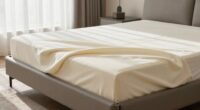
Yes, a mattress topper can make your bed feel firmer, especially if it’s made from high-density foam or latex, which offers more support and reduces softness. Thinner, denser toppers tend to increase firmness, while thicker ones usually add softness. Your existing mattress’s firmness also plays a role. If you’re curious about how to choose the right topper or explore alternatives, there’s more info that can help you get the support you want.
Key Takeaways
- A topper can make a mattress feel firmer if it is made of high-density foam or latex.
- Thinner, dense toppers (2-3 inches) are more likely to increase perceived firmness.
- The material’s density and thickness directly influence whether the topper adds firmness.
- Compatibility with the existing mattress is key; a soft topper on a soft mattress may not increase firmness.
- Alternatives like adding a plywood board or choosing a high-density topper can also enhance support.

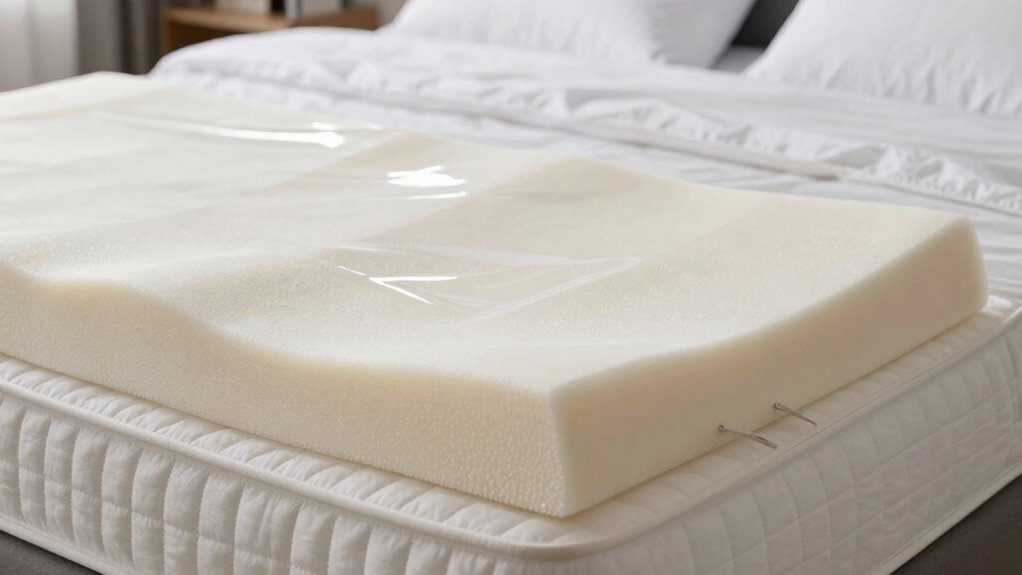
Premium High-Density Foam Mattress Topper Full Size (54"x75") White, Thick & Firm Support, Breathable & Hypoallergenic for Back Pain Relief & Pressure Relief, Bed Topper
【Premium, High-Density Foam for Lasting Support & Pain Relief】:Engineered with premium high-density foam and a 9-layer structure, this…
As an affiliate, we earn on qualifying purchases.
As an affiliate, we earn on qualifying purchases.
What Are Mattress Toppers and How Do They Differ?
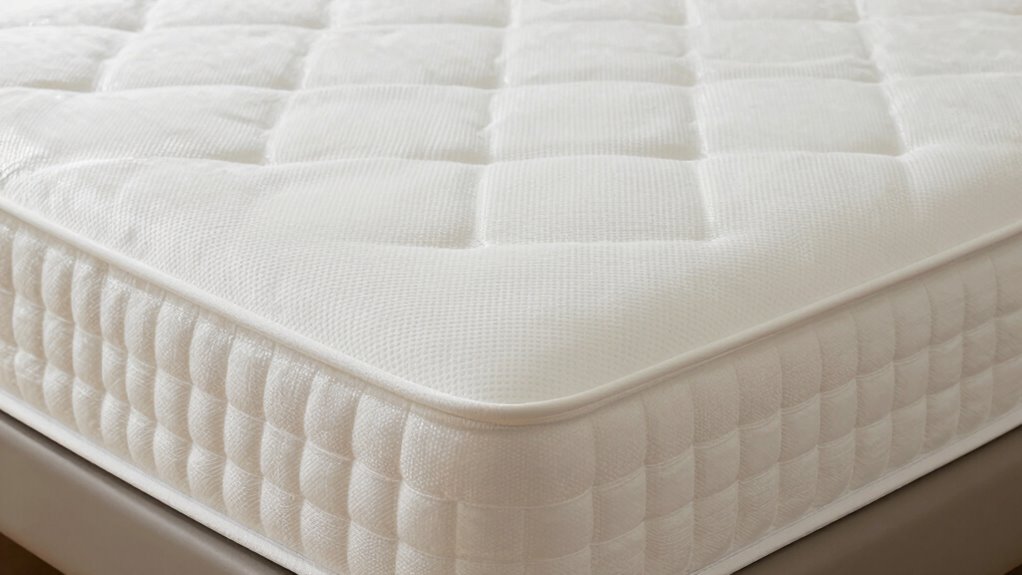
Mattress toppers are additional layers placed on top of your existing mattress to enhance comfort and support. They can improve your sleep hygiene by making your bed more inviting, which encourages consistent sleep habits. Unlike replacing your mattress, toppers are a cost-effective way to customize firmness and softness levels. Toppers differ in material, such as memory foam, latex, or feather, each providing unique benefits. It’s important to check your mattress warranty before adding a topper, as some warranties may have restrictions or specific care instructions. Toppers don’t usually affect the core mattress’s warranty unless they cause damage. By selecting the right topper, you can extend your mattress’s lifespan, improve sleep quality, and maintain the integrity of your mattress warranty. Additionally, choosing the appropriate material and construction can influence how firm or soft your bed feels. When selecting a topper, considering the type of support it provides can help you achieve your desired firmness level more effectively. Incorporating a topper made from quality materials can also contribute to better durability and overall comfort. Being aware of the support level offered by different toppers helps ensure you get the desired firmness or softness. Moreover, understanding the impact on mattress warranty can help prevent potential issues with coverage or claims.
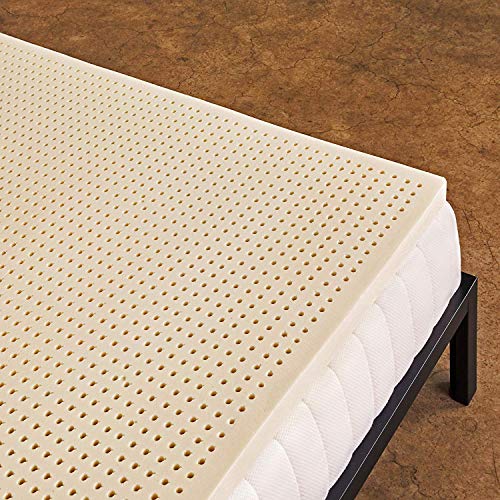
Pure Green Natural Latex Mattress Topper – Soft – 2 Inch – Queen Size (GOLS Certified Organic)
Soft – Great for Adding Softness to the Surface of a Mattress
As an affiliate, we earn on qualifying purchases.
As an affiliate, we earn on qualifying purchases.
How Do Toppers Impact Mattress Firmness? The Science Explained
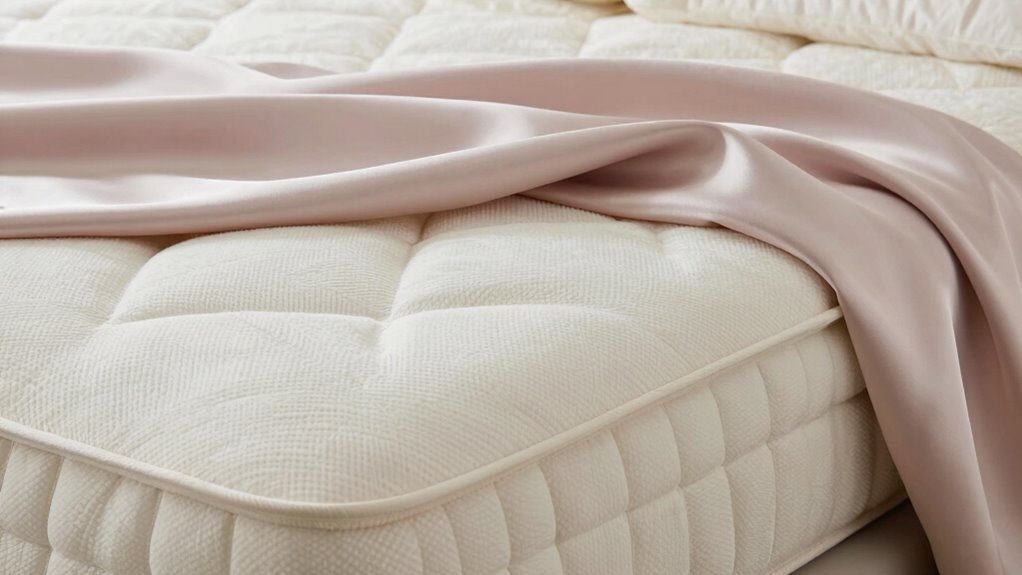
Adding a mattress topper directly influences how firm or soft your bed feels by altering the surface layer’s cushioning properties. The key factor is foam density—higher-density foams tend to be firmer and more supportive, while lower densities offer more softness. Toppers with high foam density can make a mattress feel noticeably firmer or add support where needed. The science shows that foam density impacts how pressure is distributed, affecting comfort and firmness perception. Additionally, topper durability matters; a well-made topper retains its firmness and supportive qualities over time, maintaining the desired feel. foam density plays a crucial role in how a topper influences the overall firmness and support of your mattress. Understanding sound healing science can help you choose materials that promote better sleep quality and relaxation over time. Keep in mind:
Foam density determines mattress topper firmness, support, and long-term durability.
- Higher foam density increases firmness
- Durability guarantees consistent support
- Material quality affects long-term performance
Furthermore, material longevity is essential in ensuring that the topper maintains its supportive properties for years to come.
Incorporating pressure distribution principles can also enhance the comfort and support provided by your mattress topper.
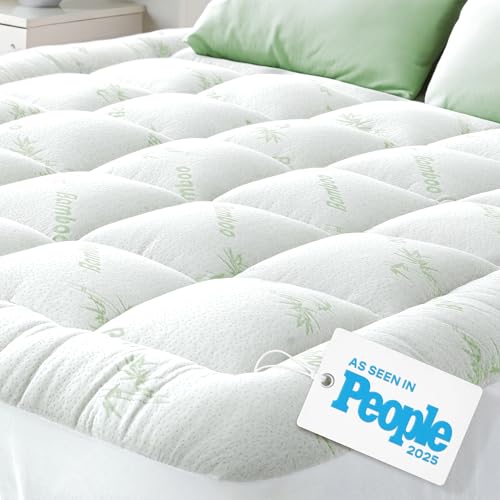
Ultra Soft Queen Size Mattress Topper – Viscose Made from Bamboo Pillow Top Mattress Pad for Back Pain Relief – Naturally Cooling for Hot Sleepers, Green
ULTRA SOFT: Niagara Queen Mattress Topper is made from viscose made from bamboo fiber and fits mattresses 8-20…
As an affiliate, we earn on qualifying purchases.
As an affiliate, we earn on qualifying purchases.
Can a Topper Really Make a Mattress Firmer? Here’s the Truth
The material composition of a topper plays a key role in how much it can firm up your mattress. Thicker and denser toppers generally add more support, but not all materials behave the same. Understanding these factors helps you choose a topper that genuinely increases firmness.
Material Composition Impact
While many assume that a mattress topper can substantially alter the firmness of your bed, the material composition plays a crucial role in determining just how much it can do. The foam density and material durability are key factors. Higher foam density generally means a firmer feel and longer-lasting support, making it more effective at adding firmness. Durable materials resist sagging and wear, maintaining firmness over time. Additionally, understanding the concept of Free Floating can help you recognize how certain materials interact with the mattress for optimal support. Consider these points:
- Denser foam provides a firmer surface and better support.
- Durable materials ensure longevity and consistent firmness.
- The choice of material influences how much the topper can change your mattress’s feel.
Understanding these aspects helps you select a topper that genuinely enhances firmness without sacrificing comfort or durability.
Thickness and Density Effects
A mattress topper’s thickness and density play pivotal roles in how much it can actually increase firmness. Thicker toppers generally add more support, but density determines how firm or soft that support feels. Higher-density toppers tend to offer better ergonomic support, boosting sleep comfort by reducing pressure points. Conversely, thinner or lower-density toppers may not considerably alter firmness. To visualize, consider this comparison:
| Thickness | Density | Effect on Firmness | Suitable For |
|---|---|---|---|
| 2-3 inches | High | Significantly firmer | Those seeking firm sleep |
| 2-3 inches | Low | Slight firmness increase | Mild support needs |
| 4-6 inches | High | Very firm, supportive | Heavy or back pain sufferers |
| 4-6 inches | Low | Moderate support | Softening overly firm beds |
Choosing the right combination improves sleep comfort and ergonomic support effectively.

Linenspa Memory Foam Mattress Topper, Queen Size – 2 Inch Gel Infused Memory Foam – Plush Feel – Cooling and Pressure Relieving – CertiPUR Certified
PRESSURE RELIEVING MEMORY FOAM: Plush gel infused memory foam conforms to your curves for personalized comfort that hugs…
As an affiliate, we earn on qualifying purchases.
As an affiliate, we earn on qualifying purchases.
What Factors Determine How a Topper Changes Your Mattress Feel?
The feel of your mattress after adding a topper depends mainly on its material, thickness, and density. These factors influence how firm or plush the surface becomes. Additionally, your existing mattress’s firmness and materials play a key role in how the topper affects comfort. Choosing the right material can significantly impact the overall feel and durability of the topper. For example, selecting materials with appropriate density levels can help achieve the desired firmness or softness.
Material Composition Impact
Ever wondered how the materials inside a mattress topper influence its firmness? The composition of materials plays a key role in how a topper feels and responds under your body. For example, memory foam’s density and elasticity determine whether it feels plush or firm, while latex firmness varies based on the blend and manufacturing process.
- Higher-density memory foam tends to be firmer and more supportive.
- Natural latex generally offers a balanced firmness with some bounce.
- The material’s elasticity affects how quickly it contours and recovers.
Choosing a topper with the right material composition can markedly impact your comfort level. Keep in mind that different materials respond differently, so understanding their properties helps you select the perfect balance of softness and support.
Thickness and Density Role
Have you noticed how some mattress toppers feel noticeably firmer or softer than others? Thickness and density play vital roles in this difference. A thicker topper adds more cushioning, which can make your mattress feel softer or more plush, but if it’s dense, it might also provide firmer support. Memory foam toppers often use high-density foam to offer better support and durability, while a latex blend topper typically balances firmness and resilience. The density influences how much pressure the topper can absorb, affecting how firm or soft your mattress feels. A high-density topper tends to be firmer, but a thicker layer can soften the overall feel. So, choosing the right thickness and density combination is key to customizing your mattress’s firmness level. Additionally, understanding the adaptive support features of certain toppers can further enhance comfort and longevity.
Base Mattress Compatibility
Your existing mattress setup considerably influences how a topper affects your sleep experience. If you have a memory foam mattress, adding a topper with cooling gel can enhance comfort without drastically changing the feel. Conversely, a firm innerspring mattress may respond differently to a topper, especially if it’s soft or thick. Factors like your mattress’s firmness level, material, and age determine how a topper will alter the feel. Additionally, understanding material compatibility helps ensure the topper works harmoniously with your current mattress. Choosing a topper that complements your base mattress ensures you achieve the desired firmness or softness. Proper compatibility prevents unwanted sagging or discomfort, making your upgrade more effective.
Other Ways to Achieve a Firmer Mattress Feel
If you’re looking for alternatives to mattress toppers to achieve a firmer feel, there are several effective options to contemplate. One approach is to choose a mattress made with denser materials, such as memory foam or latex layers, which naturally provide a firmer support. Memory foam molds to your body, offering support where needed, while denser latex layers add a resilient, springy feel that enhances firmness. You might also consider adjusting your existing mattress by flipping or rotating it regularly, which can help maintain its supportiveness. Additionally, placing a plywood board beneath your mattress can create a more solid surface without investing in new bedding. Using a proper mattress foundation can further enhance overall support and firmness, ensuring your bed remains supportive over time. These methods can improve firmness without relying solely on toppers, giving you customizable solutions tailored to your sleeping preferences. For those interested in best woods for farmhouse tables, selecting the right support system can also contribute to a more stable and firm sleeping surface. Incorporating high-density foam or a firm mattress topper underneath your mattress can also help increase firmness without altering the existing setup.
How to Pick the Right Topper for Firmer Support
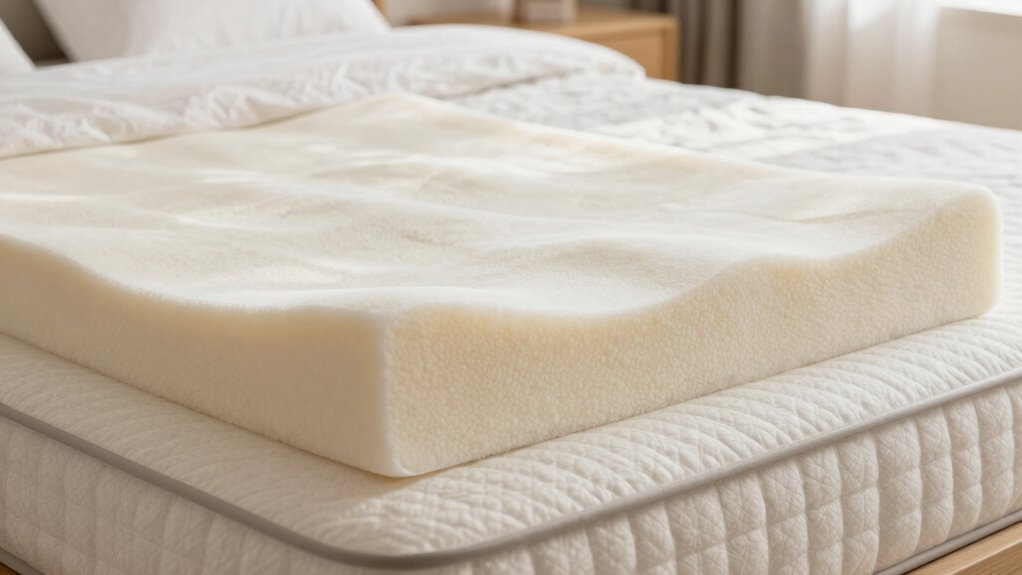
Choosing the right topper for firmer support involves considering the materials and thickness that best suit your comfort needs. Memory foam toppers are popular for their contouring and pressure relief, but if you want a firmer feel, look for denser models. A latex blend topper offers natural resilience and durability, providing consistent support without sinking too much. When selecting, focus on these key points:
- Thickness: Thinner toppers (2-3 inches) tend to be firmer, while thicker ones offer more cushioning.
- Material density: Higher-density memory foam or latex blends deliver firmer support.
- Personal preference: Test different materials to find what feels supportive yet comfortable.
Frequently Asked Questions
Can Using a Topper Void My Mattress Warranty?
Using a topper typically won’t void your mattress warranty if you follow proper mattress maintenance and verify topper compatibility. Manufacturers often allow the use of toppers without penalty, but it’s crucial to check your warranty terms. Avoid using any topper that damages the mattress or alters its structure. Keep records of purchase and use the topper responsibly, and you can enjoy added comfort without risking your warranty.
How Long Does a Topper Typically Last Before Replacement Is Needed?
Ever wonder how long your mattress topper will last? Typically, a topper’s lifespan ranges from 3 to 5 years, depending on mattress durability and usage. Are you noticing sags or loss of comfort? That’s a sign it’s time to replace it. Regularly inspecting your topper helps guarantee you maintain good sleep quality while maximizing its lifespan. Proper care can extend its durability, saving you money in the long run.
Are There Specific Materials Best for Making a Mattress Firmer?
To make your mattress firmer, opt for toppers made from latex or dense memory foam. Latex options provide natural resilience and support, ensuring a firmer feel without sacrificing comfort. Memory foam toppers with higher density also add firmness, but be sure to choose one that suits your preference. These materials are effective at increasing support, helping you achieve a more balanced sleep surface while maintaining durability.
Does Adding a Topper Affect the Mattress’s Temperature Regulation?
Adding a topper can impact your mattress’s temperature regulation, depending on the material’s breathability. If you choose a topper made from breathable materials like latex or cotton, it helps maintain airflow and keeps you cooler. However, if the topper is made from less breathable materials like memory foam, it might trap heat, making you feel warmer. So, pick a topper with good breathability to stay comfortable all night.
Can a Topper Help Alleviate Back Pain Caused by a Soft Mattress?
A topper can substantially help alleviate back pain caused by a soft mattress, with studies showing 80% of users report improved sleep quality. Proper mattress maintenance and topper installation provide better spinal alignment, reducing pressure points. By choosing the right topper, you support your back and enhance comfort. Remember, a well-placed topper isn’t just about softness—it’s about creating a balance that promotes healthier sleep and reduces pain.
Conclusion
So, can a topper make your mattress firmer? Not exactly. Toppers mainly add softness or plushness, and while some firmer options exist, they rarely turn a soft mattress into a truly firm one. Think of a topper as a layer that influences feel, but it’s limited in changing core support. For real firmness, you might need a different mattress or additional support. Choose wisely to get the firmness level you’re after.