Your sleep microclimate includes the ideal temperature, humidity, and fabric choices that help you sleep comfortably. Excess heat causes discomfort and disrupts your deep sleep, while proper humidity supports easy breathing and prevents dryness or dampness. The fabrics you wear and use in your bedding also impact heat retention and moisture management. Maintaining the right balance of heat, humidity, and fabrics can improve your sleep quality—keep going to learn more about perfecting your sleep environment.
Key Takeaways
- A sleep microclimate involves controlling temperature, humidity, and airflow around the body for optimal rest.
- Proper fabric choices, like cotton or linen, promote breathability, moisture-wicking, and temperature regulation during sleep.
- Excess heat can cause night sweats and restlessness, disrupting sleep stages and reducing restorative sleep quality.
- Maintaining ideal humidity levels supports better breathing, prevents dryness or dampness, and stabilizes body temperature.
- Adjusting room temperature (60-67°F), using breathable bedding, and managing humidity improve overall sleep comfort and microclimate stability.

Novilla Queen Size Mattress, 12 inch Gel Memory Foam Mattress for a Cool Sleep & Pressure Relief, Medium Firm Feel with Motion Isolating, Bliss
General Note: Please allow 24 - 72 hours for your Mattress to regain its full shape. Any memory...
As an affiliate, we earn on qualifying purchases.
What Is a Sleep Microclimate and Why Does It Matter?

Your sleep microclimate refers to the small, localized environment around your body while you sleep, including factors like temperature, humidity, and airflow. It’s shaped by your sleep surface—whether it’s a mattress, sheets, or a pillow—and the ambient temperature of your room. This microclimate directly influences how comfortably you sleep each night. If your sleep surface traps heat or retains moisture, it can make you feel too hot or sweaty. Conversely, a cool, breathable surface helps regulate your body temperature. The ambient temperature of your room also plays a role in maintaining a balanced microclimate. When these factors work together, they create an environment that promotes restful sleep, helping you fall asleep faster and stay asleep longer. Additionally, temperature regulation within your microclimate is essential for preventing overheating and ensuring optimal sleep quality.

LETMOON California King Mattress, 14 Inch Mattress Cal King Bed in Box, Medium Firm, (Upgrade) Edge Support, Pocket Springs, Pressure Relief
Hybrid Mattress for Back Pain & Spinal Alignment – Combines memory foam & pocket coils in a medium-firm...
As an affiliate, we earn on qualifying purchases.
How Does Heat Influence Your Sleep Comfort?
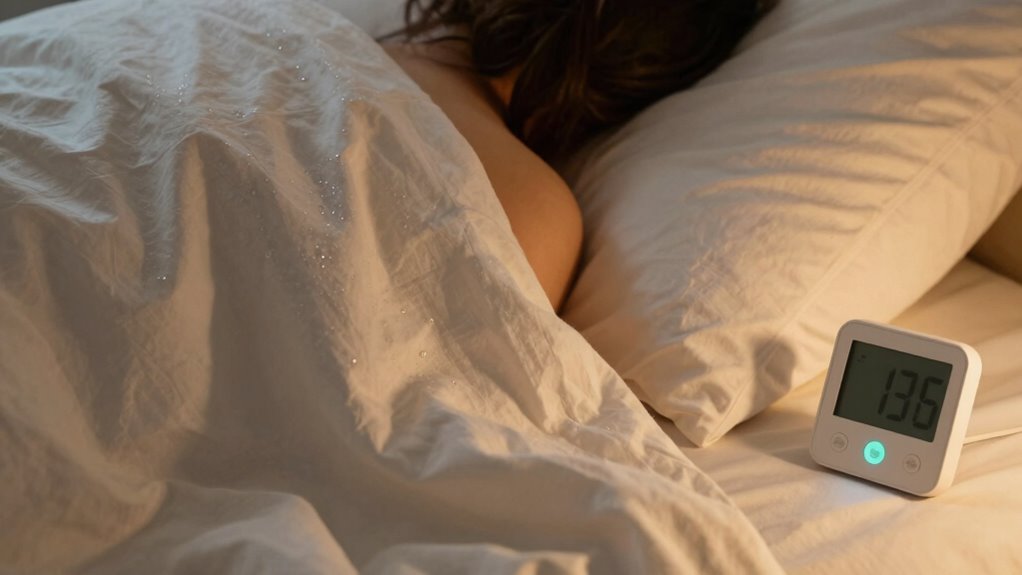
Heat affects your sleep comfort by challenging your body’s ability to regulate temperature, which can disrupt your rest. Too much heat can interfere with your sleep stages, making it harder to reach deep, restorative sleep. Overheating also poses risks, so finding the right balance is key to a good night’s sleep. Maintaining a consistent microclimate around your body helps ensure optimal sleep conditions and promotes better overall rest.
Temperature Regulation Benefits
When the temperature of your sleep environment is just right, it can considerably enhance your comfort throughout the night. Proper temperature regulation helps you maintain an ideal sleep cycle timing, preventing overheating or chilling that can disrupt rest. For example, adjusting your bed positioning—such as elevating your head or feet—can improve heat dissipation and keep your body at a comfortable temperature. When your surroundings are cool enough, you’re less likely to wake up feeling overheated, allowing you to stay in restorative sleep stages longer. Conversely, balanced warmth prevents your body from working overtime to cool down. This natural regulation of heat promotes a steadier, more restful sleep, so you wake up feeling refreshed and less fatigued. Additionally, the fabric choice of your bedding can influence heat retention and moisture wicking, further supporting optimal sleep microclimate.
Impact on Sleep Stages
Temperature fluctuations during sleep directly influence the progression through different sleep stages. When it’s too hot, your body struggles to cool down, disrupting the natural dream cycles and making it harder to enter deep sleep. This can lead to fragmented sleep and reduced sleep quality, leaving you feeling tired and unrested. Conversely, a comfortable temperature supports stable progressions between light and deep sleep, allowing your body to fully cycle through each stage. Heat can cause you to wake more frequently or stay in lighter sleep stages longer, impairing restorative processes. Maintaining an ideal microclimate helps regulate your body’s temperature, promoting smoother sleep cycles and improving overall sleep quality. Proper ventilation also plays a critical role in preventing heat buildup and humidity, further supporting healthier sleep. By managing heat, you support healthier sleep stages and wake up feeling more refreshed.
Overheating Risks
Excessive heat during sleep can markedly disrupt your comfort, making it difficult to fall asleep and stay asleep through the night. When your body overheats, you’re prone to night sweats and sudden temperature spikes that disturb your rest. This discomfort can lead to frequent awakenings and fragmented sleep cycles.
| Cause | Effect | Solution |
|---|---|---|
| Heat buildup | Night sweats, restlessness | Use breathable fabrics, cool environment |
| Temperature spikes | Sleep disruptions | Adjust room temperature, cooling bedding |
| Overheating | Reduced REM sleep | Maintain ideal microclimate |

California King Mattress, Upgraded 14 Inch Cal King Mattress in a Box, Cooling Gel Memory Foam Hybrid Mattresses with Pocket Springs, Pressure & Pain Relief, Double Additional Support, CertiPUR-US
【Ergonomic Zonal Support System】The california king mattress features multiple layers of premium memory foam and independent support springs...
As an affiliate, we earn on qualifying purchases.
Why Humidity Levels Are Key to Restful Sleep
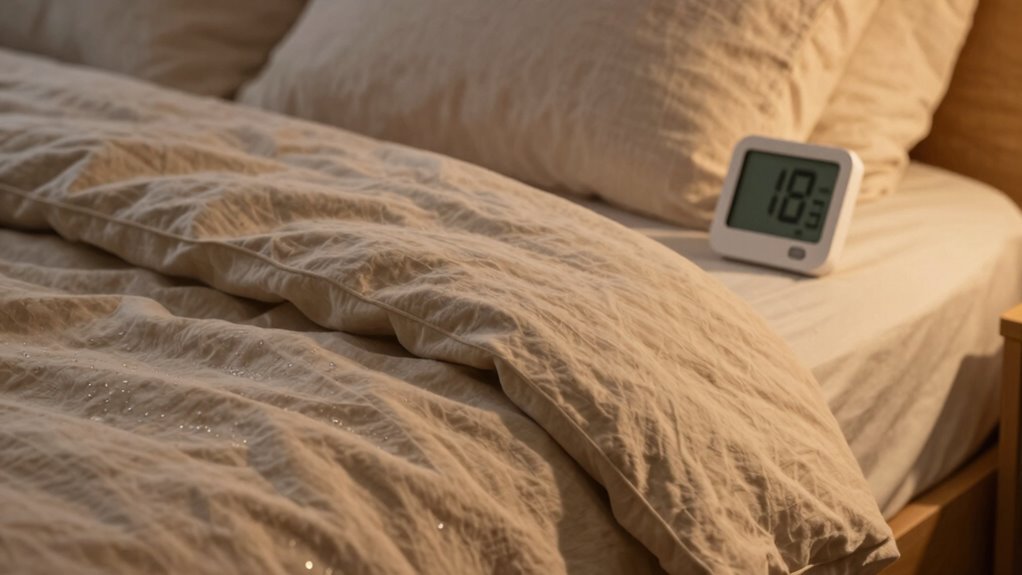
Your body’s comfort depends on proper humidity levels, which influence how easily you breathe during sleep. When the air is too dry or too humid, it can disrupt your rest and cause discomfort. Maintaining ideal humidity helps support better breathability and promotes restful sleep. Additionally, controlling humidity can reduce the growth of airborne pollutants and allergens that may worsen breathing issues during the night.
Humidity Affects Breathability
Maintaining the right level of humidity in your sleep environment is essential for ensuring breathable air throughout the night. When humidity is too high or low, it can lead to breathability issues, making it harder to breathe comfortably. Excess moisture retention in the air can cause your body to feel stuffy and damp, disrupting restful sleep. Conversely, low humidity dries out your nasal passages and throat, impairing airflow. Proper humidity levels help regulate moisture, preventing the air from becoming too damp or too dry. This balance supports ideal breathability, reducing congestion and irritation. Humidity levels are key to managing moisture and ensuring a comfortable sleep environment.
Ideal Levels Promote Rest
When humidity levels are just right, they create an ideal environment for restful sleep. Maintaining proper humidity is essential for microclimate control within your sleep environment. If it’s too dry, your skin and airways can become irritated, disrupting your sleep cycle. Conversely, excessive humidity can lead to discomfort and increased sweating, making it hard to fall asleep and stay asleep. The right balance helps regulate your body temperature and prevents overheating or dryness, fostering deeper, more restorative rest. Proper air quality management and humidity control can significantly improve sleep quality. By paying attention to your sleep environment’s humidity, you can optimize your microclimate to enhance sleep quality. Adjusting humidity levels ensures your surroundings support your body’s natural rhythms, making sleep more comfortable and consistent. Proper microclimate control is key to waking refreshed each morning.

EGOHOME King Size Memory Foam Mattress, 12 Inch Bed Mattress in a Box with Cooling Green Tea Gel, Relieve Pressure with Medium Firm Support, CertiPUR-US Certified, 80''L x 76''W, White
Pressure Relief Memory Foam: This king mattress uses patented premium memory foam material that provides balanced support while...
As an affiliate, we earn on qualifying purchases.
How Your Fabric Choices Impact Your Sleep Microclimate

The fabric you choose for your sleepwear and bedding directly influences your sleep microclimate by affecting temperature regulation and moisture management. Selecting breathable fabrics can help you stay cool and dry throughout the night, enhancing sleep comfort. Fabrics with high breathability allow heat and moisture to escape, preventing overheating and dampness that disrupt sleep. Conversely, non-breathable materials trap heat and sweat, leading to discomfort. Your choices impact how well your body maintains a stable temperature and stays dry, which are critical for restful sleep. To optimize your sleep environment, consider fabrics like cotton, linen, or moisture-wicking synthetics. These options support better airflow and moisture control, helping you achieve a more comfortable and restorative sleep. Additionally, choosing appropriate sleepwear fabrics can further improve your sleep microclimate by enhancing overall comfort and temperature regulation.
How to Adjust Your Environment for Better Sleep
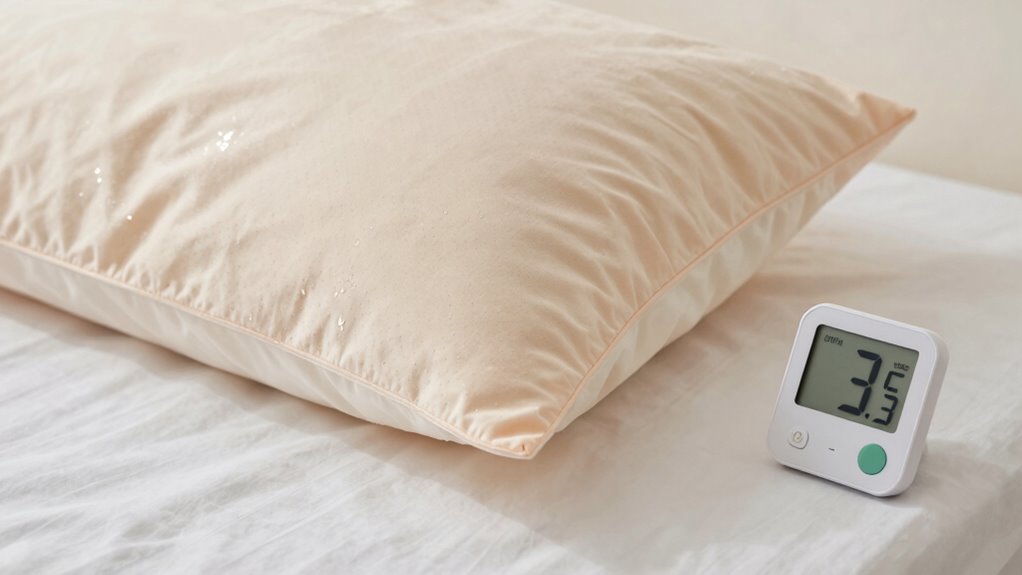
Your sleep environment plays a vital role in supporting the microclimate created by your fabric choices. To optimize your sleep, consider bedroom aromatherapy with calming scents like lavender to reduce stress and promote relaxation. Adjust your sleep position to improve airflow and reduce heat buildup, which can help maintain a comfortable temperature. Using pillows or supports that align your body properly can prevent overheating and sweating. Keep your room well-ventilated to regulate humidity and heat levels, and experiment with different fabric layers to find what feels best. Controlling temperature and humidity levels is key to creating an ideal microclimate for restful sleep. Small changes like dimming lights or using blackout curtains can also help create a more restful atmosphere. These adjustments work together to fine-tune your microclimate, helping you fall asleep faster and stay asleep longer.
What Are Common Sleep Disruptions From Microclimate Imbalances?

Microclimate imbalances in your sleep environment can directly lead to common disruptions that interfere with restful sleep. When heat, humidity, or fabric choices don’t align with your body’s needs, you might face issues like tossing and turning or waking up feeling unrefreshed. Poor bedroom feng shui can create stagnant air or uncomfortable temperatures, impacting your sleep position and comfort. These disruptions often include:
- Overheating or sweating due to high humidity
- Feeling chilled from cold microclimates
- Disrupted sleep caused by fabric irritation or stiffness
- Restlessness from imbalanced bedroom feng shui affecting energy flow
- Using smart gear like climate control devices can help monitor and maintain a stable sleep microclimate.
Addressing these imbalances can help you maintain a stable microclimate, fostering a more restful sleep environment and reducing disruptions caused by microclimate inconsistencies.
Tips for Maintaining the Perfect Sleep Environment
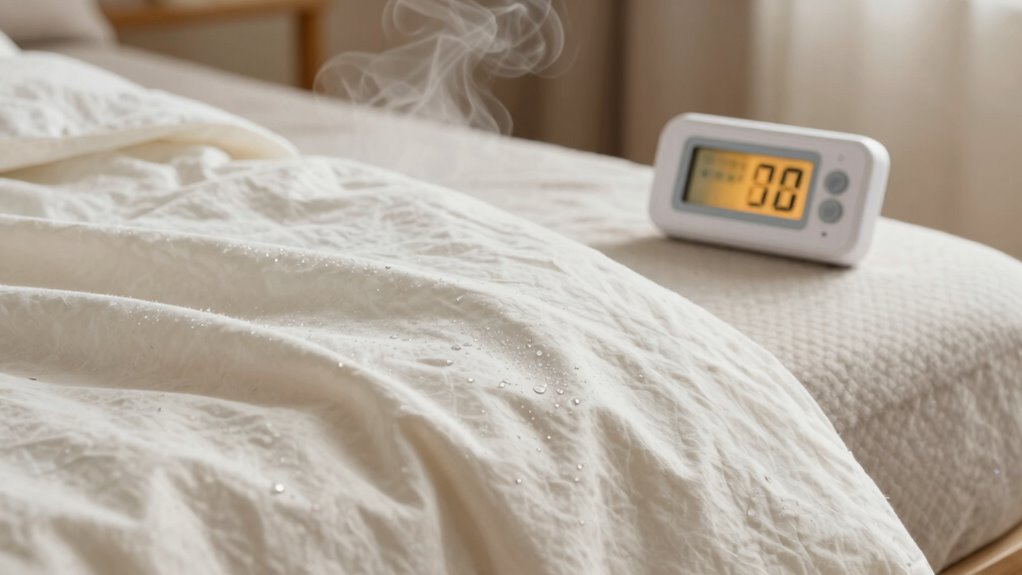
Creating and maintaining the perfect sleep environment requires paying close attention to temperature, humidity, and airflow to guarantee they support restful sleep. Adjust your bedroom lighting to be dim or blackout curtains, reducing disruptions and helping your body produce melatonin. Your sleep position also plays a role; aim for a neutral posture that keeps your airways open and prevents discomfort. Keep the room cool—around 60-67°F—and use breathable fabrics to regulate heat and moisture. Use fans or air purifiers to improve airflow and prevent stuffiness. Limit screen time before bed, as blue light can interfere with your circadian rhythm. By fine-tuning lighting, sleep position, and microclimate factors, you create an environment conducive to deep, restorative sleep.
Frequently Asked Questions
How Does Airflow Affect My Sleep Microclimate?
Airflow benefits your sleep comfort by helping regulate your microclimate, preventing overheating and reducing humidity buildup. When air moves around you, it disperses heat and moisture, keeping your skin cooler and drier. This creates a more comfortable sleeping environment, minimizes night sweats, and promotes deeper rest. So, ensuring good airflow in your sleep space can considerably enhance your overall sleep quality and microclimate balance.
Can Certain Fabrics Worsen Heat Retention at Night?
They say, “A chain is only as strong as its weakest link,” and the same applies to your sleep setup. Certain fabrics, like heavy or non-breathable ones, can worsen heat retention, especially when layered. These fabrics trap heat and humidity, creating breathability issues that make you sweat and overheat. To stay cool, choose lightweight, breathable materials like cotton or linen, and avoid thick, synthetic layers that lock in heat.
What Role Does Body Temperature Play in Sleep Quality?
Your body temperature plays a vital role in sleep quality because it affects your sleep temperature and body heat regulation. When your body can effectively cool down, you fall asleep faster and enjoy deeper, more restorative sleep. Conversely, if your body overheats or struggles to regulate heat, you may experience restless nights. Maintaining a comfortable sleep temperature helps your body naturally regulate heat and improves overall sleep quality.
How Do Seasonal Changes Impact Sleep Microclimate?
Seasonal changes considerably impact your sleep microclimate by causing temperature fluctuations and humidity shifts. You might need to make seasonal adjustments, like switching to lighter bedding in summer or adding layers in winter. These changes help regulate heat and moisture around your body, ensuring you stay comfortable and sleep well year-round. Paying attention to your environment allows you to adapt effectively, maintaining ideal sleep conditions regardless of the season.
Are There Specific Materials Best for Regulating Humidity?
Ever notice how some fabrics seem to keep you cooler and drier? That’s because moisture-wicking fabrics and breathable textiles are best for regulating humidity. They draw sweat away from your skin and allow air to circulate, preventing excess moisture buildup. Choosing these materials for sheets or pajamas can improve your sleep comfort, especially during humid nights. So, opt for lightweight, breathable fabrics to help maintain a balanced sleep microclimate and wake up refreshed.
Conclusion
Think of your sleep microclimate as a gentle breeze guiding you into restful slumber. When heat, humidity, and fabric work in harmony, your nights become a peaceful haven—like a cozy cocoon wrapped in just the right warmth and softness. Pay attention to these tiny details, and you’ll awaken refreshed, ready to embrace each new day. Creating this perfect environment isn’t just about sleep; it’s about nurturing your well-being, one comfortable night at a time.