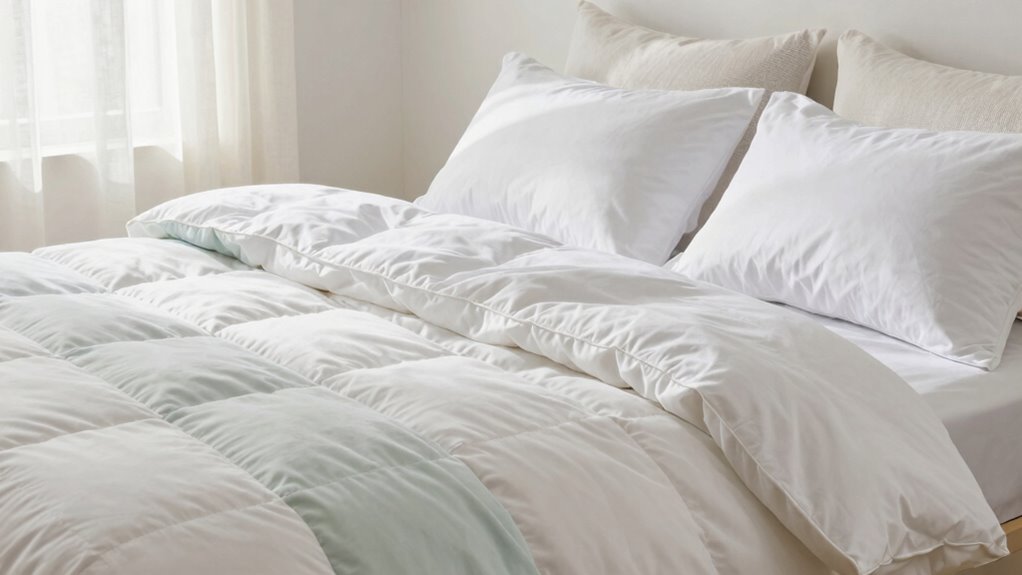

To stay cool as a hot sleeper, choose breathable fabrics like cotton, linen, or bamboo for bedding and sleepwear. Use a supportive, breathable mattress with cooling features like gel infusions or firmer support. Improve airflow with fans and proper room placement, keep humidity low with dehumidifiers, and add cooling accessories like toppers or pads. Organizing your space and selecting the right devices can make a big difference—you’ll find tips to optimize your sleep environment below.
Key Takeaways
- Choose breathable fabrics like cotton, linen, bamboo, or Tencel for bedding and sleepwear to enhance airflow and moisture-wicking.
- Opt for a mattress with breathable materials, cooling gels, or ventilation features, and add gel-infused toppers or pillows for extra cooling.
- Position fans strategically near windows and keep the bed away from heat sources to improve cross-ventilation and airflow.
- Manage humidity with dehumidifiers, natural ventilation, and moisture-absorbing materials to prevent dampness and heat retention.
- Use cooling accessories such as gel pillows, cooling pads, and portable fans to actively reduce heat buildup during sleep.

PHF Cooling Waffle Blanket Queen Size, Lightweight 60% Rayon from Bamboo & 40% Cotton Breathable Blanket for Hot Sleepers, Spring & Summer Use, Soft Luxury for Bed Couch Sofa, 90"x90", Linen
Breathable & Moisture-Wicking: Ideal for hot sleepers, this blanket offers natural cooling, breathability and moisture-wicking to keep you…
As an affiliate, we earn on qualifying purchases.
As an affiliate, we earn on qualifying purchases.
What Are the Best Breathable and Cooling Bedding Materials?
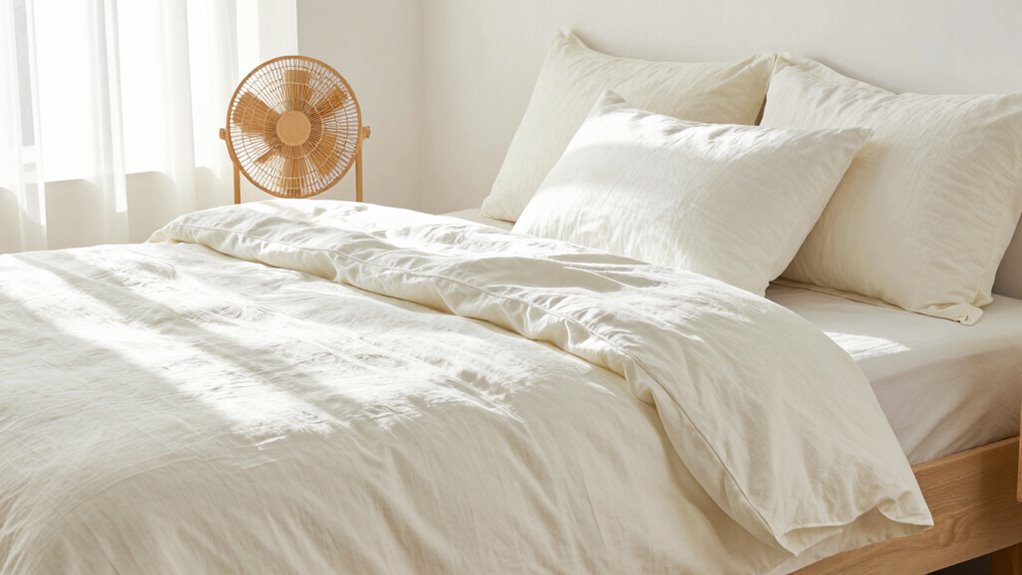
When it comes to staying cool and comfortable throughout the night, choosing breathable and cooling bedding materials is essential. Your sleep surface plays a big role in temperature regulation, so selecting the right bedding materials can make a difference. Look for options like cotton, linen, and bamboo, which are known for their breathability and moisture-wicking properties. These materials help air circulate around your body, preventing heat buildup and reducing sweat. Avoid heavy, synthetic fabrics like polyester or fleece, which trap heat and retain moisture. Instead, opt for lightweight, natural fibers that promote airflow and keep you cooler. By choosing the right bedding materials, you create a sleep surface that encourages better airflow, helping you stay comfortable all night long.

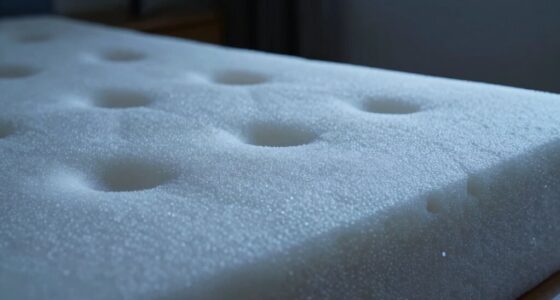
Novilla Queen Size Mattress, 12 inch Gel Memory Foam Mattress for a Cool Sleep & Pressure Relief, Medium Firm Feel with Motion Isolating, Bliss
General Note: Please allow 24 – 72 hours for your Mattress to regain its full shape. Any memory…
As an affiliate, we earn on qualifying purchases.
As an affiliate, we earn on qualifying purchases.
How Do I Choose a Mattress That Keeps Me Cool?
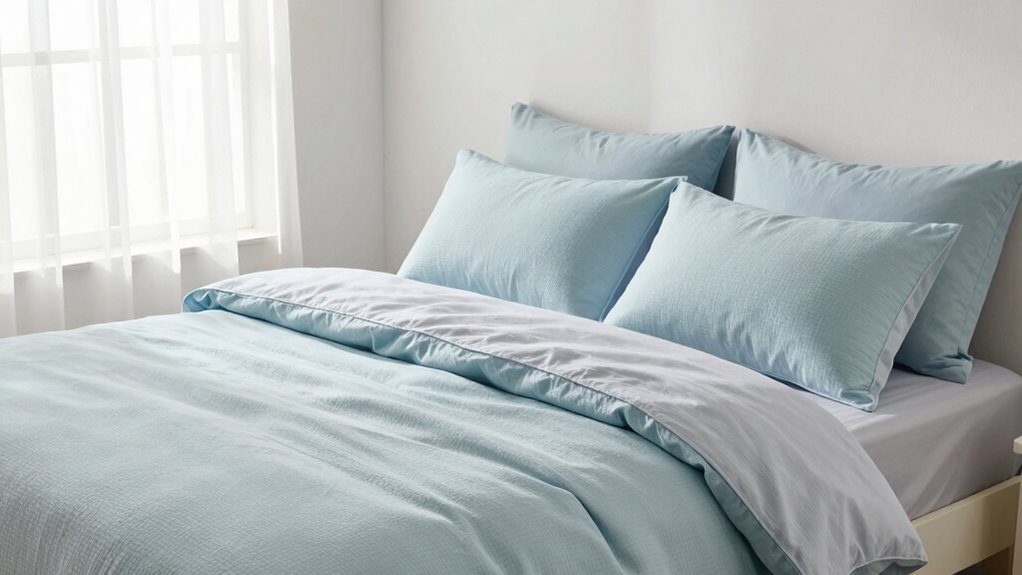
Choosing a mattress that keeps you cool requires focusing on materials and construction designed for airflow and heat dissipation. Memory foam mattresses often trap heat unless they incorporate cooling gels or breathable infusions. Look for options labeled as cooling or breathable, which typically use open-cell designs or gel infusions to promote airflow. Mattress firmness also plays a role; softer mattresses may conform more closely to your body, trapping heat, while firmer options can prevent excessive heat buildup by reducing surface contact. Consider a medium-firm or firmer mattress if you tend to sleep hot. Ventilation considerations are also crucial in creating a cooler sleep environment. Additionally, integrating innovative cooling technologies into your bedding setup can further enhance heat regulation during sleep. Incorporating AI-driven temperature regulation systems can optimize your sleep climate for maximum comfort. Proper bedding choices such as breathable sheets and lightweight blankets can also make a significant difference in maintaining a cool sleeping surface.
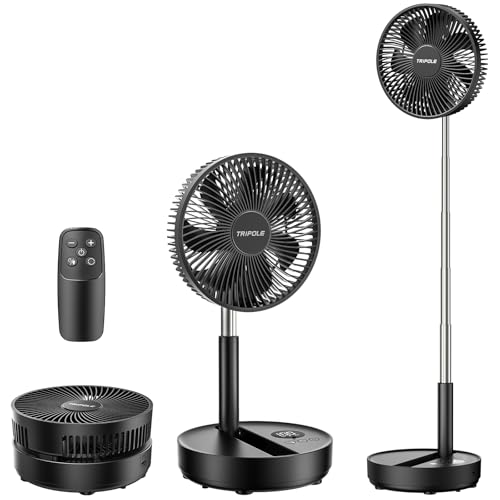
TriPole Portable Standing Fan, 8000mAh Rechargeable Oscillating Fan with Remote, 8.1'' Quiet Pedestal Floor Fan with LED Display & Timer, Foldable Small Desk Fans for Bedroom, Office, Camping, Travel
Long-Lasting & LED Display: Built in 8000 mAh battery, this rechargeable fan can last 2.5-28.5H depend on different…
As an affiliate, we earn on qualifying purchases.
As an affiliate, we earn on qualifying purchases.
How Can I Improve Bedroom Airflow With Fans?
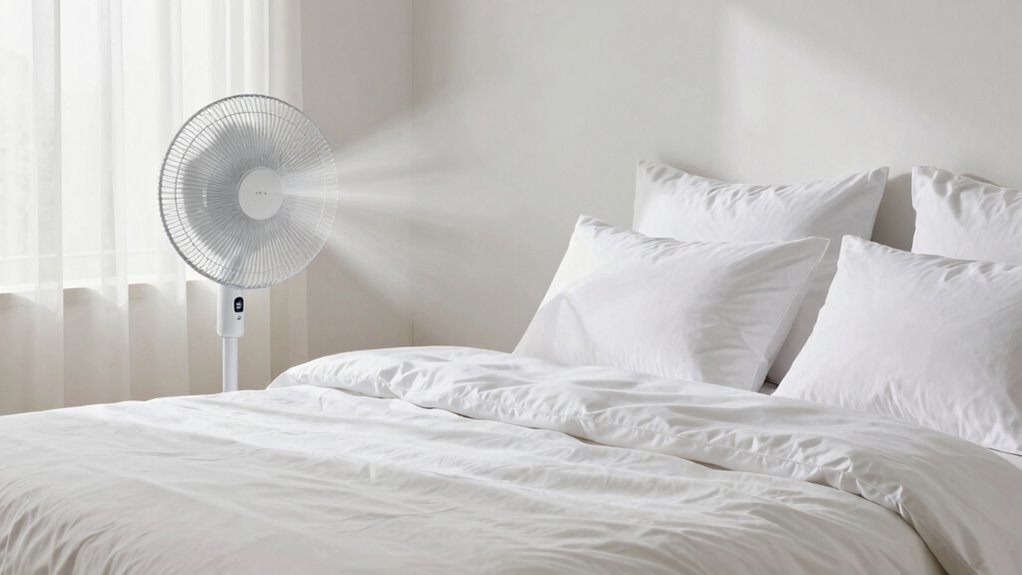
Improving bedroom airflow with fans is an effective way to stay cool and enhance sleep comfort. Proper fan placement is key; position fans near windows to promote air exchange, drawing in fresh air and expelling warm indoor air. Use oscillating fans to circulate air throughout the room evenly, preventing hot spots. Placing a fan across from a window can help create a cross-breeze, boosting overall airflow. If possible, set up a ceiling fan to keep air moving overhead, reducing temperature buildup. Remember, consistent air exchange prevents stagnant air, which can trap heat and humidity. Adjust fan speed and direction as needed to optimize airflow without creating drafts that might disturb your sleep. Proper fan placement ensures a cooler, more comfortable sleeping environment. Additionally, understanding navigation and mapping can help optimize the placement of fans and other smart home devices for better airflow control. Integrating smart home technology can further enhance airflow management by allowing you to control fans remotely and automate circulation patterns. Being aware of air quality factors can also help you identify when additional ventilation or air purifiers are necessary to maintain a healthy sleeping environment. Utilizing airflow sensors can provide real-time data to optimize fan operation automatically. For example, monitoring indoor humidity levels can help prevent excessive moisture, which affects comfort and air quality.
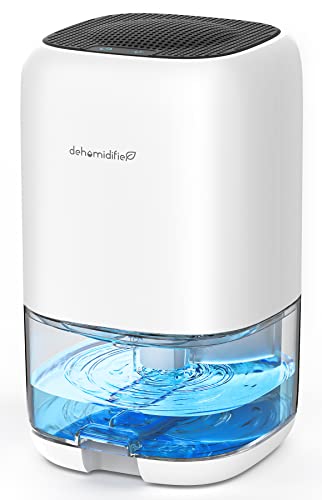
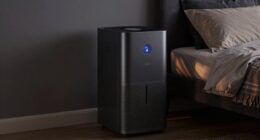
Dehumidifier, 35 OZ Small Dehumidifiers for Bedroom for Home, Quiet with Auto Shut Off, Dehumidifiers for Bedroom (280 sq. ft), Bathroom, RV, Closet, White
High Efficient Dehumidifiers for Home: Still annoyed about the muggy weather? Just Take it easy! have a try…
As an affiliate, we earn on qualifying purchases.
As an affiliate, we earn on qualifying purchases.
Are Mattress Toppers and Cooling Pads Worth Using?

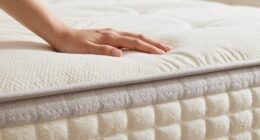
Mattress toppers and cooling pads can boost your comfort and support while helping you stay cooler all night. They often improve temperature regulation, making hot sleeping less frustrating. Are these accessories worth trying to enhance your sleep experience? Proper ventilation and airflow in your bedroom can also significantly impact your indoor temperature and overall sleep quality. Incorporating high-performance materials designed for breathability can further improve your sleep environment, especially when integrated with connected fitness technology that monitors and optimizes sleep conditions. Additionally, selecting breathable fabrics for bedding can further enhance airflow and help regulate temperature throughout the night. Using specialized bedding materials that promote airflow can also make a noticeable difference in hot sleeping conditions.
Enhanced Comfort and Support
Adding a mattress topper or cooling pad can considerably boost your sleep comfort and support, especially if your current mattress isn’t quite meeting your needs. These accessories help improve your sleep posture by providing additional cushioning or firmness where needed, making it easier to maintain proper spinal alignment. If your mattress feels too soft or too firm, a topper can fine-tune its firmness to better suit your preferences, reducing pressure points and discomfort. For hot sleepers, some cooling pads also add an extra layer of comfort by dissipating heat, ensuring you stay cool throughout the night. Incorporating home energy considerations can further enhance your sleep environment by optimizing temperature regulation and overall comfort. Additionally, selecting breathable materials can significantly improve airflow and moisture-wicking, contributing to a cooler sleep experience. Choosing bedding materials that promote airflow and moisture control can make a notable difference in your sleep quality. Using breathable fabrics in your bedding can help enhance overall airflow and temperature regulation. Overall, investing in these accessories can enhance overall support, making your bed more tailored to your sleeping style and helping you wake up refreshed. Incorporating comfortable sleep environment strategies can further optimize your rest quality.
Temperature Regulation Benefits
If you’re a hot sleeper, using a mattress topper or cooling pad can make a significant difference in maintaining a comfortable sleep environment. These accessories leverage cooling technology to reduce heat buildup and improve airflow, helping you stay cooler throughout the night. Mattress toppers with gel-infused or breathable materials draw heat away from your body, enhancing temperature regulation. Cooling pads often feature discreet fans or phase-change materials that actively manage heat, preventing overheating. By incorporating these products into your bedding, you create a more consistent and comfortable sleep environment, which can lead to deeper, more restful sleep. Overall, investing in temperature regulation tools like toppers and pads is a smart move for hot sleepers seeking relief from night sweats and heat buildup. Incorporating temperature regulation technology devices that focus on temperature regulation can further optimize your sleep environment. Additionally, choosing products with breathable materials can significantly improve airflow and comfort throughout the night, especially when combined with proper airflow management techniques. Understanding how airflow and ventilation can impact sleep comfort is essential for hot sleepers aiming for better rest.
What Sleepwear Helps Hot Sleepers Stay Cool?
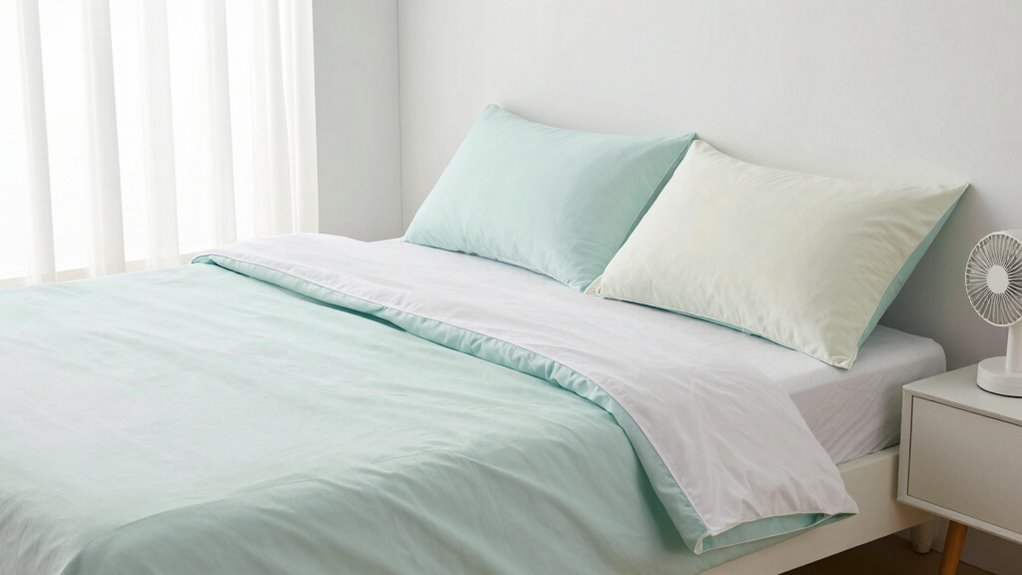
Choosing breathable fabrics like cotton or linen allows air to flow and keeps you cooler overnight. Wearing loose-fitting sleepwear can help prevent heat from trapping against your skin. Opt for styles that are comfortable and not restrictive to maximize your chances of staying cool all night.
Breathable Fabric Choices
When it comes to staying cool during hot nights, selecting sleepwear made from breathable fabrics can make all the difference. Opt for moisture-wicking fabrics that draw sweat away from your skin, keeping you dry and comfortable. Lightweight textiles are essential—they promote airflow and prevent overheating. Choosing the right materials helps regulate your body temperature, so you wake up feeling refreshed instead of sticky or clammy. Here’s a quick comparison of popular breathable options:
| Fabric Type | Benefits |
|---|---|
| Cotton | Natural, soft, excellent airflow |
| Linen | Lightweight, moisture-wicking |
| Bamboo | Breathable, antimicrobial |
| Tencel (Lyocell) | Smooth, moisture management |
| Modal | Soft, quick-drying |
Sticking to these fabrics helps hot sleepers stay cool all night.
Loose Fit and Style
Opting for sleepwear with a loose fit and minimal fabric clinging to your skin allows better airflow and helps prevent overheating. Loose fit bedding and relaxed sleepwear enable heat to escape and air to circulate around your body. To stay cool, consider these options:
- Choose relaxed sleepwear made from breathable fabrics like cotton or linen.
- Avoid tight-fitting pajamas that trap heat and restrict airflow.
- Opt for lightweight, loose fit bedding that doesn’t cling to your skin, promoting ventilation.
Wearing loose fit clothing helps regulate your temperature throughout the night. Prioritizing relaxed sleepwear and loose bedding creates a cooler, more comfortable sleeping environment for hot sleepers.
How Can I Control Humidity for a Cooler Sleep?
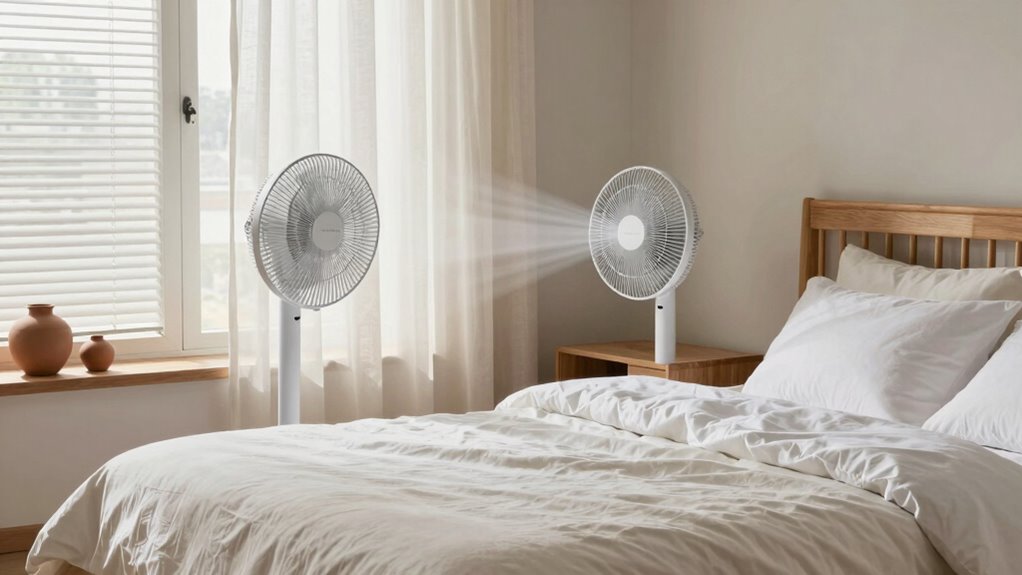
Ever notice how high humidity makes your sleeping environment feel stuffy and uncomfortable? To control humidity, start with humidifier maintenance—regularly clean your device to prevent mold and guarantee it functions properly. This keeps moisture levels balanced without adding excess dampness. Additionally, embrace natural dehumidification by opening windows when weather permits, or using moisture-absorbing materials like silica gel packs or charcoal briquettes in your room. Using a dehumidifier is another effective option, especially in humid climates. These methods help lower indoor moisture, preventing that sticky feeling and promoting a cooler, more comfortable sleep environment. By managing humidity levels carefully, you’ll wake up feeling refreshed and less weighed down by excess moisture.
How Do I Position My Bed and Arrange My Room for Better Cooling?
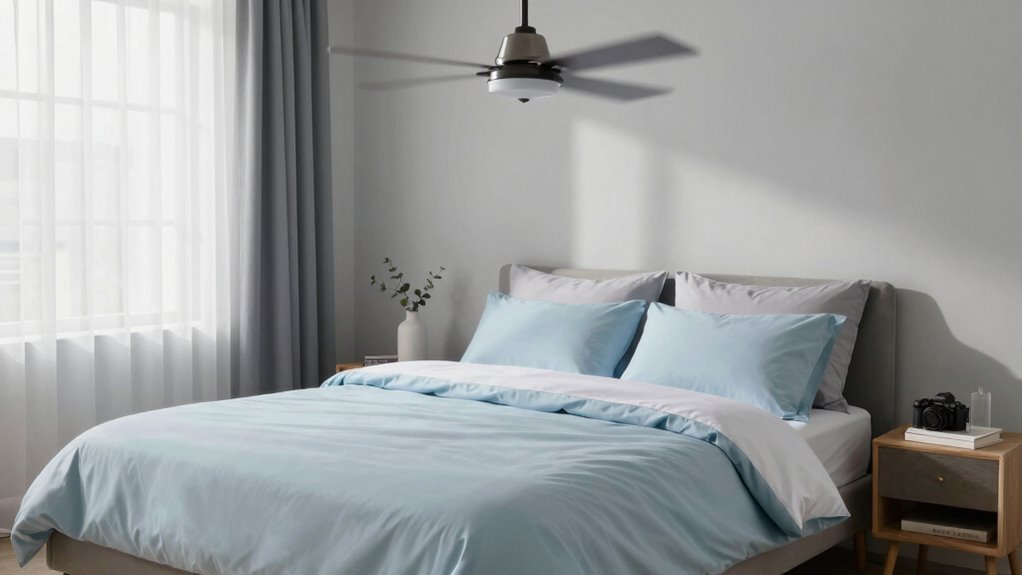
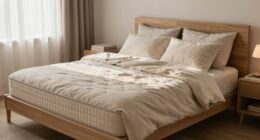
To maximize cooling, you should position your bed in a spot that promotes airflow and minimizes heat buildup. Proper bed placement and thoughtful room layout can make a significant difference in staying cool at night. Here are three tips:
- Place your bed away from windows and heat sources to avoid direct sunlight and warm air.
- Position your bed near a fan or vent to encourage airflow around your sleeping area.
- Keep pathways clear and avoid clutter that traps heat, ensuring better circulation and a cooler environment.
Which Cooling Devices and Accessories Can Make a Difference?

Using the right cooling devices and accessories can considerably improve your sleep comfort. A cooling pillow helps regulate your head’s temperature, preventing overheating and sweating throughout the night. Sleep cooling devices, such as portable fans, personal air conditioners, or cooling pads, boost airflow and lower room temperatures, creating a more comfortable environment. Mattress toppers with cooling gel or breathable materials can also reduce heat buildup. These accessories work together to maintain a cooler body temperature and prevent night sweats. Investing in quality sleep cooling devices ensures you stay comfortable, especially during hot weather. Combining a cooling pillow with these devices maximizes airflow and heat dissipation, helping you fall asleep faster and enjoy a restful, cooler night’s sleep.
Frequently Asked Questions
What Are the Signs I’M Sleeping Too Hot at Night?
If you’re sleeping too hot at night, you’ll notice frequent tossing and turning, waking up sweaty, or feeling unrefreshed. Your sleep position might be causing heat buildup, especially if you tend to stay in one position too long. Also, bedding texture plays a role—thick, non-breathable sheets trap heat. Pay attention to these signs, and consider adjusting your sleep setup for cooler, more comfortable nights.
How Does Body Temperature Influence Sleep Quality?
Think of your body as a finely tuned thermostat, where thermal regulation dances to keep your sleep comfort in harmony. When your body temperature rises, it signals your internal system to cool down, but if this process falters, restless nights ensue. Proper thermal regulation guarantees you stay in that sweet spot, helping you fall asleep faster and enjoy deeper, more restorative sleep, free from the heat’s disruptive influence.
Can Certain Fabrics Worsen Heat Retention During Sleep?
Yes, certain fabrics can worsen heat retention during sleep. Non-breathable fabrics trap heat and moisture, making you feel hotter. Avoid heavy, synthetic materials and opt for breathable fabrics like cotton or linen. Moisture-wicking textiles help keep sweat away from your skin, promoting better airflow and cooling. By choosing bedding made from these materials, you’ll stay more comfortable and reduce nighttime overheating, improving your overall sleep quality.
What Natural Remedies Can Help Regulate Body Temperature?
To help regulate your body temperature naturally, try drinking herbal teas like chamomile or peppermint, which can cool you down. You can also give yourself a cooling massage with peppermint or eucalyptus oil, focusing on your neck, wrists, and temples. These remedies promote relaxation and help lower your body heat, making it easier to sleep comfortably. Incorporate these practices into your nightly routine for better temperature control.
How Often Should I Replace Cooling Bedding Materials?
You should replace your cooling bedding materials every 1 to 2 years to maintain fabric breathability and cooling technology effectiveness. Over time, fabrics can lose their breathability, reducing airflow and heat regulation. Regularly check for signs of wear, such as thinning or pilling, and upgrade when cooling features diminish. This guarantees you stay comfortable and cool during hot nights, maximizing the benefits of your cooling bedding.
Conclusion
To stay cool all night, try combining breathable bedding, strategic airflow, and the right cooling accessories. For example, Sarah switched to moisture-wicking sheets and used a fan with her window open, and she noticed her sleep improved markedly. By making a few simple adjustments, you can create a cooler, more comfortable sleep environment. Experiment with these tips to find what works best for you and wake up feeling refreshed every morning.