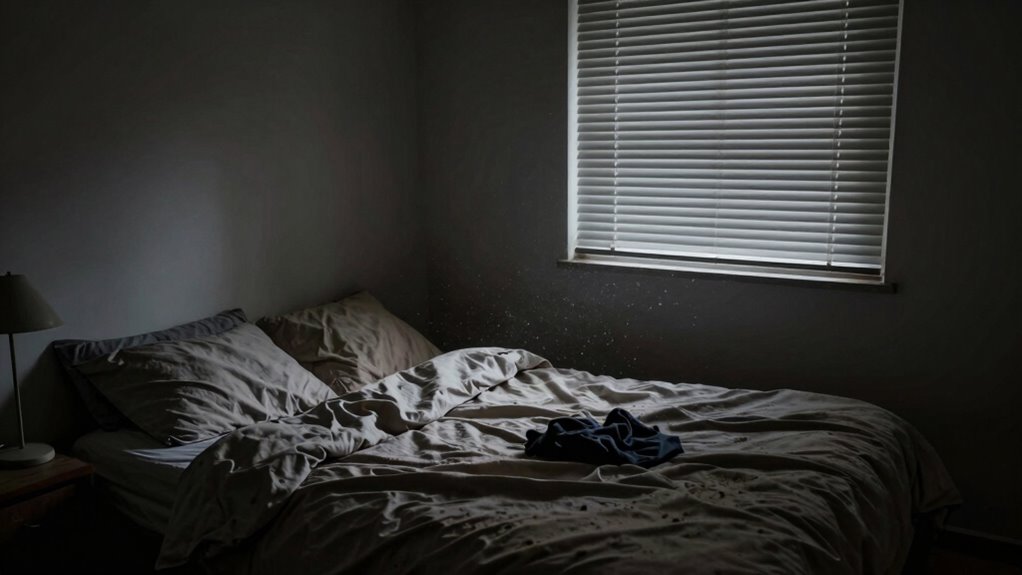

At night, your bedroom air feels dirtier because airborne pollutants and allergens build up while you sleep, especially with limited ventilation. Stillness prevents pollutants like dust, pollen, and pet dander from dispersing, causing them to settle on surfaces and stay suspended in the air. This buildup becomes more noticeable as dust and irritants accumulate over time. If you want to understand how to reduce this, keep exploring ways to improve your indoor air quality.

Get home appliances delivered free with Prime
- Fast, free delivery on millions of items
- Prime Video, Amazon Music and more included
- Member-only deals all year
Key Takeaways
- Airborne pollutants and allergens accumulate overnight due to limited ventilation and stillness.
- Dust and allergens settle on surfaces but are resuspended during sleep movements, increasing airborne particles.
- Air quality sensors often detect spikes in particulates during early morning hours, indicating worsened conditions.
- Natural breathing patterns draw in more particles, while lack of airflow traps pollutants indoors.
- Regular cleaning and air purification help reduce the buildup and improve air quality during sleep.
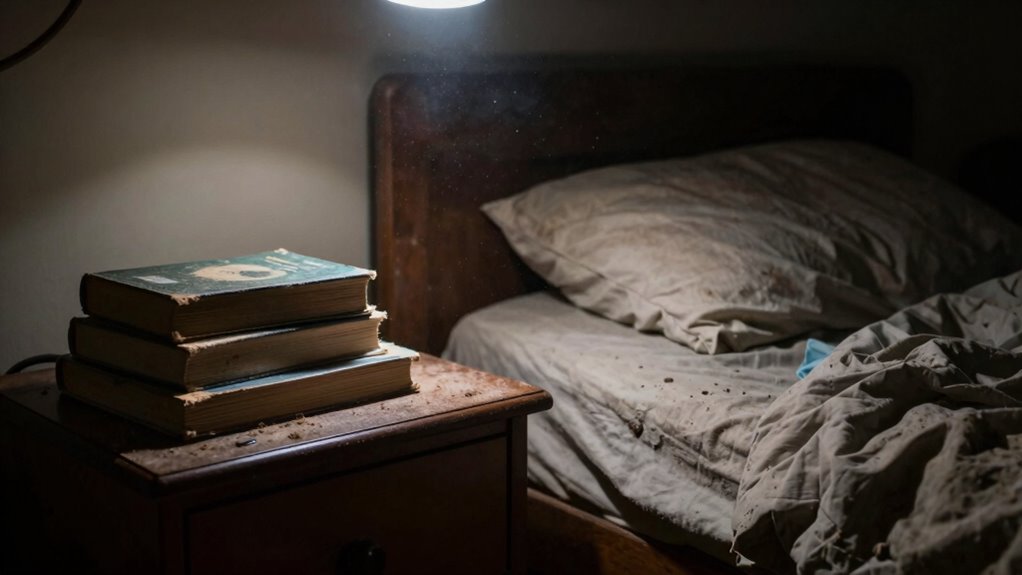
You might notice that your bedroom air feels dirtier at night, and there’s a simple reason behind it: as you spend hours sleeping, airborne pollutants and allergens can amass, making the air seem more contaminated. When you’re asleep, you’re less likely to ventilate the room by opening windows or turning on fans, so pollutants tend to accumulate quietly. Over time, this dust buildup on surfaces and in the air becomes more noticeable, especially in the stillness of night.
One key factor is the role of air quality sensors. These devices can help you understand exactly how dirty your air gets overnight. Many modern air quality sensors can detect small particles, VOCs, and other pollutants, giving you real-time feedback on your room’s air quality. Without these sensors, it’s easy to underestimate how much dust, pet dander, and other allergens gather while you sleep. When you check sensor readings, you’ll often see a spike in particulate levels in the early morning hours, confirming that your room isn’t as clean as you might think.
Air quality sensors reveal morning spikes in dust and pollutants, showing how your bedroom air accumulates overnight.
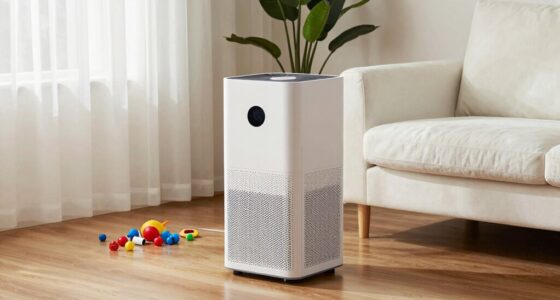
Dust buildup is a major culprit. Dust isn’t just visible dirt; it’s a mixture of dead skin cells, fibers, pollen, pet dander, and even tiny fabric fibers from your bedding or curtains. During the night, these particles settle on surfaces and become suspended in the air due to movement or disturbance. As you breathe, you inhale this dust, which can irritate your respiratory system or trigger allergies. The longer you sleep without cleaning or ventilating, the thicker this layer of dust becomes, further degrading the air quality. Additionally, airborne pollutants can settle into these dust particles, making the air even more contaminated over time. Proper ventilation during sleep can help reduce this buildup and improve air quality. Incorporating air purifiers can also effectively filter out many of these airborne contaminants, especially in rooms with limited airflow.
Another factor is that your body’s natural breathing pattern during sleep influences dust and pollutant dispersal. When you breathe slowly and deeply, you draw in more particles from the surrounding air. Without proper airflow or air purification, these pollutants linger, making the air feel dirtier by morning. Additionally, your bedding can trap dust and allergens, releasing them into the air when disturbed during the night. Regular cleaning of sheets, pillowcases, and mattress covers can greatly reduce dust buildup, but without active ventilation or air purifiers, pollutants tend to remain. In fact, studies show that air quality can fluctuate significantly throughout the night, highlighting the importance of continuous air management.
In addition, using air quality sensors can help you monitor and identify the specific pollutants accumulating in your bedroom, enabling targeted improvements.
In essence, the combination of dust accumulation, limited airflow, and the natural build-up of airborne particles explains why your bedroom air often feels dirtier at night. Using air quality sensors helps you see this process clearly, so you can take steps—like improving ventilation or adding air purifiers—to maintain fresher, cleaner air while you sleep.
As an affiliate, we earn on qualifying purchases.
Frequently Asked Questions
Can Sleeping Positions Affect Indoor Air Quality?
Sleeping positions can influence indoor air quality by affecting air circulation around your body. When you stay in one position for a long time, your bedding materials, like pillows and sheets, trap dust, allergens, and moisture, which can worsen air quality. Changing positions helps promote better airflow, reducing the buildup of allergens. Using breathable bedding materials also minimizes trapped dust and moisture, keeping your bedroom air cleaner at night.
Does Using a Fan Improve Bedroom Air Cleanliness?
Using a fan can help improve your bedroom air cleanliness, but only if it’s paired with an air purifier and humidity control. Imagine the fan as a gentle breeze clearing away invisible dust, pollen, and odors. It circulates air, preventing stagnation. However, without an air purifier, some particles stay. Humidity control ensures mold and bacteria don’t thrive, making your room fresher and healthier overnight.
Are Houseplants Beneficial for Nighttime Air Quality?
Houseplants can be beneficial for nighttime air quality because they support plant detox by absorbing toxins and releasing oxygen. Soil bacteria in the pots help break down pollutants, improving air purity. During the night, plants continue to detoxify your room, making the air feel fresher. Keep in mind, however, that their impact is modest, so combining plants with good ventilation offers the best results for cleaner bedroom air.
How Do Bedroom Scents Impact Air Cleanliness?
Bedroom scents can influence your perception of air cleanliness, but they don’t reduce airborne pollutants. Strong fragrances may mask odors, making the air seem fresher, yet they don’t eliminate airborne pollutants like dust, pet dander, or mold spores. Overuse of scent masking products can even irritate your respiratory system, especially at night. To improve air quality, prioritize ventilation and air purifiers over relying solely on scented products.
Is It Safe to Sleep With Windows Open Overnight?
Sleeping with your windows open overnight can be safe if you consider air filtration and dust accumulation. Open windows help improve airflow and reduce indoor pollutants, but they also let in outdoor dust, pollen, and insects. To stay safe, guarantee proper air filtration with a clean air purifier, and avoid open windows during high pollen seasons or in areas with high pollution. Regular cleaning minimizes dust buildup and keeps your air fresh.
As an affiliate, we earn on qualifying purchases.
Conclusion
As night falls, the air in your bedroom whispers secrets, thickening with unseen particles that cling to your skin and breathe into your lungs. You might feel the heaviness settle around you, like a shadow you can’t shake. But now you know—those invisible pollutants are quietly at work, making the air seem dirtier than it appears. Sleep peacefully, knowing you can turn on a fan or open a window to invite fresh, cleansing air back into your sanctuary.
bedroom air purifier with VOC filter
As an affiliate, we earn on qualifying purchases.
As an affiliate, we earn on qualifying purchases.
As an affiliate, we earn on qualifying purchases.
NFL season / tailgating Picks
team gear
As an affiliate, we earn on qualifying purchases.