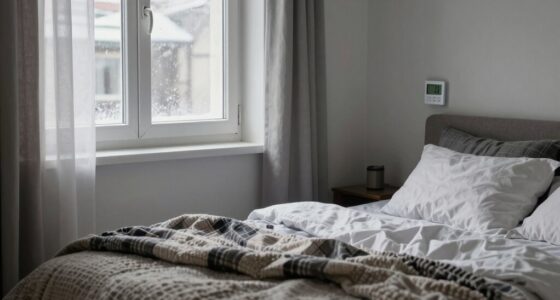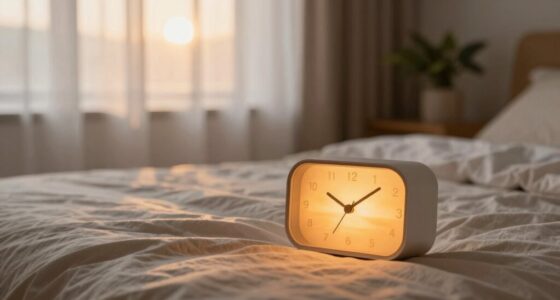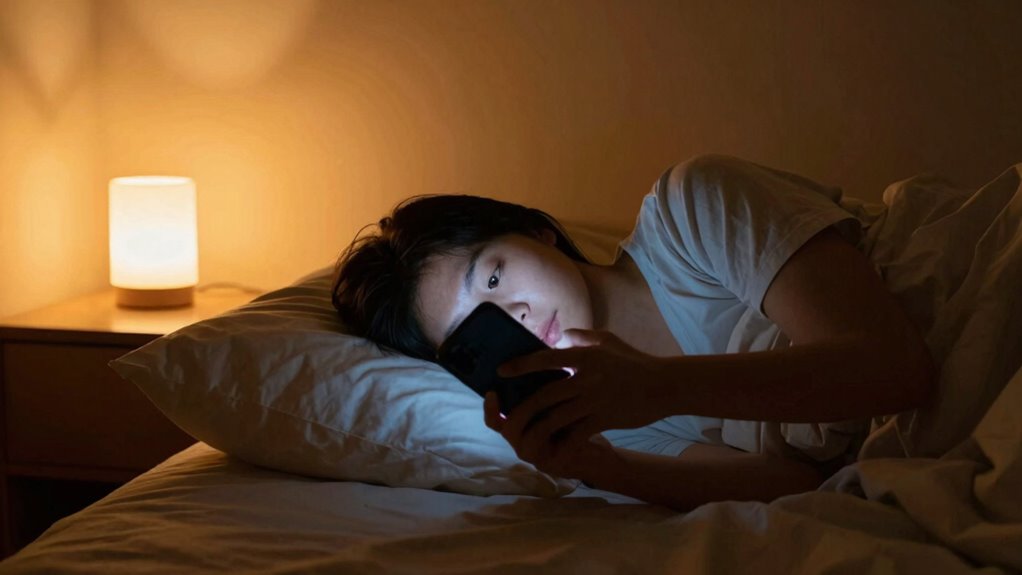

When you expose yourself to light before bed, it disrupts your body’s internal clock, making it harder to fall asleep and feel comfortable. Bright or blue light suppresses melatonin, the hormone that signals sleep readiness, leading to lighter, restless sleep. Over time, this can cause fatigue, mood issues, and decreased daytime alertness. Small changes in how you manage light can markedly improve your sleep environment—stay with us to discover simple ways to enhance your rest.

Get home appliances delivered free with Prime
- Fast, free delivery on millions of items
- Prime Video, Amazon Music and more included
- Member-only deals all year
Key Takeaways
- Light before bed suppresses melatonin, making it harder to fall asleep and causing discomfort.
- Exposure to blue or bright light delays the circadian rhythm, leading to restless, lighter sleep.
- Disrupted sleep cycles result in less restorative rest, increasing daytime fatigue and mood issues.
- Poor sleep quality due to light exposure can cause cognitive impairment and reduced overall well-being.
- Managing evening light improves sleep comfort by supporting natural circadian processes and melatonin production.
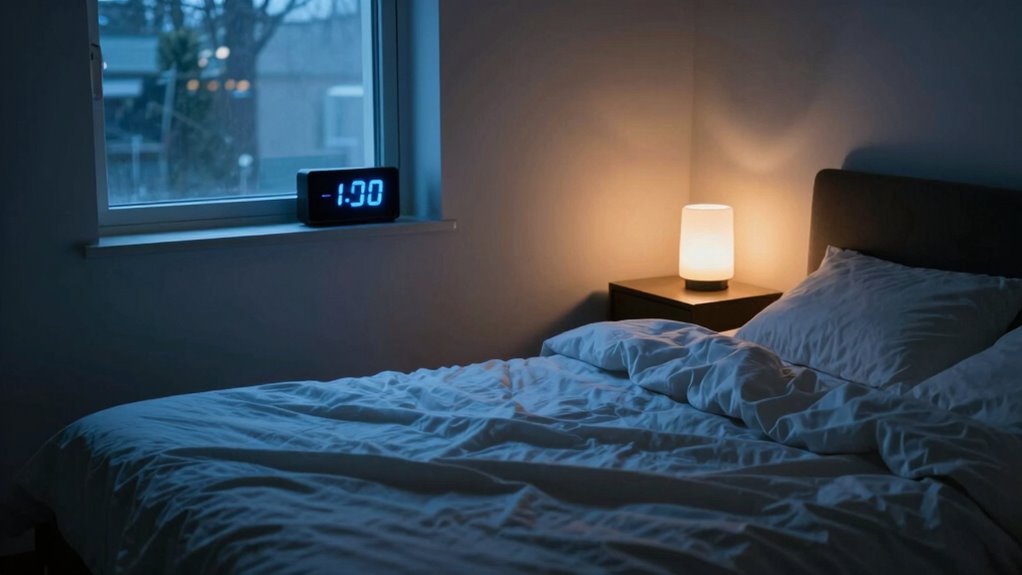
Exposing yourself to light before bed can considerably impact your comfort and sleep quality. When you turn on your phone, TV, or any bright light source late at night, you disrupt your body’s natural clock—the circadian rhythm. This internal process regulates your sleep-wake cycle, signaling when it’s time to be alert and when it’s time to wind down. Light exposure during the evening shifts this rhythm, making it harder for you to fall asleep and stay asleep throughout the night.
One of the key ways light affects your sleep is through melatonin suppression. Melatonin is a hormone your body produces in response to darkness, signaling to your brain that it’s time to prepare for sleep. When you’re exposed to bright or blue light before bed, your brain perceives it as daytime, and melatonin production drops. This suppression delays the onset of sleep, making it seem like it’s not yet time to rest, even if you’re physically tired. As a result, you might find yourself tossing and turning longer, waking up feeling less refreshed, or experiencing fragmented sleep.
Your comfort during sleep is closely tied to how well your circadian rhythm remains in sync with your environment. When this rhythm is thrown off, your body struggles to transition smoothly from wakefulness to sleep. You might notice increased difficulty falling asleep, lighter sleep, or feeling groggy upon waking. Light exposure before bed doesn’t just make it harder to fall asleep; it can also diminish sleep quality, leading to less restorative rest. Over time, this disruption can cause fatigue, mood disturbances, and decreased cognitive performance during the day. Additionally, light exposure can affect other bodily functions that rely on circadian cues, further impacting overall health. Maintaining proper light hygiene habits in the evening can significantly improve your sleep quality and overall well-being.
Research indicates that consistent exposure to light at inappropriate times can also influence your body’s internal clock and disrupt various biological processes, emphasizing the importance of managing light exposure in the evening. Creating a dark, calming environment signals to your body that it’s time to wind down, promoting quicker sleep onset and deeper rest. Small adjustments, such as dimming lights and avoiding screens, can greatly enhance your sleep environment. It is also beneficial to understand how light pollution can interfere with natural circadian rhythms, even indoors. Remember, your body’s internal clock is sensitive, and small changes in your evening habits can make a significant difference in your overall sleep quality and daytime comfort.
blue light blocking glasses for sleep
As an affiliate, we earn on qualifying purchases.
As an affiliate, we earn on qualifying purchases.
Frequently Asked Questions
How Does Light Exposure Influence Melatonin Production?
Light exposure before bed suppresses melatonin production, making it harder for you to fall asleep. Bright screens emit blue light, which causes melatonin suppression and leads to circadian disruption, throwing off your internal clock. When your melatonin levels stay low, you might experience restless nights and reduced sleep quality. To improve your sleep comfort, minimize exposure to artificial light at least an hour before bedtime.
Can Screen Time Before Bed Cause Long-Term Sleep Issues?
Yes, screen time before bed can cause long-term sleep issues. Blue light from screens disrupts your circadian rhythm, making it harder for your body to recognize when it’s time to sleep. Over time, this interference can lead to chronic sleep problems, affecting your mood, focus, and overall health. To protect your sleep, try limiting screen use at least an hour before bed and consider using blue light filters.
What Types of Light Are Most Disruptive Before Sleep?
Blue light from screens and artificial illumination disrupts your sleep more than you realize, messing with your melatonin levels and throwing off your entire night. It’s like shining a spotlight on your brain’s sleep signals, making it impossible to relax. The most disruptive lights are the bright, cool-toned ones from phones, tablets, and LED bulbs. Cut them out at least an hour before bed to reclaim your restful sleep.
Does Light Exposure Affect Sleep Quality Differently for Adults and Children?
Yes, light exposure affects sleep quality differently for adults and children because of differences in circadian rhythms and photoreceptor sensitivity. Children’s circadian rhythms are more sensitive to light, especially blue wavelengths, which can delay melatonin production more than in adults. As a result, children may experience greater disruptions in sleep patterns from evening light exposure, making it essential to minimize light before bed to support healthy sleep for both age groups.
How Can I Reduce Light Exposure Before Bedtime Effectively?
You can reduce light exposure before bedtime by improving your sleep environment. Switch to dim or warm-colored light bulbs in your bedroom, and avoid screens at least an hour before bed. Use blackout curtains or a sleep mask to block out external light. These steps help signal your body it’s time to wind down, making it easier to relax and fall asleep comfortably.
As an affiliate, we earn on qualifying purchases.
Conclusion
Before bed, the glow of your screen might seem harmless, but it’s like a silent thief stealing your comfort. While you chase relaxation, that bright light fights to keep you awake, disrupting your peace. Think of it as a paradox: the very illumination meant to entertain can sabotage your comfort and rest. So, dim the lights and embrace the quiet darkness — it’s the gentle ally your sleep desperately needs.
As an affiliate, we earn on qualifying purchases.
sleep environment blackout curtains
As an affiliate, we earn on qualifying purchases.
As an affiliate, we earn on qualifying purchases.
NFL season / tailgating Picks
team gear
As an affiliate, we earn on qualifying purchases.