

To prepare for daylight saving time, gradually shift your bedtime and wake time by 15-minute increments a few days before the change. Increase exposure to natural light during the day and avoid screens, caffeine, and heavy meals close to bedtime. Create a calming sleep environment with blackout curtains and comfortable bedding. Establish a relaxing routine to signal your body it’s time to sleep. Keep adjusting and fine-tuning your habits as you get closer—learn more to master your sleep schedule.
Key Takeaways
- Gradually shift your bedtime and wake-up time by 15-minute increments several days before the change.
- Increase exposure to natural light during the day to help reset your circadian rhythm.
- Maintain consistent sleep and wake times, even during the transition, to stabilize your sleep schedule.
- Avoid caffeine, heavy meals, and screens at least 15-60 minutes before bedtime.
- Optimize your sleep environment with darkness, a comfortable temperature, and minimal noise for better rest.

NICETOWN Pitch Black Solid Thermal Insulated Grommet Blackout Curtains/Drapes for Bedroom Window (2 Panels, 42 inches Wide by 63 inches Long, Black)
READY MADE: Package only includes 2 blackout curtain panels, each 42" wide x 63" long when fully spread,…
As an affiliate, we earn on qualifying purchases.
As an affiliate, we earn on qualifying purchases.
How Daylight Saving Time Affects Your Sleep
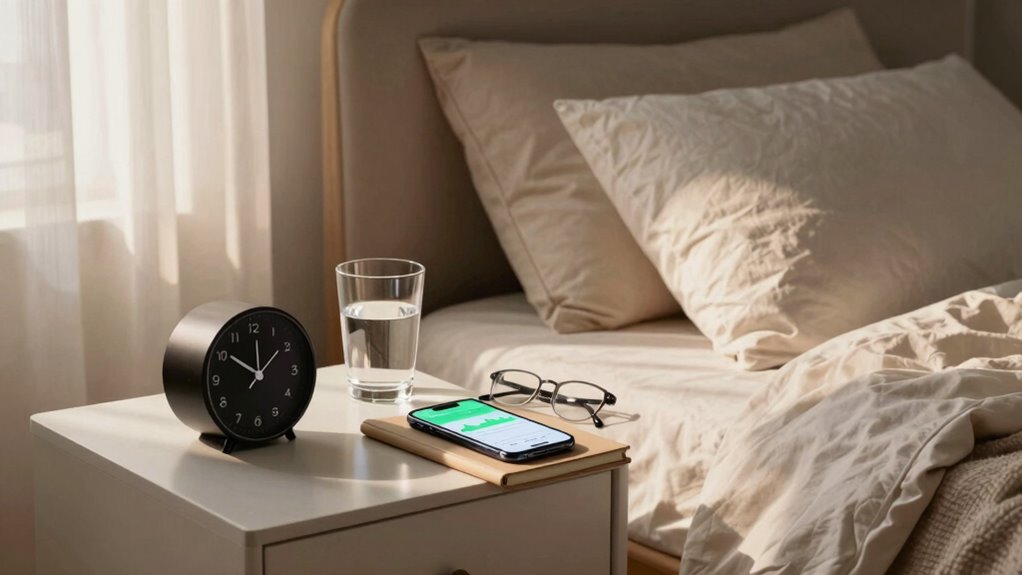
When Daylight Saving Time begins or ends, your sleep schedule can be thrown off. You might find yourself feeling more tired or alert at unusual times. One way DST affects your sleep is through changes in evening activities, which can lead to later bedtimes or disrupted routines. If you tend to indulge in caffeine consumption later in the day, it can worsen the impact, making it harder to fall asleep when you want to. Shifting your schedule suddenly confuses your internal clock, leading to sleep difficulties and fatigue. To minimize these effects, try to maintain consistent evening activities and limit caffeine intake near bedtime. Recognizing how DST influences your habits helps you better manage its impact on your sleep pattern. Additionally, understanding your sleep environment and optimizing it can significantly improve your ability to adjust during time changes.

MZOO Luxury Sleep Eye Mask for Side Sleeper Men Women, Zero Eye Pressure 3D Sleeping Mask, Light Blocking Patented Design Night Blindfold, Soft Eye Shade Cover for Travel, Black
Zero Eye Pressure: The Deepest 13mm arc-shaped widened eye cups provide makeup-safe space and allow natural blinking
As an affiliate, we earn on qualifying purchases.
As an affiliate, we earn on qualifying purchases.
How to Shift Your Bedtime and Wake Time Gradually

To help your body adjust smoothly to the time change, shift your bedtime and wake time gradually over several days. This promotes sleep consistency and makes the progression easier. Begin by moving your bedtime 15 minutes earlier or later each day, depending on the direction of the time change. Maintain your usual bedtime routines to signal your body it’s time to wind down. Consistency is key; sticking to a similar schedule helps your sleep cycle adapt faster. Use the table below to plan your adjustments, and remember that applying simple strategies can make the transition even more effective:
| Day | Bedtime | Wake Time | Notes |
|---|---|---|---|
| Day 1 | 10:15 PM | 6:15 AM | Keep routines consistent |
| Day 2 | 10:00 PM | 6:00 AM | Avoid screens before bed |
| Day 3 | 9:45 PM | 5:45 AM | Adjust gradually again |
| Day 4 | 9:30 PM | 5:30 AM | Focus on relaxing routines |
| Day 5 | 9:15 PM | 5:15 AM | Reach new schedule |

Magicteam Sound White Noise Machine with 20 Non Looping Natural Soothing Sounds and Memory Function 32 Levels of Volume Powered by AC or USB and Sleep Sound Timer Therapy for Baby Kids Adults
❤20 Non-Looping Sleep Sounds: White noise ,Brown noise, pink noise, blue noise, fan,brook, rain, ocean,bird and Bonfire,suitable for…
As an affiliate, we earn on qualifying purchases.
As an affiliate, we earn on qualifying purchases.
Creating the Perfect Sleep Environment

Creating a sleep-friendly environment is the key to making your efforts to adjust your sleep schedule more effective. Your bedroom decor plays a crucial role in forming a relaxing sleep sanctuary. Focus on minimizing light and noise to promote better rest. Use blackout curtains or an eye mask to block out unwanted light. Keep your room cool, ideally between 60-67°F, to support deep sleep. Choose comfortable bedding that suits your preferences. Declutter your space to create a calming atmosphere. Consider calming colors like soft blues or neutrals to enhance relaxation. Using a high-quality air purifier can also improve indoor air quality, making it easier to breathe and relax at night. A well-designed sleep sanctuary helps your body associate the space with rest, making it easier to fall asleep and stay asleep during time changes. Small adjustments in bedroom decor markedly improve your sleep quality.

Mesqool Projection Alarm Clock, Loud Vibrating Alarm Clock for Heavy Sleepers, Adjustable Projection Brightness,Hearing Impaired & Deaf People, Digital Alarm Clock with USB Charging Port
✨【Powerful 𝗕𝗲𝗱 𝗦𝗵𝗮𝗸𝗲𝗿 or 𝗟𝗼𝘂𝗱 𝗔𝗹𝗮𝗿𝗺 Sound】The extended 1.8m wired bed shaker is long enough to be put…
As an affiliate, we earn on qualifying purchases.
As an affiliate, we earn on qualifying purchases.
Establish a Relaxing Bedtime Routine That Works

Establishing a relaxing bedtime routine is essential for signaling your body that it’s time to wind down. Incorporate relaxation techniques and sleep-inducing activities to ease into sleep. Consistency helps reinforce your body’s cues, making it easier to fall asleep faster. Try calming activities like reading, gentle stretching, or deep breathing. Avoid screens and caffeine before bed. Here’s a simple routine to contemplate:
| Relaxation Techniques | Sleep-Inducing Activities | Timing |
|---|---|---|
| Deep breathing | Warm bath | 30-60 minutes prior |
| Meditation | Light reading | 15-30 minutes |
| Progressive muscle relaxation | Gentle yoga | 20 minutes |
Additionally, creating a comfortable environment with appropriate lighting conditions can further promote better sleep quality.
Boost Your Sleep by Getting More Light and Moving During the Day

Getting plenty of natural light and staying active during the day can substantially improve your sleep quality. Exposure to natural light helps regulate your circadian rhythm, making it easier to fall asleep at night. Daytime activity boosts your energy levels and reduces stress, which also promotes better rest. To maximize these benefits, consider:
- Spending time outdoors each morning
- Taking short walks during breaks
- Using a light therapy box if sunlight is limited
- Incorporating exercise into your daily routine
- Avoiding prolonged screen time before bed
These habits help synchronize your internal clock with natural light patterns, making it easier to fall asleep and wake refreshed. Embracing natural light and staying active during the day are simple yet powerful ways to enhance your sleep quality. Empowering Independent Sellers for Success
Tips to Prepare for the Time Change on the Day Itself

To make the time change easier, start by gradually shifting your bedtime a few days before. Limit screen exposure in the evening to help your body prepare for sleep, and plan to get plenty of morning light to reset your internal clock. Incorporating light exposure during the day can significantly improve your adjustment process. These simple steps can help you adjust more smoothly on the day of the change.
Adjust Bedtime Gradually
Since adjusting your bedtime gradually can make the time change easier, start shifting your sleep schedule a few days before the switch. Maintaining bedtime consistency helps your body adapt smoothly. Use sleep tracking methods to monitor your progress and identify patterns. Aim to go to bed 15-30 minutes earlier or later each night, depending on the direction of the time change. This slow adjustment minimizes disruption and reduces fatigue. Incorporating outdoor wisdom such as exposure to natural light can also help regulate your circadian rhythm during this transition. Keep relaxing bedtime routines to reinforce consistency
Limit Screen Exposure Before Sleep
Limiting screen exposure before sleep on the day of the time change can substantially improve your ability to fall asleep smoothly. Excessive screen time and device usage before bed can interfere with your body’s natural melatonin production, making it harder to wind down. To prepare, try to switch off electronic devices at least 30 to 60 minutes before you plan to sleep. Instead of scrolling or watching screens, opt for relaxing activities like reading a book or practicing deep breathing. The blue light emitted by screens suppresses melatonin, so reducing your device usage helps signal to your body that it’s time to rest. Incorporating energy-efficient technology into your routines can further support a healthier sleep environment. By cutting back on screen time before bed, you’ll support a more restful sleep, easing the transition during daylight saving time adjustments.
Plan Morning Light Exposure
Getting sunlight in the morning can help your body adjust more easily to the time change. Exposure to morning sunlight signals your internal clock to reset, making it easier to wake up and fall asleep at the right times. To maximize this benefit, plan outdoor activities early in the day. Here are some ideas:
- Take a brisk walk outside after waking up
- Have your breakfast outdoors when weather permits
- Spend time in parks or open spaces
- Open your blinds to let in natural light
- Avoid overly shaded or artificial lighting in the morning
Frequently Asked Questions
How Long Does It Typically Take to Fully Adjust After the Time Change?
It typically takes about a week to fully adjust your sleep schedule after the time change. During this time, your sleep duration and circadian rhythm gradually realign with the new schedule. To help speed up the process, you should stick to consistent sleep and wake times, expose yourself to natural light, and avoid caffeine close to bedtime. Patience is key as your body adapts naturally.
Can Shifting My Sleep Schedule Affect My Mental Health?
Shifting your sleep schedule can be a double-edged sword, impacting your mental health in unexpected ways. Sleep pattern changes often lead to mood swings, anxiety, or difficulty concentrating, like a storm brewing beneath calm waters. These mental health effects are real, so it’s essential to adjust gradually, maintain consistency, and prioritize good sleep habits. Doing so helps your mind stay resilient, even when your sleep schedule feels like a shifting tide.
Are There Specific Foods That Can Help Improve Sleep During DST?
Yes, certain foods can help improve your sleep during DST. You should focus on sleep inducing snacks like almonds, walnuts, and bananas, which contain magnesium and potassium promoting relaxation. Incorporate melatonin-rich foods such as cherries, grapes, and oats to naturally boost your melatonin levels. Eating these foods before bed can help you fall asleep faster and enjoy more restful sleep, easing your progression into the time change.
How Does DST Impact People With Sleep Disorders Differently?
DST can feel like tossing a wrench into your sleep gears, especially for those with sleep disorders. You might experience a sharper impact on insomnia, as circadian disruption throws your internal clock into chaos. This shift can worsen sleep quality and make falling asleep harder. You need to be extra vigilant, maintaining consistent routines and seeking medical advice if sleep issues intensify, to help your body adapt smoothly.
What Are Signs That My Body Isn’t Adjusting Well to the Time Change?
If your body isn’t adjusting well to the time change, you might notice sleep disturbances like difficulty falling asleep or waking up too early. You could also experience fatigue symptoms, such as persistent tiredness or low energy throughout the day. Pay attention to these signs, and if they persist, try to maintain a consistent sleep schedule, get natural light during the day, and avoid caffeine late in the afternoon to help your body adapt.
Conclusion
As you adjust your sleep schedule, imagine yourself gently setting sail into a new dawn, guided by the steady lighthouse of your routines. Embrace the gradual shifts like the soft morning light, clearing away the shadows of confusion. With each mindful step, you’re steering toward smoother days and peaceful nights, rowing confidently through the changing tide. Trust your preparations—they’ll anchor you in restful waters, welcoming the sunrise of better sleep and brighter mornings ahead.