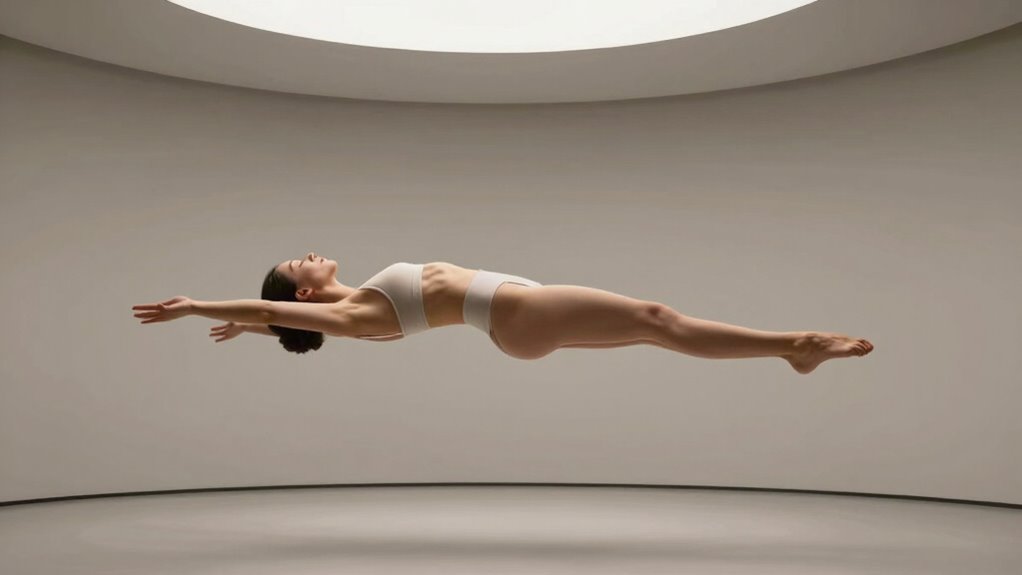

The zero gravity position mimics how astronauts sit in space, aiming to reduce spinal pressure and improve comfort. It realigns your spine, promotes better circulation, and eases muscle tension. However, it’s not a cure for all back or neck issues and won’t automatically correct posture. While beneficial, it works best as part of a broader approach. If you explore further, you’ll discover how to achieve and maximize its benefits effectively.
Key Takeaways
- The zero gravity position mimics astronaut sitting posture to reduce spinal pressure and promote relaxation.
- It realigns the spine naturally, improving circulation and easing the workload on the heart.
- It supports posture correction over time but does not automatically fix poor posture or treat health issues.
- It is not a cure-all; prolonged reliance may weaken muscles or be unsuitable for some conditions.
- Achieving this position involves ergonomic adjustments, such as elevating legs and back at specific angles, with professional guidance.
What Is the Zero Gravity Position?
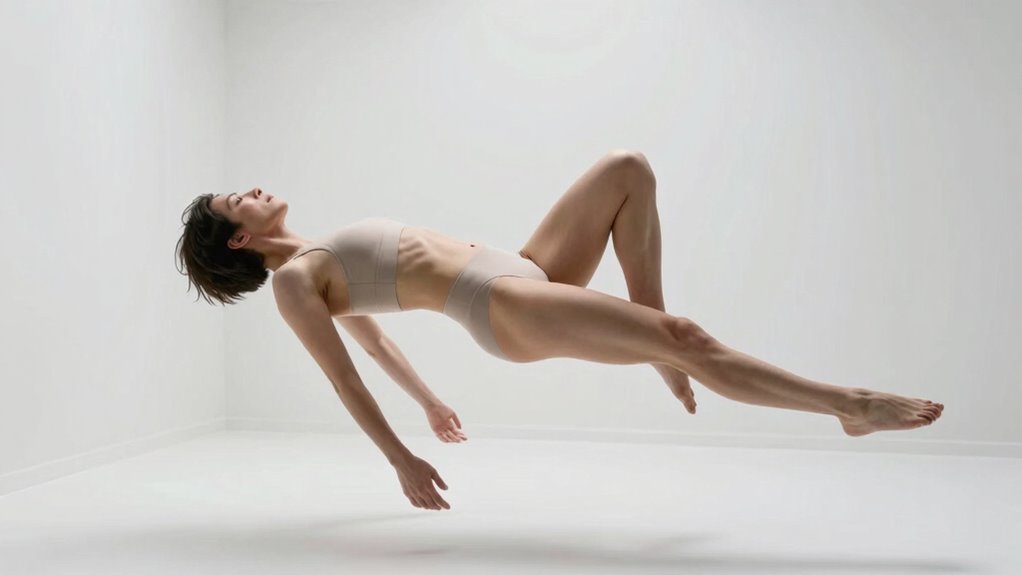
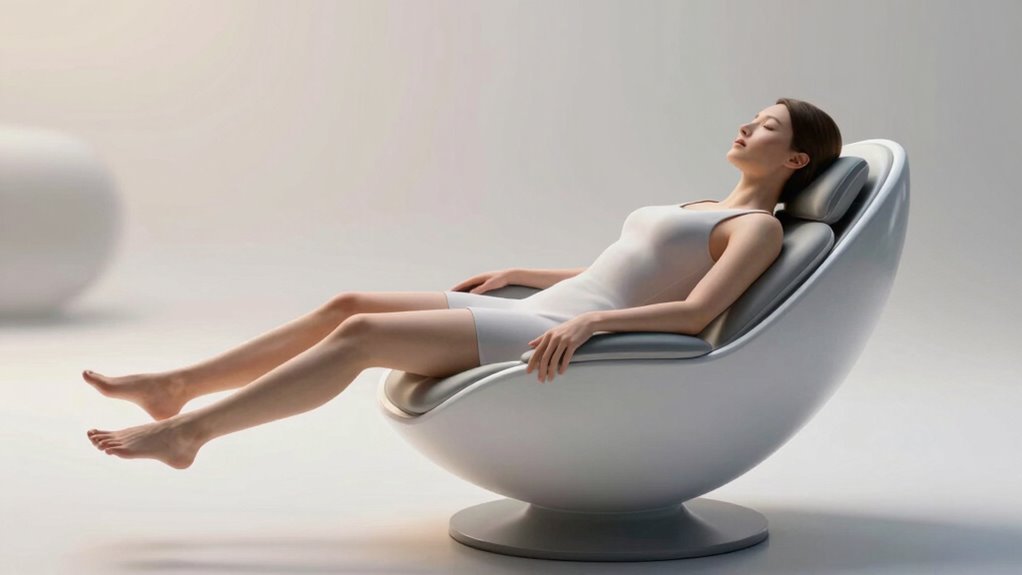
Have you ever wondered what the zero gravity position really is? It’s a specially designed posture that mimics how astronauts sit in space to reduce pressure on the spine. This position uses ergonomic design to evenly distribute your body weight, helping to improve posture naturally. When you adopt the zero gravity position, your legs are elevated slightly above your heart, and your back is supported at an ideal angle. This alignment minimizes stress on your lower back and neck, making it easier to sit comfortably for extended periods. The goal is to promote better posture and reduce discomfort caused by poor sitting habits. By understanding what this position entails, you can better appreciate its benefits for spinal health and overall well-being. Additionally, adopting a healthier sitting posture can help prevent long-term issues related to poor ergonomics and musculoskeletal strain. Proper ergonomic adjustments, such as adjustable chair features, can further enhance comfort and support while maintaining the zero gravity position. Incorporating ergonomic principles into your daily routine can maximize these benefits and contribute to long-term comfort. Furthermore, integrating ergonomic aids like lumbar support can enhance the effectiveness of the zero gravity position during extended sitting sessions.
How Does Zero Gravity Affect the Body?

When you’re in zero gravity, your spine realigns naturally, reducing pressure and discomfort. This position also improves circulation, easing the workload on your heart. Understanding these effects helps you see how zero gravity can benefit your overall health. Additionally, the absence of gravity can influence bodily functions such as fluid distribution, which is an important aspect of Youngster Choice that highlights the body’s adaptation to different environments. Recognizing how environmental factors impact bodily functions is essential when considering the potential health benefits of zero gravity. Furthermore, research indicates that gravity’s role in bodily processes significantly affects how our bodies respond to weightless conditions, emphasizing the importance of understanding these effects. For example, Gold IRA Markets demonstrate how financial strategies adapt in various environments, much like the body’s adaptation to zero gravity.
An understanding of bodily adaptation mechanisms can help in designing effective therapies and interventions for space travelers and patients alike.
Spinal Alignment Benefits
Zero gravity positions can considerably improve spinal alignment by reducing the pressure exerted on your vertebrae and discs. This position helps your spine relax naturally, promoting better posture correction and easing tension in surrounding muscles. When you elevate your legs and recline, your spine aligns more evenly, decreasing strain on the lower back and neck. This not only enhances comfort but also supports long-term spinal health. By alleviating pressure, you allow your muscles to relax fully, reducing stiffness and discomfort. This position encourages a more neutral spine, helping you maintain proper posture throughout the day. Additionally, proper support from ergonomic positioning can further enhance the benefits of zero gravity. Engaging in spinal alignment techniques can maximize these effects and promote overall back health. Incorporating correct ergonomic design into your environment can also help sustain these positive outcomes over time. Furthermore, understanding the biomechanics of the spine can help you optimize your positioning for better health benefits, especially when combined with targeted stretching and strengthening exercises.
Circulation and Heart Effects
Elevating your legs and reclining into a zero gravity position not only benefits your spinal alignment but also substantially influences circulation and heart health. When you adopt this position, blood flow becomes more efficient as your heart doesn’t have to work against gravity to circulate blood throughout your body. This improved blood flow reduces strain on your heart, supporting overall heart health. By alleviating pressure on your veins and arteries, you help prevent pooling of blood in your lower extremities, decreasing swelling and discomfort. The zero gravity posture encourages better circulation, which can lead to increased oxygen and nutrient delivery to tissues. As a result, your cardiovascular system functions more effectively, promoting a healthier, more balanced circulatory system overall. Additionally, understanding the benefits of best esthetician magnifying lamps can further enhance your skincare routines and overall well-being. Incorporating circulatory support techniques, such as the zero gravity position, can help maintain optimal blood flow and prevent circulatory issues over time. Regularly practicing these positions can also contribute to long-term cardiovascular health, reducing the risk of circulatory problems in the future. Maintaining proper digital literacy at home can also support your overall health by reducing stress and promoting mental well-being. Developing a good understanding of home health practices can make it easier to adopt beneficial habits like these and improve your overall quality of life.
How Is the Zero Gravity Position Used in Space and Medicine?

Have you ever wondered how astronauts and medical professionals utilize the zero gravity position? In space travel, this position helps astronauts adapt to microgravity, reducing muscle and bone loss by enabling better circulation. It’s also used to simulate conditions for research and training. In medical applications, the zero gravity position aids in patient recovery and treatment by improving blood flow and reducing pressure on certain organs. Here are some key uses:
Zero gravity helps astronauts adapt, enhances recovery, and supports medical and research applications.
- Enhancing blood circulation during space missions
- Supporting physical therapy and rehabilitation
- Assisting in surgical procedures by managing fluid distribution
What Are the Myths About the Zero Gravity Position?
Many people believe the zero gravity position offers magical health benefits, but that’s a myth. In reality, some misconceptions persist about its true advantages. Clarifying these facts helps you understand what the position can and can’t do for you. For example, understanding the effects of positioning on the body can help set realistic expectations. It is also helpful to consider how body alignment influences comfort and potential health outcomes. It’s important to recognize that while certain essential oils may support relaxation and health, they are not a substitute for proper medical care or the specific benefits associated with the zero gravity position. Additionally, understanding the role of medical research in validating health claims can help differentiate between fact and fiction.
Common Misconceptions Persist
Despite the popularity of the zero gravity position, several misconceptions still circulate about its true effects. Many believe it cures all back pain or instantly improves circulation, but that’s not accurate. These myths often lead to false expectations and unnecessary worry. To set the record straight, misconception correction and myth debunking are essential. Here are common misunderstandings:
- It’s a miracle cure for chronic pain.
- It guarantees weight loss or muscle gain.
- It replaces medical treatment for serious conditions.
Actual Benefits Clarified
While the zero gravity position offers real benefits, it’s important to understand what it can and cannot do. Many believe it automatically corrects posture or relieves all muscle tension, but that’s a myth. While it can promote muscle relaxation by reducing pressure on your spine and joints, it doesn’t instantly fix poor posture habits. Instead, it works best as part of a thorough approach, including exercises and ergonomic adjustments. The position helps ease muscle strain, making it easier to relax and recover, but it’s not a magic solution for all back or neck issues. Recognizing these limits ensures you use the zero gravity position effectively, focusing on its true benefits rather than misconceptions.
What Are the Benefits and Limitations of the Zero Gravity Position?

Have you ever wondered how the zero gravity position can benefit your health? This posture promotes ergonomic comfort by evenly distributing your weight, reducing pressure on your spine and joints. It can also support posture correction, helping you align your body correctly over time. However, there are limitations to contemplate. While it may ease back pain temporarily, it isn’t a cure-all. Prolonged use might lead to muscle weakness if you rely solely on this position. Additionally, it’s not suitable for everyone, especially those with specific medical conditions.
Some key benefits include:
- Enhanced ergonomic comfort during rest
- Reduced strain and pressure on the spine
- Promotes proper posture over time
How Can You Achieve the Zero Gravity Position at Home or in Therapy?
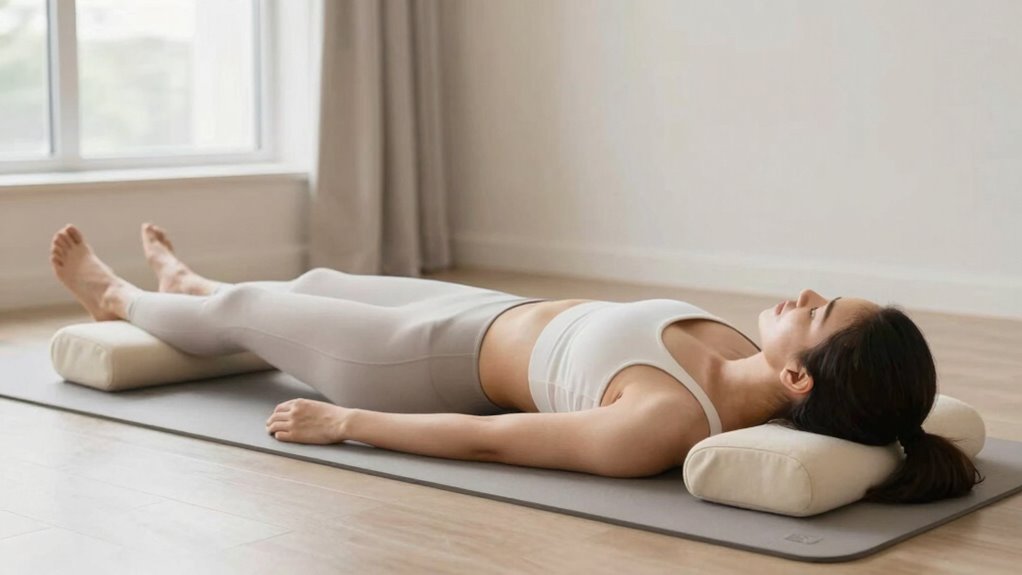
Achieving the zero gravity position at home or in therapy is straightforward with a few simple steps. Start by using ergonomic seating designed to support your back and distribute weight evenly. Adjust your chair or recliner so that your hips are slightly above your knees, creating a gentle recline. This position promotes proper posture correction and reduces strain on your spine. If you’re lying down, use a recliner or adjustable bed to elevate your legs and torso to about 120 degrees. Incorporate lumbar support if needed to maintain spinal alignment. Regularly shifting your position helps prevent stiffness, and consulting a healthcare professional can ensure you’re achieving the ideal zero gravity posture tailored to your needs.
Frequently Asked Questions
Can the Zero Gravity Position Prevent or Treat Specific Health Issues?
You might find that the zero gravity position helps improve your sleep quality and offers ergonomic benefits by reducing pressure on your spine and joints. While it can alleviate discomfort from certain conditions like back pain or swelling, it doesn’t directly prevent or treat specific health issues. Instead, it enhances comfort and relaxation, which may support overall well-being, but you should consult a healthcare professional for targeted treatment.
How Long Can Someone Comfortably Maintain the Zero Gravity Position?
Think of the zero gravity position as a gentle sailboat ride—you can enjoy it for a while, but not forever. You’ll likely find comfort for about 20 to 30 minutes, depending on your body and posture. Duration limits exist because prolonged positioning may cause discomfort or strain. Always listen to your body’s comfort considerations, and take breaks to prevent fatigue and ensure the experience remains relaxing and beneficial.
Are There Risks Associated With Prolonged Zero Gravity Position Use?
Yes, there are risks with prolonged zero gravity position use. You might experience muscle atrophy because your muscles aren’t engaged fully, leading to weakening over time. Additionally, joint strain can occur as your joints aren’t moving through their full range of motion, potentially causing discomfort or injury. To minimize these risks, it’s important to limit the duration of zero gravity positioning and incorporate regular movement and exercise.
Does the Zero Gravity Position Improve Circulation or Reduce Pressure?
Studies show that the zero gravity position can enhance circulation benefits and reduce pressure, especially in your back and legs. By elevating your legs above your heart, you help blood flow more smoothly and decrease strain on your spine. This position mimics what astronauts experience in space, and many find it relieves discomfort and promotes relaxation. So, yes, zero gravity positioning can be effective for improving circulation and alleviating pressure.
Is the Zero Gravity Position Suitable for Individuals With Certain Medical Conditions?
The zero gravity position may not be suitable for everyone, especially those with certain medical conditions like back or neck injuries. You should consult your healthcare provider before trying it. While it offers meditative benefits by promoting relaxation, its aesthetic appeal can enhance your space’s look. However, if you have health concerns, it’s best to proceed cautiously and prioritize your safety to avoid any adverse effects.
Conclusion
Understanding the zero gravity position is like revealing a secret passage in the body’s universe. It’s not a magic wand, but it offers a glimpse into how comfort and relief can orbit closer to you. While it doesn’t defy all limits, embracing this position can help you navigate your well-being more smoothly. So, try it out—you might just find your own starry sky of relaxation amid life’s gravity.