

To fix shoulder pressure as a side sleeper, start by adjusting your pillow height to keep your neck and spine aligned, using supportive materials that fill the space between your neck and shoulder. Choose a medium-soft mattress that contours to your shoulder for pressure relief. Support tools like shoulder wedges or body pillows can also help distribute weight evenly. For more effective solutions, explore tips to improve your sleep position and support options that reduce shoulder strain.
Key Takeaways
- Adjust pillow height and firmness to properly support your neck and fill gaps, reducing shoulder pressure.
- Use supportive pillows or wedges to maintain proper spinal alignment and alleviate shoulder strain.
- Choose a medium or plush mattress that contours to your shoulder and neck for better pressure relief.
- Keep your arm slightly forward and maintain a neutral shoulder position throughout sleep.
- Incorporate shoulder padding or cushions to provide extra cushioning and prevent soreness.
Why Does Shoulder Pressure Happen When You Sleep Sideways?
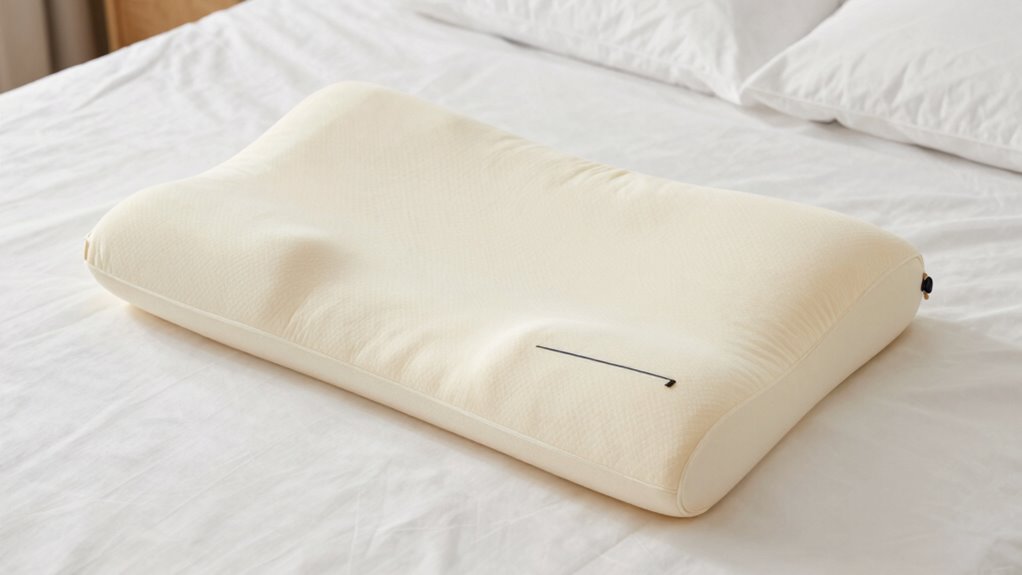
Have you ever wondered why your shoulder feels sore after sleeping on your side? It largely comes down to your sleep posture and shoulder anatomy. When you sleep sideways, your shoulder bears much of your body weight, compressing the shoulder joint and surrounding tissues. This pressure can squeeze the rotator cuff and impinge on nerves, leading to soreness or discomfort. Your shoulder anatomy, including the shape of the scapula, clavicle, and humeral head, influences how much pressure is distributed. If your sleep posture isn’t aligned properly, it can cause uneven pressure on the shoulder, straining muscles and joints. Proper sleep alignment and ergonomic support can help distribute pressure more evenly during sleep. Additionally, selecting ergonomic sleep accessories designed to support shoulder positioning can significantly reduce pressure points. Using pressure-relieving materials in your pillows or mattresses can further enhance comfort and reduce stress on the shoulder. Over time, this repeated stress can result in soreness, stiffness, and even potential injuries. Incorporating smart home gym equipment and ergonomic sleep accessories can help optimize your sleeping position and manage shoulder pressure during sleep. Understanding these factors helps you manage shoulder pressure during sleep, especially when considering sleep ergonomics and proper positioning techniques.
How to Arrange Your Pillow for Shoulder Comfort

To improve shoulder comfort, start by adjusting your pillow height so your head is aligned with your spine. Make sure your pillow supports your neck properly, avoiding angles that cause strain. Proper head alignment helps reduce shoulder pressure and promotes restful sleep. Additionally, selecting a pillow with the right firmness and loft can help maintain proper spinal alignment, further alleviating shoulder discomfort. Using a supportive pillow material can also enhance overall comfort and reduce pressure points during sleep, especially when choosing options designed to optimize pillow support and durability.
Pillow Height Adjustments
Finding the right pillow height is essential for shoulder comfort when sleeping on your side. Your pillow should fill the space between your shoulder and head without pushing your neck into an awkward angle. Adjusting pillow height can be achieved by selecting the right pillow material—memory foam or latex offers better contouring and support, while traditional fill may require stacking multiple pillows. Consider your sleep environment; a cooler, breathable pillow material can help maintain comfort throughout the night. Experiment with different heights by adding or removing filling until your shoulder feels supported and your neck remains aligned. Proper pillow height ensures your shoulder pressure is minimized, preventing soreness and discomfort upon waking. Tailoring your pillow height creates a more supportive sleep environment for side sleepers. Using a supportive pillow with the right pillow height can significantly improve sleep quality and reduce shoulder pain. Additionally, choosing a pillow made with contouring materials can enhance support and comfort during sleep. For optimal results, look for pillows that promote pressure relief and align with your unique shoulder shape. Understanding sleep ergonomics can further help you select the best pillow setup for your needs. Selecting the appropriate pillow can also contribute to spinal alignment, which is crucial for overall sleep health.
Proper Head Alignment
Once you’ve adjusted your pillow height for shoulder support, focus on how your head and neck are positioned. Proper head alignment ensures your neck support is ideal, preventing strain and discomfort. Your pillow should cradle your head, keeping it in line with your spine, so your neck doesn’t bend unnaturally. Make sure your head isn’t tilted forward or backward, which can disrupt shoulder alignment. A supportive pillow that fills the space between your shoulder and head helps maintain this alignment. Keep your neck muscles relaxed and avoid tucking your chin excessively. When your head and neck are correctly aligned, it reduces pressure on your shoulders and promotes a comfortable, restful sleep. Proper head positioning is key to preventing shoulder pain and maintaining overall sleep quality. Additionally, paying attention to proper pillow placement can significantly improve your side sleeper comfort. Understanding body alignment principles can help you find the most effective setup for shoulder pressure relief, especially when considering spinal alignment techniques.
Adjust Your Mattress to Reduce Shoulder Strain
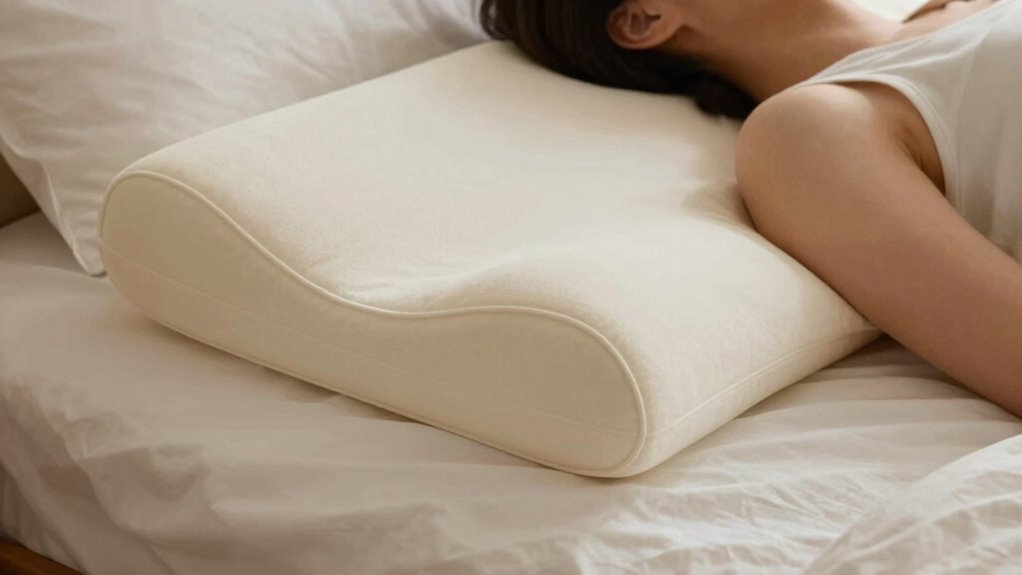
If you’re a side sleeper experiencing shoulder discomfort, adjusting your mattress can make a significant difference. The right mattress firmness supports your body without causing pressure points, so opt for a medium to plush feel that contours to your shoulder and neck. Adding shoulder padding, like a soft pillow or a specialized shoulder wedge, can further relieve pressure by filling the gap between your shoulder and mattress. Make certain your mattress isn’t too firm, which can push against your shoulder, or too soft, which may cause misalignment. Choosing the right mattress firmness is essential for proper support and pressure relief. Selecting a mattress with the right firmness can also help prevent pressure points, which are common causes of discomfort for side sleepers. By choosing a mattress with appropriate firmness and incorporating shoulder padding, you’ll distribute your weight more evenly, reducing strain and promoting a more comfortable, pain-free sleep. Additionally, understanding sleep ergonomics can help you optimize your sleeping setup for better shoulder health. Incorporating proper body alignment techniques can further enhance comfort and reduce shoulder strain over time.
Best Sleep Positions for Shoulder Relief
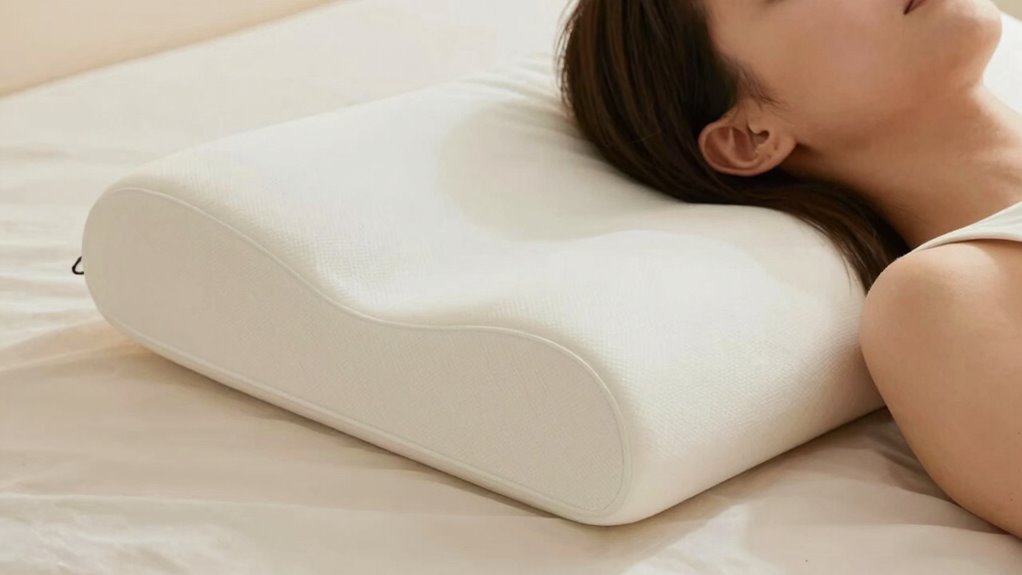
To find the best sleep positions for shoulder relief, you should focus on proper pillow support, which keeps your shoulder aligned. Adjusting your sleep angle can also reduce strain and improve comfort throughout the night. Additionally, shoulder padding options can provide extra cushioning and help prevent soreness in your shoulder area. Incorporating an air purifier into your bedroom can enhance air quality, potentially reducing allergy symptoms and creating a more comfortable sleeping environment. Using home energy strategies like optimal lighting and climate control can further improve your overall sleep environment and comfort. Proper sleep ergonomics can make a significant difference in reducing shoulder discomfort and promoting restful sleep.
Proper Pillow Support
Choosing the right pillow is essential for side sleepers seeking shoulder relief, as it helps maintain proper spinal alignment and reduces pressure on the shoulder joint. The key is selecting a pillow with the correct firmness to support your head and neck without causing strain. A pillow that’s too soft may let your head sink and misalign your spine, while one that’s too firm can increase shoulder pressure. Consider using shoulder straps or inserts to customize support and prevent the pillow from shifting during the night.
To optimize support, keep these tips in mind:
- Use a pillow with medium to firm pillow firmness
- Ensure the pillow fills the space between your neck and shoulder
- Choose pillows designed specifically for shoulder support
Adjusted Sleep Angles
Adjusting your sleep angle can considerably reduce shoulder strain for side sleepers. The key is finding the right sleeping angles that promote proper shoulder alignment. When you lie flat without elevation, your shoulder may sag, causing pressure and discomfort. Slightly elevating your upper body with a wedge pillow or adjusting your head position can keep your shoulder in a more natural, aligned state. This helps distribute weight evenly and prevents unnecessary compression. Experiment with different angles until you find one that keeps your shoulder relaxed and supported. Proper sleep angles ensure your shoulder maintains a neutral position throughout the night, reducing pain and stiffness in the morning. Small adjustments can make a significant difference in achieving comfortable, shoulder-friendly sleep.
Shoulder Padding Options
Using shoulder padding options can substantially improve your sleep comfort by reducing pressure and maintaining proper alignment. Memory foam pillows contour to your shoulder, easing tension and preventing soreness. Shoulder braces provide targeted support, helping keep your shoulder in a healthy position throughout the night. To maximize relief, consider these options:
- Memory foam pillows that conform to your shoulder shape
- Shoulder braces designed for side sleepers
- Layered padding for customized comfort
These tools help distribute pressure evenly and prevent shoulder strain. Combining memory foam with shoulder braces offers a tailored approach, ensuring your shoulder stays aligned and supported. Experimenting with different padding types can make a significant difference in your sleep quality and shoulder health, especially if you experience chronic discomfort or stiffness.
Tools and Techniques to Ease Shoulder Pressure

To effectively ease shoulder pressure while sleeping on your side, incorporating the right tools and techniques can make a significant difference. Focus on improving your sleep hygiene by establishing a consistent routine and creating a comfortable sleep environment. Choosing the right mattress materials is vital; opt for softer, pressure-relieving options like memory foam or latex, which contour to your body and reduce strain on your shoulder. Using supportive pillows, such as a contour or shoulder pillow, can also help maintain proper alignment and distribute pressure evenly. Additionally, practicing proper positioning—like keeping your arm slightly forward—can prevent unnecessary stress. These tools and techniques work together to minimize shoulder discomfort, helping you wake up refreshed and pain-free.
What Additional Tips Help Prevent Shoulder Discomfort While Sleeping?

In addition to selecting the right mattress and pillows, there are other effective tips to prevent shoulder discomfort while sleeping. Using sleep accessories like supportive pillows can help maintain proper alignment and reduce strain. Incorporating shoulder stretches into your daily routine can also alleviate tension and improve flexibility. To further protect your shoulder, consider these tips:
- Use a body pillow to keep your spine aligned and reduce pressure on your shoulder.
- Try shoulder stretches before bed to ease muscle tightness.
- Experiment with different sleep accessories to find what best supports your shoulder position.
These strategies help prevent discomfort by promoting better posture and relaxation, ensuring you wake up refreshed and pain-free.
Frequently Asked Questions
Can Specific Pillow Materials Reduce Shoulder Pressure Effectively?
Yes, specific pillow materials can reduce shoulder pressure effectively. Memory foam molds to your body, providing targeted support that alleviates shoulder strain. Latex offers firm yet responsive support, helping distribute weight evenly. Gel-infused or cooling materials can also reduce discomfort by maintaining a comfortable temperature. Choosing a pillow with the right material improves shoulder pressure relief, ensuring you wake up without soreness and enjoy a more restful sleep.
How Long Does It Typically Take to Notice Improvement in Shoulder Comfort?
You’ll likely notice noticeable relief within a few nights of proper sleep position and pillow adjustment. Consistent comfort can come quickly if you focus on aligning your shoulder and neck correctly. However, some people may take a week or more to experience significant soothing. Keep experimenting with your pillow setup, and stay attentive to your sleep position—patience pays off in promoting peaceful, pressure-free sleep.
Are There Any Exercises to Strengthen Shoulder Muscles for Better Support?
Yes, strengthening exercises can enhance shoulder stability and support your rotator cuff. Focus on gentle moves like shoulder blade squeezes, external rotations, and resistance band pulls to target these areas. Consistently doing these exercises helps reduce shoulder pressure and boosts muscle support, preventing discomfort during sleep and daily activities. Always start slowly and consult a healthcare professional to ensure proper form and prevent injury.
Is It Advisable to See a Healthcare Professional for Persistent Shoulder Pain?
When shoulder discomfort lingers, it’s wise to consult a healthcare professional, especially if you suspect a shoulder injury or experience chronic pain. Ignoring persistent issues can lead to more serious problems down the line. A specialist can diagnose the root cause and recommend targeted treatments or therapies. Trust your body’s signals—getting expert advice now can prevent long-term complications and help you regain comfort and mobility faster.
Do Sleep Aids or Devices Help in Alleviating Shoulder Pressure?
Sleep aids or devices can help alleviate shoulder pressure, especially if you focus on your sleep position and pillow height. Using a supportive pillow that keeps your head and neck aligned reduces strain on your shoulder. Adjustable pillows or specialized side sleeper cushions can maintain proper alignment, easing discomfort. Experiment with different pillow heights until you find one that minimizes shoulder pressure, helping you wake up refreshed and pain-free.
Conclusion
By making a few simple tweaks, you can turn your side-sleeping routine into a more restful experience. Think of your shoulder comfort as a gentle secret waiting to be uncovered—small adjustments can reveal a world of relief. With the right pillow, mattress, and position, you’ll find yourself drifting off with ease. Embrace these subtle changes; your shoulders will thank you for the quiet, soothing upgrade to your nightly ritual.