
If your hips are heavier than your shoulders, you need different support to keep your posture balanced and avoid strain. Heavier hips pull your lower body downward, which can cause pelvis tilting and misalignment, so you should focus on strengthening your core and supporting your pelvis. Lighter shoulders, on the other hand, require less load but benefit from clothing and posture adjustments to prevent slouching. Understanding these differences helps you stay comfortable and aligned—there’s more to take into account as you continue.
Key Takeaways
- Heavier hips shift the center of gravity downward, requiring targeted support to prevent postural imbalance.
- Lighter shoulders may need less support but benefit from posture correction to maintain alignment.
- Different support strategies address varying weight distribution and prevent strain in specific body areas.
- Clothing and footwear adjustments must be tailored to balance proportions for optimal comfort and stability.
- Customized support helps counteract asymmetrical stresses, reducing long-term musculoskeletal issues.
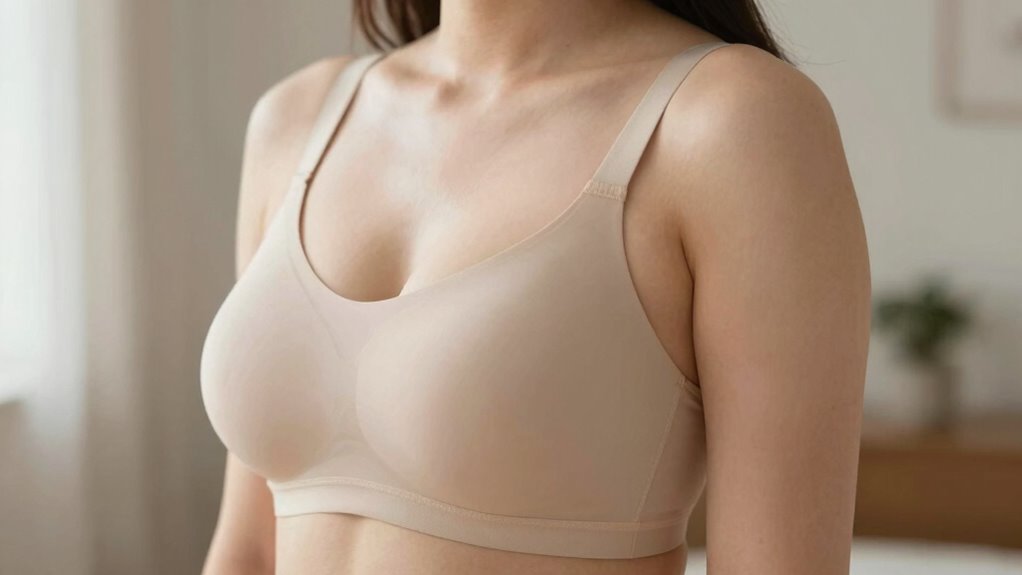
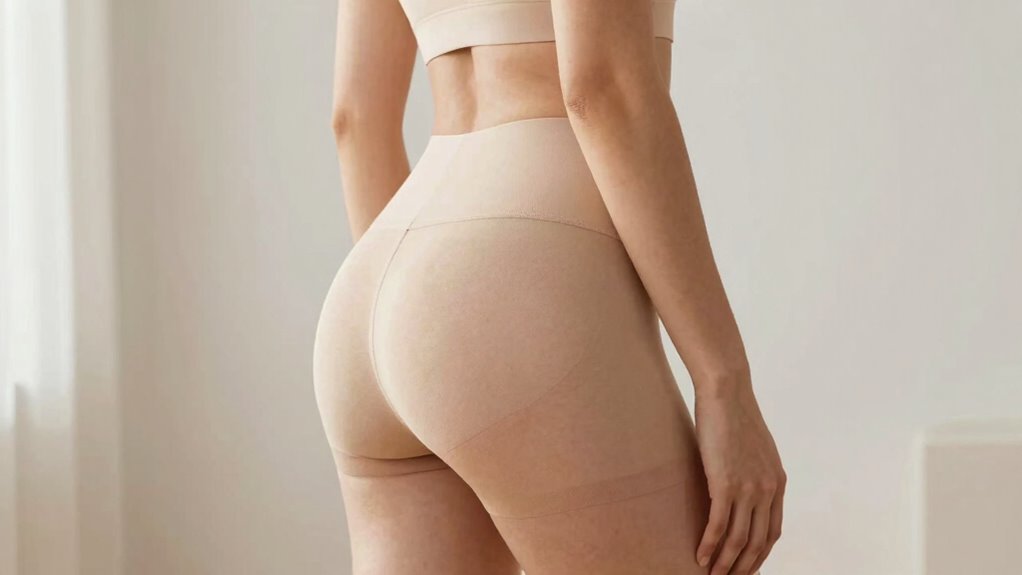
Your body’s unique shape means that heavier hips and lighter shoulders require different types of support to stay comfortable and balanced. When you’re aware of this, you can make smarter choices about posture correction and clothing adjustments that truly work for your frame. Heavier hips tend to pull your lower body downward, which can cause your pelvis to tilt and your spine to misalign over time. To counteract this, you need to focus on posture correction that encourages proper alignment. This might include strengthening exercises for your core and lower back, which help stabilize your pelvis and reduce strain on your hips. Additionally, paying attention to how you sit and stand throughout the day is essential — avoid slouching or leaning forward, as these habits can exacerbate imbalance and discomfort. Proper posture isn’t just about standing tall; it’s about ensuring your weight is evenly distributed across your body, which minimizes fatigue and prevents long-term pain. Recognizing how body shape influences support needs can help you tailor your approach for better comfort and health. Incorporating ergonomic support into your daily routine can further enhance your posture and reduce strain. Being mindful of your body’s support requirements can also help prevent discomfort before it develops. Understanding body mechanics can provide insights into how your body moves and responds, leading to more effective support strategies. For example, incorporating body alignment principles can improve overall balance and reduce strain on specific areas. Clothing adjustments play a key role in accommodating your frame’s needs. When you have heavier hips, selecting clothing that balances your proportions can make a significant difference. Look for pants and skirts that fit well at the hips without constricting, but also consider styles that elongate your legs and create a streamlined silhouette. High-waisted options can help smooth out your waistline, while A-line skirts and bootcut trousers offer a balanced look that doesn’t emphasize your hips excessively. For tops, choose fitted or slightly tailored pieces that don’t add bulk to your shoulders, helping to maintain a visual balance. Incorporate layers and patterns strategically; vertical stripes or darker shades on your lower half can diminish the appearance of volume, while lighter or brighter colors on your upper body draw attention upward, balancing your overall look. Your goal should be to create harmony between your hips and shoulders, which means paying attention to both posture correction and clothing adjustments. Supportive footwear can also improve posture, reducing strain on your hips and back. Remember, the right support isn’t about hiding your shape but enhancing your natural proportions so you can move comfortably and confidently. When you align your posture correctly and choose clothing that complements your body’s unique form, you’ll feel more balanced both physically and aesthetically. Embracing your shape with thoughtful support strategies makes a difference in how you carry yourself and how comfortable you feel throughout the day.
As an affiliate, we earn on qualifying purchases.
Frequently Asked Questions
How Do I Determine My Body’s Unique Support Needs?
To determine your body’s unique support needs, start by evaluating your body type. Notice where you feel the most strain or discomfort—perhaps your hips, shoulders, or back. Pay attention to how your clothing fits and how different activities affect you. Experiment with various support options, like tailored bras or ergonomic cushions, and listen to your body’s responses. This approach helps you identify the support that best suits your individual shape and needs.
Can Clothing Adjustments Improve Support for Different Body Types?
Think of clothing like a tailored suit—fabric flexibility and style considerations matter. Adjustments such as choosing stretchy fabrics or strategic tailoring can improve support, especially for different body types. I once altered a dress with added elastic panels, which made a huge difference in comfort. Yes, clothing tweaks can support your unique shape, enhancing both comfort and confidence by allowing your wardrobe to adapt to your body’s needs.
Are There Specific Exercises to Balance Shoulder and Hip Support?
Yes, you can do specific exercises to improve shoulder stability and hip alignment. Focus on strengthening your shoulder muscles with resistance training like shoulder presses and rotator cuff exercises. For your hips, try hip bridges, clamshells, and lateral leg raises. These moves help balance muscle support, improving overall hip alignment. Consistent practice enhances stability, reducing discomfort and promoting better posture for your unique body shape.
What Are Common Mistakes When Choosing Supportive Apparel?
You often make mistakes by ignoring current fashion trends and fabric choices when selecting supportive apparel. For example, choosing styles that don’t match your body proportions can cause discomfort or imbalance. Opt for fabrics that offer stretch and breathability, and pick trendy designs that enhance your natural shape. Avoid overly tight or loose options, as they can hinder support. Being mindful of fashion trends and fabric choices helps you find the right support for your hips and shoulders.
How Often Should Support Solutions Be Reassessed?
You should reassess your support solutions every six to twelve months, especially as fashion trends change and materials wear out. Regular checks guarantee your support remains effective and comfortable. If you notice signs of material durability issues, like fraying or loss of elasticity, it’s time to update. Staying current with style trends also helps you choose support options that blend function and fashion, keeping you comfortable and stylish year-round.
As an affiliate, we earn on qualifying purchases.
Conclusion
Remember, your body isn’t just a vessel—it’s a masterpiece with unique needs. When your hips are heavier and shoulders lighter, giving each area the right support is like tuning a fine instrument, ensuring every note sounds perfect. Don’t settle for one-size-fits-all solutions that could leave you feeling like a crooked tower. Instead, embrace tailored support that keeps your body balanced and beautiful, turning your posture from a shaky lean-to into a majestic, sturdy castle.
core strengthening exercise equipment
As an affiliate, we earn on qualifying purchases.
As an affiliate, we earn on qualifying purchases.
adjustable shoe insoles for hip support
As an affiliate, we earn on qualifying purchases.
As an affiliate, we earn on qualifying purchases.