TL;DR

Get home appliances delivered free with Prime
- Fast, free delivery on millions of items
- Prime Video, Amazon Music and more included
- Member-only deals all year
An Ideal Home report says closing curtains just before sunset can help reduce heat loss through windows and may limit the need for extra heating. The report’s author measured temperature differences behind different window coverings at home, but those observations do not establish a typical energy or bill saving.
Closing curtains shortly before sunset may help homes retain warmth and reduce reliance on heating, according to an Ideal Home report based on an at-home test. The report’s author recorded temperature differences around several kinds of window coverings, but the observations do not show how much energy or money households generally save.
The report says curtains can add a layer between a room and its windows, which are a potential route for heat loss. Keeping that layer closed after daylight fades may help a room feel warmer and reduce the temptation to run central heating or a portable heater for longer. So Energy consumer energy expert Stuart Middleton told Ideal Home that thick, well-fitting or thermally lined curtains may be particularly effective.
In the author’s home, a thermometer reading showed a difference of about 2°C in front of and behind thermal curtains after sunset. The report also recorded a difference of just under 1°C around wooden blinds and about half a degree around standard curtains. These are observations from one home, not a controlled study or a forecast of savings for other households.
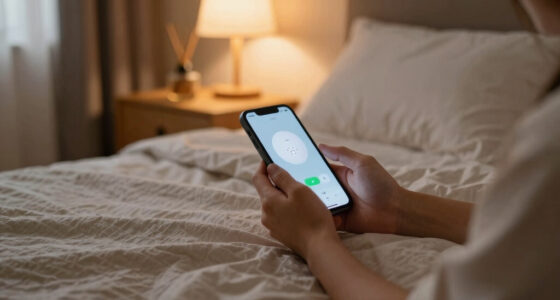
The report recommends closing curtains just before it gets dark, rather than leaving them shut throughout the day, to retain warmth while allowing daylight to enter beforehand. Its example was a 4:30 p.m. reminder ahead of a 4:52 p.m. sunset. It also mentions motorised curtain devices that can follow a schedule, but does not establish that buying one would pay for itself through lower energy use.
Curtains May Cut Evening Heat Loss
The practical value of the habit is that it costs nothing if curtains are already fitted and can be adjusted to local sunset time. If a room stays comfortable for longer, occupants may be able to avoid extending heating or using a separate electric heater. That is a possible household benefit, not a measured bill reduction in the report.
Results are likely to vary with glazing, draughts, insulation and curtain fit. A noticeable temperature difference beside a curtain does not by itself show how much heat the entire home retains, or whether a heating system will run less. The report gives no energy-meter readings, comparison period or bill data, so readers should treat its temperature figures as a limited example rather than a guaranteed saving.
Products Worth Considering
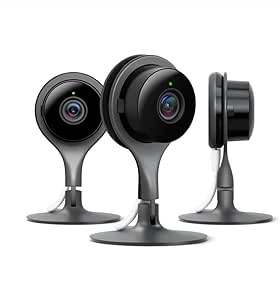
Google Nest Cam Indoor Security Camera, 3-Pack
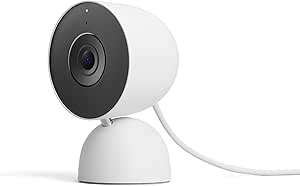
Google Nest Cam Indoor (Wired, 3rd Gen) – Security Camera – Snow

Google Nest Doorbell (Wired, 2nd Gen) – Snow
As an affiliate, we earn on qualifying purchases.
The Report’s Home Test
Ideal Home framed the test against colder autumn evenings and rising energy costs. Its article cited a 4% energy-price rise in October and forecasts of further increases in January, but the supplied report does not specify the tariff, market or forecast source behind those figures. They should not be read as a current price update for every household.
The author said they had already used the curtain-closing habit and assessed the effect over a week, measuring temperatures on either side of different window coverings after sunset. The account is a personal test rather than a peer-reviewed experiment: it does not describe calibration, repeated measurements or controls for room conditions. Middleton’s comments provide expert explanation of how curtains may slow heat loss, but no quantified savings estimate.
“Closing your curtains at dusk is a simple way to help keep your home warm as temperatures drop.”
— Stuart Middleton, So Energy’s consumer energy expert, quoted by Ideal Home
No Typical Bill Saving Measured
The report does not quantify a reduction in energy use, heating runtime or bills. Its temperature readings come from one home, and the article does not provide enough information to establish whether the differences would be replicated under controlled conditions. It is also unclear how much the results were affected by each room’s heating, window type, outdoor temperature or curtain installation.
The cited energy-price figures are presented without enough detail here to assess their forecast basis or applicability to a particular reader. The report also does not compare the cost of automated curtain products with any savings they might produce. No guaranteed payback or household-wide saving is established.
Try the Habit Before Sunset
Households interested in the approach can close curtains shortly before local sunset and see whether rooms remain comfortable, while keeping track of heating use if they want to assess their own results. The report suggests checking sunset time and using a reminder; automation is an optional alternative for people who are away at that time.
Any assessment of financial savings would require comparing energy use under similar weather and heating conditions over time. Until such evidence is available, the finding is best treated as a low-cost comfort measure whose effect depends on the home, rather than a quantified energy-saving guarantee.
Key Questions
When should curtains be closed to help retain warmth?
The Ideal Home report recommends closing them shortly before sunset. This allows daylight into the home during the day and adds a layer at the windows as evening temperatures fall.
How much energy will closing curtains save?
The report gives no general energy or bill-saving figure. It says the effect depends on window type, curtain fit and home insulation, and its temperature readings came from one home.
Which window coverings performed best in the home test?
The author reported the largest temperature difference around thermal curtains and blinds, followed by wooden blinds, standard curtains and fabric blinds. Those results are specific to the author’s home and are not a controlled comparison.
Do curtains need to be automated?
No. The report presents automation as an option for people who are not home at sunset. A manual reminder can also help, and the article does not show that an automated device would pay for itself.
Source: rss