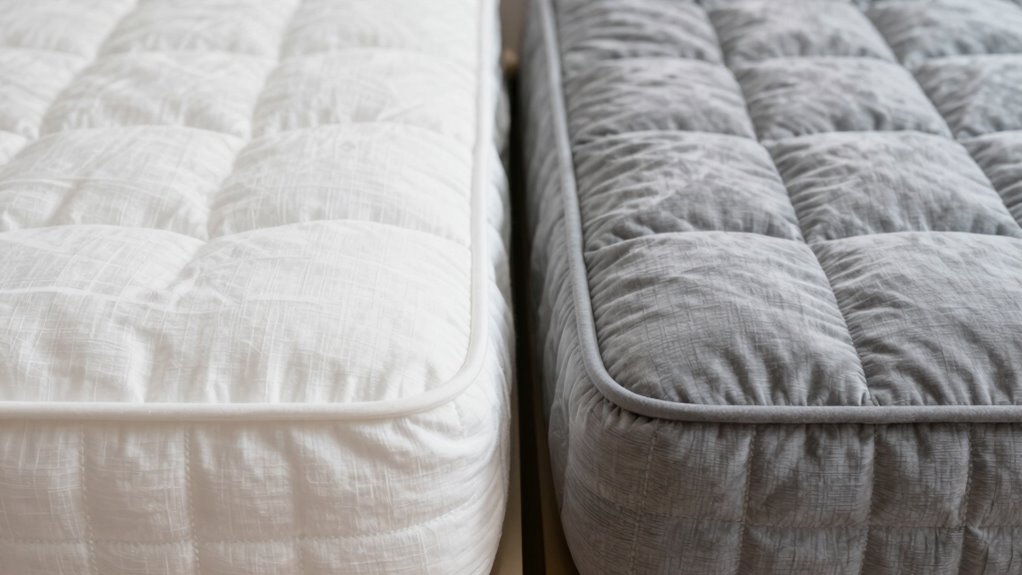
Two mattresses labeled “medium” can feel very different because of variations in materials, construction, and foam density. Your comfort depends on things like the type of foam, layering techniques, and support core design. A “medium” might be plush and soft or firm and supportive, depending on these factors. If you want to understand how these differences affect your sleep, keep exploring the details that make each mattress unique.

Get home appliances delivered free with Prime
- Fast, free delivery on millions of items
- Prime Video, Amazon Music and more included
- Member-only deals all year
Key Takeaways
- Different materials, especially memory foam density, significantly influence how a mattress feels, even if labeled the same firmness.
- Construction differences, such as layering and core design, alter the overall firmness and support perception.
- Foam density affects responsiveness and pressure relief, making similar labels feel distinct.
- Personal preferences and sleeping positions impact how a mattress’s firmness is experienced.
- Manufacturing techniques and material combinations contribute to unique feel and performance of each mattress.
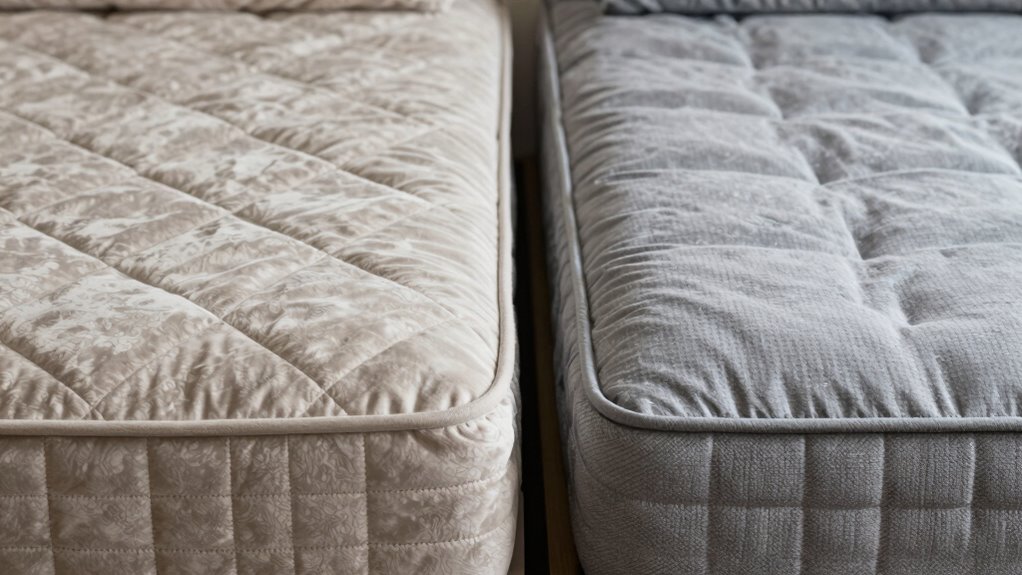
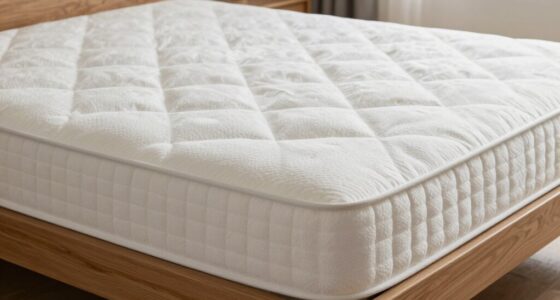
Even though two medium mattresses might seem similar at first glance, they can feel entirely different when you lie down on them. This is mainly because of the variety in materials and construction, especially when it comes to memory foam and firmness levels. Memory foam is a popular choice, known for contouring to your body’s shape and providing personalized support. However, not all memory foam mattresses are the same. Some have a denser, more supportive feel, while others are softer and more plush. The density of the foam influences how it responds under your weight, which directly affects the firmness level.
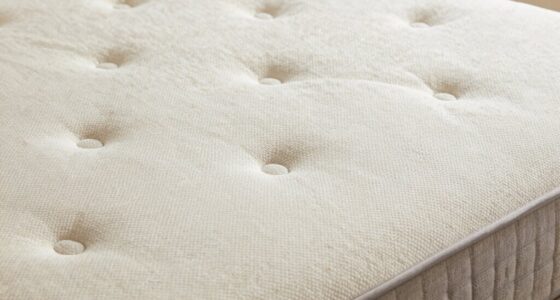
Firmness levels are crucial in determining how a mattress feels, even if both are labeled as “medium.” One mattress might have a softer, plush feel that cushions your body, making it feel more like sinking into a cloud. The other might offer a firmer, more supportive surface that keeps your spine aligned. These differences stem from the materials used, the thickness of the foam layers, and the design of the mattress. For example, a memory foam mattress with a higher density will generally feel firmer than one with a lower density, despite both being categorized as medium. The layering also matters—a softer top layer over a firmer core creates a different sensation compared to a uniformly dense foam.
Your personal preference and sleeping position further influence how you perceive firmness. If you’re a side sleeper, you might prefer a softer, more plush medium mattress that relieves pressure points. If you sleep on your back or stomach, a slightly firmer option might better support your posture. Even within the “medium” category, these subtle differences can make a huge impact on comfort and sleep quality. It’s not just about the label but about how the mattress responds to your body. Additionally, understanding the materials and construction of a mattress can help you make a more informed choice, ensuring you select a mattress that truly meets your comfort needs. When shopping, it’s also helpful to consider foam density and how it affects the firmness and durability of the mattress over time. Knowing about manufacturing processes can reveal how well a mattress maintains its shape and support after prolonged use. Furthermore, some manufacturers utilize innovative layering techniques to enhance comfort and longevity, which can be a significant factor in your decision. The overall composition of a mattress, including support core materials, also plays a vital role in its feel and durability. Ultimately, the key takeaway is that not all medium mattresses are created equal, especially when considering memory foam and firmness levels. Two mattresses both labeled as medium can feel worlds apart depending on their construction and the materials used. When shopping, don’t rely solely on the label—test them out, feel the differences in firmness, and consider how the memory foam responds to your body. That way, you’ll find a mattress that truly fits your comfort needs rather than just settling for a generic “medium” feel.
As an affiliate, we earn on qualifying purchases.
Frequently Asked Questions
How Does Mattress Brand Affect Comfort Despite Similar Firmness Levels?
Your comfort varies with mattress brands because of differences in materials like memory foam and construction quality. Even if two mattresses are medium firmness, one may offer better pressure relief or support due to foam density or layering. Additionally, your bed frame can influence how the mattress feels, affecting overall comfort. So, brand-specific design and your setup play essential roles in how a mattress feels despite similar firmness levels.
Can Mattress Age Influence How a Medium Feels?
Yes, mattress age can influence how a medium feels. Aging effects, like material degradation, cause the mattress to soften or lose support over time. As the foam or springs wear down, the firmness you once felt might diminish, making the mattress feel different—often softer or less supportive. Regularly inspecting your mattress helps you understand these changes and know when it’s time for a replacement to maintain comfort.
Do Different Sleep Positions Impact Perceived Mattress Firmness?
Your sleep posture and mattress material directly impact how firm a mattress feels. For example, if you sleep on your side, a softer mattress may feel more comfortable, while back sleepers might prefer a firmer feel. Different mattress materials, like memory foam or latex, respond uniquely to various sleep positions. This means your perceived firmness changes based on how your body interacts with the mattress during sleep.
How Does Personalized Body Weight Alter Mattress Feel?
Your personalized body weight considerably impacts how a mattress feels because it influences customized pressure and weight distribution. If you’re heavier, you might experience more sinkage, feeling softer, while lighter individuals may find the same mattress firmer. This variation occurs because your weight alters how evenly pressure is distributed across the surface. Understanding your body weight helps you select a mattress that provides the best comfort and support tailored to your unique needs.
Are There Hidden Features That Change Mattress Sensation?
Yes, hidden features like memory foam layers and enhanced edge support can markedly change how a mattress feels. Memory foam contours to your body, providing personalized comfort, while improved edge support prevents sagging at the edges, making the mattress feel more stable. These features often go unnoticed but directly influence your sleep experience, making two medium mattresses feel completely different even if they seem similar on the surface.
As an affiliate, we earn on qualifying purchases.
Conclusion
So, next time you’re tempted to judge a mattress by its label, remember—those two “medium” mattresses might just be worlds apart. One could cradle you like a cloud, while the other feels like sleeping on a pile of rocks. It’s ironic how something so seemingly similar can turn out to be completely different. Don’t be fooled by the label; your sleep quality depends on the details most people overlook. Sleep well, or don’t—your choice.
As an affiliate, we earn on qualifying purchases.
As an affiliate, we earn on qualifying purchases.
NFL season / tailgating Picks
team gear
As an affiliate, we earn on qualifying purchases.