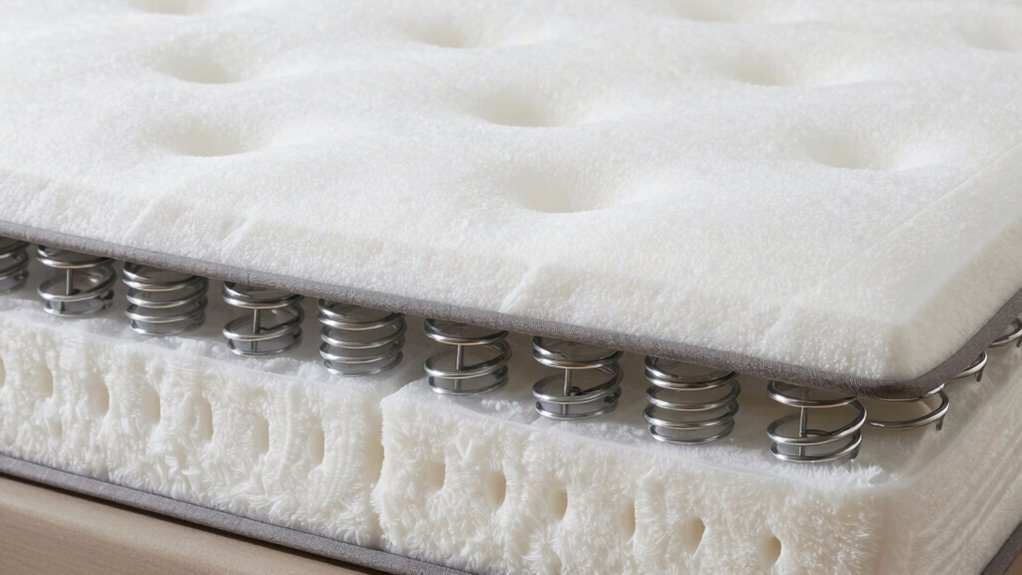

When you see labels like hybrid, innerspring, or foam on a mattress, they’re describing the primary support and comfort materials used. Hybrids combine coils with foam or latex layers for a balanced feel; innerspring beds rely mainly on steel coils for support and bounce; foam mattresses are made of memory foam, latex, or polyurethane, offering contouring and pressure relief. Knowing what each means can help you choose the best fit—dive further to discover more details.
Key Takeaways
- Hybrid mattresses combine innerspring coils with foam or latex layers for balanced support and comfort.
- Innerspring mattresses are primarily made of coil support systems with padding layers for shape and softness.
- Foam mattresses consist entirely of foam layers like memory foam or polyurethane, contouring to the body.
- Labels indicate the core support material—springs, foam, or a combination—affecting feel, support, and durability.
- Understanding these labels helps choose a mattress suited to your sleep style, comfort preferences, and support needs.

Neo Sleep Queen Size Mattress, 10 Inch Hybrid Comfort & Supportive Mattress in a Box, Cooling Gel Memory Foam and Pocket Springs with Pressure Relief, CertiPUR-US Certified, Medium Firm
COMFORTABLE HYBRID SUPPORT – The NEO SLEEP 10 inch Queen Mattress ensures ultimate comfort and balanced support. Soft…
As an affiliate, we earn on qualifying purchases.
As an affiliate, we earn on qualifying purchases.
What Is a Hybrid Mattress? How Support and Comfort Come Together

What exactly is a hybrid mattress, and how does it combine support with comfort? A hybrid mattress merges the best of both worlds: the support of innerspring coils and the plushness of foam or latex layers. This design promotes good sleep hygiene by reducing pressure points and ensuring proper spinal alignment, which helps you wake up refreshed. Because of its balanced construction, a hybrid mattress also tends to have better mattress longevity, resisting sagging over time. The combination creates a stable surface that minimizes tossing and turning, leading to more restful sleep. Whether you prefer a soft or firm feel, hybrids adapt well to different sleep styles, making them a versatile choice for maintaining consistent, healthy sleep habits. Additionally, hybrid mattresses often incorporate energy-efficient materials and construction methods, aligning with sustainability goals and reducing environmental impact. This thoughtful design supports sleep health by fostering comfort and durability over the years. Moreover, many hybrids utilize advanced manufacturing techniques that improve their overall performance and lifespan. Incorporating innovative materials can further enhance their ability to regulate temperature and moisture, contributing to a more comfortable sleep environment.

Jacia House Twin Mattress 11.4 Inch Memory Foam Innerspring Independently Encased Coil Hybrid Mattress – Pillow Top Mattress in a Bag
Jacia House 11.4 Inch Hybrid Mattress Is Made With 1-inch Pillow Top Layer, 2.6-inch Memory Foam Plus High…
As an affiliate, we earn on qualifying purchases.
As an affiliate, we earn on qualifying purchases.
What Are Innerspring Mattresses? The Classic Coil Bed Explained
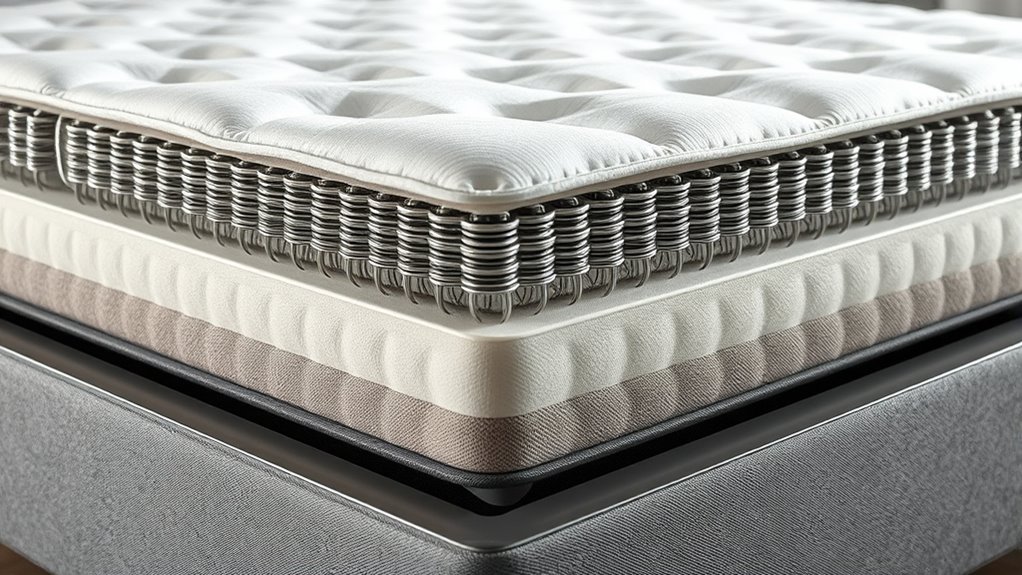
Innerspring mattresses use coils or springs to provide support and shape. You’ll find different coil types and structures that influence firmness and durability, along with common comfort layers that add softness. Understanding these features helps you choose the right classic coil bed for your sleep needs. Additionally, the contrast ratio of the mattress’s design can impact how well the support and comfort layers work together, affecting overall sleep quality. The coil configuration can also determine how well the mattress distributes weight and minimizes motion transfer for a comfortable sleep experience. Modern innerspring mattresses often incorporate advanced coil systems that improve durability and support for various sleep preferences. These innovations can enhance overall comfort by optimizing the support system and ensuring better alignment throughout the night.
Coil Types and Structures
Since coil types and structures form the foundation of innerspring mattresses, understanding their design helps you choose the right bed for your sleep needs. Coil configurations vary from interconnected to pocketed coils, affecting how the mattress supports your body. Support structures also differ, with some coils arranged in a single row or multiple layers, influencing durability and comfort. Continuous coils are made from one piece of wire, offering stability, while pocket coils are individually wrapped, providing better motion isolation. The choice of coil types impacts how well the mattress distributes weight and reduces partner disturbance. Compatibility with sleep preferences is also an important factor to consider when selecting a coil type. Additionally, coil support plays a crucial role in determining overall mattress performance and longevity. Understanding coil configurations helps you identify which design best suits your comfort and support needs. Being aware of the coil material used can also affect the mattress’s durability and feel, ensuring you make an informed decision. By knowing these variations, you can select a mattress that delivers the support and feel you prefer, ensuring a more restful sleep experience.
Benefits of Innerspring Beds
Innerspring mattresses are among the most popular and long-standing choices for sleepers seeking reliable support and comfort. Their design offers excellent durability, making them a smart investment over time. If you tend to change sleep posture frequently, innerspring beds adapt well, providing consistent support for your spine and reducing pressure points. Their coil system enhances mattress durability, resisting sagging and maintaining shape longer. Additionally, the bounce from the coils can help with ease of movement during sleep. Understanding mattress construction can help you select the best option for your individual needs. Here’s a quick comparison:
| Feature | Benefit |
|---|---|
| Support | Maintains proper sleep posture |
| Durability | Lasts longer with minimal sagging |
| Comfort | Responsive, aiding movement |
Innerspring beds support your sleep needs with sturdy construction and adaptable comfort, making them a popular choice for many sleepers. Recognizing the coil system mechanics can further assist in choosing a mattress that aligns with your comfort preferences, especially since the mattress support system plays a crucial role in overall sleep quality. Knowing how the performance of different coil types impacts overall support can help you make a more informed decision.
Common Comfort Layers
Have you ever wondered what makes an innerspring mattress both supportive and comfortable? The secret lies in its common comfort layers. Many innerspring beds include a layer of memory foam, which contours to your body for pressure relief and added softness. Beneath that, the core features coil support—interconnected springs that provide the foundational support and bounce. This coil support distributes your weight evenly, reducing pressure points and enhancing durability. As a result, coil support systems are a hallmark of traditional innerspring designs. The comfort layers soften the feel of the coil support, offering a balance of plushness and stability. Additionally, layer composition can influence the overall comfort and longevity of the mattress, making it essential to choose wisely. The types of materials used in the comfort layers can also affect the mattress’s infection resistance and maintenance needs. Proper layer selection helps optimize both comfort and durability, ensuring your mattress stays supportive over time. Together, these layers create a mattress that adapts to your body while maintaining the support you need for restful sleep. That’s why innerspring beds remain a popular choice for comfort and support. For optimal sleep quality, choosing a mattress with proper support and safety features is crucial.
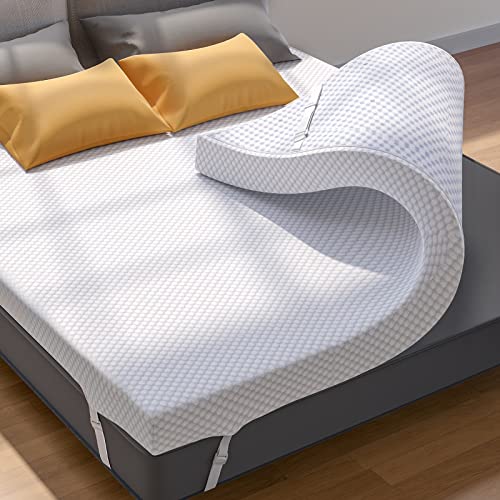
PERLECARE 3 Inch Gel Memory Foam Mattress Topper for Pressure Relief, Premium Soft Cooling Sleep, Non-Slip Design with Removable & Washable Cover, Queen
Extend Mattress Life – The life span of most mattresses is 7-10 years. Replacing quality mattresses can be…
As an affiliate, we earn on qualifying purchases.
As an affiliate, we earn on qualifying purchases.
What Are Foam Mattresses? Exploring Memory Foam, Latex, and Polyurethane

Foam mattresses have gained popularity for their ability to provide personalized comfort and support, thanks to their versatile materials. They adapt to your body’s shape, enhancing sleep quality. Memory foam, latex, and polyurethane are common types, each offering unique benefits. Memory foam contours closely to your body, reducing pressure points. Latex provides a more responsive feel, adding bounce and resilience. Polyurethane foam is affordable and versatile but may vary in durability. When choosing a foam mattress, consider your sleep environment—temperature regulation and airflow matter. Additionally, mattress durability is key, as some foams break down faster, affecting long-term comfort. Key features include:
- Pressure relief
- Responsiveness
- Breathability
- Longevity
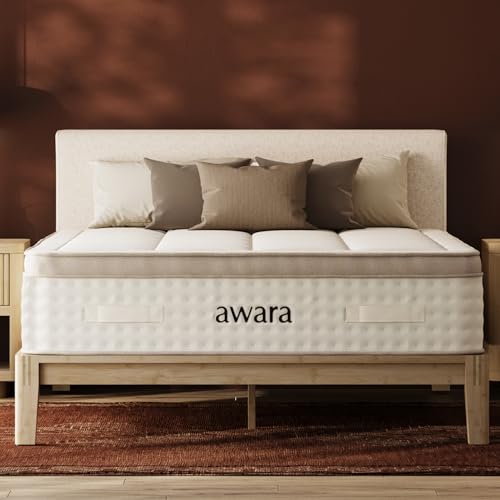
Awara Premier Luxury Hybrid Twin XL Mattress 12 Inch – Certified Organic Natural Latex – Sustainable New Zealand Wool – Fiberglass-Free – 365-Night Trial
365-NIGHT HOME TRIAL & LIFETIME WARRANTY – Our industry-leading trial period and warranty starts the day your Awara…
As an affiliate, we earn on qualifying purchases.
As an affiliate, we earn on qualifying purchases.
How Do Hybrid, Innerspring, and Foam Mattresses Differ? A Quick Comparison

Understanding the construction and materials of each mattress type helps you see how they provide comfort and support. Hybrid mattresses combine coils with foam or latex layers, while innerspring beds rely mainly on coils, and foam mattresses use layers of memory foam or latex. These differences influence how each mattress feels and supports your body throughout the night. Additionally, free floating support systems can enhance comfort by allowing better weight distribution and flexibility.
Construction and Materials
Different mattress types use distinct construction methods and materials to provide support and comfort. Hybrid mattresses combine innerspring coils with foam or latex layers, offering a mix of bounce and pressure relief. Innerspring mattresses rely on metal coils as their core, with various padding materials on top. Foam mattresses are made entirely of foam layers, such as memory foam or polyurethane, providing contouring support. These differences influence how you can pair your mattress with bed frame styles and the mattress size options available. For example, hybrids often suit platform beds, while innersprings work well with traditional frames. Foam mattresses are versatile, fitting a wide range of bed styles, and all types vary in thickness and support features, catering to different preferences. Understanding mattress construction can help you choose the best option for your sleep needs. Additionally, smart-home integrations can enhance your sleep environment by allowing you to monitor and control your mattress’s features remotely. Recognizing the material composition of each mattress type can also aid in selecting the right option for allergies or sensitivities.
Comfort and Support
Have you ever wondered how mattress types differ in providing comfort and support? Hybrid, innerspring, and foam mattresses each offer unique benefits for sleep ergonomics. Hybrids combine coils and foam layers, balancing support with plush comfort, which helps maintain proper spinal alignment. Innerspring mattresses are known for their responsiveness and airflow, but their support can vary depending on coil quality and design, impacting both comfort and mattress longevity. Foam mattresses, especially memory foam, contour closely to your body, providing targeted support and pressure relief, but may retain heat. Your choice influences how well your mattress supports your posture and how long it stays supportive over time. Understanding these differences helps you select a mattress that aligns with your comfort needs and durability expectations.
What Are the Pros and Cons of Hybrid, Innerspring, and Foam Mattresses?

Choosing the right mattress depends on your sleep preferences, and each type offers distinct advantages and disadvantages. Hybrid, innerspring, and foam mattresses vary in support, comfort, and durability. Hybrids combine coils and foam, offering balanced support and better airflow. Innerspring mattresses excel in responsiveness and breathability but may lack pressure relief. Foam mattresses provide excellent contouring and pressure relief but might trap heat and have a shorter mattress longevity. Your sleep posture influences which is best—for example, back sleepers may prefer hybrids, side sleepers benefit from foam. Consider these pros and cons:
- Hybrids: durable, versatile, but pricier
- Innerspring: affordable, breathable, but less contouring
- Foam: pressure relief, quiet, but heat retention
- Long-term support varies based on material quality
How Can You Choose the Right Mattress for Your Sleep Style?

Figuring out the best mattress for your sleep style starts with understanding how you sleep and what your body needs. Your sleep posture plays a big role—side sleepers often benefit from softer, pressure-relieving mattresses, while stomach sleepers need firmer options for proper spinal alignment. Back sleepers typically prefer a balanced feel. Consider mattress durability; if you tend to shift positions frequently, choose a mattress made from sturdy materials that won’t sag quickly. Knowing your sleep posture helps narrow down options, ensuring comfort and support throughout the night. A mattress that aligns with your sleep style reduces discomfort, improves sleep quality, and helps maintain proper spinal health. Ultimately, selecting based on your posture and durability needs will lead to better, more restful sleep.
What Materials and Construction Features Should You Look For?

When selecting a mattress, paying attention to the materials and construction features guarantees you get the right balance of comfort, support, and durability. Look for high-quality foam, innerspring coils, or hybrid layers that suit your sleeping needs. Confirm the mattress has compatible bed frame options to prevent gaps or instability. Consider mattress thickness options; thicker mattresses often provide more support but may require sturdier frames. Check for durable edges to maximize usable surface space. Opt for breathable materials like gel-infused foam or coil systems that promote airflow. Additionally, verify the construction of the comfort layers to ensure they align with your preferred firmness level. These features help create a sleep setup that’s supportive, long-lasting, and compatible with your existing bedroom furniture.
What Are the Best Tips for Testing and Buying Your Next Mattress?

To guarantee you select the right mattress, it’s important to test it thoroughly before making a purchase. Spend at least 10-15 minutes lying on each mattress in your typical sleep position. Pay attention to how your body feels—supportive, comfortable, and free from pressure points. Good sleep hygiene involves a mattress that helps you relax and stay asleep, so don’t ignore comfort during testing. Also, consider mattress longevity; a well-chosen mattress maintains support over time. Check for proper spinal alignment and ensure movement doesn’t disturb your partner. Sit, lie down, and even bounce gently to assess responsiveness. Remember, buying a mattress is an investment in your sleep health, so take your time to make an informed decision.
Frequently Asked Questions
How Do Hybrid, Innerspring, and Foam Mattresses Impact Sleep Temperature?
You’ll find that hybrid mattresses often offer better breathability and moisture management because they combine coils with foam layers, allowing air to flow more freely and reducing heat buildup. Innerspring mattresses also promote airflow, keeping you cooler. Foam mattresses, especially memory foam, tend to trap heat and moisture, which may cause discomfort. Choosing a hybrid or innerspring can help you sleep more comfortably by addressing breathability concerns and moisture management.
Are Hybrid Mattresses More Durable Than Foam or Innerspring Beds?
You’ll find hybrid mattresses stand tall like sturdy trees, often outlasting foam or innerspring beds. Their layered construction blends material longevity and durability, making them resilient champions in the sleep arena. Durability comparisons show hybrids resist sagging and wear better over time, offering a longer-lasting sleep sanctuary. So, if you’re seeking a dependable, enduring mattress, hybrids might just be your steadfast partner on your nightly journey to restful dreams.
Can Hybrid Mattresses Be Customized for Specific Firmness Levels?
Yes, hybrid mattresses can be customized for specific firmness levels. You have various customization options, such as adjusting foam layers or choosing different coil tension, to attain your desired firmness. Many brands offer firmness adjustments or modular components, allowing you to tailor the feel to your comfort preferences. This flexibility helps guarantee you get a mattress that provides proper support and comfort, fitting your unique sleep needs.
What Are the Environmental Impacts of Different Mattress Materials?
You might think all mattress materials are eco-friendly, but they vary greatly. Some, like certain foams, pose recycling challenges due to chemical compositions, while others, like organic cotton or natural latex, use sustainable materials that reduce environmental impact. Choosing mattresses made from eco-conscious, recyclable materials helps lessen landfill waste and conserves resources, balancing comfort with responsibility. Your decision can make a real difference in protecting the planet for future generations.
How Do Mattress Warranties Vary Between Hybrid, Innerspring, and Foam Options?
You’ll notice that warranty terms and coverage differences vary among mattress types. Hybrid mattresses typically offer longer warranties, around 10 years, covering sagging and manufacturing defects, while innerspring models often have shorter coverage, about 5-8 years. Foam mattresses may have warranties ranging from 5 to 10 years, but coverage can be limited, especially for sagging or indentations. Always check the specific warranty details before purchasing to understand what’s protected.
Conclusion
Choosing the right mattress might feel overwhelming, but now you’re armed with the knowledge to make a confident decision. Whether you pick a hybrid, innerspring, or foam, imagine your perfect sleep oasis—so comfortable it feels like floating on clouds. Remember, your mattress is the foundation of every dream and every morning’s fresh start. Invest wisely, and you’ll wake up feeling like you’ve just uncovered the secret to truly blissful sleep.