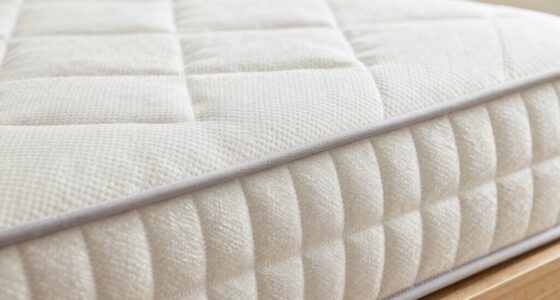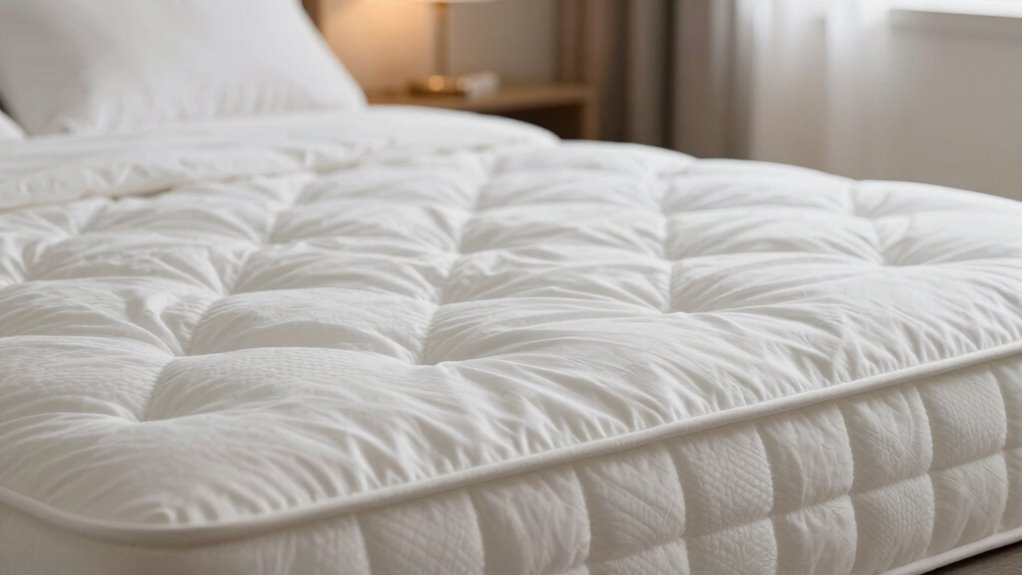

After an hour, your mattress feels different because your body shifts through sleep stages, affecting pressure and temperature. As you relax deeper, muscles soften, and body heat cools, changing how the mattress responds. Materials like memory foam can become firmer, while others like innerspring stay consistent. Movement and temperature fluctuations impact comfort, especially if the mattress doesn’t adapt well. Want a better night? Keep exploring how mattress design influences long-term comfort.

Get home appliances delivered free with Prime
- Fast, free delivery on millions of items
- Prime Video, Amazon Music and more included
- Member-only deals all year
Key Takeaways
- Body movements and sleep cycles alter pressure and temperature, changing how the mattress feels over time.
- Memory foam and other materials respond differently as body temperature drops, reducing initial plushness.
- Temperature fluctuations and poor airflow can make the mattress feel less supportive or comfortable.
- Lack of responsiveness causes uneven pressure distribution as the body shifts during sleep.
- Changes in muscle relaxation and body position affect how the mattress contours and supports over time.

When you first lie down, your mattress often feels perfectly comfortable, but that sensation can fade after the first hour. This change happens because your body shifts through different stages of your sleep cycle, and your mattress responds differently as your body relaxes and moves. Initially, the mattress provides support and cushioning that align with your body’s shape, making it easy to drift into sleep. However, as you settle in, your muscles relax further, and your body temperature drops. These natural adjustments in your sleep cycle can alter how your mattress feels, especially if it doesn’t accommodate those changes.
Initially supportive, your mattress’s comfort can fade as your body relaxes and temperature drops during sleep.
The materials your mattress is made from play a significant role in how comfort evolves over time. For example, memory foam mattresses mold to your body, providing excellent support initially. But as your body temperature decreases during sleep, the foam becomes firmer, reducing the plushness you first felt. This can make the mattress seem less comfortable after a while. In contrast, innerspring mattresses offer more bounce and airflow, which can help maintain a more consistent feel throughout the night. Still, if the materials aren’t suited to your body’s needs, you’ll notice a difference in comfort as your sleep cycle progresses.
Your body’s natural fluctuations in temperature and pressure also influence how your mattress feels. When you first lie down, your body heat warms the mattress, making it feel cozy and supportive. As your body cools, especially if your mattress materials aren’t breathable, you might start to feel less supported or find the surface less comfortable. This sensation can be more pronounced if your mattress traps heat or doesn’t allow proper airflow, causing it to feel firm or less forgiving than at the start. Breathable materials can help mitigate this issue by promoting better airflow and temperature regulation. Additionally, choosing a mattress with temperature regulation features can further enhance comfort throughout the night.
Another factor is the initial feeling of weight distribution. When you first settle in, your body weight is evenly distributed, and your mattress cradles you comfortably. Over time, small movements and changes in your sleep cycle can cause uneven pressure points, making the mattress feel either too firm or too soft. If the mattress materials aren’t responsive enough to adapt to these shifts, your comfort diminishes, leading to disturbances or discomfort. The responsiveness of the materials is crucial in maintaining a consistent level of support throughout the night.
In essence, your mattress’s comfort after the first hour hinges on how well its materials respond to your body’s changing needs throughout the sleep cycle. Choosing the right mattress materials—those that balance support, breathability, and responsiveness—can help ensure that your comfort remains consistent, so you wake up feeling refreshed rather than exhausted by discomfort or pressure points. Additionally, material responsiveness plays a crucial role in maintaining comfort as your sleep progresses.
memory foam mattress with temperature regulation
As an affiliate, we earn on qualifying purchases.
As an affiliate, we earn on qualifying purchases.
Frequently Asked Questions
Can Mattress Material Influence Comfort Changes Overnight?
Yes, mattress material can influence comfort changes overnight. Memory foam, for example, molds to your body, which can cause the mattress to feel softer or more supportive as it adjusts to your shape. Mattress firmness may also shift slightly as materials settle or temperature changes affect the foam’s responsiveness. These factors can make your sleep more comfortable initially, but comfort may vary as the night progresses.
Do Sleep Positions Affect How Comfort Shifts During the Night?
Sleep positions act like a tailor, shaping comfort throughout the night. Your sleep posture influences how your body adjusts to the mattress, affecting comfort shifts. If you switch positions or settle into a different sleep posture, your comfort level can change considerably as your body adapts. These adjustments are natural, and understanding how your sleep posture impacts comfort can help you find better sleep and reduce discomfort over time.
How Does Body Temperature Impact Mattress Comfort?
Body temperature plays a significant role in your mattress comfort. When your body heat increases, it can cause you to sweat and feel warmer, making the mattress less comfortable. Proper temperature regulation helps manage this, ensuring your body stays cool and comfortable throughout the night. Using breathable bedding or cooling mattresses can assist in maintaining ideal body heat, giving you a more restful and consistent sleep experience.
Are Certain Mattress Types More Prone to Comfort Fluctuations?
Of course, memory foam and latex mattresses are notorious for their comfort rollercoaster rides. You’ll find that memory foam molds to your body, then suddenly hardens or sags as your temperature fluctuates. Latex mattresses, while more resilient, can still feel inconsistent if you’re sensitive to pressure points or temperature changes. So yes, these mattress types are more prone to comfort fluctuations, turning your peaceful sleep into a unpredictable adventure.
Can External Factors Like Room Humidity Alter Mattress Feel?
Yes, external factors like room humidity can alter how your mattress feels. In your sleep environment, high humidity might make your mattress feel softer or cause it to retain more heat, affecting comfort. Conversely, low humidity could make it feel firmer. Personal preferences also play a role, so adjusting room humidity to your liking can help maintain consistent comfort throughout the night.
adjustable firmness innerspring mattress
As an affiliate, we earn on qualifying purchases.
As an affiliate, we earn on qualifying purchases.
Conclusion
Understanding why your mattress feels different after the first hour can help you improve your sleep quality. It’s normal for comfort to shift as your body adjusts and temperature influences the mattress’s materials. Remarkably, a recent study shows that over 70% of people experience discomfort changes during the night, mainly due to temperature and pressure redistribution. Knowing this, you can make simple adjustments like using breathable bedding or changing your sleeping position to stay comfortable all night long.
breathable cooling mattress topper
As an affiliate, we earn on qualifying purchases.
As an affiliate, we earn on qualifying purchases.
mattress with adaptive support technology
As an affiliate, we earn on qualifying purchases.
As an affiliate, we earn on qualifying purchases.
NFL season / tailgating Picks
team gear
As an affiliate, we earn on qualifying purchases.