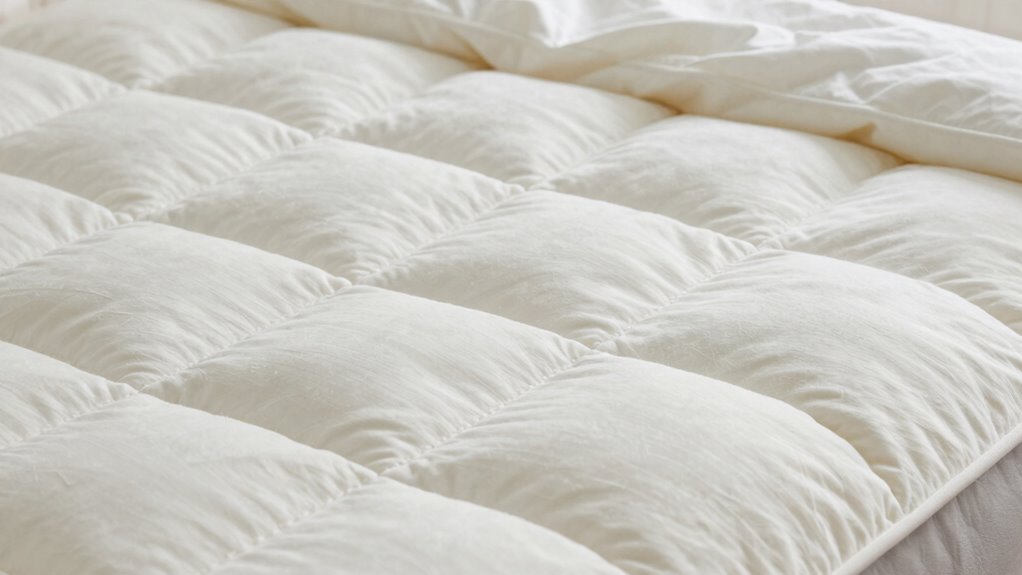

Your first impression of a mattress can be misleading because initial softness or firmness doesn’t guarantee long-term comfort or support. Memory foam may feel plush at first, but it can soften or sag over time, reducing its effectiveness. Support layers hidden beneath the surface are essential for durability. To truly evaluate quality, you need to look beyond the initial feel and understand how materials and construction perform over years. Keep going to discover what really matters in choosing a mattress.
Key Takeaways
- Initial softness may hide underlying support issues or material durability concerns.
- Memory foam’s initial plush feel can diminish as materials settle and conform over time.
- Short-term impressions don’t reveal long-term support, shape retention, or material degradation.
- Surface comfort often masks the quality of support layers essential for lasting comfort.
- Manufacturer testing and reviews provide better insights into a mattress’s true long-term performance.
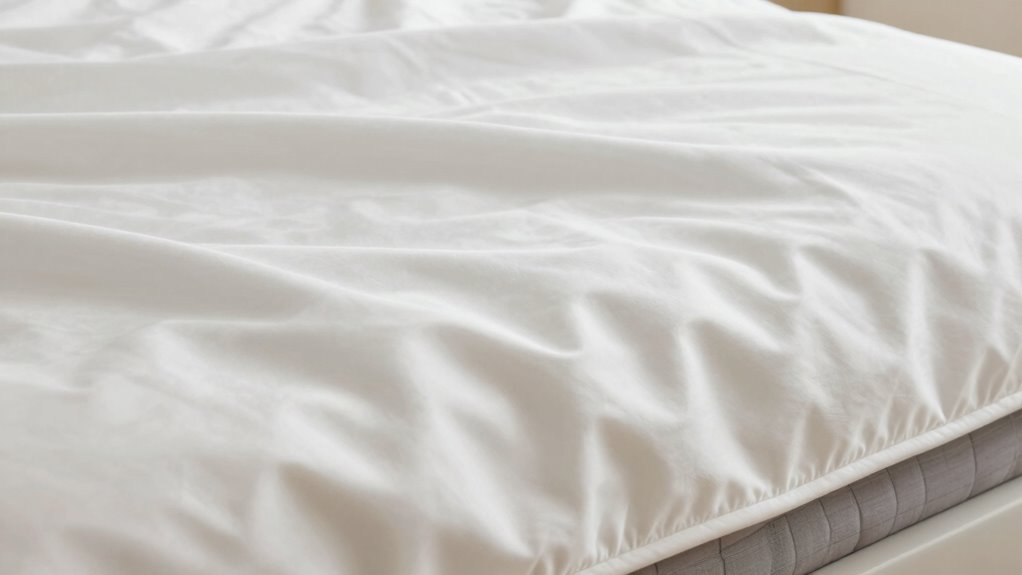
Have you ever bought a mattress based on its initial feel only to find it uncomfortable after a few nights? That quick impression can be deceiving. Many mattresses, especially those made with memory foam, seem perfect at first because they contour so well to your body and feel incredibly soft. But what feels comfortable initially isn’t always a sign of long-term satisfaction. Memory foam, in particular, is known for its pressure-relieving qualities, but it can also change over time. As you use it, it might develop impressions or sag, which can diminish its effectiveness and comfort. That’s why the initial soft feel doesn’t guarantee a mattress’s durability or your future comfort. The mattress lifespan, which refers to how long your mattress remains supportive and comfortable, varies widely depending on materials and construction. A mattress that feels plush and luxurious on day one could lose its supportive qualities long before its expected lifespan ends.
When you first lie down, a new mattress might seem like the best choice because it offers immediate comfort. But over time, the materials settle and conform to your body shape, revealing how well it actually supports you. Memory foam, for example, responds to heat and pressure, molding to your curves, but it also tends to soften further with use. This softening can sometimes lead to less support, especially if the foam begins to break down or develop permanent impressions. If you buy a mattress based solely on how it feels at first, you might overlook the fact that it won’t maintain that initial comfort for years to come. A mattress’s true quality is reflected in how well it preserves its support, shape, and overall condition over its lifespan. Additionally, the initial surface feel can be misleading because it doesn’t always reflect the quality of the underlying structure. Recognizing the importance of material durability can help you make better long-term choices.
Another factor to take into account is that the initial impression often highlights only the surface feel, not the core quality or construction. You might feel an inviting softness initially, but if the underlying support layers are thin or poorly made, the mattress won’t sustain comfort. It’s important to look beyond that first impression and consider reviews, materials, and warranty coverage. Remember, a good mattress should support your body for years, not just feel nice when you first lie down. The initial softness or firmness can be alluring, but your long-term comfort depends on understanding how the mattress will perform over time, especially as memory foam and other materials age and the mattress approaches the end of its lifespan. Being aware of long-term performance can help prevent premature sagging or dissatisfaction. Paying attention to construction quality can also be a key factor in ensuring durability and sustained comfort.
In addition, consider how the testing methods used by manufacturers provide insight into the durability of the materials and construction, helping you gauge whether a mattress will stand the test of time.
best long-term support memory foam mattress
As an affiliate, we earn on qualifying purchases.
As an affiliate, we earn on qualifying purchases.
Frequently Asked Questions
How Long Does the Initial Feel of a Mattress Usually Last?
The initial feel of a mattress typically lasts about 4 to 6 weeks, depending on your sleep duration and how your body adjusts. During this period, you might notice comfort consistency improving as your body adapts to the mattress. It’s important to give yourself time to settle in, as the mattress’s true comfort level often reveals itself after this adjustment phase, ensuring you find lasting sleep quality.
Can a Mattress’s Appearance Predict Its Long-Term Comfort?
A mattress’s appearance doesn’t reliably predict its long-term comfort, as factors like sleep posture and mattress durability matter more. You might see a sleek, plush design that looks inviting, but over time, poor durability or an unsupportive feel can lead to discomfort. Focus on how the mattress supports your sleep posture and its build quality, rather than just how it looks. Comfort evolves, and appearances can be deceiving.
Do Brand-Name Mattresses Always Perform Better Than Lesser-Known Brands?
You might think brand-name mattresses always outperform lesser-known brands, but that’s not true. Studies show that 60% of consumers believe luxury branding guarantees quality, yet many lesser-known brands offer comparable comfort and durability. Price perception often influences your judgment more than actual performance. So, don’t rely solely on the brand—test the mattress yourself and read reviews, because a lesser-known brand could be your perfect, budget-friendly sleep solution.
How Does Mattress Material Affect Its Initial Impression?
Mattress material greatly influences your initial impression. Memory foam feels soft and contouring, making it seem plush and supportive right away, but it can retain heat. Latex responsiveness offers a bouncy, springy feel, giving a lively, supportive sensation that may seem more comfortable initially. Your first impression depends on these tactile qualities; however, comfort can change over time as materials settle and adapt to your body.
Are There Specific Signs That a Mattress’s First Feel Is Deceptive?
About 60% of people find that their initial mattress feel isn’t accurate. Signs that your first impression is deceptive include uneven texture perception and a firmness illusion—where a mattress feels softer or firmer than it truly is. If the mattress quickly loses its comfort or feels inconsistent across different areas, it’s likely giving a misleading first feel. Always test it in multiple positions before deciding; first impressions can be tricky.
mattress with durable support layers
As an affiliate, we earn on qualifying purchases.
As an affiliate, we earn on qualifying purchases.
Conclusion
So next time you’re mattress shopping, don’t judge a book by its cover or a mattress by its initial feel. Look beyond the surface, consider the support, and understand your true comfort needs. Pay attention to the details that matter—pressure relief, durability, and motion transfer. Because a mattress that feels perfect at first glance might not be the best fit in the long run. Trust your research, test thoroughly, and sleep soundly on what truly suits you.
mattress shape retention and support
As an affiliate, we earn on qualifying purchases.
As an affiliate, we earn on qualifying purchases.
mattress durability testing
As an affiliate, we earn on qualifying purchases.
As an affiliate, we earn on qualifying purchases.